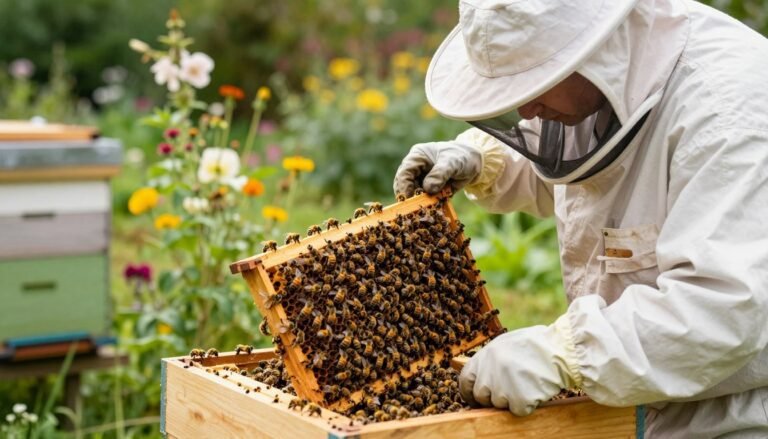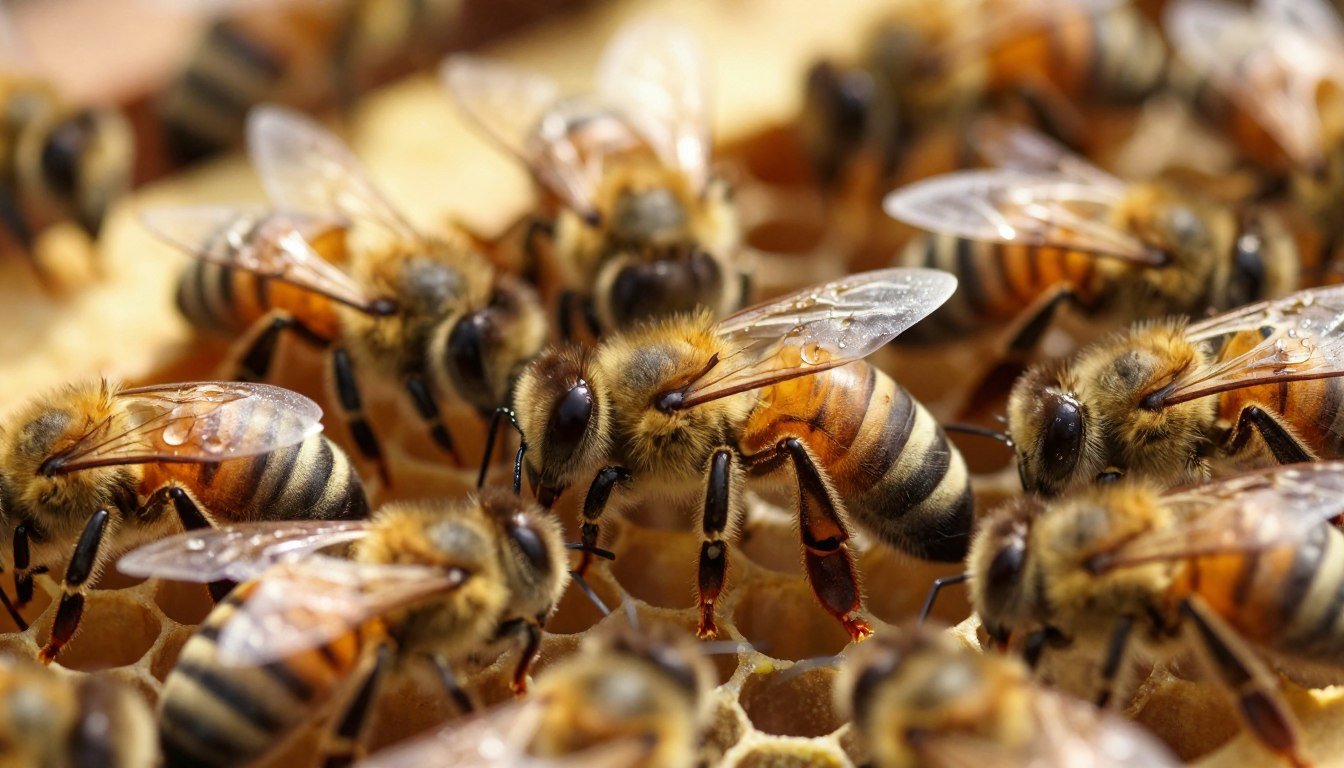
Starting a hive from a package can feel tense when brood does not appear right away. Many first-year keepers in Central TX face dry heat and nectar gaps that slow brood production. Art10630’s package began in April and showed delays for several weeks.
Monitor the colony for at least 26–33 days. A virgin queen needs time for mating flights before active brood laying begins. If you manage one hive, avoid frequent checks that can disturb mating behavior and foraging.
Signs to watch: empty brood cells being backfilled with nectar or pollen, few capped cells, or more drone comb. For practical advice from other beekeepers, see this forum post about a queen present but not. For guidance on queen vigor and marking, consult this beekeeping expansion guide.
Key Takeaways
- Give a new colony 26–33 days before requeening decisions.
- Hot, dry conditions and low nectar can delay brood production.
- A virgin needs mating flights; avoid undue disturbance.
- Watch for brood pattern changes, capped cells, and larvae.
- If signs persist, consider requeening after careful checks.
Understanding Why Your New Queen Is Not Laying Eggs Yet
Early brood gaps can reflect mating delays, stress, or resource shortages in a fresh hive.
According to Foxhound Bee Company, nearly 40% of package queens fail within the first months. That statistic helps explain common concern among a beginner beekeeper. Worker behavior and queen biology influence how soon a colony shows brood.
If queen laying activity stops or never starts, consider environmental stressors such as heat, nectar dearth, or poor forage. Local clubs offer practical beekeeping advice and can help determine if the issue is temporary or a real problem.
Note: Document each post-inspection observation. Track frames, pollen, and brood over several days.
Use the table below to compare likely causes and first steps.
| Sign | Likely Cause | First Action |
|---|---|---|
| Empty cells, few larvae | Mating delay or unmated replacement | Wait 7–14 days; minimize disturbance |
| Backfilled cells with nectar | Nectar dearth or forager stress | Feed sugar syrup; check forage |
| Spotty capped brood | Failing laying pattern | Inspect for marked queen or consider requeening |
| Aggressive workers | Queenless emergency response | Search for queen; consult local club or post; see package queen report |
The Importance of Bee Math in Hive Inspections
Simple arithmetic and observation show when new eggs and larvae should appear in the comb. Bee math turns vague worry into a clear plan for inspection and action.
Use the timeline: Michael_Bush notes it takes about 26–33 days from queen loss for a replacement to begin steady laying. If you opened the hive today and found no larvae, that day count guides your next check.

Calculating the Timeline
Start with the day you first saw empty cells or the marked loss. Count days to estimate when eggs should appear. A virgin must hatch, take mating flights, then begin egg laying.
Monitoring for Development
Inspect frames for brood stages and spot changes in cells. One frame of comb holds thousands of cells, so small signs can mean steady progress.
- If no larvae: wait about 26 days from event and minimize disturbance.
- If queen cells appear: the colony is trying to replace a failing breeder.
- Be patient: give a few weeks; often a bit of time solves the puzzle.
“Counting stages and days simplifies hive decisions and reduces mistaken requeening.”
Environmental Factors and Nectar Dearth
Central Texas heat can push a hive into conservation mode during long nectar shortages.
Art10630 noted temperatures above 100°F for many days, which led to a clear nectar dearth.
During a severe nectar gap, the queen may slow her cycle while workers shift duties. Foraging drops when bees must cool the brood nest and shuttle water.
Colonies often end up storing a lot of honey in brood frames during dearths. That backfilling can limit space for the queen and reduce visible brood.
- Offer supplemental feed to mimic a nectar flow and encourage expansion.
- Provide shade and water to help bees focus on foraging, not cooling.
- Inspect sparingly during the hottest days to avoid extra stress.
“Managing hives through peak heat takes close observation and timely feeding.”
Identifying a Virgin Queen
Many beekeepers learn to spot a virgin queen by watching small behavior clues and brood changes. Early identification helps guide decisions that protect colony growth.
Physical signs can be subtle. A virgin looks much like a mated breeder, but she lacks fertilized eggs until mating flights finish. Watch for empty cells and then tiny eggs within several days after the queen returns.
Recognizing Mating Flight Delays
Typically, a virgin needs about one week of mating flights in good weather before laying worker brood. Poor weather, local swarms, or weak drone availability can delay those flights.
If the timeline slips beyond expected days, check post-inspection notes from prior years for local patterns. Losing a virgin during flight is a common problem; prepare to act if no eggs appear after two weeks.
“Track behavior over days and record conditions; data reduces guesswork.”
| Sign | Meaning | Action |
|---|---|---|
| Empty cells then eggs | Virgin returned and mated | Minimize disturbance; monitor |
| No eggs after 10–14 days | Possible lost during flight | Search for queen; consider requeening |
| Spotty early brood | Incomplete mating or few drones | Check local drone sources; note weather |
Signs of a Failing Queen
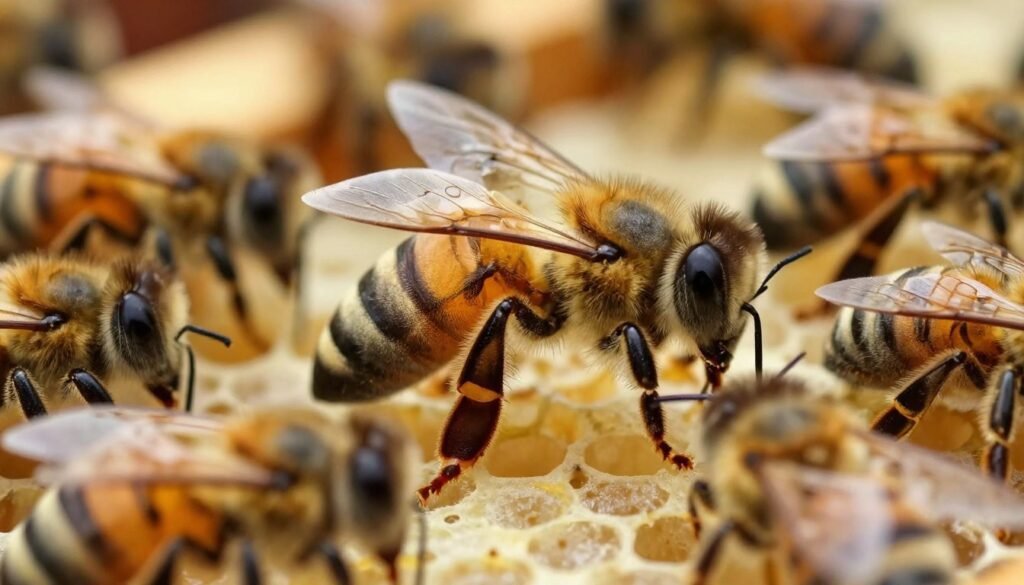
Spotty brood and falling egg counts are the fastest clues that something is wrong in the hive. Look for many empty cells where brood should be and few larvae over several days.
If eggs vanish or never appear, workers may respond by building queen cells. Ann-at-Monto notes that sperm depletion often triggers that behavior as the colony attempts replacement.
Watch for a virgin queen that fails to mate. Such a female can become a drone layer and leave the colony unable to produce worker brood.
Track the pattern over weeks. A patchy brood frame with many empty cell areas signals a failing or aged breeder. Check frames on consistent days to spot trends.
“Do not smash an active queen cell immediately; the bees may be saving the hive.”
When you see queen cell construction, pause and document. If you need more guidance on colony responses and swarm signals, read this post about preparing to swarm.
Assessing Hive Aggression and Behavior
Aggressive behavior at the hive often signals stress from missing or failing leadership. Art10630 reported that inspections became fairly tense when the queen struggled to establish brood.
Stress shows up fast. Workers guard the entrance, follow the beekeeper, or sting more readily. This behavior often means the colony feels vulnerable.
A virgin queen that has not begun laying can leave bees uneasy. That unease makes inspections harder and raises risk during handling.
“If bees turn unusually defensive, step back and let the colony calm for several days before trying again.”
Use calm methods and quick checks. Reduce hive exposure and wear proper protection. If aggression continues after several days, consider whether the breeder has failed or a swap is needed.
| Behavior | Likely Cause | Recommended Action |
|---|---|---|
| High entrance guarding | Perceived queen loss or weak breeder | Shorten inspections; check for brood in 7–10 days |
| Chasing or persistent following | Colony feels vulnerable | Work at cooler time of day; avoid sudden moves |
| Swarm prepping plus aggression | Stress from instability | Look for queen cells; manage swarm risk calmly |
Evaluating Brood Nest Conditions
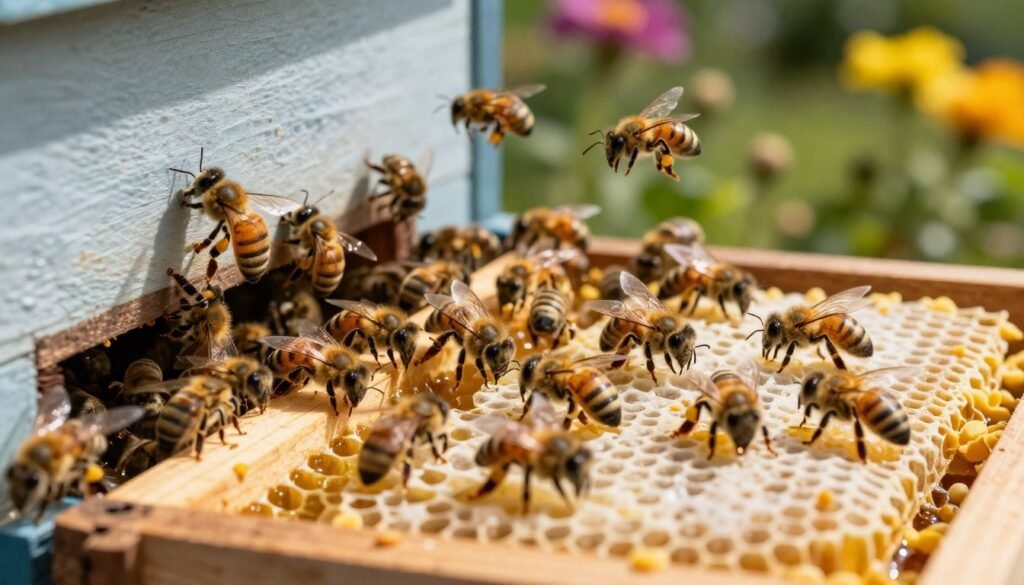
Begin inspections by scanning brood frames for stored nectar crowded into brood areas. This quick check shows whether workers are conserving food instead of raising brood.
Art10630 found bees backfilling empty brood cells with nectar and pollen rather than building worker brood. That pattern often signals the queen has paused laying for several days.
Backfilling Cells with Nectar
Look for cells that shine or glisten; these are likely filled with nectar or thin honey. When the brood area holds honey, the queen has limited space to place eggs.
If many cells are backfilled: record the frame number and note whether those cells are capped. Make a concise note in your post-inspection log about any queen cells seen.
Identifying Pollen Stores
Pollen appears as dry, colored plugs at cell bottoms. Pollen near brood is good, but widespread pollen in brood frames can mean the colony is not using comb for brood eggs.
- When inspecting, compare capped brood to honey cells to spot differences fast.
- Keep records of frames that show pollen, nectar, or queen cell construction.
- If queen cells appear on a frame, mark that frame for follow-up checks in the coming days.
Quick rule: a healthy brood nest keeps a clear, central zone for laying. Excess honey or pollen there suggests laying has slowed and needs monitoring.
For guidance on how to inspect patterns and confirm brood stages, consult this practical guide to inspect brood pattern.
Options for Requeening Your Colony
When brood patterns stall, requeening offers a clear path to restore strength. Replacing a failing breeder is a proven way to protect the colony for coming years.
If you manage one hive, take special care during introductions. Remove the old queen, then wait 24 to 48 hours before placing a mated replacement so pheromone acceptance improves. Peter48 recommends this window to reduce conflict.
Many beekeepers prefer a mated queen for faster results. A virgin queen can work, but she needs mating time and brings more risk for short-term gaps.
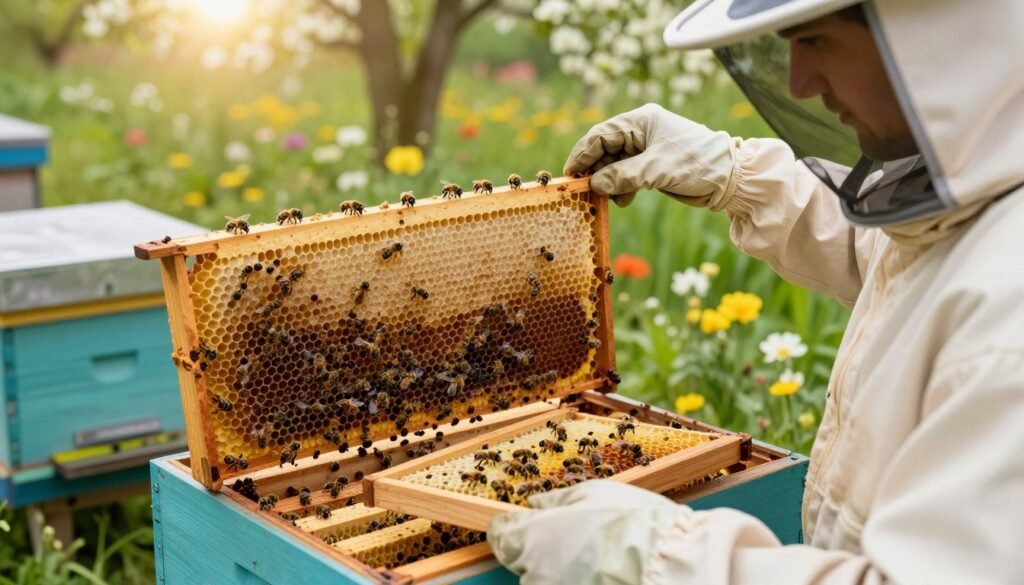
- Plan for acceptance: use a cage or release method and monitor for several days.
- Single-hive caution: limit checks and avoid rough handling that triggers aggression.
- Think ahead: plan for swarm risk and possible failures through the season and year.
“A timely requeen can stop decline and give the hive time to rebuild.”
For field reports and practical steps, read this package queen report and tips to boost colony population naturally.
Introducing a Mated Queen
Introduce a mated breeder with care to restore brood quickly and reduce hive unrest.
Introducing a mated queen is the most reliable way to get a queenless colony back to laying eggs within a short period. Before placing the queen cage into the box, confirm the hive truly lacks a laying female. If a hidden virgin remains, workers may reject new introductions.
Expect the bees to hold the queen in the cage for about one week. During that time the workers often chew the candy plug and then release her. After release, she may need a day or two to orient before full queen laying resumes.
Peter48 notes that aggression can persist until the replacement is accepted. Keep checks brief and calm for several days after release and avoid heavy disturbance. If acceptance fails, search carefully for an unmated or hidden virgin and reassess options.
Watch the colony closely for 3–7 days after release. Record behavior at the entrance and inspect brood frames on scheduled days to confirm queen laying has started.
| Step | What to check | Timing |
|---|---|---|
| Confirm queenlessness | No eggs, no marked breeder, no fresh brood pattern | Before cage placement, same day |
| Place cage in box | Center near brood; avoid crushing frames | Day 0 |
| Release period | Workers eat candy; neural acceptance | About one week |
| Post-release checks | Signs of laying, calmer behavior, no virgin activity | 3–7 days after release |
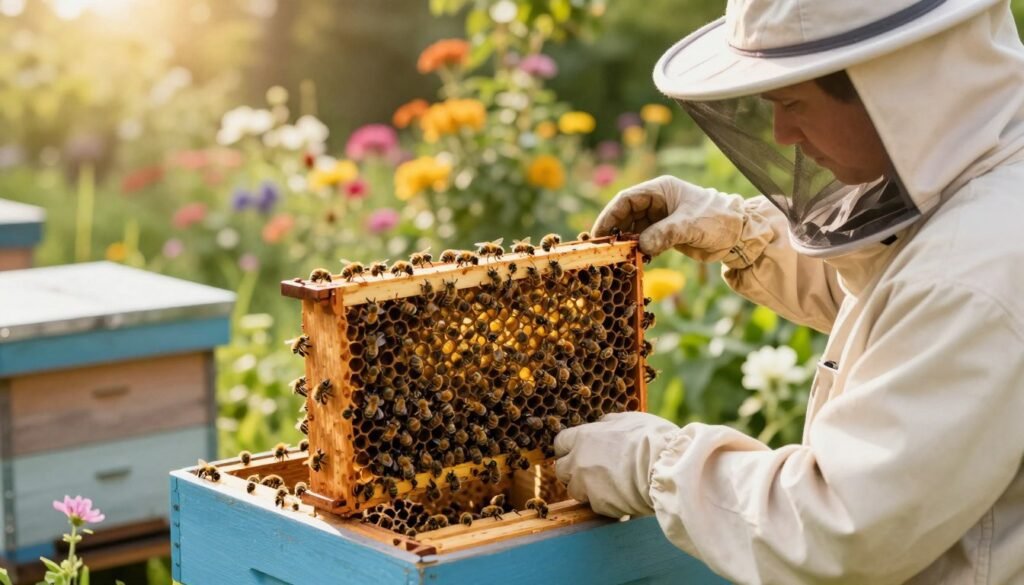
For guidance on handling introductions and hive management, see this practical hive management guide.
Working with Virgin Queens
Patience and clean comb space are the best allies when raising a virgin breeder.
Allow mating flights and minimal disturbance. A virgin queen raised inside the hive often mates with local drones and adapts to regional conditions. That local mating can improve long-term survival for your colony.
Prepare comb before she returns. Good comb gives room for brood and reduces spotty laying once she starts producing eggs. Keep inspections brief during the first week to avoid disrupting flights.
If you find a queen cell, letting it emerge naturally is the most natural requeen route. Monitor the hive for at least two weeks to confirm the virgin returns and begins regular laying.
“Record daily observations; small notes over days reveal success or problems quickly.”
| Focus | Action | Timing |
|---|---|---|
| Mating success | Limit checks; watch for eggs | 7–14 days |
| Comb condition | Ensure clean, usable comb | Before mating completes |
| Queen cell | Allow emergence or use careful introduction | Let bees decide; monitor |
| Cage option | Use a trusted cage for slow release | See best queen cages |
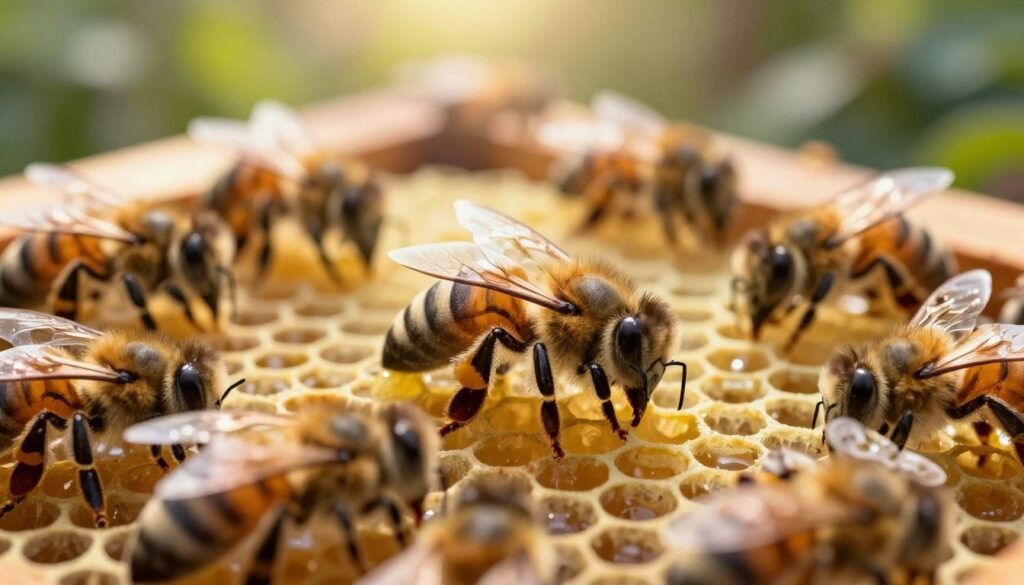
Utilizing Brood Frames from Other Hives
Moving a frame of open brood from a strong hive can jumpstart recovery in a queenless colony.
If you have multiple hives, take one frame of young larvae and nurse bees from a robust box. Choose comb that shows plenty of fresh larvae rather than capped brood.
Young larvae give workers the cells they need to build a replacement. This method supplies resources for the colony to create a queen cell and raise a new queen.
Plan on patience: the process takes about 25 days from graft stage to a laying breeder. Check calmly on scheduled days and avoid extra disturbance during that cycle.
- Select a donor hive strong enough to spare the frame without harming its brood nest.
- Ensure the frame has many small larvae; quality larvae make quality queens.
- Move the frame into the center of the queenless box where workers can access nurse bees easily.
Note: This technique reduces requeen cost and uses natural hive behavior, but it requires monitoring for swarm signals and acceptance.
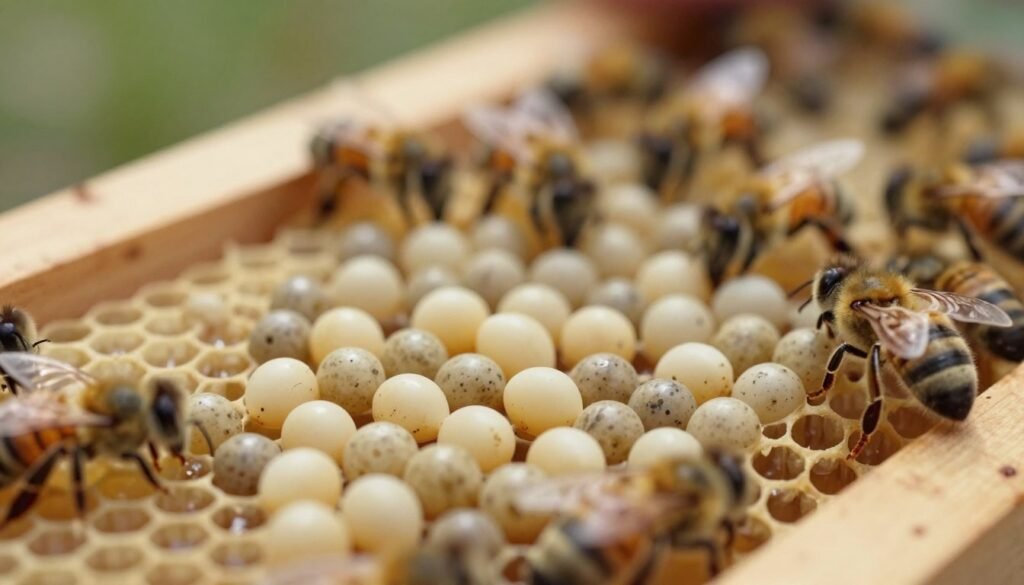
Deciding When to Combine Hives
When one colony struggles, combining with a stronger hive often saves the weaker box before winter. Combining is a practical choice when brood is sparse and the weak hive lacks enough foragers or frames to recover on its own.
Timing matters. If the failing hive shows few larvae, heavy honey in brood frames, or growing aggression, consider a combine within days rather than weeks. Check post-inspection notes from prior years to see if combining is a common need in your climate.
The Newspaper Combine Method
This method lets bees integrate slowly and cuts fighting. Place a sheet of newspaper between chambers, stack the weak box over the strong, and let workers chew through the paper over several days. The scent barrier reduces immediate clashes while guards sort roles and accept a single breeder.
Move any frames of excess honey out of brood areas so the accepted queen has room to lay. A queenless colony will often accept integration more readily when combined with a queenright hive this way.
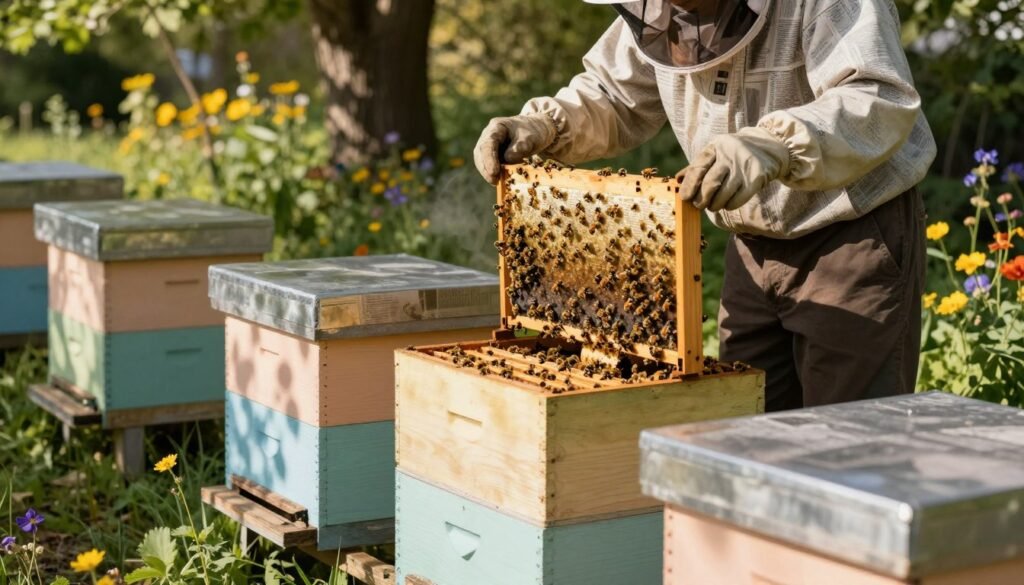
“Combining hives with care preserves brood, strengthens foraging, and reduces swarm pressure.”
- Combine when survival looks doubtful for the weak box.
- Use newspaper to slow contact and allow gradual scent blending.
- Shift honey out of brood frames before stacking to free laying cells.
- Record the combine in post-inspection notes and watch brood and behavior over the next days.
Conclusion
Patience, backed by clear records, protects a colony through uncertain days.
Give the hive time and use bee math to track when eggs should appear. Regular, calm inspections supply the evidence a beekeeper needs to decide next steps.
If brood fails to develop, consider options: requeening, adding a frame of brood, or combining with a stronger box to save resources and reduce swarm risk.
Follow season-based advice and practical timing tips from this quick guide to start here so your bees thrive through the year.
Consistent care over days and months yields steady results for queens and colony health.
FAQ
Why might a newly introduced queen not be laying eggs immediately?
After placement, a virgin or recently mated queen often takes several days to begin consistent egg production. She needs to orient, complete mating flights if she’s unmated, settle into the brood nest, and build up strength. Weather, colony size, and available drones influence timing. Inspect gently for signs of acceptance and wait at least one to two weeks before concluding there is a problem.
How long should I wait before expecting brood after installing a mated queen?
A properly mated queen normally lays within 24–72 hours. Allow one full brood cycle—about three weeks—from egg to emerging worker to confirm steady laying. If no eggs appear after 7–10 days, investigate hive conditions and queen acceptance but avoid frequent disruptive inspections.
What bee math helps me track queen activity and brood development?
Use the brood cycle timeline: eggs hatch in three days, larvae develop for six days, capped brood lasts about 12 days. Count days since introducing the queen and compare with expected stages. This lets you deduce whether eggs should be present or if the colony needs a laying queen.
How can I monitor progress without stressing the colony?
Limit inspections to once weekly early on. Look for fresh eggs, young larvae, or queen cups. Note patterns rather than removing many frames. Photograph frames to compare later. Gentle, brief checks reduce stress and lower risk of queen rejection.
Can nectar dearth or environmental factors delay egg-laying?
Yes. If forage is scarce or cold weather limits flight, workers may conserve resources and the queen may slow or pause laying. Provide sugar syrup during dearth, ensure sufficient pollen stores, and position the hive for optimal foraging to support brood rearing.
How do I tell if the queen in my hive is a virgin versus a mated queen?
A virgin queen may be small, run quickly, and seldom appear on comb laying eggs. Mated queens move steadily and leave eggs. Watch for mating signs: mating flights observed or the presence of eggs. Also check for multiple queen cells, which can indicate recent virgin activity.
What causes delays in mating flights for virgin queens?
Poor weather, lack of drone congregation areas, or a weak colony can delay or prevent successful mating. Short daylight, cold, or high winds reduce flight windows. If mating fails, the colony may rear another queen or you may need to introduce a mated queen.
What are early signs that a queen is failing?
Look for spotty brood patterns, numerous drone cells, reduced egg counts, or sudden increases in queen cells. Aggressive worker behavior toward the queen or excessive supersedure cups also signals trouble. Confirm with multiple inspections before requeening.
How does hive aggression indicate queen status?
Aggression may stem from queenlessness, disease, or genetic traits. A calm, productive hive usually has a stable laying queen. If workers become unusually defensive after introducing a queen, they might be rejecting her. Observe behavior, then check brood and queen presence.
What should I examine in the brood nest when diagnosing laying problems?
Inspect for empty cells, brood pattern uniformity, and presence of eggs or very young larvae. Also check for pest pressure like Varroa, signs of disease, and the relative amount of nurse bees present. A compact, well-filled brood nest supports steady laying.
How does backfilling with nectar affect egg-laying space?
When foragers bring lots of nectar but the queen has limited space, workers may backfill previously cleared cells, reducing room for new eggs. This can appear as reduced laying. Provide additional empty drawn comb or move honey to supers to free up brood space.
What indicates adequate pollen stores for brood rearing?
Pollen patches in frames, nurse bee activity near brood, and consistent brood expansion show sufficient pollen. If pollen is scarce, brood rearing slows. Feed pollen substitute or add frames with pollen from healthy colonies to boost nurse nutrition.
What are my options for requeening a colony with poor laying performance?
Options include introducing a mated queen in a queen cage, allowing the hive to raise an internal replacement from good brood, or performing an artificial requeen using grafted larvae. Choose based on time of season, colony strength, and availability of queens.
How should I introduce a caged mated queen?
Place the queen cage between frames in the brood nest with candy end facing out. Leave it for 3–7 days to allow workers to become accustomed to her pheromones before release. Keep inspections minimal and provide syrup if forage is poor.
What steps apply when working with virgin queens in a nuc or hive?
Keep virgin queens in a strong nucleus with ample nurse bees and drones for mating. Reduce disturbances during their mating window. If mating fails after repeated attempts, consider replacing with a proven mated queen to restore brood production.
How can brood frames from other hives help restore egg production?
Introducing frames with open brood brings nurse bees and pheromones that encourage brood care and can stabilize a weak colony. Use only healthy donor frames to avoid spreading disease. Place frames near the center of the brood nest for best effect.
When should I combine two hives, and how does the newspaper method work?
Combine when one colony lacks a laying queen or is too weak to survive solo. Use the newspaper combine: stack the weaker hive over the stronger with a sheet of newspaper between. Punch a few holes; workers chew through gradually, allowing time for acceptance and reducing fighting.
How long after combining should I expect normal egg-laying to resume?
If the stronger colony supplies a mated queen, expect normal laying within a week. If the combined unit must requeen internally, allow one full brood cycle to confirm brood pattern and population recovery. Monitor food stores and pest levels during the process.