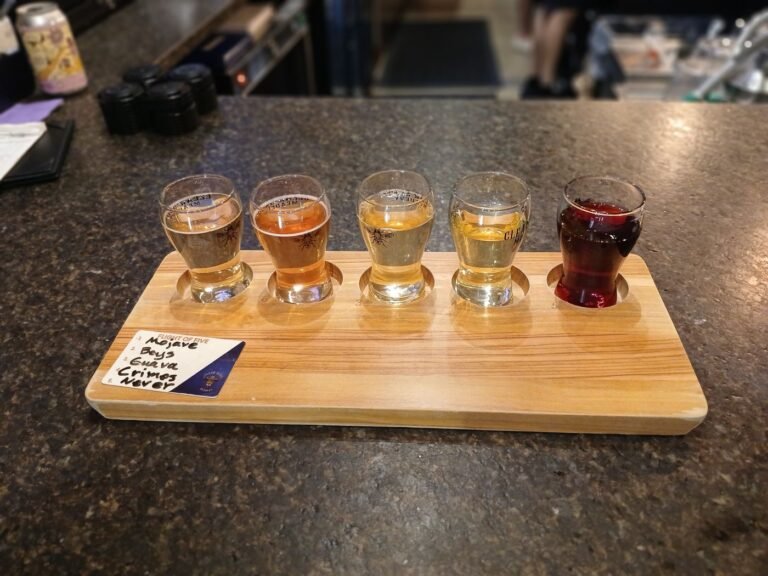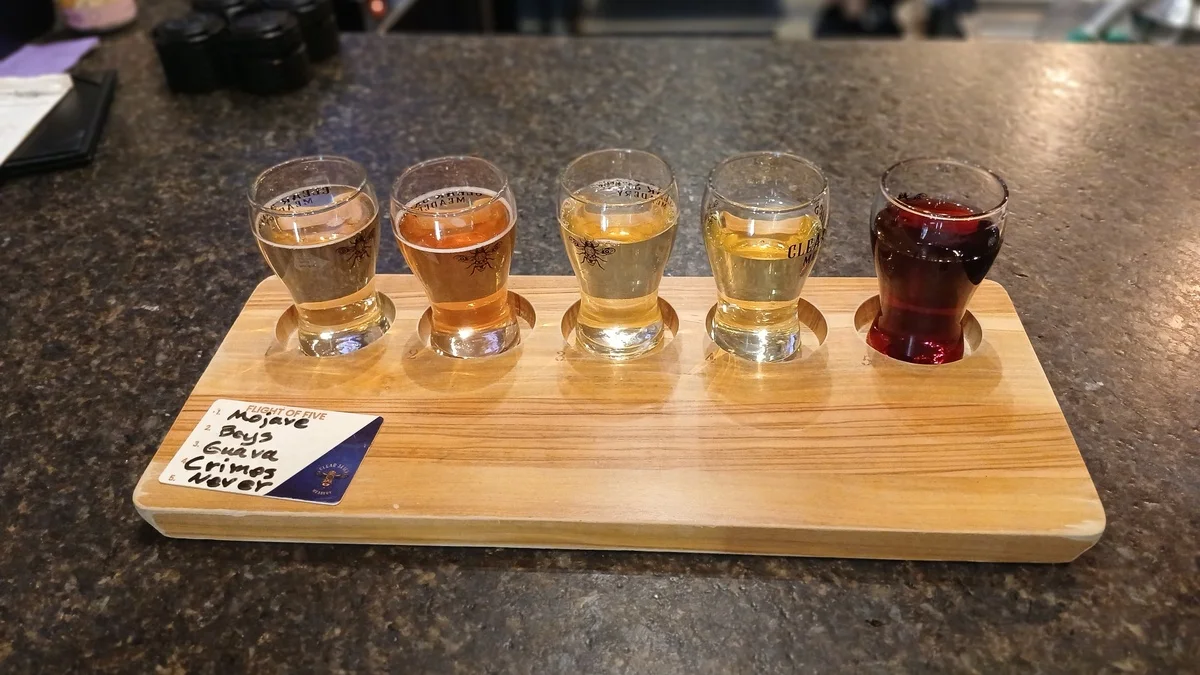
Reviewed by Elena P. · How we review
Mead is an alcoholic drink made by fermenting honey that has been diluted with water, usually with added yeast. It is often called honey wine, but it is not made from grapes, and US federal rules treat it as a wine. Mead typically runs from about 3.5% to 18% alcohol by volume (ABV), though some are stronger, and it can be dry, semi-sweet or sweet, still or sparkling.
This guide covers what mead tastes like, how the styles differ, how strong it is, what a US label means and how to store it. To make your own, see our guide to making mead from your own honey.
For adults of legal drinking age only. The US minimum purchase age is 21, which 23 U.S.C. § 158 enforces through highway funding. This page is educational information, not medical or legal advice. For help counting drinks, see NIAAA’s Rethinking Drinking.
Key Takeaways
- Mead is fermented diluted honey. The sugar comes mostly from honey, not grain or grapes.
- On a US label, “mead” and “honey wine” mean the same thing: wine made wholly from honey, according to the federal Alcohol and Tobacco Tax and Trade Bureau (TTB).
- The BJCP’s 2026 mead guidelines sort strength into three classes: hydromel (3.5 to 7.5% ABV), standard (7.5 to 14%) and sack (14 to 18%).
- By our arithmetic, a 750 mL bottle at 14.5% ABV holds about six US standard drinks.
- “Mead is always sweet” is a myth. Sweetness runs from dry to dessert-sweet.
- The popular “7000 BC Chinese mead” claim rests on a mixed rice, honey and fruit drink, not a plain honey one.
Table of Contents
- What Mead Is Made Of
- Is Mead a Wine, a Beer or Something Else?
- Mead Styles: Traditional, Melomel, Metheglin and More
- How Strong Is Mead?
- What Mead Tastes Like
- Which Honey Makes Good Mead
- How Mead Is Made, in Brief
- A Short, Sourced History
- Mead and US Law: What the Label Means
- Serving, Storing and Shelf Life
- Frequently Asked Questions
- Where to Go Next
What Mead Is Made Of
Mead needs three things: honey, water and yeast. The Beer Judge Certification Program (BJCP), whose style guidelines are used in sanctioned mead competitions, puts it this way:
“Mead is an alcoholic beverage made by fermenting diluted honey, often with other added ingredients.”
Dilution matters. According to the American Homebrewers Association (AHA), bees cut nectar’s water content from over 50% to under 20%. Mead makers put water back so yeast can use the sugar. Wild Blossom Meadery in Illinois says it thins raw honey to about 24% sugar, “the consistency of grape juice.”
The honey is the point. In mead, most of the fermentable sugar comes from honey rather than from grain or grapes, which is why the honey you start with shapes the drink.
Check the sugar source on products that only borrow the name. Wikipedia notes that some producers have sold white wine sweetened with honey after fermentation as mead, sometimes spelled “meade,” and that others ferment honey blended with refined sugar.
Is Mead a Wine, a Beer or Something Else?
It is its own category, and in US law it is a wine. The AHA says mead is generally higher in alcohol than beer, which puts it nearer grape wine, yet it can be flavored like beer with fruit, spices, grains or hops. It treats mead as its own category, like cider, sake, wine and beer.
| Drink | Main fermentable sugar | Strength benchmark |
|---|---|---|
| Mead | Honey | 3.5 to 18% in the BJCP’s strength classes |
| Grape table wine | Grapes | Up to 14% by US definition; about 12% in NIAAA’s standard-drink example |
| Regular beer | Grain | About 5% (NIAAA) |
| Sherry or port | Grapes, plus added spirit | About 17% (NIAAA) |
The wine ceiling comes from 27 CFR 4.21(a)(5), and the 12%, 5% and 17% figures from NIAAA’s standard-drink page.
Mead Styles: Traditional, Melomel, Metheglin and More
Mead names describe what was added to the honey. The BJCP’s 2026 guidelines group them into four categories: traditional, melomel (fruit), spiced and specialty. The BJCP calls these competition categories and warns against reading deeper meaning into the names.
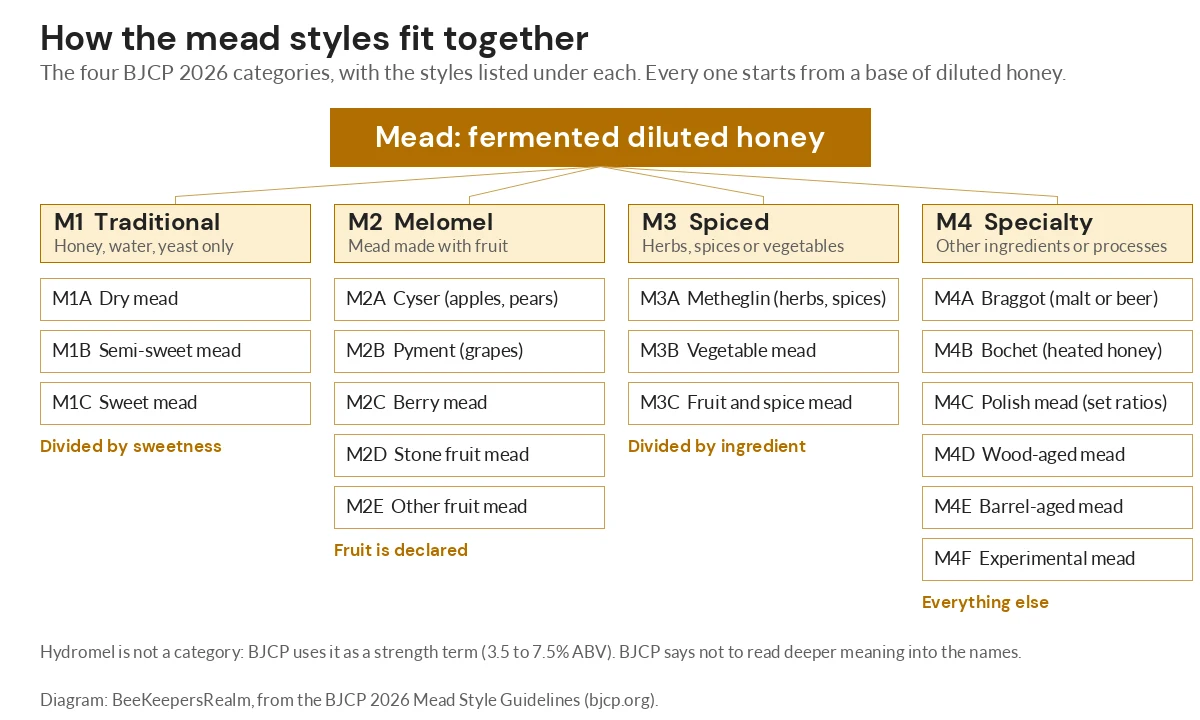
| Style | What goes in | BJCP code |
|---|---|---|
| Traditional (dry, semi-sweet, sweet) | Honey, water and yeast only | M1 |
| Cyser | Apples, or other pome fruit such as pears | M2A |
| Pyment | Wine or table grapes | M2B |
| Melomel | Fruit; the BJCP lists berry, stone fruit and other fruit versions | M2 |
| Metheglin | Culinary herbs or spices, no vegetables | M3A |
| Braggot | Malt or beer, still recognizable as mead | M4A |
| Bochet | Heated or caramelized honey | M4B |
| Polish mead | Fixed honey-to-water ratios, from 1:3 to 1:0.5 | M4C |
Traditional mead is split by sweetness, measured as final gravity (FG), a hydrometer reading of the sugar left after fermentation. The BJCP’s ranges are dry at 0.990 to 1.010, semi-sweet at 1.010 to 1.025 and sweet at 1.025 to 1.050. Outside the BJCP list you will also meet acerglyn, a honey and maple syrup mead. For seasonal recipes in several styles, see our mead recipes by season.
How Strong Is Mead?
The BJCP uses three strength classes: hydromel (3.5 to 7.5% ABV), standard (7.5 to 14%) and sack (14 to 18%). It likens standard mead to table wine, with a slight warmth but no burn.
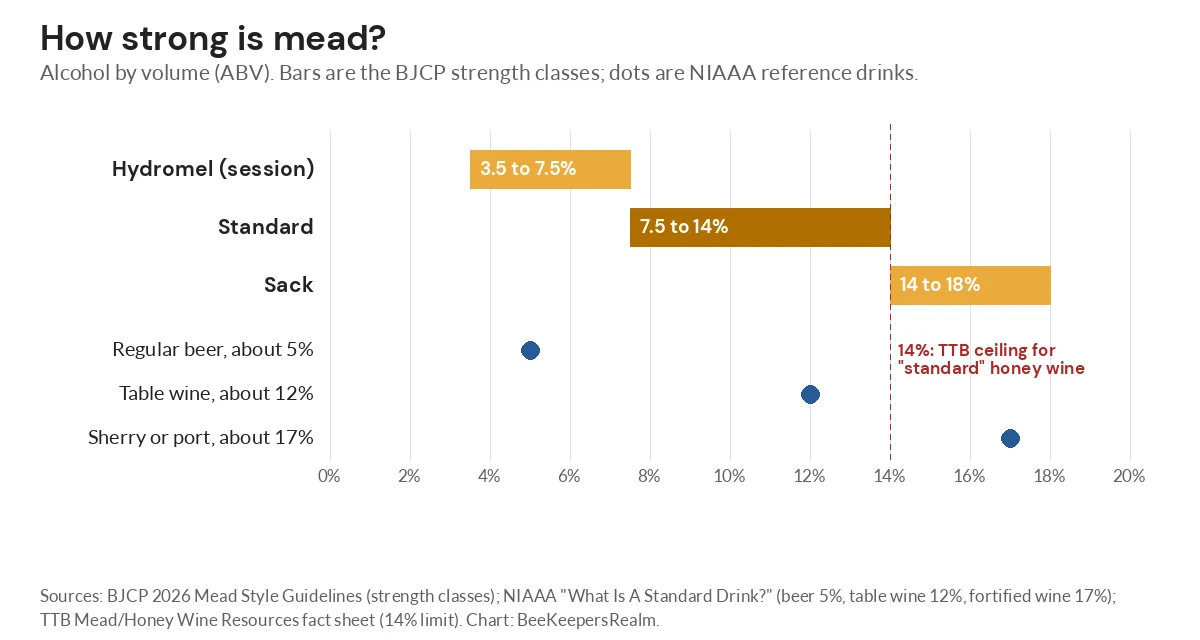
Many bottles sit in the upper middle. Superstition Meadery in Arizona keeps most of its meads at 13 to 15% and suggests serving them in 5 to 6 ounce pours, as you would wine. NIAAA defines one US standard drink as about 14 grams, or 0.6 fluid ounces, of pure alcohol, so the pour size matters as much as the label. The table below is our own arithmetic from that definition.
| Strength class (BJCP) | ABV | Standard drinks in a 5 fl oz pour | In a 3 fl oz sipping pour |
|---|---|---|---|
| Hydromel | 3.5 to 7.5% | 0.3 to 0.6 | 0.2 to 0.4 |
| Standard | 7.5 to 14% | 0.6 to 1.2 | 0.4 to 0.7 |
| Sack | 14 to 18% | 1.2 to 1.5 | 0.7 to 0.9 |
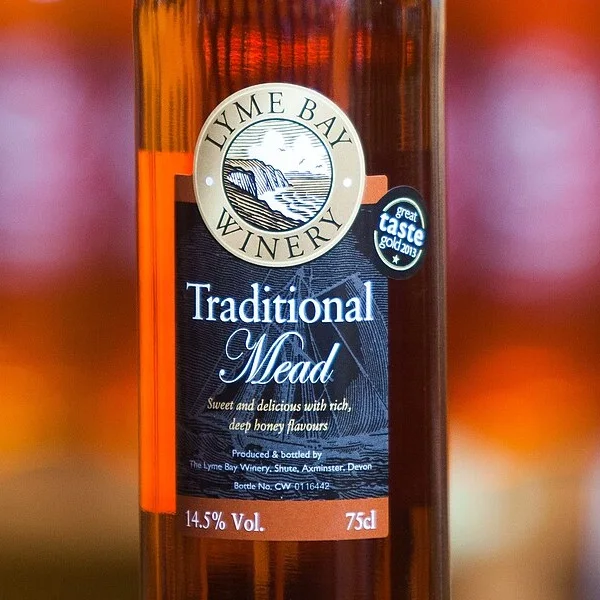
A full 750 mL bottle at 14.5% ABV, the strength on the label below, holds about 3.7 fluid ounces of pure alcohol, or roughly six standard drinks. NIAAA’s example of one standard drink of fortified wine, about 17% ABV, is only 3 to 4 ounces.
What Mead Tastes Like
Mead tastes of honey, but not like honey straight from the jar. The BJCP says mead should not taste like a cocktail made with raw, unfermented honey, and that honey varieties can add floral, fruity, spicy or earthy notes. Superstition Meadery makes the same point more bluntly: honey is much sweeter than any mead.
Sweetness is a choice the maker makes. The BJCP describes dry mead with a finish like a dry white wine, and sweet mead with dessert-wine levels of sugar that must not be syrupy or cloying. Acidity does the balancing, and fruit, spice or oak change the picture further. Hive Mind Mead, a UK producer, says a well-made traditional mead should be honey-forward without being sticky and warming but clean on the finish.
Which Honey Makes Good Mead
Any honey you enjoy raw is worth trying, says the AHA, which also advises avoiding mass-produced honey that was heat-treated and heavily filtered because it can dull flavor and aroma. Wildflower simply means the bees visited many kinds of flowers. Single-source honeys give a more recognizable character, for example orange blossom or bold, dark buckwheat. The BJCP adds that a subtle honey is not worse than an expressive one.
How Mead Is Made, in Brief
A maker blends honey with water or juice, adds yeast and nutrients, and lets fermentation convert sugar to alcohol and carbon dioxide. Producers vary. Superstition ferments at about 75°F, racks the mead off the settled yeast, clarifies it with bentonite clay and filters it before bottling. Wild Blossom describes about four weeks in the first tank and, for fruit meads, about four more on the fruit in a second tank. Wikipedia summarizes primary fermentation as usually 28 to 56 days, followed by 6 to 9 months of aging.
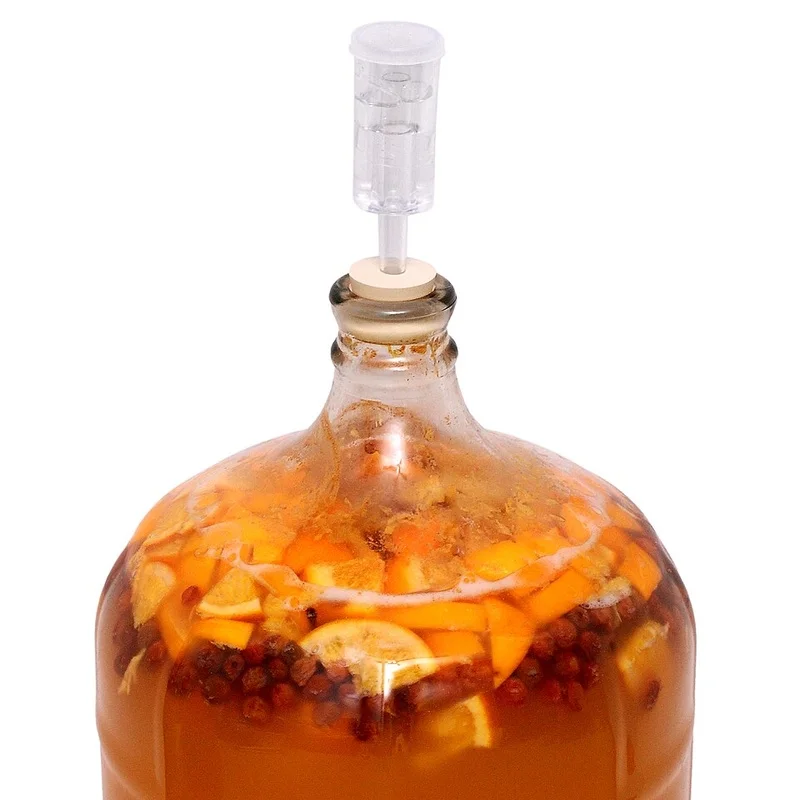
For a home version, start with our full mead-making guide and the equipment checklist; fermentation timing has its own page.
A Short, Sourced History
Many pages say mead goes back to 7000 BC in China. The study behind that claim, McGovern and colleagues in PNAS (2004), analyzed residues in pottery from the Jiahu site in Henan Province. It found a mixed fermented drink of rice, honey and fruit, made around the seventh millennium BC. That is early evidence of fermented honey, not of plain mead, and Wikipedia calls mead only “possibly the most ancient alcoholic drink.”
The written record is clearer. Wikipedia quotes the Roman writer Columella, around 60 CE, mixing a sextarius of water with a pound of honey and leaving it in the sun for 40 days. Wikipedia also records mead in the Old English poem Beowulf and in medieval Ireland.
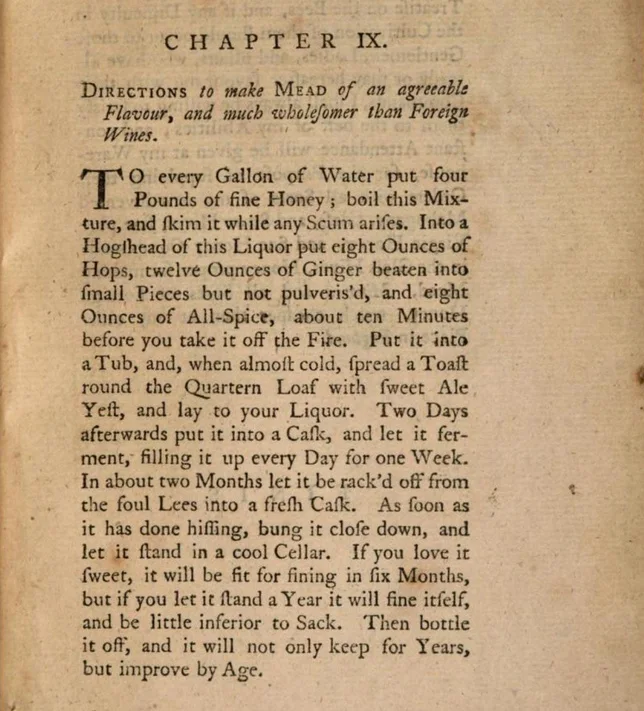
Later, cheaper sources of sugar pushed mead aside. Wikipedia says taxation and ingredient rules left commercial mead obscure until recently, and our look at how sugar replaced honey covers that shift. Some regions never dropped it, such as Ethiopia’s honey wine, tej.
Today the US has a growing but smaller scene than older figures suggest. The independent Meadery Map counted 310 trading US meaderies across 49 states on September 19, 2026, after finding 70 more listings permanently closed. Treat that as one method’s count, not an official total.
Mead and US Law: What the Label Means
TTB regulates mead as wine. Its Mead/Honey Wine fact sheet defines the terms like this:
“Under TTB regulations, the terms “mead” and “honey wine” generally refer to wine derived wholly from honey, without added colors or flavors (other than hops).”
The label rules come from 27 CFR 4.21(f), which says honey wine must come wholly from honey except for sugar, water or added alcohol. TTB lets producers write “mead” instead of “honey wine.” The fact sheet adds three points:
- “Standard” honey wine may not exceed 14% ABV or contain added coloring or flavoring other than hops.
- A wine made from honey that does not meet the mead definition counts as an “other than standard” or specialty wine and is labeled with a statement of composition.
- TTB labeling rules cover mead at 7% ABV or more, FDA rules cover mead below 7%, and a health warning statement is required on all mead labels.
Making it at home is a separate question; see whether homemade mead is legal. Selling it needs a winery permit, explained in our meadery licensing guide.
Serving, Storing and Shelf Life
Superstition serves most meads at white-wine temperature, 49 to 55°F, and notes that a glass deepens in aroma as it warms. Hive Mind suggests cool or lightly chilled, about 20 to 30 minutes in the fridge, and warns that ice-cold dulls the honey. It pours its 14.5% mead in 75 ml (about 2.5 US fluid ounce) servings, port-style.
Superstition’s storage advice is simple. Keep unopened bottles somewhere cool and out of direct sunlight, and lay corked bottles on their sides if you will age them for more than a few weeks. Once opened, refrigerate; its rule of thumb is to finish a bottle within two weeks, with traditional and higher-ABV meads holding up longer than fruity or lower-ABV ones. These are one producer’s guidelines, so follow your label. For food ideas, our honey and cheese pairing guide includes mead.
Frequently Asked Questions
Is mead a wine or a beer?
Neither exactly. It is fermented honey, and US federal law classes it as a wine made wholly from honey.
Is mead always sweet?
No. The BJCP recognizes dry, semi-sweet and sweet versions, and the maker controls how much sugar is left.
Can mead get you drunk?
Yes. It is alcoholic, and at 14.5% ABV a full 750 mL bottle holds about six standard drinks. Mead is not the strongest drink either: NIAAA lists distilled spirits at about 40%.
Is mead gluten-free?
Honey itself contains no gluten, says Superstition Meadery, which cautions that mead aged in beer barrels may carry traces. Braggot is made with malt or beer, so check the label, or ask the producer if you avoid gluten for medical reasons.
Does mead need to be refrigerated?
Unopened bottles keep cool and dark, like wine. After opening, one meadery recommends refrigeration and finishing the bottle within about two weeks.
Why don’t people drink mead as often as wine or beer?
According to Wikipedia, cheaper fermentable sugars, taxes and rules on ingredients displaced it for centuries. Craft meaderies have revived it.
Is mead good for you?
None of the sources we reviewed supports a health claim for mead. It is an alcoholic drink, and TTB requires a health warning on every label. NIAAA’s Rethinking Drinking explains how to count drinks.
Is mead really the oldest alcoholic drink?
It might be, but that is unproven. The oldest evidence from China is a mixed rice, honey and fruit drink, so no one can say plain mead came first.
Where to Go Next
If you want to try mead, start with a small pour of a dry or semi-sweet traditional style and read the ABV on the label. If you keep bees, making a batch from your own honey is the logical next step.
Image credits: Featured photo: Ser Amantio di Nicolao, via Wikimedia Commons, CC BY-SA 4.0, cropped. Other photos are credited in their captions; charts are by BeeKeepersRealm.