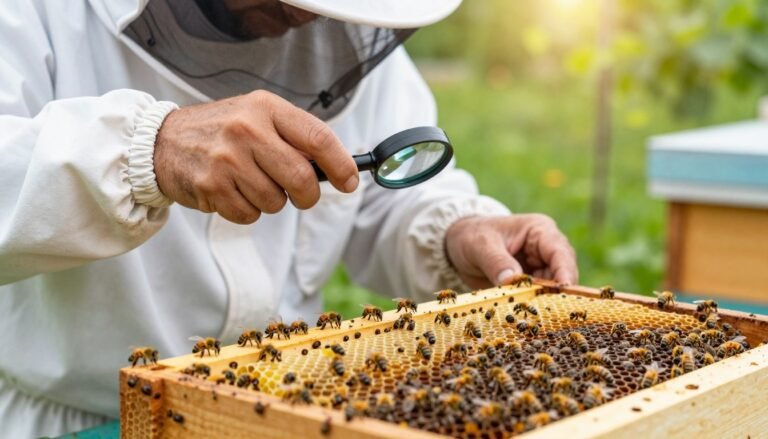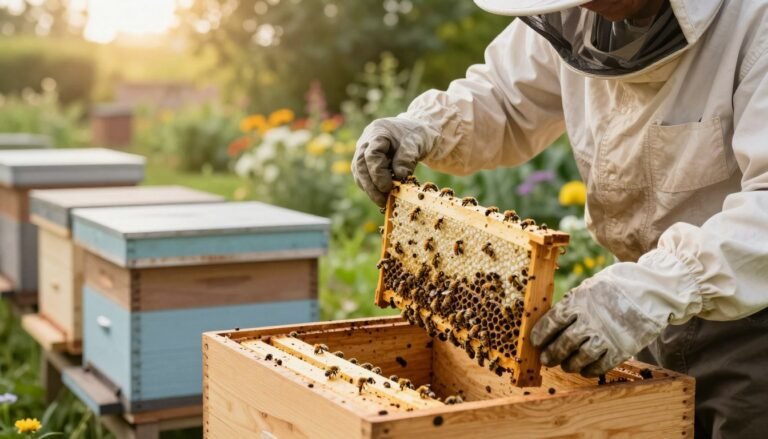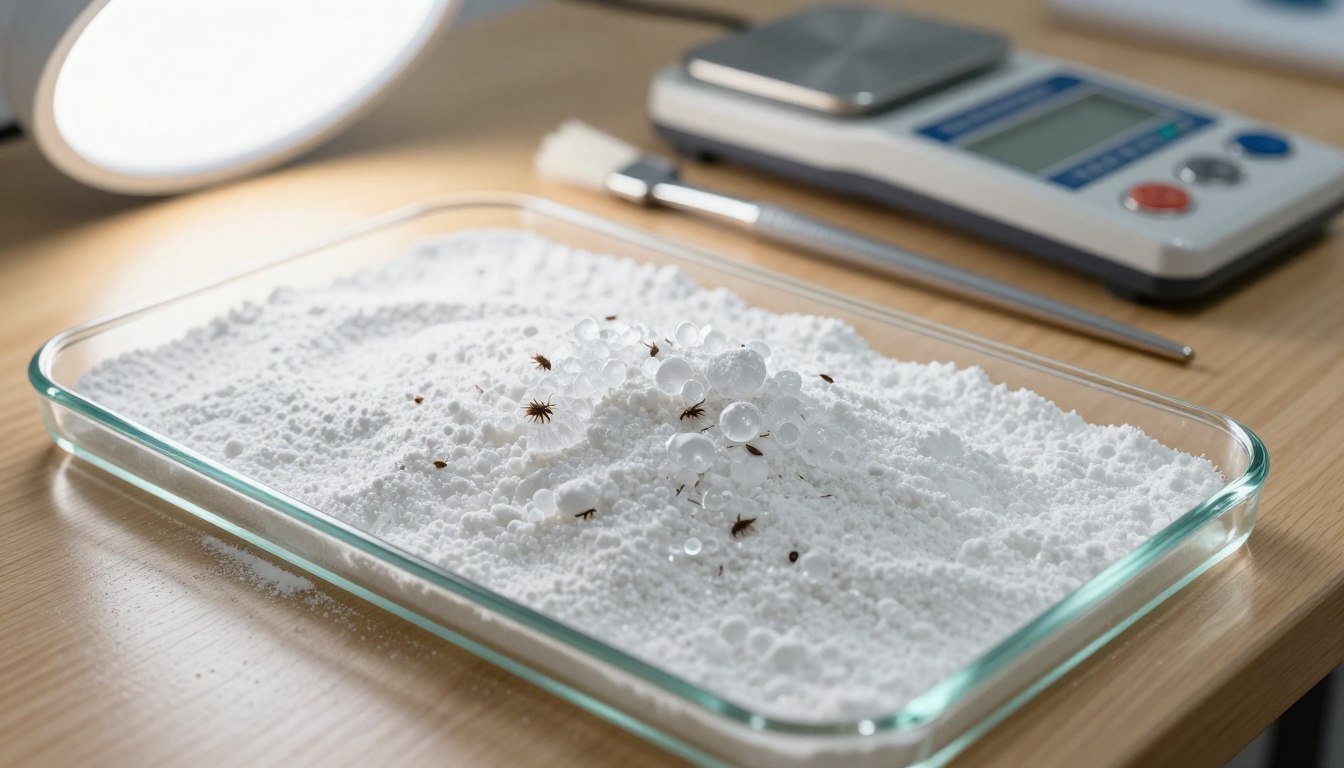
Maintaining a healthy hive starts with clear monitoring. Understanding how varroa impact a colony helps beekeepers plan winter care and limit infestation. The sugar roll test is a practical field method that reveals current mite levels without killing adult bees.
Randy Oliver has led field studies that examine whether a small amount of dry dust can prompt a useful mite drop while leaving bees unharmed. His work shows the technique can give a quick snapshot of colony load and often correlates with broader infestation estimates. Practical notes include dry conditions and sampling an adequate bee subset.
This guide outlines a professional approach to the sugar shake method. You will learn how to get consistent results, interpret counts, and decide when to use complementary tests like an alcohol wash. For deeper analysis, see Randy Oliver’s field review and a comparison of the sugar roll and alcohol wash at Beekeepers Realm.
Key Takeaways
- Quick monitoring: The sugar roll is a fast, non-lethal test to gauge mite infestation.
- Interpret results: Counts offer a proxy for colony level but may undercount in some conditions.
- Use dry conditions: Moisture reduces extraction, so sample on dry days.
- Complement tests: Combine with other methods when precise thresholds guide treatment.
- Routine checks: Regular monitoring helps protect hives through winter and beyond.
Understanding the Role of Varroa Mites in Hive Health
These parasitic mites reproduce inside brood cells and can double their numbers in about 30 days. That rapid growth makes them the top biological threat to a healthy honey bee population.
How they harm colonies: Varroa live and breed within the brood chamber, weakening developing bees and spreading viruses. Heavy infestations can reduce longevity and queen performance.
Unchecked, severe infestation levels may collapse entire hives within months. Research shows honey bees burdened by high varroa loads often fail to make it through winter.
Regular monitoring is essential. Routine checks keep mite populations below critical thresholds and guide treatment timing.
- Know the mite life cycle to protect brood and emerging workers.
- Sample often during active seasons and before winter.
- Use validated tests and compare results with post-treatment counts — see a practical monitoring method at monitoring method and guidance on post‑treatment counts.
Essential Supplies for Your Sugar Roll Kit
Preparing a standardized kit helps beekeepers collect uniform samples every time. A compact set keeps testing quick at the hive and protects the queen and frames during collection.

The Sugar Shake Jar
Build a reliable jar using a wide‑mouthed quart jar fitted with an 8‑inch piece of hardware cloth as a screen. A mesh lid strains the mites from the bee sample and speeds counting.
Measuring and Sifting Tools
Use a half‑cup measuring scoop to capture an even bees sample—about 300 individuals is the typical number for a valid test.
- Keep a plastic tub to gently knock bees from frames without harming the hive.
- Carry a small container of water to catch and view any detached mites after shaking.
- Store your sugar dry in a sealed container so each test performs the same.
Tip: If you want a comparative method, try an alcohol wash to validate counts and improve treatment decisions.
Achieving Powdered Sugar Roll Accuracy for Mites
Getting a reliable mite count depends on consistent technique and careful handling of the bees sample.
Dr. Kamran Fakhimzadeh found that fine dust of the right size sticks to mite footpads and makes them lose their grip.
When done correctly, the test can give accurate results in about ten minutes. Coat the bee sample evenly so the sugar reaches every insect. Uneven coverage lowers the mite drop and skews the level you record.
Place a board under the screened bottom of the colony to watch natural drops. This also helps when you compare jar counts to bottom counts after a shake.
“The sugar makes mites lose their grip, which is the fundamental principle behind this non-lethal monitoring method.”
Use the technique as a treatment assessment tool. After shaking the jar and counting the fall, beekeepers can answer the key question: is the current management keeping the mite load below action thresholds?
For a detailed field review of dust methods and related guidance, see a comprehensive powdered sugar dusting review.
Step by Step Guide to Performing the Sugar Shake Test
A methodical approach makes collecting and testing a bees sample quick and repeatable.

Collecting the bee sample: Target about 300 worker bees. Scoop a half‑cup from two central brood frames where nurse bees concentrate. Work gently to avoid the queen and return frames promptly.
Coating and shaking
Add a small amount of powdered sugar through the mesh lid to coat the bees evenly. Vigorously shake the jar for one full minute so the sugar makes mites detach from the bees.
Let the jar rest for two minutes. This pause helps the mite drop complete before you open the screen.
Counting the mites
Pour the jar contents into a tub of water. The mites float and are easier to see. Count the total number and record the number next to the bee sample size to calculate percent infestation.
After counting, return the bees to the colony. The hive will groom and clean the sample.
“Consistent technique and calm handling give the most useful counts for management.”
| Step | Action | Timing |
|---|---|---|
| Sample | Scoop ~300 bees from central brood frames | 1–2 minutes |
| Coat | Add a small amount of powdered sugar through mesh | 30 seconds |
| Shake | Vigorous shaking to dislodge mites | 1 minute |
| Settle & Count | Pour into water and count floating mites | 2–3 minutes |
Official sugar shake protocol and a practical treatment options comparison can help refine timing and follow-up decisions.
Interpreting Your Mite Load Data
Knowing what a percent infestation means lets you act before colonies weaken. Any mite load above the 2–3% threshold signals the need for treatment to protect brood and the hive.
How to calculate mite load: Divide the number of mites counted by 300, then multiply by 100 to get a percent infestation. This gives a clear, comparable result across hives.
Track these levels over time. Regular checks help beekeepers spot trends and evaluate whether interventions lower parasite pressure.
- Consistent counts: A steady mite drop provides a clearer picture than a single test.
- High numbers: If you record a high mite infestation, consult local experts to choose safe treatment for your bees.
- Decision point: Use the percent to judge if the infestation is manageable or threatens brood and colony survival.
Quick note: Combine this data with hive signs and brood condition when planning next steps. Solid interpretation turns a simple test into practical hive protection.
Limitations of the Sugar Roll Method
Sampling can miss pockets of infestation, so counts from a single jar may underrepresent true pressure.
Statistical Variability in Sampling
One test is a snapshot. In a five-frame colony you might see as many as 200 mites fall within the first 30 seconds. That quick drop shows how clustered populations can be.
Still, some mites cling to bees or hide in brood cells and escape the jar. Environmental factors change results between visits.

- Humidity can reduce how well powdered sugar coats the bees, lowering the mite drop.
- A screened bottom board helps record natural fall, but wind and debris affect counts.
- After testing, the rest of the colony grooms the sample and the bees get cleaned quickly.
“Treat a sugar shake as one piece of evidence. Combine repeated tests and hive signs before acting.”
In practice, repeat tests and compare jar counts with bottom observations to make reliable management choices before winter.
Integrating Sugar Dusting with Other Management Techniques
A combined program of drone trapping and light dusting gives beekeepers a practical edge in lowering mite pressure.
Remove a drone frame every four weeks and replace it with a clean frame. This targets brood stages where varroa reproduce and removes many reproductive sites.
Apply a gentle dust treatment on the colony at the same interval. Dusting hits phoretic mites on adult bees and increases the observable mite drop after trapping frames are removed.
Why combine methods: The two tactics act on different life stages. That reduces the overall reproductive success of the parasite and helps keep colony levels lower through the season.
Consistent scheduling is crucial. Without repeated cycles, numbers can rebound after initial reductions. Use counts to time follow-up actions.
| Method | Target | Interval | Effectiveness |
|---|---|---|---|
| Drone frame removal | Brood | Every 4 weeks | Reduces reproductive pockets |
| Light dust application | Adult bees | Every 4 weeks | Increases mite drop |
| Combined approach | Brood + phoretic | Coordinated schedule | Greater season-long control |
“Dusting alone may not decimate a population, but it acts as a valuable accelerator when paired with brood management.”
Seasonal Considerations for Testing
Spring is the moment to begin routine checks that track colony rebound and catch rising parasite pressure early.

Spring Rebuilding Phase
Start in early spring. Run a sugar shake test as the hive expands. Sample nurse bees from central frames where brood care is active.
Monthly checks during the active season let you spot trends. Record the number and calculate a percent to judge the mite load.
Late Summer Pre-Winter Checks
Late summer testing is critical. Treat high levels before winter so weakened colonies survive cold months.
On August 12, 2023, Lewis Cauble gave a public demo of the sugar roll method to show local beekeepers how routine monitoring protects hives.
- Tip: Focus samples on nurse bees for a reliable bees sample.
- Frequency: Test each hive once a month in the season and again in late summer.
| Season | Primary Goal | Action |
|---|---|---|
| Spring | Rebuild colony strength | Monthly sugar shake, sample central frames |
| Summer | Monitor rising levels | Increase testing if infestation rises |
| Late Summer | Pre‑winter treatment | Final mite load check and follow-up treatment |
Helpful resources: Consult a detailed monitoring guide and explore natural remedies when planning follow-up care.
Conclusion
Mastering a repeatable sugar shake makes monitoring mite pressure quick and practical for every apiary.
Regular testing gives beekeepers clear, data-driven guidance. Track counts and trends so you act early and protect your bees through the season.
The sugar roll and sugar shake are valuable, non-lethal tools in integrated beekeeping. Use them with other tactics to reduce the overall mite load and observe any immediate mite drop after testing.
Keep learning: review a detailed field review and refine technique so your colonies stay healthy and productive.
FAQ
What does "Powdered Sugar Roll Precision in Mite Reduction" mean?
It refers to how reliably a sugar-based jar test identifies varroa levels in a colony. The method estimates mite load by dislodging mites from bees so beekeepers can decide if treatment is needed. Precision depends on sample size, jar design, and operator technique.
Why are Varroa destructor and related mites critical to hive health?
Varroa mites weaken bees by feeding on hemolymph and spreading viruses. High infestations reduce brood survival, foraging efficiency, and winter hardiness. Early detection helps protect frames of brood and prevents colony collapse.
What supplies do I need for a reliable jar test?
Basic items include a sampling cup, a mesh lid or screen, a permeable container like a mason jar with a fitted screen, and a fine sifting tool to separate debris. Also bring a notebook or app to record counts and hive details.
Is the sugar shake jar different from other containers?
Yes. A jar with a tight-fitting screen and enough volume to agitate bees without compacting them gives better results. Commercial jars from beekeeping suppliers work well and reduce handling stress on bees.
How should I collect the bee sample for the test?
Collect about 300 nurse bees from frames near brood, not foragers. Use a brush or scoop to transfer bees into the jar quickly and calmly. Avoid sampling on very cold days to prevent harm to the colony.
How do I coat and agitate the bees correctly?
Add a measured amount of fine white dust, close the jar with the screen, and shake gently for about one minute. The motion should free mites without injuring bees. After shaking, tap the jar to settle bees before removing them.
How do I count the mites after the test?
Empty contents through the screen onto a white tray or cup and count mites by eye or with a magnifier. Record the number, then return the live bees to the hive. Calculate percent infestation by dividing mite count by the sample size.
How do I interpret mite load results?
Compare counts to established thresholds: low, moderate, and high. Thresholds vary by season and management goals. For example, higher tolerance in spring, lower tolerance before winter. Use results to guide treatments or additional monitoring.
What are the main limitations of this method?
The test samples a subset of bees and can under- or overestimate true colony levels. Operator variability, jar design, and bee type all affect results. It does not detect mites inside capped brood, which may hide total infestation.
How much does sampling variability affect results?
Statistical variability matters. Small samples produce noisy estimates. Repeating the test across multiple hives or taking several samples per hive reduces uncertainty and gives a clearer picture of infestation trends.
Can I combine this dusting method with other control options?
Yes. Use it alongside integrated pest management: screen bottom boards, drone brood removal, and approved chemical controls when needed. Monitoring guides timing so treatments are applied only when justified.
When are the best times of year to test colonies?
Test in early spring as colonies rebuild and again in late summer before winter preparations. Seasonal checks catch population increases and help plan interventions to protect overwintering bees.
How should tests differ during spring rebuilding vs late summer checks?
In spring, accept slightly higher counts while brood re-establishes but monitor trends closely. In late summer, target lower thresholds to reduce winter mite carryover and protect long-term colony survival.