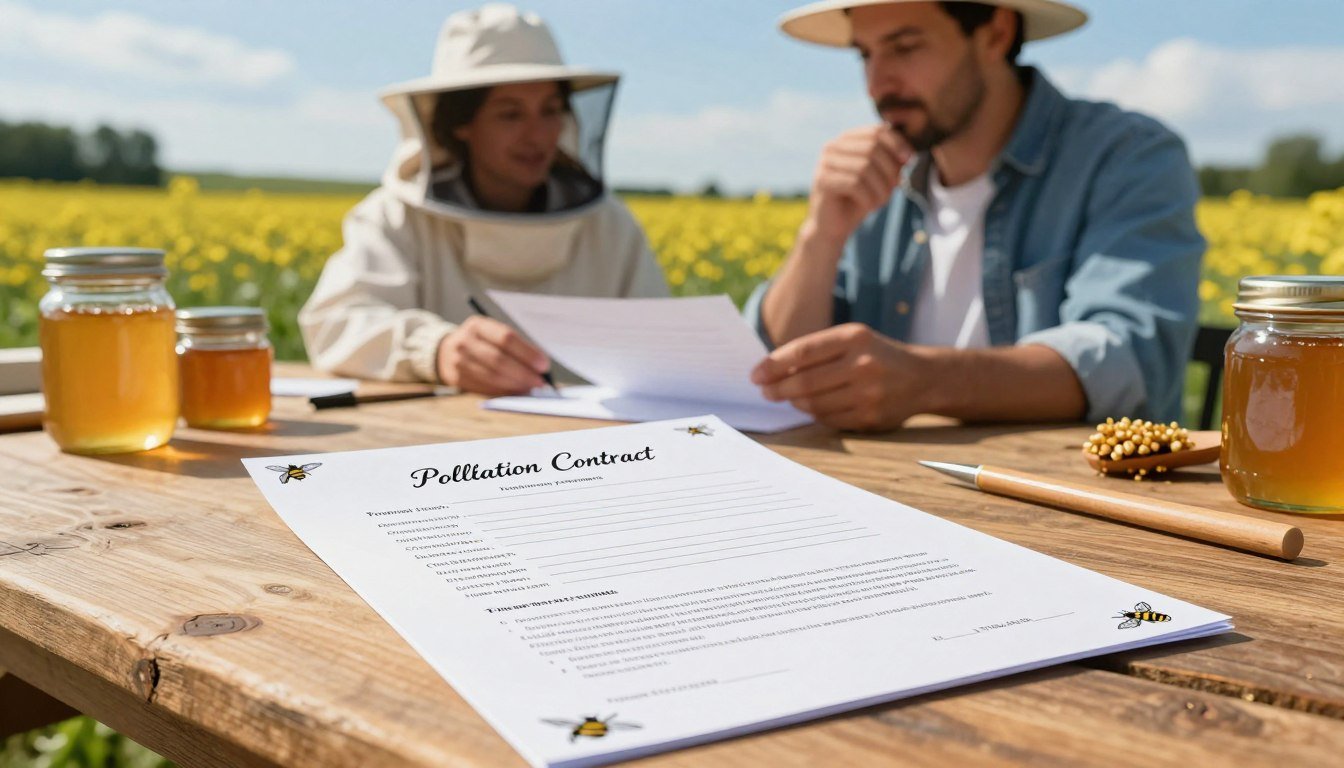
A clear written agreement keeps a grower and a beekeeper aligned through the season. The Mid-Atlantic Apicultural Research & Extension Consortium (MAAREC) published Publication 5.4 in February 2000 to standardize these arrangements.
That sample lays out term dates, hive counts, delivery and removal timing, and responsibilities on each side. Universities like the University of Delaware and The Pennsylvania State University back these resources to help the industry.
Using a professional contract reduces risk. It defines who supplies bees, where hives go, access rules, pesticide handling, and payment terms. This protects both the grower beekeeper partnership and the crop.
For a ready reference, consult the MAAREC sample agreement and a practical guide to renting services. These links walk through key clauses and logistics to secure healthy colonies and timely service.
Key Takeaways
- Signed written agreements set clear expectations and reduce disputes.
- MAAREC Publication 5.4 provides a trusted sample to follow. Sample agreement
- Agreements cover hive counts, delivery dates, and grower responsibilities for site access.
- Pesticide rules and colony strength checks protect bees and crops.
- Practical rental guidance helps plan moves and payments. Renting bees guide
Why You Need a Pollination Contract Template for Beekeepers
Using a standardized form helps a beekeeper and a grower plan delivery windows and site rules before bees arrive.
MAAREC Publication 5.4 offers a proven baseline that many producers rely on to set term dates, hive counts, and responsibilities.
The University of Maryland and Rutgers University join other land-grant schools in recommending written agreements to reduce disputes. A clear document helps the beekeeper manage colony numbers and service levels.
For the grower, the agreement explains hive placement, access needs, and the season schedule. That clarity improves crop outcomes and avoids last-minute changes.
“Standardized agreements protect both parties and improve the quality of services.”
Use a formal agreement to protect liability and confirm payment and delivery expectations. For a practical guide and sample language, see this resource on pollination arrangements: pollination agreements.
Essential Components of a Professional Pollination Agreement
A precise service agreement sets minimum frames of brood, arrival and pickup dates, and the rate per hive. This section lists the items both parties must record so the season runs smoothly.
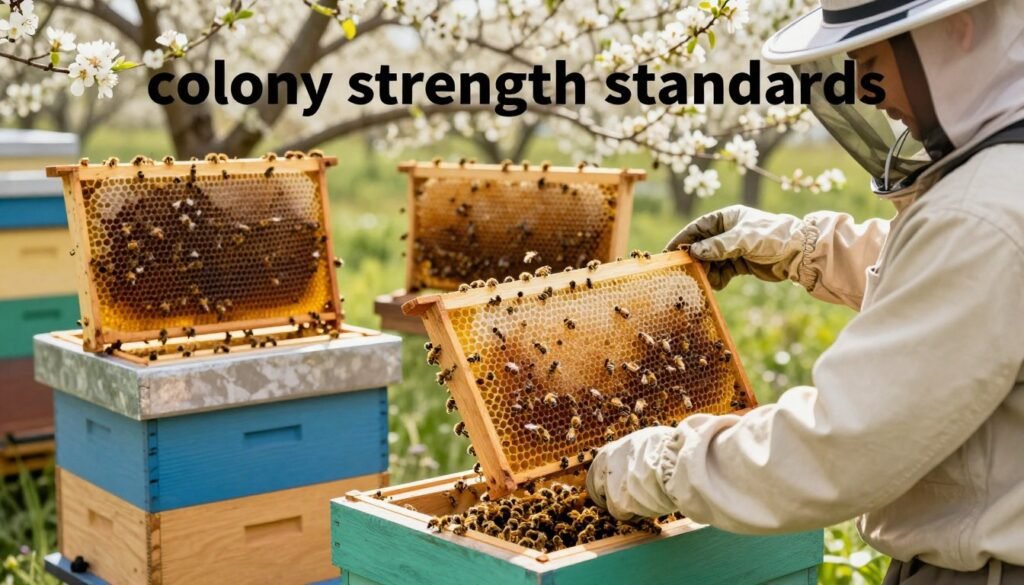
Defining Colony Strength Standards
Beekeeper shall supply disease-free colonies with a laying queen and a set number of frames of brood and adult bees. During any inspection the beekeeper agrees to demonstrate colony strength to the grower.
Establishing Delivery and Removal Timelines
The agreement must state the date of delivery and the date of removal so the bees are present at peak bloom. It should also specify the number of days after written notice the beekeeper must arrive and the hours for loading and pickup.
Setting Payment Terms and Rates
Grower shall pay a set amount per hive, with the payment schedule tied to delivery and removal dates. Both parties must include name, address, and phone number to avoid confusion.
- The beekeeper shall maintain colonies and supply honey or feed as needed.
- The grower agrees to provide an accessible location or orchard access for service vehicles.
- Record the number, date, location, and price per hive in writing to protect both parties.
For examples and guidance, review new contract strategies and tips on apiary productivity.
Protecting Your Colonies and Business Interests
Practical rules on watering, notification, and hive damage make liability and loss manageable for both parties. These clauses keep expectations clear and speed responses when a hazardous application or accident threatens colonies.
Managing Pesticide Exposure and Liability
The grower agrees to give the beekeeper 48 hours’ notice if hazardous materials need to be applied to the crop. This notice lets the beekeeper move hives or take protective steps to reduce loss.
Definition of loss: the parties agree that loss of a colony equals death of 50% or more of adult bees in a hive. That threshold triggers compensation and any agreed per hive remedies.
Mutual Duties and Practical Measures
- Beekeeper shall maintain colonies in healthy condition and document hive counts and queen status.
- Grower shall avoid toxic pesticides during active service periods and provide clear access to the address and phone contact.
- The grower agrees to provide water if no source exists within 1/2 mile of any colony location.
- The grower assumes full responsibility for damage to hives caused by vehicles or equipment on the property and covers cost to move or repair hives as needed.
- If hazardous application occurs, the grower agrees to cover additional moves per hive and any associated cost to protect bees.
“Clear notification and water access are simple steps that reduce loss and protect income.”
For practical sample clauses and guidance on securing pollinator health and crop protection, see this stewardship guide and a sustainable apiary plan: pollinator health guidance and sustainable apiary plan.
Conclusion
Putting service terms on paper gives growers and beekeepers a dependable roadmap for the season.
A well-structured agreement protects both the beekeeper and the grower by spelling out responsibilities, timelines, and payment. Clear definitions of colony strength and inspection rules reduce disputes and help protect bees.
Both parties gain legal clarity and operational certainty. Adopt industry-standard language and consider the data-backed practices detailed in this brief reference: formal agreement trends and standards.
Implementing these guidelines helps maintain a professional, productive partnership across the season and protects your investment in healthy colonies.