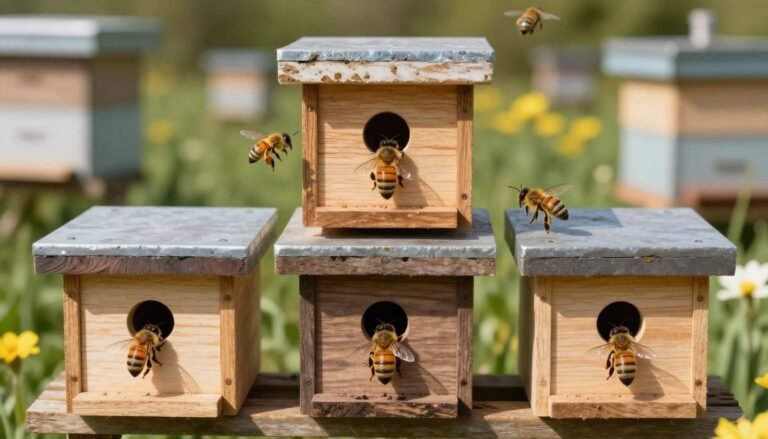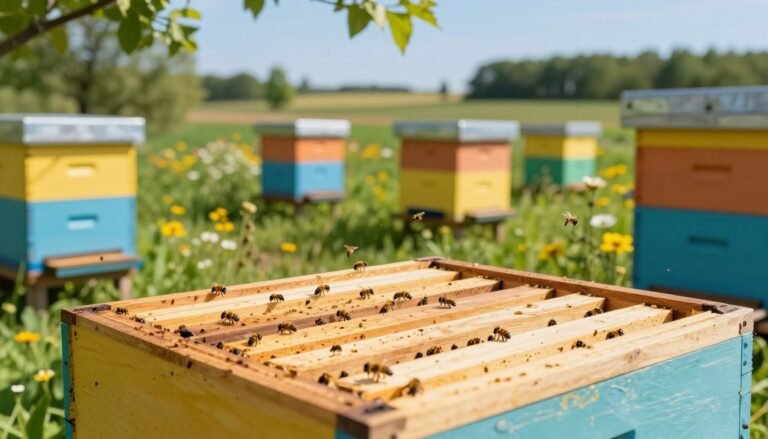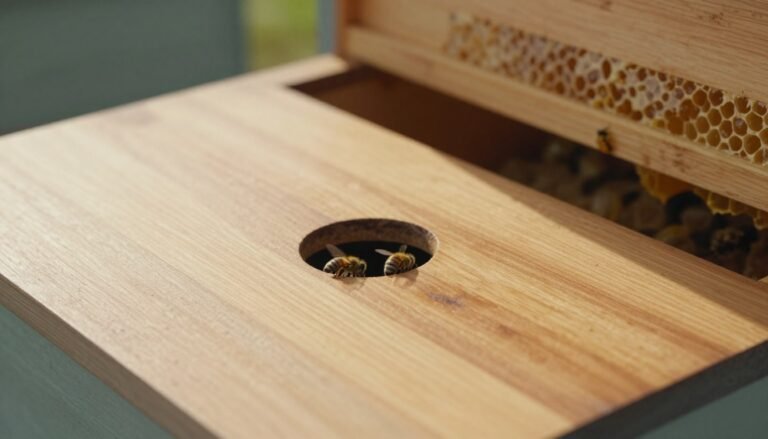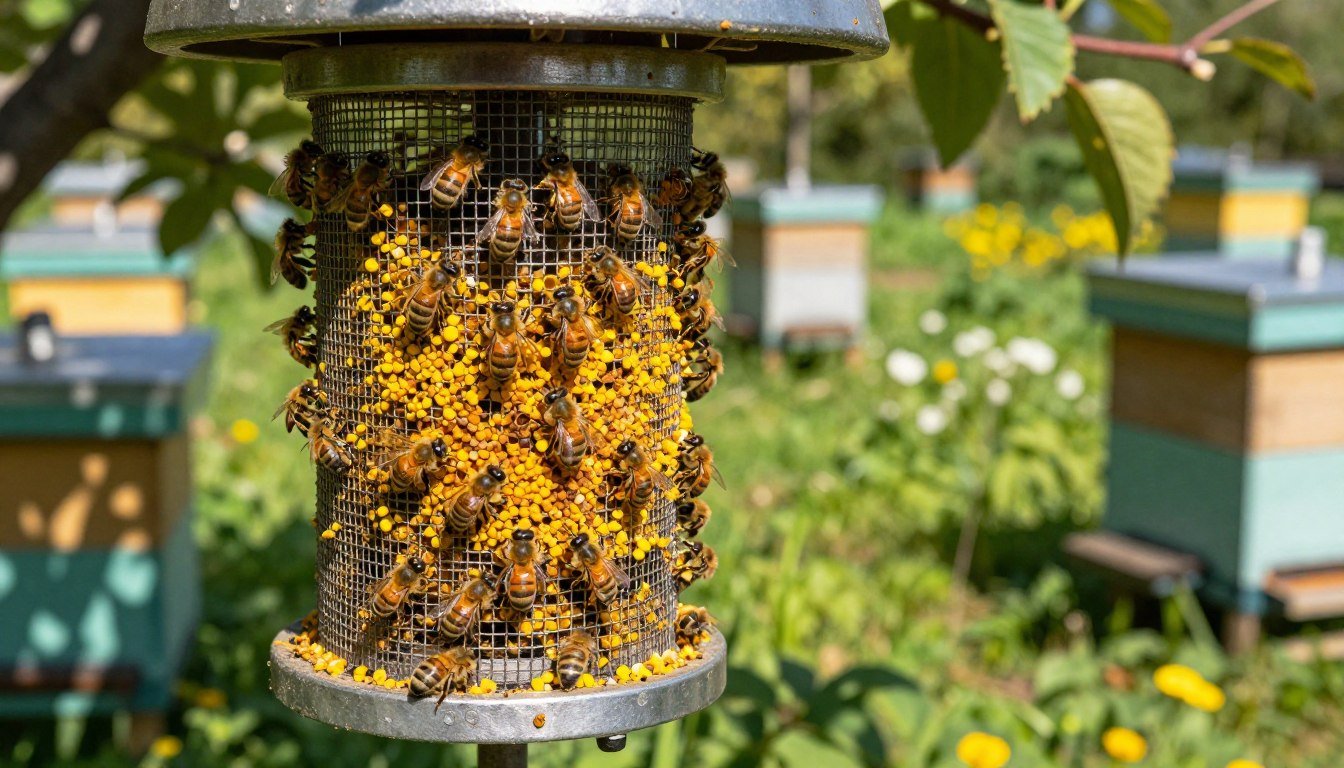
Managing hive resources means choosing the right equipment to collect protein-rich pollen without harming colony health. Many devices force returning foragers through a mesh that gently strips pellets from their legs, letting beekeepers harvest valuable material while the hive keeps enough feed.
Two main mounting styles dominate: bottom-mounted units and front-mounted units. Modern designs often use durable plastic components that simplify cleaning and handling during peak nectar flows.
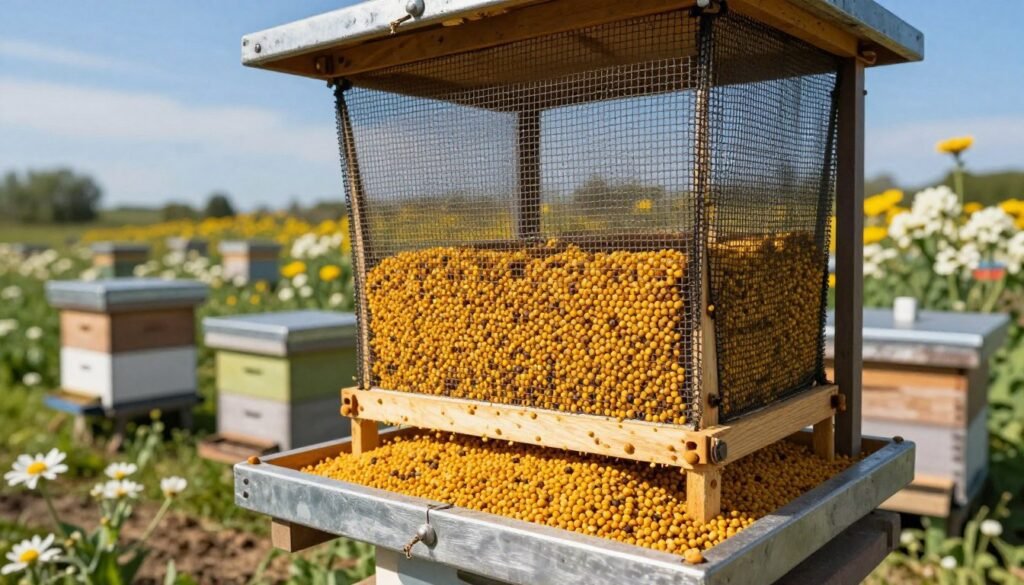
Choosing the correct model depends on your hive setup, harvest frequency, and desire to protect honey yields. A standard bee pollen trap is a practical tool that helps people diversify apiary output while keeping colony needs in mind.
Key Takeaways
- Most devices remove pellets as bees re-enter through a mesh.
- Bottom-mounted and front-mounted designs suit different hives and workflows.
- Plastic components boost durability and ease of cleaning.
- Proper selection protects brood nutrition and honey production.
- Learn more about specific models and mounting options at trap mounting guide and a hobbyist review at best pollen trap for hobby beekeepers.
Understanding the Role of Pollen Traps in Your Apiary
Harvest devices work by guiding foragers through a mesh that strips their leg loads while allowing safe re-entry. This basic action lets beekeepers collect protein without harming colony balance.
Choosing an entrance-mounted, or “front porch,” unit versus a bottom-mounted model is a strategic trade-off. Front-porch designs add flexibility at the hive mouth. Bottom-mounted units become part of the hive structure and increase capacity.
Good management keeps the hive healthy during collection. Match the device to your entrance dimensions so bees can navigate smoothly. Monitor return rates and adjust or remove the unit if stress shows.
- Benefit: Harvest protein without undue colony stress during peak season.
- Practice: Decide whether a simple bee pollen trap meets your needs or if advanced gear is required when managing many hives.
- Insight: In 2023, U.S. beekeepers used these tools to better track foraging patterns, aiding sustainable beekeeping and honey planning.
How Pollen Traps Function Within the Hive
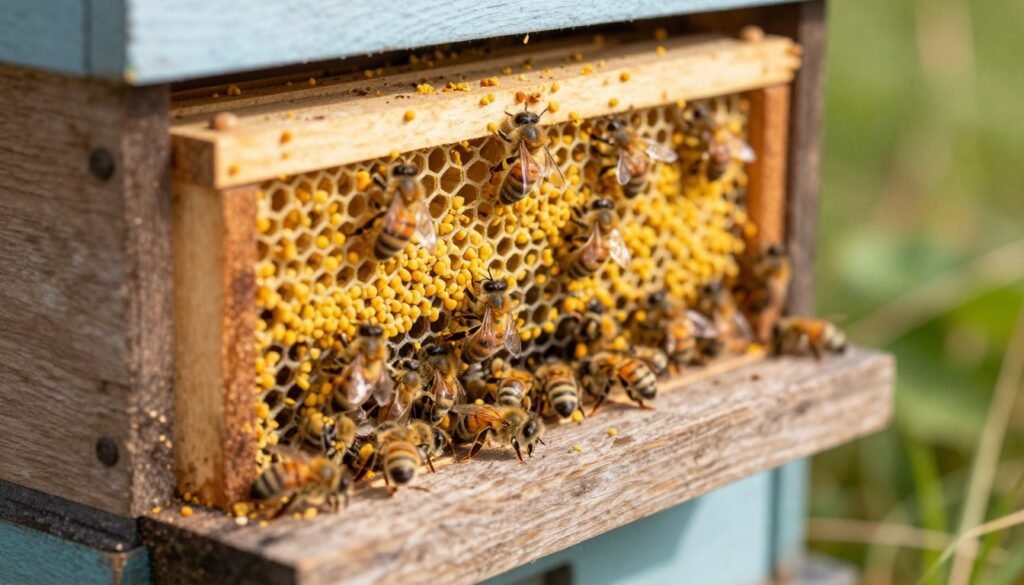
The core mechanism relies on a calibrated screen that nudges leg-mounted loads free as bees re-enter the hive. This stripping screen has holes sized to admit a honey bee’s body while knocking off pellets gently.
A secondary, finer screen sits behind the stripper. It keeps returning bees from reaching the collected material while allowing airflow.
The Stripping Screen
Precision matters. Holes are carefully measured so the bee can pass but cannot carry the pellet through. This prevents injury and keeps foraging normal.
The Collection Tray
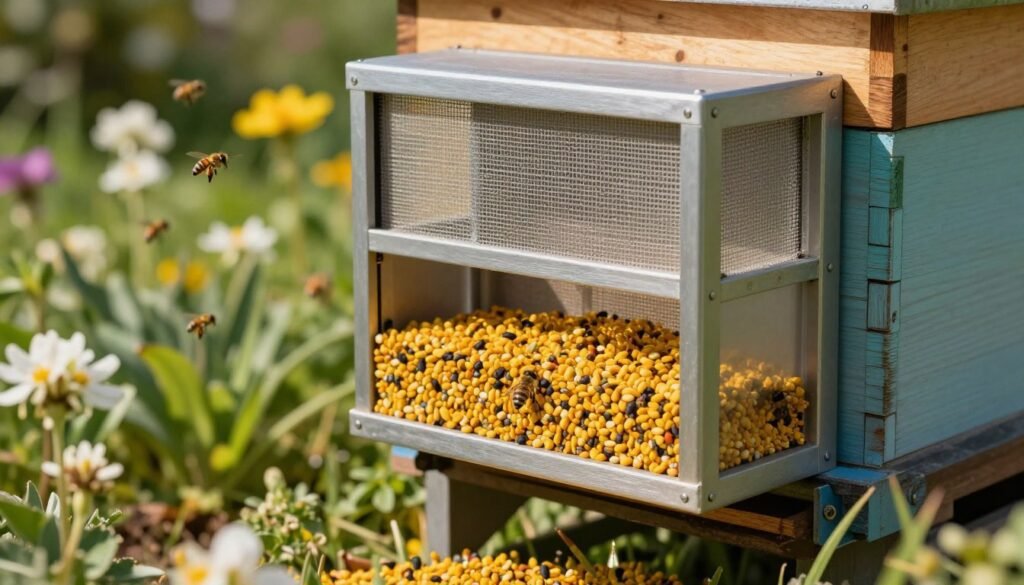
The tray holds the harvested material and must stay dry and clean. Ventilation channels reduce moisture and spoilage, while a weather guard protects the tray from rain and debris.
- Bypass entrance: lets the queen and drones move in and out without passing the screen.
- Secure fit: modern plastic trays snap in to block gaps and contamination.
- Regular checks: inspect the tray during collection to prevent mold and maintain honey quality.
For practical setup tips and step-by-step collection advice, consult the ultimate guide to bee pollen collection.
Comparing Pollen Trap Types for Small Apiaries
Practical choices—portability versus built-in capacity—drive how beekeepers select an entrance collection device.
Bottom-mounted units are integrated into the hive base and suit higher-volume pollen collection. They replace the existing bottom board and add capacity without daily handling.
Front-mounted units attach to the exterior and work well when quick install or removal matters. A snug fit at the entrance is vital to prevent bees bypassing the stripping screen.
- The Sundance-style bottom-mounted model often wins on stability and steady yields.
- A front-mounted device is an excellent tool when portability and ease are priorities.
- Tray size and overall design determine how much material a unit can hold during a run.
- Many people prefer plastic bee pollen units because they are lightweight and easy to clean.
- Aligning pollen trap strips correctly is vital to collect pellets from returning foragers.
| Feature | Bottom-mounted | Front-mounted |
|---|---|---|
| Installation | Replaces bottom board; semi-permanent | Attaches to entrance; quick install/remove |
| Capacity | High (large trays) | Moderate (smaller trays) |
| Maintenance | Less frequent, requires hive access | Easy daily checks and cleaning |
| Best use | Beekeepers prioritizing volume and stability | People needing flexibility and portability |
Choose the unit that matches your workflow and hive layout. Proper alignment and a solid fit at the entrance ensure effective pollen collection without stressing the colony.
Benefits of Bottom-Mounted Trap Designs
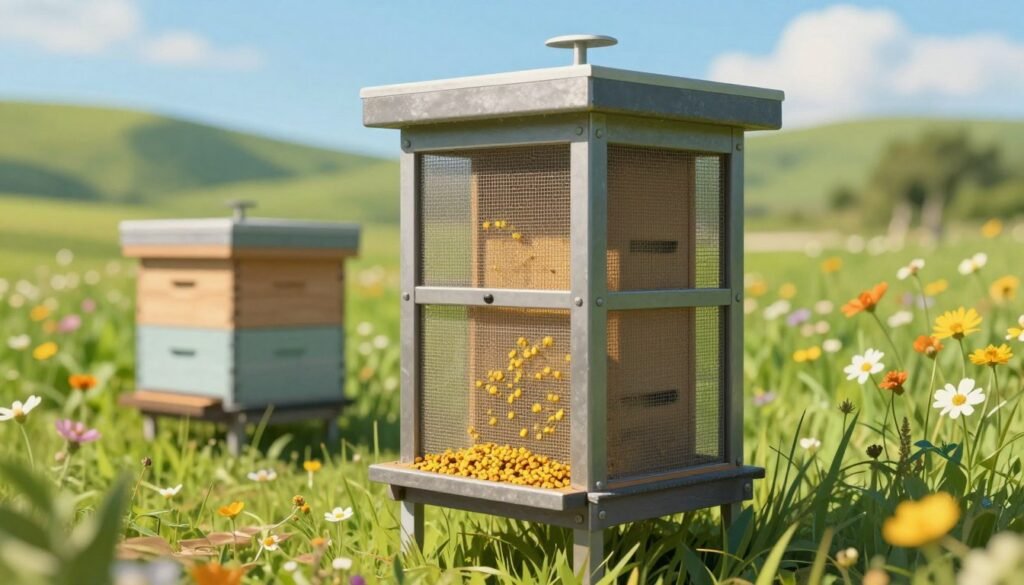
A bottom-mounted unit becomes part of the hive’s base, giving beekeepers a stable, low-profile option for collection. This setup replaces the standard bottom board and fits inside a normal hive body.
Integrated Hive Body Design
Stability and capacity: These units provide larger storage trays under the brood boxes. That makes them ideal during heavy flows and reduces daily handling.
Entrance traffic remains clear. The main hive mouth is unobstructed, which lowers congestion and stress on the bees. The protected drawer sits under the colony and shields material from sun and rain.
- The design improves ventilation and helps protect brood during warm spells.
- A quality plastic bee pollen unit snaps into place and stays secure when boxes are stacked.
- Specialized pollen trap strips make collection cleaner and more efficient.
For details on commercial use and function, see bottom-mounted pollen traps.
Advantages of Front-Mounted Trap Systems
Front-mounted collection units attach directly to the hive face and simplify rapid engagement. They cover the existing entrance without lifting stacked boxes, so a beekeeper can start or stop collection in minutes.
Modularity is the main benefit. These systems are removable and use less material since they do not replace structural components. Many models include durable plastic bee pollen components that resist weather and clean easily.
A snug seal against the hive is critical. Poor alignment lets bees bypass the device and reduces honey yields. Properly positioned pollen trap strips improve capture rates while minimizing colony stress.
Practical advantages:
- Quick install without moving heavy hive boxes.
- Securely covers the entrance to route returning foragers through the stripping mechanism.
- Ideal when temporary collection is needed, then removed after the run.
| Feature | Benefit | Notes |
|---|---|---|
| Installation | Fast, external mounting | No hive dismantle; good for rapid runs |
| Material use | Lower; lighter parts | Often plastic components; easy maintenance |
| Flexibility | Modular, removable | Best when temporary collection is planned |
Critical Management Practices for Successful Harvesting
Consistent attention each morning prevents rapid spoilage and keeps collected material usable. A clear schedule is essential during a run. Follow strict checks to protect quality and hive health.
Daily Collection Requirements
Harvest pollen every day during active flows. High moisture levels make material spoil within 24 hours at ambient temperature.
Process quickly: freeze or dehydrate the harvest immediately to retain nutrients and avoid mold.
Managing Moisture Levels
Inspect the collection tray each morning. Remove any damp or clumped collected pollen and dry or freeze it without delay.
Keep trays dry and clean. Use ventilation and a weather guard to reduce humidity and protect honey and comb nearby.
Utilizing the Bypass Feature
Always enable the bypass so the queen and drones can move through the entrance freely. This reduces stress and supports brood rearing.
“Never run a collection device on a weak colony; protein is critical for rearing young.”
- Schedule: Daily checks prevent spoilage and keep harvest pollen market-ready.
- Colony care: Only use trapping on strong hives to avoid harming brood.
- Equipment: High-quality pollen trap strips and a secure tray help gentle, effective collection.
- Aftercare: Freeze or dehydrate immediately to preserve nutrition.
Evaluating the Trade-offs Between Trap Designs
When planning harvest strategy, weigh installation time, storage capacity, and weather exposure carefully.
Bottom-mounted systems are a longer-term commitment. They replace the board under the hive and add large trays that protect material from rain and ground moisture.
Front-mounted units give rapid deployment and less hive disruption. Their agility suits runs that start and stop quickly, but they hold less and need a tight cover at the entrance to work well.
In wet climates, capacity and protection matter most. A bottom setup like the Sundance-style integrates into the hive and helps keep collected material dry.
“A snug fit prevents bees from bypassing the stripping screen and keeps collection efficient.”
- Durability: plastic bee pollen components often extend equipment life and reduce cleaning time.
- Installation vs. disruption: front units minimize handling; bottom units require hive changes but reduce daily attention.
- Moisture control: bottom trays shield harvest from damp conditions better than external boxes.
| Consideration | Bottom-mounted | Front-mounted |
|---|---|---|
| Installation impact | High — replaces bottom board | Low — clips onto entrance |
| Storage capacity | Large tray capacity | Smaller, portable tray |
| Best climate use | Wet or variable weather | Dry, short collection runs |
Decide by matching your labor, hive layout, and honey goals. If you need quick options for entrances, see alternatives to entrance reducers at hive entrance reducer alternatives to inform setup choices.
Essential Considerations for Hive Health and Colony Strength
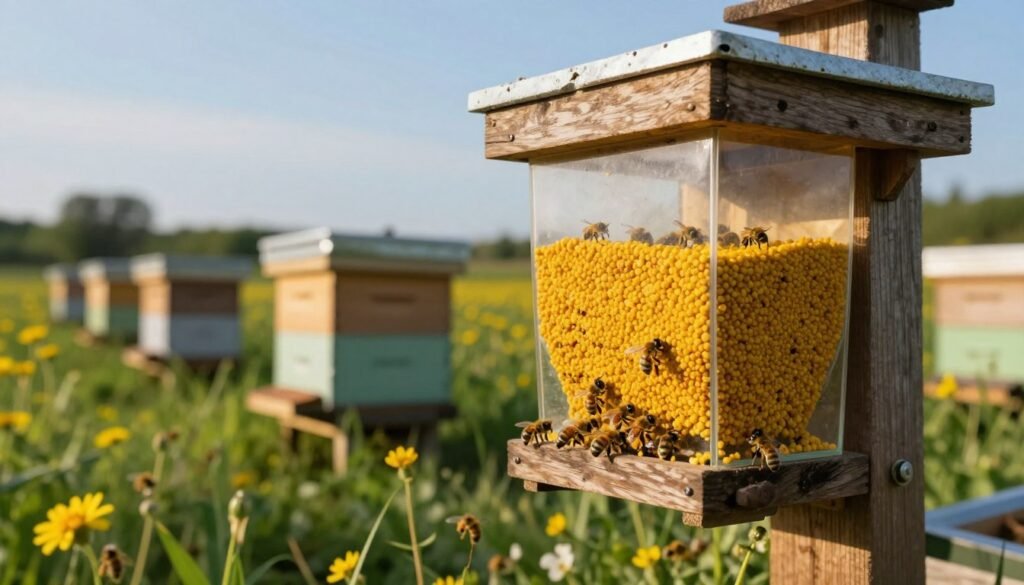
A strong, well-resourced colony is the only candidate for sustained collection without harm. Assess population, stores, and brood frames before adding a pollen trap. If frames show low stores or patchy brood, delay harvesting.
Queen condition matters. A vigorous queen keeps forager numbers up and supports rearing. If the queen fails or is aging, do not run any collection device until the colony recovers.
Assessing Colony Population
Check comb health, presence of brood, and forager traffic each morning. Strong hives show steady beetle-free comb and steady bee movement at the entrance.
- Only use a pollen trap on populous, well-fed colonies.
- Keep feeders available if natural sources slow during the run.
- Enable the bypass so the queen and drones can exit when needed.
“Prioritize long-term colony vitality over short-term harvest gains.”
Good ventilation and regular checks reduce stress. When in doubt, consult extension resources on thriving hive management at thriving hive management.
Selecting the Right Equipment for Your Specific Goals
Select a setup that aligns with your harvest rhythm and long-term production goals.
If your priority is steady yield and greater production, choose a bottom-mounted unit that supports heavy flows and larger trays. That option suits people running many hives and aiming to scale honey production.
Choose an entrance-mounted unit when you need simplicity and quick installs. This tool offers operational flexibility and fast removal between runs. It is a good choice for occasional collection and weekend management.
HONESTBEE supplies professional-grade equipment, including specialized systems that pair well with either strategy. Contacting wholesale partners can help a beekeeper expand with high-performance gear.
“Invest in quality gear to protect colony health while improving harvest yields.”
| Goal | Recommended Equipment | Key Benefit |
|---|---|---|
| Maximize yield | Bottom-mounted bee pollen trap | High capacity; protects collected material |
| Operational flexibility | Entrance-mounted unit | Quick install/remove; low disruption |
| Scale operations | Professional-grade systems (wholesale) | Durable plastic parts; long-term savings |
Good management links equipment to colony health. Always match your gear to your goals before you invest.
Conclusion
Smart equipment choices reduce colony stress and boost yield. Match the device to hive strength and check daily to harvest pollen safely. Keep interventions brief and clear to preserve brood health.
Good management links steady collection to long-term honey production. Use daily checks, dry or freeze any harvest quickly, and stop collection if brood or stores look weak.
Invest in quality gear and learn installation differences before you scale. See guidance on the best pollen trap to help pick the right option. Prioritize bee needs to maintain sustainable production year after year.
FAQ
What is the main purpose of a bee pollen collection device in a small apiary?
These devices let beekeepers harvest bee-collected pellets without opening comb or disturbing brood. They collect material at the hive entrance so you can gather nutritional bee loads while keeping honey frames intact and colonies productive.
How does a strip-style screening unit work?
A stripping screen forces foragers to squeeze through narrow openings on exit. As bees pass, pellets dislodge and fall into a shallow tray beneath. This design minimizes colony stress and provides easy access to collected material.
What role does the collection tray play in front-mounted systems?
The tray catches the dislodged pellets and keeps debris separate from the hive. Trays are often removable and made of plastic or metal for straightforward cleaning and quick harvesting without heavy handling of boxes.
Are bottom-mounted configurations better for honey production?
Bottom-mounted units integrate under the hive and may be less visible to foragers, reducing disruption. They allow steady collection without interfering with upper brood and honey frames, supporting consistent colony output.
How often should I empty the collection tray to protect colony health?
Check and empty the tray daily or every two days during peak foraging. Frequent collection prevents moisture buildup and mold, reduces attractants for pests, and keeps the material fresh for sale or storage.
What steps prevent moisture and mold in harvested material?
Remove loads promptly, dry them in a low-humidity area, and avoid storing in sealed containers while still warm. Use breathable bags or jars with desiccants for long-term storage to maintain quality and prevent spoilage.
Does using a bypass or escape feature harm forager behavior?
A correctly set bypass lets some bees re-enter without passing the screen, reducing crowding and stress. When adjusted properly, it balances harvest yield with normal colony traffic and foraging patterns.
What are the trade-offs between front-mounted and integrated designs?
Front-mounted units are easy to install and monitor but can be more visible and attract predators. Integrated designs are discreet and steady but may require modifying bottom boards or hive bodies and can be harder to inspect.
How can I tell if a colony is strong enough to support harvesting loads?
Look for abundant foragers, drawn comb, and a healthy brood pattern with an active queen. Avoid harvesting during dearths, cold snaps, or when population appears low; pulling too much material stresses the colony.
What equipment should I prioritize when starting to collect bee-harvested pellets?
Invest in a sturdy entrance collection unit with a removable tray, a screened bottom board, basic protective gear, and drying racks. Choose durable materials like food-grade plastic or stainless steel for hygiene and longevity.
Will using these devices reduce honey yield?
Properly used, collection systems remove only supplemental loads carried by foragers and have minimal impact on overall honey stores. Monitor colony condition and reduce collection during times when nectar is scarce to protect production.