Starting a healthy hive is a key step for new beekeepers across the United States. Sarah Woodard, a New Hampshire keeper, studied chemical-free, small-cell honey bee lines and emphasizes how choosing the right start affects long-term success.
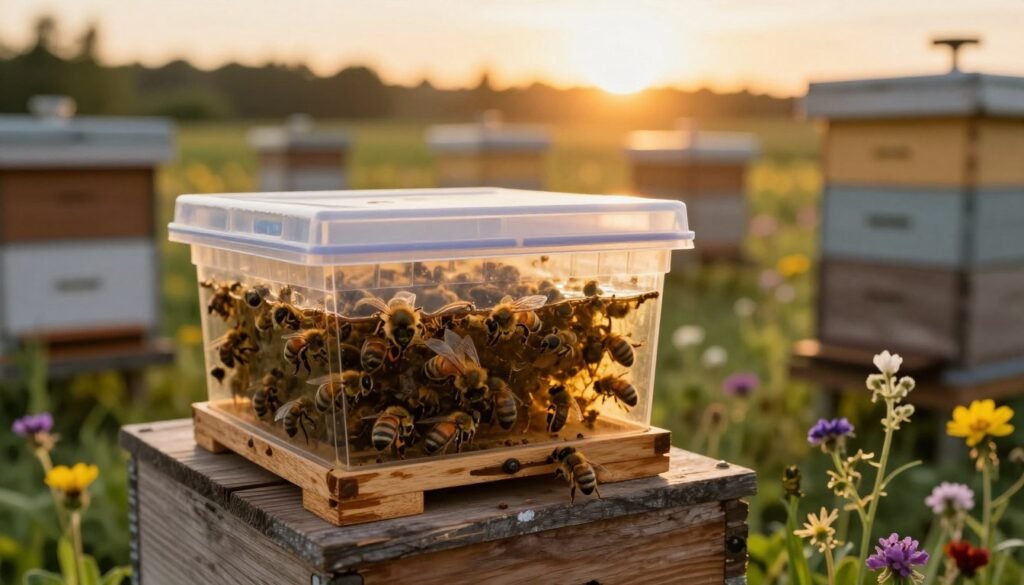
The USPS often ships a wooden box that holds workers and a queen in a small cage, making delivery a common way to begin. By contrast, gathering a wild group from a tree branch demands skill and quick action at the right time.
Whether you opt for a shipped kit, a captured group, or a nuc, balance matters: brood stages, stores, and queen health shape how a hive adapts through spring and into winter. Learn practical steps and timing in this guide and explore options for buying or trapping above.
Key Takeaways
- Choosing a start method shapes hive balance and long-term success.
- Shipped kits often arrive in a wooden box with a queen cage and sugar feeder.
- Capturing a wild group requires skill and is best in early spring.
- Inspect for brood, stores, and queen activity to ensure health before winter.
- Local mentors and seasonal guidance speed learning for new beekeepers.
Buying bees or catching swarms and seasonal beekeeping tasks offer step-by-step help for starting right.
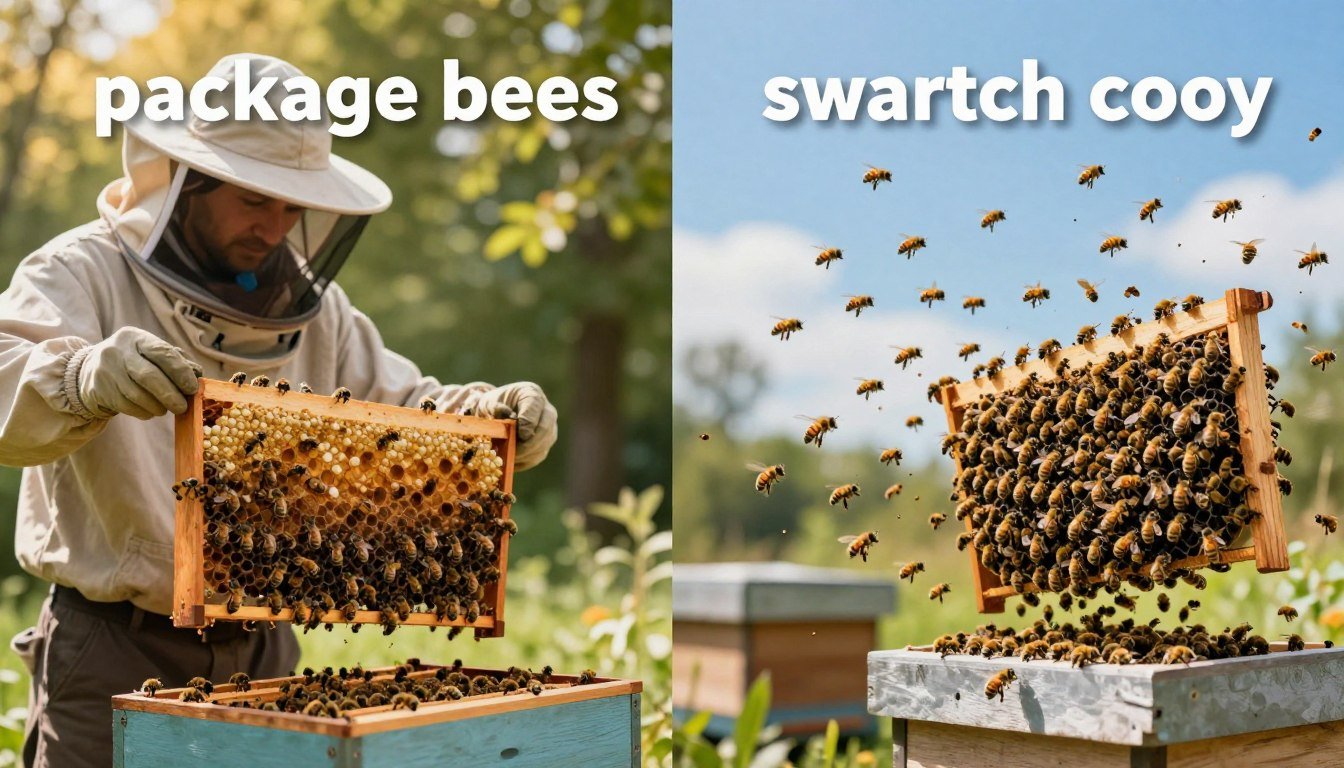
Understanding the Basics of Package Bees vs Swarm Catch Colony
New beekeepers face a clear choice: start with a measured shipment of workers and a mated queen or seek an opportunistic wild group in spring.
Most shipped units weigh about 3 lbs — roughly 10,000 workers — and in 2019 cost between $140 and $160 depending on region. Once installed, a queen needs about 21 days for her first eggs to develop into adult workers.
“Every worker in a shipped group, excluding the queen, will often die within six weeks of packaging if not quickly integrated and fed.”
Practical notes:
- Starting a new hive this season with a shipped group is popular for its predictability.
- Because workers are on a tight time line, heavy feeding and comb management matter to make it through winter.
- Catching swarms early in the year can yield strong colonies; late-season finds may struggle.
- If you cannot locate a wild cluster, buying a reliable source for bees or a nuc or purchased stock is the safer way to populate equipment.
The Mechanics and Challenges of Purchasing Package Bees
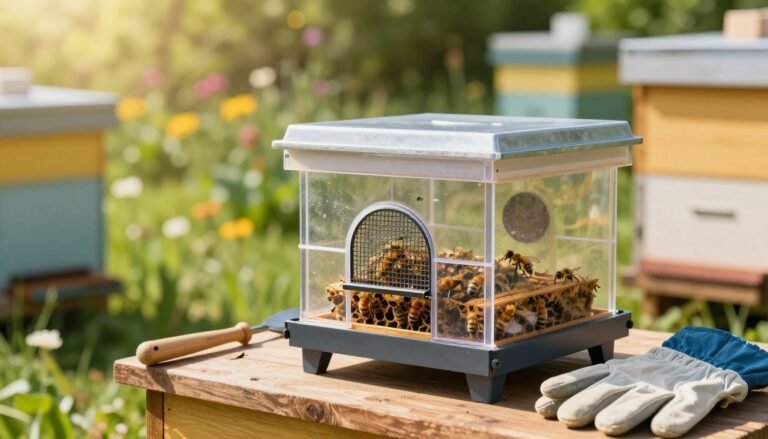
Buying a shipped unit means you inherit a group that must build comb and stores from day one. A large metal feeder can of sugar water arrives in the box to keep workers alive during transit. The queen comes sealed inside a small cage so workers can slowly accept her.
The Importance of Feeding
Heavy feeding is vital because every day spent drawing comb is a day not spent foraging for honey. Give ample syrup and monitor frames so the group can make stores before autumn.
Managing Queen Acceptance
Place the queen cage between frames where workers can access her while they remove the cork. Correct placement reduces the problem of rejection and helps the laying queen settle in. Check frames over the next weeks to confirm brood and a steady egg pattern.
- Tip: If you prefer an established start, consider buying a nuc with frames that already show brood and a laying queen.
- Remember: Many beekeepers supplement feeding to build stores for winter; it’s a common way to reduce loss in the first year.
- Install carefully: Ease workers onto frames so the queen can be released safely and workers can orient to the hive.
For troubleshooting and boosting early population naturally, read practical advice for new keepers at how to boost population naturally and avoid common errors with tips from beginner mistakes in beekeeping.
The Reality of Catching and Trapping Bee Swarms
Finding a wild cluster in a tree is a hands-on task that demands planning and steady nerves.
Standing on a ladder to reach a high branch is common. You may need to cut the limb so the group falls into a waiting box. That step takes precision and a calm approach.
Passive Baiting Techniques
Passive baiting uses scent and signals rather than active chasing. Lemongrass essential oil mimics queen pheromone and can help lure a group to a bait hive.
Provide old comb or brood frames to signal a ready home. A clustered group that left full of honey may draw out new comb very fast once installed.
“Not every foray into the trees ends well; this method works best for those with experience and proper gear.”
- Climbing for a group involves tens of thousands of insects and is not for everyone.
- Because wild finds are now rarer, many new keepers prefer a purchased start as a safer way in.
- For practical rescue tips, see swarm-catching and field guidance at bee rescue techniques.
Considering the Nucleus Hive as a Balanced Alternative
A nuc offers a ready-made balance that speeds early growth and lowers startup risk. A typical nuc contains five deep frames with established brood, honey, pollen, and a laying queen.
Because the frames are already drawn and stocked, the unit can focus on expansion rather than building comb. That means more workers become foragers and builders sooner, which often leads to a better first-year honey yield.
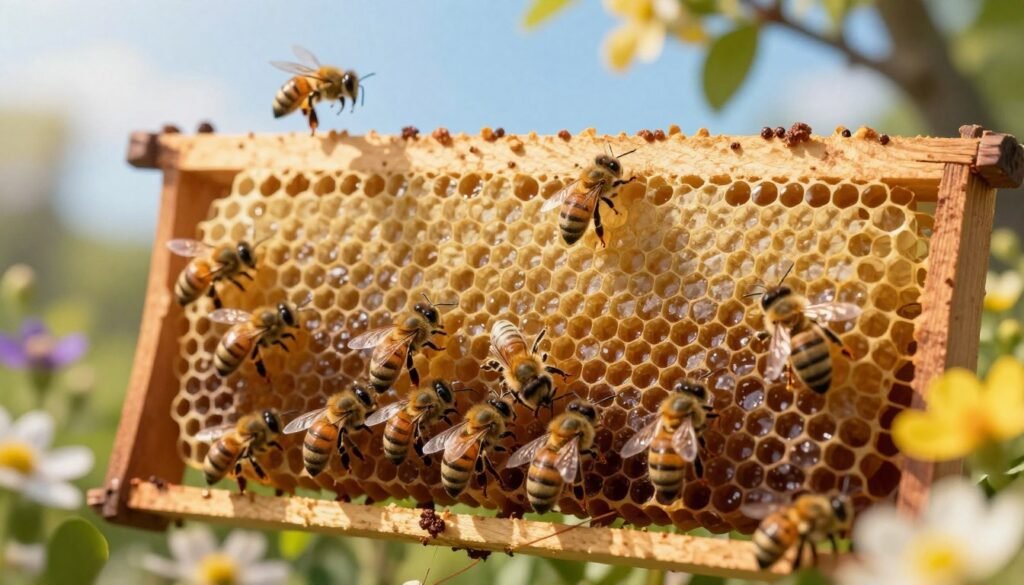
Installation is straightforward: move the frames into your hive box and let the queen continue laying. A balanced start also improves chances of surviving winter compared with a small, struggling start.
- Miniature, mature unit: accepted queen and brood in all stages.
- Less comb-building: bees use available stores to grow.
- Faster honey production: higher chance of harvest in year one.
For more on what a nuc contains, see what is a nuc. If you need transport options, review the best nuc box guidance.
Final Thoughts on Choosing Your Beekeeping Method
A balanced start sets the tone for survival and honey yields in year one. Ed Dane, with 51 years in this craft, stresses that a healthy, balanced colony gives the best chance to thrive.
Whether you buy a package, pursue a wild swarm, or opt for a nuc, each method brings different early challenges for a new beekeeper. A nucleus hive often offers the most reliable resources for brood development, queen acceptance, and winter stores.
Think locally: climate and available help shape the right way to begin. Seek mentorship and use reputable reading—start with a short account like a beekeeper’s journey and practical guides at beekeeping resources and books. Dedication to hive care is the key to healthy bees and good honey production.