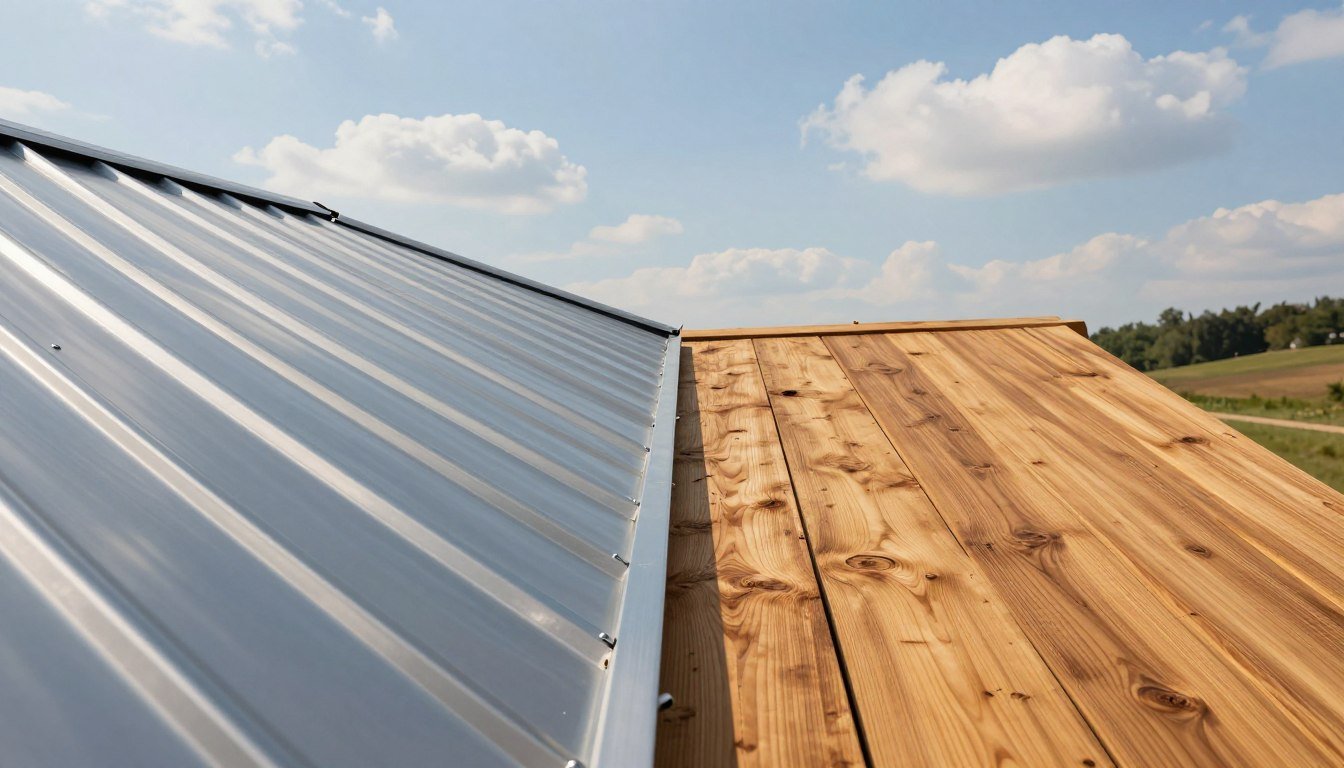
Choosing between a metal roof and a painted wood cover requires clear thinking about durability, cost, and appearance. Homeowners often weigh long-term lifespan against the charm of traditional finishes. Modern steel and other roofing materials now mimic classic shakes while offering superior resistance to weather and corrosion.
Painted wood can deliver warm curb appeal, but it typically needs more maintenance and protective coatings over the years. By contrast, high-quality metal roofing offers strength, energy savings, and lower upkeep. Understanding factors like insulation, finish options, and expected years of service helps you choose a smart investment for your home.
For practical tips on protective layers and insulation that improve longevity, see this hive painting and insulation guide. Use that advice to compare costs and value before you decide.
Key Takeaways
- Compare long-term durability and maintenance needs.
- Modern metal options can mimic traditional looks.
- Painted wood offers classic appeal but needs more care.
- Consider energy performance and lifespan for value.
- Factor coatings, exposure, and local weather into your choice.
Understanding the Metal Roof vs Painted Wood Cover Debate
Choosing the right exterior material starts with weighing durability, climate, and ongoing upkeep.
Key factors include local weather, expected years of service, and how often you plan maintenance. Homeowners in hot, sunny zones and those in snowy, freeze-thaw regions face different needs.
Key Factors Influencing Your Decision
Performance and coatings: Corrosion resistance often depends on whether a painted finish or a factory-applied coating is used. Color and finish affect heat reflection and long-term maintenance.
Cost vs time: Initial expense must be balanced with the time needed for upkeep. Some options need regular touch-ups while others require far less attention over the years.
Geographic Considerations for Roofing Materials
Vertex Metal Roofing serves homeowners in Phoenix, Tucson, and Northern Minnesota, showing how regional climates shape choices.
In arid areas, UV and heat drive color and coating decisions. In cold, wet climates, corrosion resistance and freeze-thaw durability rise in importance.
- Evaluate local weather and maintenance frequency.
- Match finish and coating to corrosion risk in your area.
- Balance upfront cost with years of upkeep and performance.
| Factor | Warm/Arid Areas (Phoenix, Tucson) | Cold/Variable Areas (Northern Minnesota) |
|---|---|---|
| Primary concern | UV, heat reflection, color stability | Freeze-thaw cycles, corrosion resistance |
| Recommended finish | High-reflectance coating | Durable factory-applied coating |
| Maintenance frequency | Low to moderate (color checks) | Moderate to high (inspections, corrosion control) |
| Homeowner tip | Choose lighter colors and UV-stable coatings | Prioritize corrosion-resistant options and regular inspections |
For a concise overview of long-term performance and insurer perspectives, see this insurer’s guide on metal roofing. For paint considerations on exterior surfaces, consult this exterior paint resource.
Evaluating the Performance of Natural and Painted Metal Roofing
Assessing how natural finishes and factory coatings perform helps homeowners pick a long-lasting exterior. Natural steel panels deliver remarkable durability and can last up to seven decades with minimal upkeep.
Painted systems add a protective layer that helps guard against corrosion and can cut cooling bills by as much as 25% through reflective pigments and proper color choice.
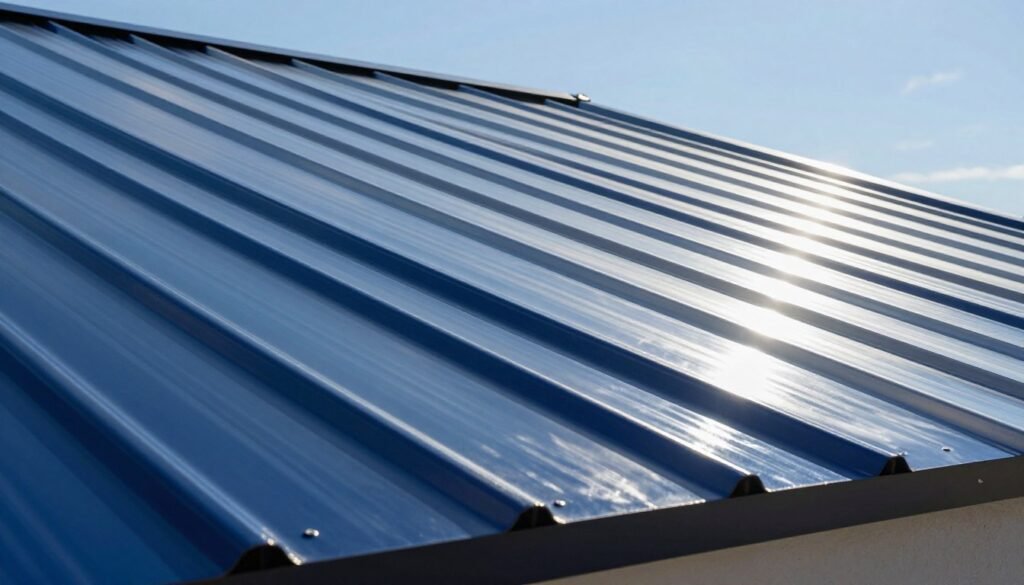
When weighing options, look closely at the specific coating system and warranty. A high-quality finish improves protection and extends service life.
- Strength and resistance: Forged steel panels resist severe weather for many decades.
- Energy benefits: Reflective paints lower heat gain and reduce air-conditioning loads.
- Finish choice: Color and coating type affect both looks and thermal performance.
| Performance Factor | Natural Finish | Painted/Coated Finish |
|---|---|---|
| Expected lifespan | Up to 70 years | Up to 70 years (with recoats possible) |
| Corrosion protection | Good (galvanized or alloyed steel) | Enhanced (factory or field-applied coatings) |
| Energy impact | Neutral to positive | Can reduce cooling costs up to 25% |
| Maintenance | Low (inspections) | Moderate (check coatings, touch-ups) |
For a deeper dive into longevity comparisons and finish options, read this stone-coated steel durability comparison. Also consider eco-friendly coating choices covered in this eco-friendly coatings guide.
The Reality of Wood Shake Roofing for Modern Homes
Many homeowners find that traditional shake surfaces demand more time and money than newer options.
Common maintenance challenges
Shakes are prone to insect damage, rot, and splitting from sun and freeze cycles. These issues raise ongoing maintenance and repair costs over the years.
Fire safety and wildfire risks
Wildfire exposure drives strict codes in many regions. Wildland-Urban Interface (WUI) rules now restrict shake materials in high-severity areas. That makes them a poor option where fire danger is real.
Insurance and regulatory hurdles
Insurance carriers often label shakes high risk. Premiums can rise or coverage be denied, pushing homeowners toward safer alternatives.
- Lifespan concerns: Shakes typically need repairs or replacement sooner than many modern materials.
- Protection and resistance: A quality metal roof or metal roofing product offers better resistance to weather and pests.
- Investment view: Higher upfront cost for steel or coated systems can lower long-term costs and insurance exposure.
For a practical guide to replacing shake systems, read this wood shake roof guide.
Achieving the Aesthetic Appeal of Wood with Metal Materials
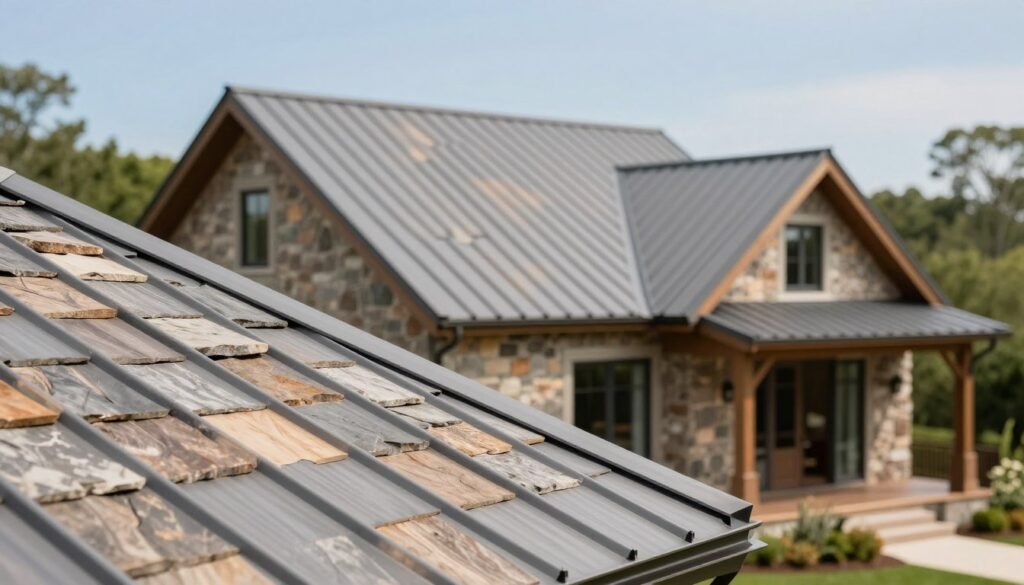
If you want cedar-like charm without constant upkeep, stone-coated steel is a strong alternative.
Stone-coated options such as DECRA Shake XD and DECRA Shake recreate the look of shakes while delivering proven protection. A textured stone layer bonds to steel to mimic grain, tone, and depth.
This approach gives homeowners the rich colors of cedar and the strength of steel. It also reduces routine maintenance and stands up to harsh exposure better than natural shake.
Why choose stone-coated panels?
- Realistic appearance: Hard-to-distinguish visuals at common viewing distances.
- Durability and protection: Stone layer plus steel resists weather, fire, and corrosion.
- Lower maintenance: Fewer recoats and less frequent repairs compared with natural shake.
- Color options: Multiple tones let you match home style and neighborhood appeal.
| Feature | Stone-Coated Panels | Traditional Shake |
|---|---|---|
| Appearance | High visual fidelity to cedar | Authentic natural grain |
| Durability | Long-term, steel-backed protection | Prone to rot, insect damage |
| Maintenance | Low (inspections, occasional cleaning) | High (sealants, repairs, replacements) |
| Fire resistance | Improved resistance | Higher fire risk |
Financial and Insurance Implications of Your Roofing Choice
Switching to a more durable panel can yield measurable savings on premiums and maintenance. Insurers often reward fire-resistant, long-lasting systems with lower rates.
Value impact: Installing a metal roof can raise resale value by up to 6%.
Insurance savings: Some carriers offer discounts up to 35% when homeowners replace high-risk shakes with a fire-resistant system. For details on policy effects, review metal roofing and insurance.
Long-term savings come from lower maintenance and a longer lifespan. That reduces repair costs and protects your investment against storm and decay damage.
- Boosts curb appeal with varied colors and coatings.
- Improves energy performance, cutting cooling costs.
- Lowers risks tied to rot and insect damage, easing insurer concerns.
| Financial Factor | Typical Impact | Notes for Homeowners |
|---|---|---|
| Home value | Up to +6% | Stronger resale appeal for long-term owners |
| Insurance premium | Up to -35% | Depends on local code and carrier |
| Maintenance costs | Significantly lower over years | Fewer repairs and recoats needed |
Conclusion
Choosing a durable panel system delivers clear benefits: long-term protection, improved fire resistance, and lower lifetime costs for your home. Modern options also give you classic curb appeal while reducing routine maintenance.
Painted finishes can add energy-saving reflectivity and color choice, but overall performance favors high-quality metal products for most U.S. climates. Proper coatings and installation help guard against corrosion and weather damage.
Explore detailed pros and cons of these systems in the metal roof advantages and disadvantages guide, and consult a qualified contractor to assess cost, warranty, and local code impacts before you decide.
FAQ
Which is more durable for long-term use: a steel cladding or a painted wood shake?
Both options have pros and cons. Steel cladding with a quality coating lasts decades with minimal maintenance and resists rot, insects, and many weather effects. Painted wood shakes have a warm, natural look but require regular sealing, painting, and repairs to prevent decay and insect damage. For longevity and lower upkeep, steel systems typically offer better value over time.
How do costs compare between metal cladding systems and painted wooden shingles?
Upfront costs vary. Painted wood shingles can be less expensive initially but need frequent maintenance and eventual replacement that raise lifetime expenses. Coated steel installations often cost more to install but reduce long-term repair and coating costs. Consider lifecycle cost, not just the initial price, when comparing value.
Are there energy benefits with coated metal panels compared to painted wood?
Yes. High-reflectivity coatings on steel can reduce heat absorption, lowering cooling loads in warm climates. Painted wood absorbs more heat and offers less solar reflectance. Choosing a light-color finish and energy-rated coating on steel improves thermal performance and energy savings.
Can a coated steel product convincingly mimic natural wood aesthetics?
Modern stone-coated and textured steel profiles replicate the grain, color variation, and shadow lines of wood shakes. Brands like Gerard and Decra offer profiles designed to match historic appeal while delivering the durability and low maintenance of metal systems.
What maintenance does painted wood siding need compared with a coated steel option?
Painted wood requires routine inspections, cleaning, repainting every 3–7 years depending on exposure, and replacement of damaged shakes. Coated steel typically needs only periodic cleaning and occasional touch-up of scratches or chips. Maintenance frequency for steel is much lower.
How do both materials perform in wildfire-prone or high-risk areas?
Coated steel often meets Class A fire ratings and performs well in wildfire zones, reducing ember ignition risk. Wood shakes are combustible and face strict restrictions or bans in some regions. Always check local codes and insurance requirements before choosing a material.
Will insurers charge different premiums based on roofing material?
Yes. Insurers commonly offer lower premiums or credits for non-combustible, impact-resistant systems such as coated steel or stone-coated profiles. Wood shake roofs can increase premiums or trigger higher deductibles, especially in fire-prone or windy areas.
How does corrosion resistance compare to rot and insect vulnerability?
Coated steel resists corrosion when specified with proper coatings (galvanized, Galvalume, or PVDF finishes) and maintained. Painted wood, by contrast, is vulnerable to rot, mold, and insect attack if paint or sealant fails. Proper installation and ventilation also affect longevity for both.
Are there warranty differences I should watch for?
Warranty terms vary by manufacturer. Steel systems often carry long-term warranties for material integrity and finish—20 to 50 years in many cases. Wood products may have shorter coverage and often exclude weathering and finish deterioration. Read specifics on coverage, transferability, and workmanship.
What should homeowners consider when choosing between the two materials?
Evaluate climate exposure, maintenance willingness, budget for lifecycle costs, local building codes, fire risk, and desired aesthetic. If low upkeep, longevity, and energy performance matter most, coated steel is usually a strong choice. If authentic texture and traditional appearance are priorities and you accept ongoing maintenance, painted wood can work.