Balling a queen is one of those moments that makes any beekeeper pause. OliviaFox found a queen balled in the corner after a failed push-in cage introduction, and that photo captured the worry many of us feel.
This short guide aims to show clear steps for handling the situation, saving time and reducing the chance of colony death. You will learn what to watch for in the brood box, and one practical way to rescue a queen after a couple days of stress.
Many forum posts have shaped these tips, and I offer thanks to those who shared experience over the years. For historical notes and technical detail on queen balling, see this helpful reference on prevention and response: prevention and response.
Key Takeaways
- Recognize early signs in the hive and act calmly.
- Minimal disturbance during peak honey flow reduces risk.
- If balling occurs, closing the hive and waiting can help.
- Breaking a ball gently, then caging the queen often aids recovery.
- Learn from others’ posts and keep records for better luck next year.
Understanding Queen Balling Behavior
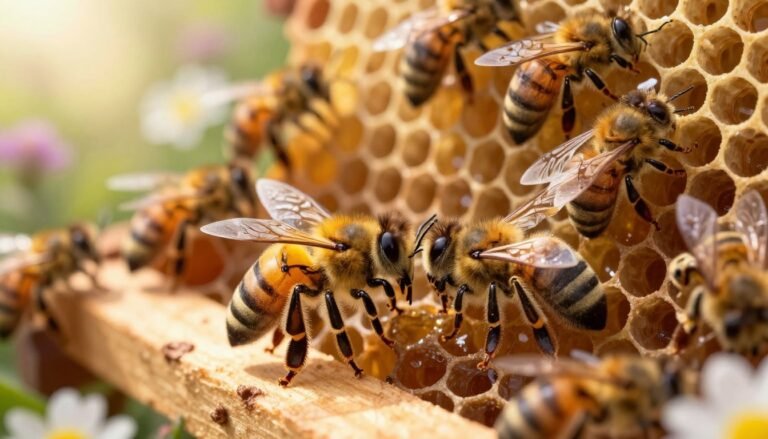
Balling looks dramatic: workers cluster tightly and raise their body heat around an unwanted ruler.
Defining the Scrum
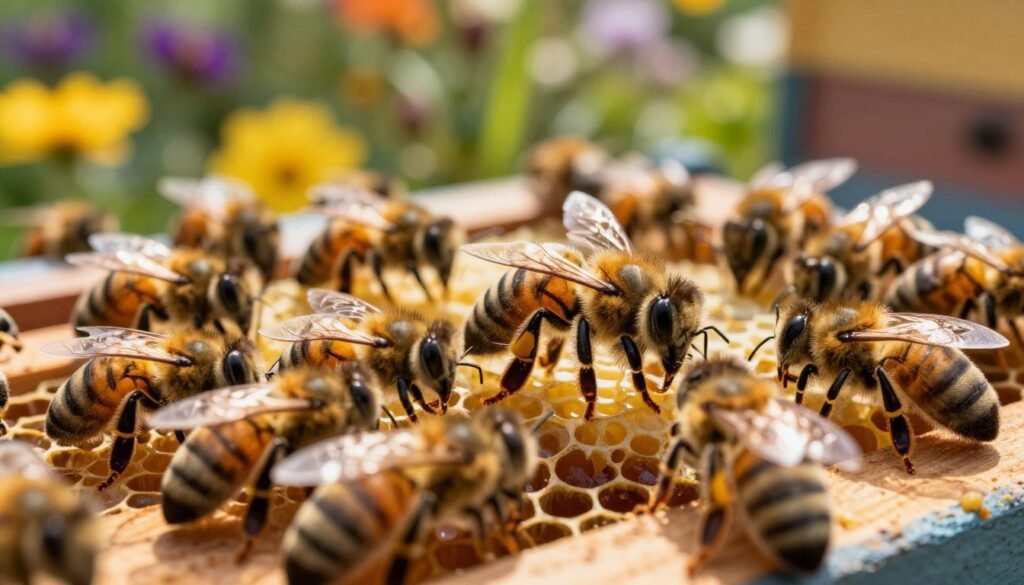
Bees will pile in a tight mass, much like a rugby scrum. Dawn_SD described groups of twenty to fifty workers sitting on the female and pressing in.
The Biological Purpose
Workers beat their wings rapidly to raise temperature. GreaterGood notes that this heat can be lethal, which ends the reign of an older or stressed queen.
“It is a rapid, collective response that can mean rejection or protection, depending on the context.”
- Common in beekeeping: colonies use this as one way to reject a queen.
- Triggers: old queens, stress, scent mismatch, or crowded combs.
- Timing: events often unfold over a couple of weeks or even days.
| Aspect | What happens | Why it matters |
|---|---|---|
| Scrum size | 20–50 bees cluster | Concentrated heat and pressure |
| Wing action | Rapid beating | Raises internal hive temperature |
| Colony reason | Rejection or stress response | Signals need for requeening or relief |
Read further about related signs and timing in this short guide on signs of an impending swarm.
Why Colonies Reject a New Queen
Worker rejection often begins with scent and pheromone mismatch between the hive and an introduced queen.
Pheromones guide acceptance. If the new female does not signal egg-laying health, workers may treat her as an intruder. GreaterGood reports that old or rogue queens can be killed when they fail to meet the colony’s needs.
Another common trigger is timing. If a colony has been without leadership for too long, or has not had time to register the newcomer, rejection becomes likely.
Practical notes from my beekeeping experience: loss of a ruler is natural, yet frustrating when requeening. Many posts also note that workers use wings to signal or generate heat during these events.
- Low pheromone output: bees perceive weakness and may remove the queen.
- Perceived threat: scent mismatch or rogue origin prompts action that can end in death.
- Timing issues: too long or too short a gap since queenlessness raises risk.
For tips on introduction techniques and reasons colonies reject queens, review this successful introduction guide and the short analysis on why bees reject a queen.
“Removing an unproductive queen is one way colonies ensure survival.”
Immediate Steps on How to Stop Balling Behavior Around a New Queen
When a colony begins to cluster tightly, the first priority is calm, methodical action.
If you find a balling queen, move slowly. Gently transfer her to a mailing cage or a protective cage and keep disturbance low. OliviaFox shared a photo showing workers had chewed wax under a push-in cage and left the female balled in a corner.
Michael_Bush warns that rough handling can trigger stings and further stress for the queen. Take a bit of time and use light pressure when removing bees. A calm approach reduces harm.
- First: move the queen into a small mail or protection cage.
- Next: cage her for a couple of days so the colony can adjust.
- Support: add a frame of brood to steady the hive during this stressful day.
“Gentle steps and a short cage period often win acceptance from wary workers.”
For deeper background on this situation and related signs, see this concise guide: bee balling behavior explained.
Gentle Techniques to Separate Worker Bees
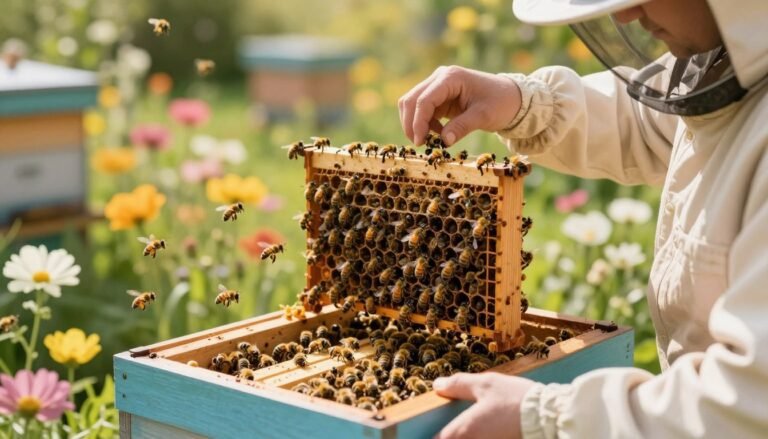
Separating clustered workers requires patience and simple tools you likely already carry. Move calmly and keep disturbance low. Small, steady actions reduce the chance of injury for the queen and the colony.
Using Smoke Effectively
Michael_Bush recommends using smoke heavily until the bees scatter and release the queen. Puff steady, light smoke near the ball, rather than a single blast.
Give the group time after the smoke before reaching in. If the bees loosen, you can work gently and place the female into a small cage.
The Water Spray Method
Elaine suggests keeping a water sprayer on hand. A fine mist can break the cluster without drowning bees.
Spray briefly, wait for the mass to loosen, then move the queen. You can smear a bit of honey on the queen to mask pheromones and distract workers while you work.
- Be patient; this takes a lot of time and a calm touch.
- After separation, place the queen back in a cage near the entrance for a couple of days.
“Gentle separation and a short cage period often give the best chance for acceptance.”
Assessing the Queen for Potential Injuries
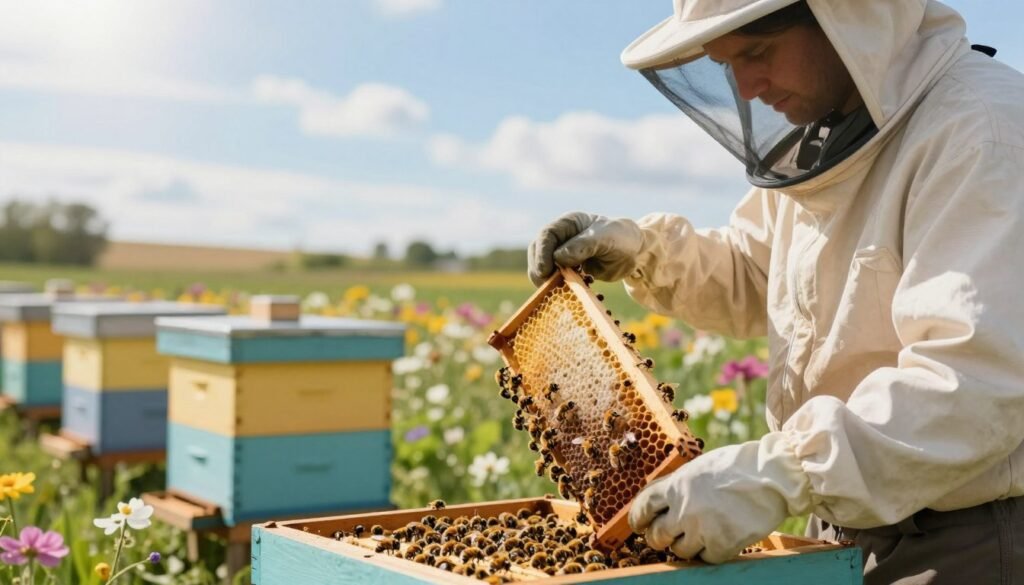
Careful examination after a massing event can catch injuries that are easy to miss. Move slowly and work in good light. Check the female for missing legs, torn wings, or crushed segments.
Look closely at the feet and underside. Michael_Bush notes that workers may pull off tarsal glands and that loss is not obvious at first glance. Watch for sticky or damaged areas near the legs.
- Keep the queen in a small cage for a couple of days to observe movement.
- If she continues laying brood, the colony often recovers over the next year.
- Note any limp legs, uneven walking, or flight problems before release.
“Some injuries are subtle; careful checks save time and avoid needless requeening.” — Michael_Bush
Record your findings and compare with past experience. That log helps decide whether those queens need replacement or can be given a chance to recover.
Managing the Hive After a Balling Incident
Once the immediate crisis passes, calm, steady care matters.
Start with close observation. Watch frames for signs the queen is safe and laying. Check daily for the first few days, then weekly while she recovers.
Keep the queen in a small cage for a couple of days if she shows stress. This gives workers time to re-familiarize with her scent and reduces the risk of repeat aggression.
Michael_Bush recommends adding a frame of open brood to occupy the bees and stabilize the colony. Open brood shifts attention and lowers the chance of another fatal response.
- Limit full inspections for a few days.
- Provide a steady food supply if stores look low.
- Note any limp movement or missing legs before release.
| Action | Purpose | Timing |
|---|---|---|
| Cage queen | Reduce stress, allow scent reacclimation | Couple of days |
| Add open brood | Distracts workers, encourages normal care | Immediately after incident |
| Close monitoring | Detect repeat aggression or poor laying | Daily then weekly for several weeks |
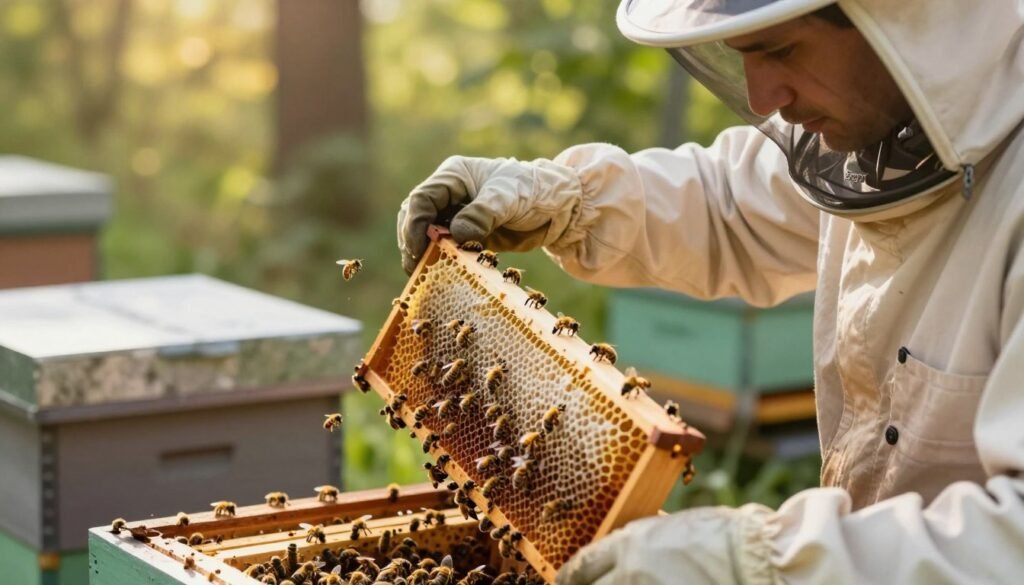
“Careful management in the days after an event often saves both queen and colony.”
It is normal to feel anxious after this experience. Stay patient. Monitor the hive for at least a year to ensure the queen lays well and the colony recovers. Early, steady action can prevent death and restore stability.
Best Practices for Successful Queen Introduction
A staged release gives the colony time to accept a new ruler without stress. The candy release method is a proven way to introduce a caged queen and let workers register her scent.
The Candy Release Method
Place the caged queen in the center of the brood nest or near the entrance in a mailing cage with a candy plug. Rodderick suggests leaving the caged queen in the box for at least two days so bees can eat through the candy and accept her pheromones.
Adding a small drop of honey inside the cage calms the workers and draws attention away from the plug. I have had good luck with this approach; it gives the colony time and reduces the chance of balling.
- Leave the cage for a couple of days, then check for activity around the entrance.
- Inspect combs for eggs a few days after release to confirm she is laying.
- Mark the queen on the comb and wait a couple of weeks of brood before clipping, per Elaine’s advice.
“Slow, deliberate introductions often save time and improve long-term acceptance.”
For detailed guidelines on preventing aggressive responses and best timing, see this extension guide and best practices at Beekeepers Realm.
Environmental Factors and Inspection Timing
Before lifting an outer cover, ask if the visit will change anything for the bees. Environmental stress is one of the first questions when deciding whether to inspect after a balling incident.
Dawn_SD notes that 51 degrees Fahrenheit is a judgment call. Wind will chill the brood much faster than the thermometer alone suggests.
If it is 51°F and windy, wait unless you must alter the frames or move the queen into a cage. A needless inspection can harm the colony and undo recovery work.
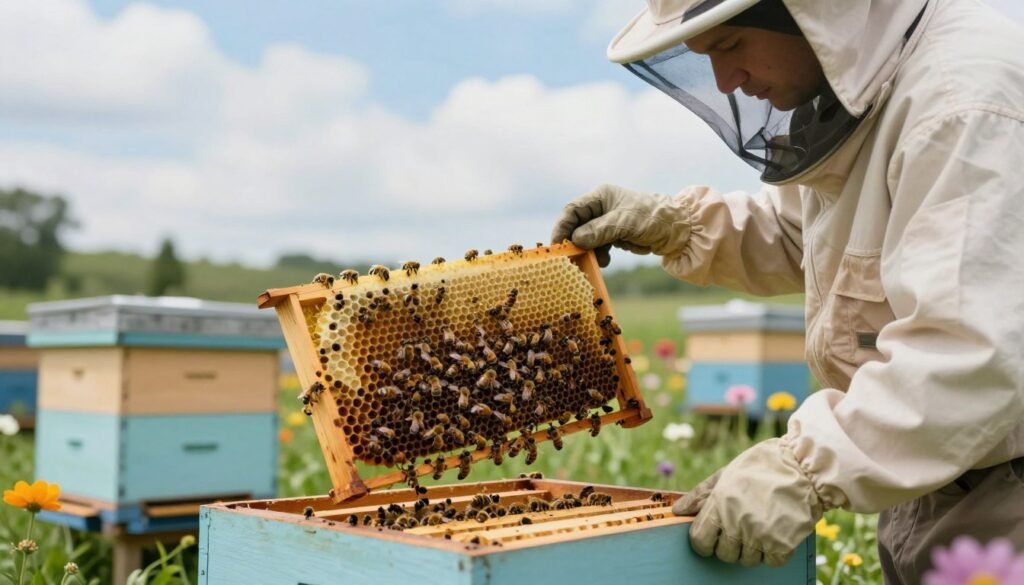
- Time checks for calmer, warmer hours after a couple of cold days.
- Shelter hives from wind and direct exposure to protect queens and brood.
- Inspect only when you plan a clear change—rearrange frames, add food, or place the queen in a cage.
“If your visit won’t change holdings, give the colony space; small disturbances add up.”
Keeping hives in a sheltered spot reduces repeat balling risk over the year. For insight on sudden aggression and acceptance issues, see why bees are aggressive suddenly.
Alternative Methods for Colony Requeening
Letting the hive rear its own ruler is a low-stress path many beekeepers use when introductions fail.
JeffH recommends adding a frame of brood with eggs or very young larvae every 7–10 days. Repeat that for a couple of weeks while you watch for queen cells.
This method takes patience but avoids repeated introductions and the risk of worker aggression or colony death. Most colonies will raise one viable queen when given fresh brood and time.
Steps at a glance:
- Add a frame with eggs or young larvae every 7–10 days.
- Limit full inspections; keep disturbances low while cells develop.
- Wait until you see sealed cells before deciding the next move.
“Allowing natural rearing often yields a queen well matched to local conditions.”
For hive setup tips that support natural rearing and stable hives, consult this beehive installation guide.
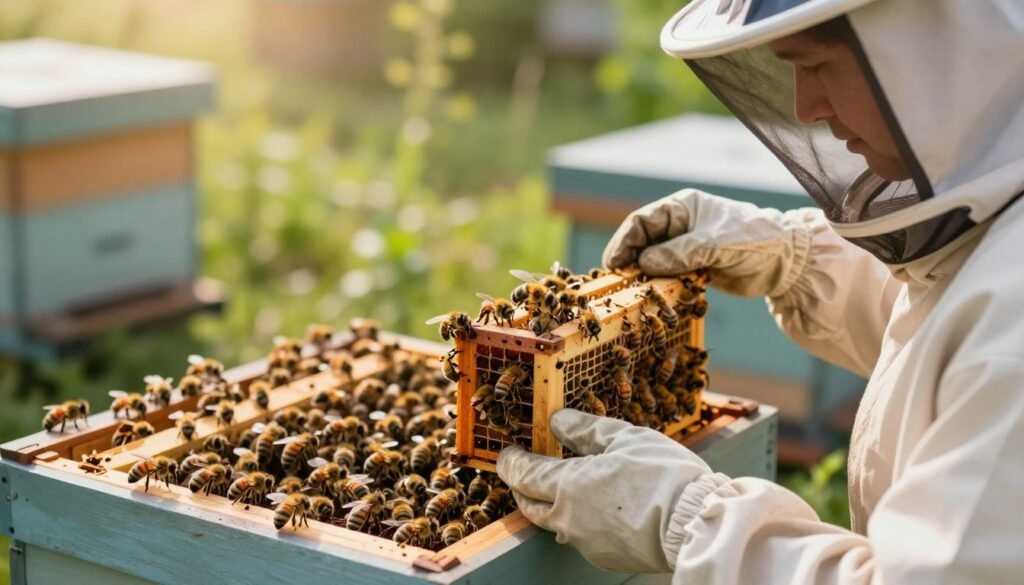
Conclusion
, Patience and gentle handling make the biggest difference after an aggression event. Small, steady actions and calm observation help the hive recover and keep brood healthy.
Thanks to the many beekeepers who shared tips in forum posts over the years. Your practical notes save time and teach better instincts for future visits.
Take time each day for short checks. Learn from each incident and use those lessons to protect future rulers and maintain productive, resilient hives for coming seasons.