How to Price Nucleus Colonies for Sale

Discover the best practices on how to price nucleus colonies for sale. Maximize your beekeeping business profits with our tips.

Setting a fair, competitive rate begins with clear knowledge of current market value. A standard 2026 spring nucleus colony often lists at $215.00, reflecting demand and the cost of healthy stock.

Buyers expect a ready start for their hive, complete with a productive queen and active bees. Offering a robust nucleus colony justifies a premium and builds trust with local beekeepers.

Keep deposit policies transparent; many breeders request a $40 deposit per unit to secure orders and protect inventory. Clear scheduling and pickup windows for spring help manage expectations and operations.

For tiered pricing, availability details, and pickup timelines, consult reputable sources that list current tiers and deposit rules, such as a regional seller’s nuc page or a buyer’s guide on packaged bees.

Key Takeaways

  • Market benchmark: 2026 spring nucleus colony often set at $215.00.
  • Value matters: Healthy stock with a queen justifies higher rates.
  • Deposit clarity: Use a clear $40 deposit policy to protect orders.
  • Timing: Set firm pickup windows for spring availability.
  • Reputation: High-quality nuclei build repeat business and referrals.
  • Further reading: See regional pricing tiers and ordering details at VT Bees nucs and buying guidance at Beekeepers Realm.

Factors Influencing How to Price Nucleus Colonies for Sale

Local demand and seasonal shifts shape what sellers can reasonably charge for healthy nucs. Clear details about frames, brood, and queen stock help buyers compare offers and understand value.

Market Demand and Seasonality

Market interest in bees peaks in early spring, which often raises costs near peak demand. Weather and the expected pickup date affect availability and development time.

Tip: Collecting a deposit early secures orders and smooths inventory planning.

Quality and Genetics

A high-quality nucleus should include five deep frames with brood in all stages, plus honey and pollen to support growth. Italian and Buckfast hybrid queens command higher attention and often justify a premium.

Factor in shipping logistics and handling gear, such as a mesh nuc bag, when finalizing the asking amount. For more practical guidance, see this urban beekeeping guide and advice on inspecting stock at purchase in this inspect purchased nucs resource.

Essential Components of Your Pricing Strategy

Base your strategy on tangible inventory: frames with brood, queen lineage, and honey stores.

Benchmark costs: Use known references when you set your cost. Golden Hills Apiary lists a $190 base for a five-frame nuc. That figure helps anchor local comparisons.

Deposit policy: A $100 non-refundable deposit is common practice to secure orders for spring. Deposits protect your operation from last-minute cancellations and prioritize buyers who commit early.

Itemize the product: Clearly state what the buyer receives — number of frames, queen type, brood stages, pollen and honey stores. A detailed breakdown makes the total cost transparent and easier to justify.

Logistics and fees: Factor shipping or transport for live bees into the final amount. Careful handling and legal compliance raise expenses and affect delivery windows.

For practical setup and installation tips, link customers to a guide on obtaining and installing a nucleus colony. If buyers need timing guidance, suggest reading about the best time to start beekeeping.

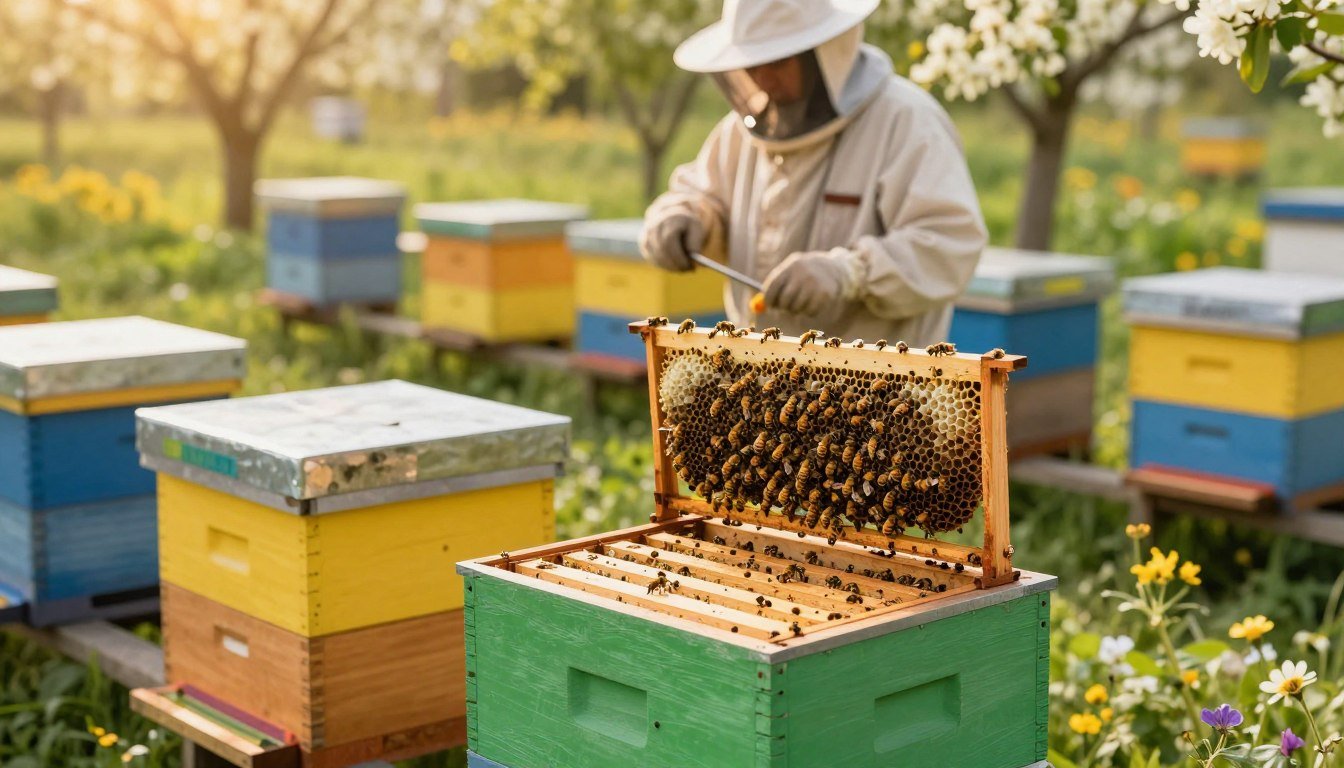
A vibrant, detailed illustration of a nucleus colony, showcasing a well-organized cluster of bees actively working together in a natural setting. In the foreground, a close-up view reveals the bees buzzing around their queen, with intricate patterns of honeycomb filled with golden honey. The middle ground features lush greenery like blooming wildflowers and nearby foliage, illustrating a healthy ecosystem. In the background, a soft-focus hive stands under dappled sunlight filtering through tree branches, casting gentle shadows. The atmosphere is lively yet serene, embodying the harmony of nature. Use a warm color palette to enhance the inviting mood, with a shallow depth of field to emphasize the bees while keeping the background subtly blurred, evoking a sense of focus on the essential components of a thriving colony.

Managing Operational Costs and Logistics

Managing logistics well prevents last-minute disruptions during the busy spring season. Clear rules cut confusion and keep stock healthy.

Accounting for Deposits and Fees

Collect a $5 queen-marking fee at deposit time to streamline checkout and cover materials. That small fee reduces paperwork and speeds pick up.

Require 48-hours notice before any pickup. This gives time for final brood and frames checks and for safe preparation of the hive and product.

  • List pickup points clearly, such as Keota or Riverside, Iowa, and include exact date windows.
  • Track deposits and orders in a simple ledger or spreadsheet to control cost and inventory.
  • Provide transport guidance, such as using a mesh nuc bag, to protect bees during shipping or transit.

If weather shifts, notify buyers promptly and offer a new pickup date. Clear communication preserves reputation and supports a smooth beekeeping season.

For more practical guidance on managing orders and side income from bees, see beekeeping as a side income.

Conclusion

A transparent offering that shows frames, stores, and queen details wins repeat clients.

Balance market demand with real costs by listing what each nuc includes and the health markers buyers need. Keep orders organized with a clear deposit system and mention queen marking fees up front.

Maintain steady communication about pickup windows and transport best practices. Link interested buyers to a concise guide to buying bees and a practical best nuc box for transporting bees.

Focus on genetics and clear rates to build trust and a sustainable business that supports the beekeeping community and healthy nucleus colonies, nucs, and colonies alike.

FAQ

What factors should I consider when setting a price for a nucleus colony?

Evaluate queen genetics and age, brood pattern, frame count, honey and pollen stores, local market demand, and seasonal timing. Include costs for equipment, labor, medication, and transport. Compare similar offerings from local suppliers like Mann Lake or Betterbee to gauge competitive rates.

How does seasonality affect market demand and pricing?

Spring raises demand as beekeepers build apiaries, allowing higher rates. Late summer and fall demand drops as people avoid stressing hives before winter. Weather and local nectar flows also shift buyer willingness to pay.

What role does queen quality play in valuation?

A vigorous, mated queen from reputable breeders like Buckfast or Carniolan stock increases colony value. Queens with proven brood patterns and disease resistance justify premium pricing due to improved survival and productivity.

How many frames of brood and bees should I include in a standard offer?

Common offers include 3–5 frames with a mix of brood, emerging workers, and stored food. Clearly list frame condition and whether wood or plastic frames are used; buyers expect transparency on frame count and contents.

Should I charge a deposit and how much is typical?

Deposits secure orders and cover breeder risk; 20–50% of the total cost is typical. State clear refund and cancellation terms, and use secure payment platforms such as PayPal or Stripe for transactions.

How do I factor shipping or delivery into the final amount?

Calculate fuel, time, legal transport requirements, and protective packaging. Offer local pickup to avoid shipping complexity, or add a flat fee for regional delivery. If using USPS or a courier, disclose tracking and insurance options.

What legal or regulatory issues should influence pricing?

Consider state rules on bee transport, health inspections, and required paperwork. Costs for testing, permits, and compliance add to overhead and should be reflected in your listing price.

How can I present pricing options to different buyer types?

Provide tiered offers: basic nuc with minimal frames, standard with queen and stores, and premium with selected genetics and extra frames. Include clear add-ons like marked queens, medication, or extra frames so buyers can customize.

When should I adjust rates for stock quality or health status?

Lower rates if mites, disease signs, or weak brood appear. Increase rates for exceptional hygiene, low mite counts, or certified disease-free status. Always provide recent health checks in your listing.

How do I communicate availability and order timelines to buyers?

Publish clear dates for pickup or shipping windows, estimated delivery, and lead times for queen mating. Use email confirmations and an order calendar to manage expectations and reduce disputes.

What payment methods and policies increase buyer confidence?

Accept credit cards, PayPal, and bank transfers. Offer receipts, transparent refund policies, and post-sale support. Clear warranties on queen survival or replacement windows builds trust.

How should I research local pricing before setting my rates?

Survey classifieds, local beekeeping clubs, and vendors like Beeline Apiaries or regional co-ops. Track recent sales, note seasonal trends, and adjust for your overhead and unique selling points.

What are common add-on services I can charge for?

Offer queen exchanges, additional frames, hive setup, after-sale support, and disease treatments. Packaging and winter preparation are also billable services that add value for buyers.

How do weather and regional nectar flows affect sale timing?

Late freezes or poor nectar years reduce buyer interest and survival rates, forcing lower prices or delayed sales. Promote nucs when local nectar sources and warm daytime temps favor successful establishment.

How can I ensure pricing stays competitive without sacrificing margins?

Track costs weekly, optimize labor, buy materials in bulk from suppliers like Kelley Beekeeping, and offer limited promotions during slow periods. Maintain clear records to spot profit leaks and adjust offerings accordingly.
Share on Social Media