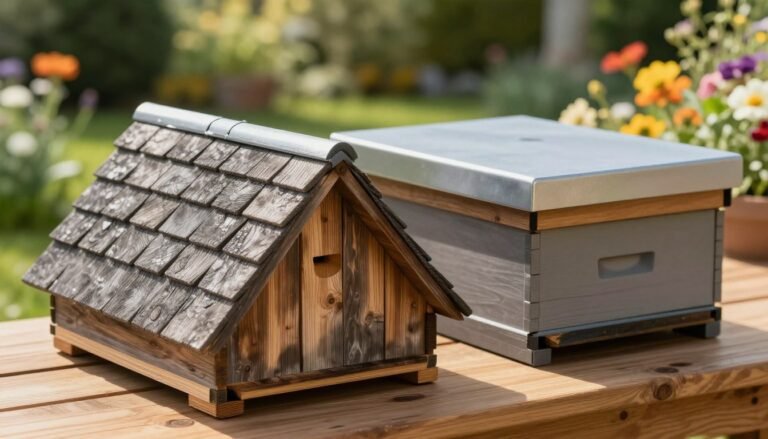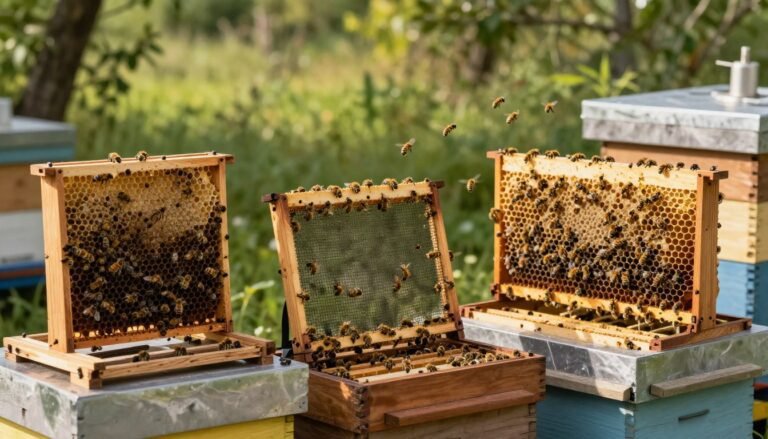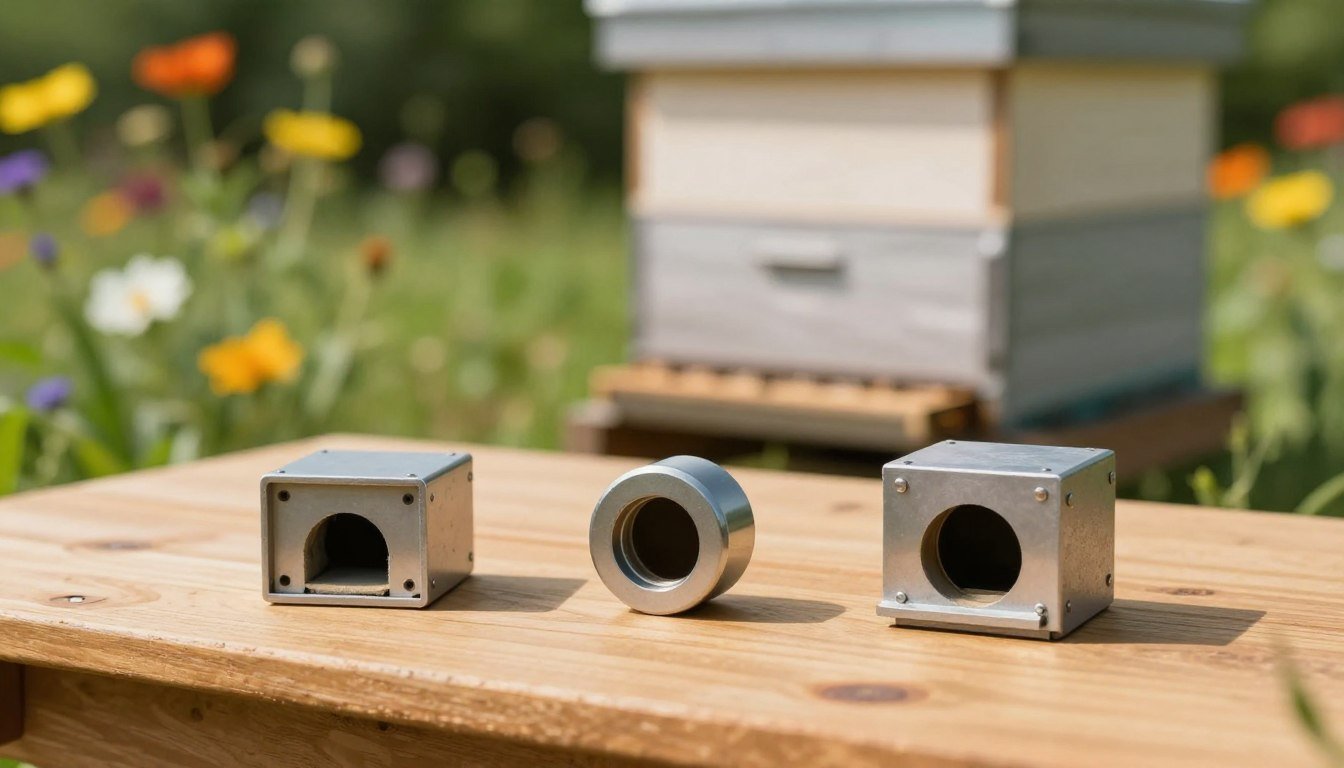
Choosing the right size entrance can make or break a new hive. A correct size controls traffic, defense, and airflow while keeping pests at bay. Foxhound Bee Company offers a universal metal option that fits common 8-frame and 10-frame setups, making it easier for the novice beekeeper to start strong.
Begin with the smallest opening on a new colony and increase the gap as the population grows. Match the component to your bottom board and frame count so feeders and inspections remain easy. Whether you prefer plastic or steel parts, a well-chosen guard protects bees and limits mouse access during winter.
For product comparisons and practical advice, check a detailed guide on entrance reducers and browse community insights at Beekeepers Realm. A proper size choice helps you manage honey flow and long-term colony health.
Key Takeaways
- Start small: Use the smallest opening for new colonies, then expand as needed.
- Ensure the reducer matches your bottom board and frame type to keep equipment compatible.
- Metal and plastic options both work; choose based on durability and budget.
- A good guard reduces mouse problems and helps winter survival.
- Monitor traffic and adjust size to balance defense and honey production.
Understanding the Role of Entrance Reducers in Beekeeping
Field studies suggest that how wide a hive access point is matters to colony behavior and health. Tom Seeley’s work shows wild colonies prefer specific opening widths, and managed apiaries benefit when we mimic those choices.
An effective entrance reducer acts like an inner cover by helping stabilize temperature and airflow. It also shapes traffic so the queen stays in the brood area and the frames remain orderly.
Use the guard as a simple piece of equipment to guide bees to a single doorway. Pair it with a queen excluder or a plastic queen grid to protect honey stores from brood contamination.
Practical tips:
- Mimic natural openings to reduce stress and robber activity.
- Manage the bottom board and feeder position to keep the flow steady.
- Place reducers as a stable landing spot so foragers learn a reliable access point.
Read an effective guide on modular options at modular entrance guides and explore compact apiary layouts in this minimalist setups piece.
Evaluating Entrance Reducer Sizes for Beehives
Choose the notch that matches your colony’s strength to balance defense and airflow during growth.
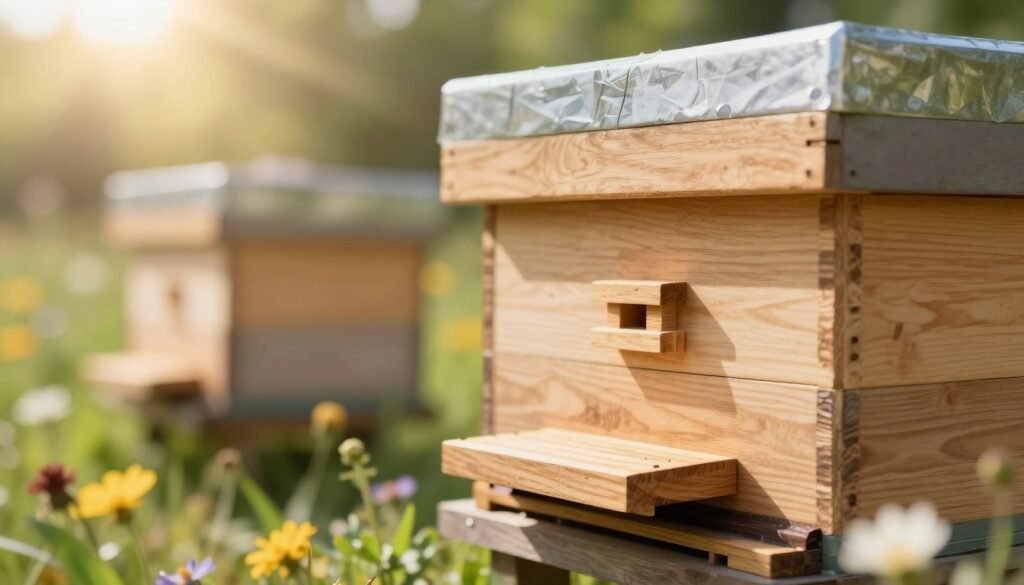
Small Notch
The small notch is ideal for new packages and nucs. It gives maximum defense against robbers and pests while the colony builds brood and settles into frames.
Medium Notch
A medium notch is the transition step. It increases traffic and ventilation without exposing the box too much. Use this when the bee count rises and airflow needs grow.
Full Width
Removing the guard entirely opens the full width of the bottom board. Reserve this for strong colonies during heavy honey flows and high foraging activity.
- Pairing tips: When using a queen excluder or a plastic queen grid, check that the notch does not block ventilation in the hive box.
- The inner cover and the notch work together to keep humidity and temperature stable for brood and honey.
- Careful adjustment prevents poor airflow from harming frame development or feeder performance.
- Learn more about hive insulation and seasonal care in this hive painting and insulation guide.
Seasonal Management and Hive Traffic Control
Seasonal shifts demand that beekeepers tweak hive openings to keep the cluster safe and warm.
Winterizing and Pest Protection
Install an entrance reducer before the cold hits to cut drafts and help the cluster hold temperature.
Many designs include a built-in mouse guard to stop rodents from entering the hive and damaging frames or honey stores. Adjust the opening to match colony strength and local climate.
Control of the access point also limits robbing by other bees and pests. Keep an eye on the bottom board and feeder to avoid congestion as the season changes.
| Feature | Benefit | When to Use |
|---|---|---|
| Small opening | Reduces drafts, eases defense | New colonies / deep winter |
| Mouse guard | Blocks rodents, protects frames | Late fall through early spring |
| Adjustable notch | Balances ventilation and traffic | Seasonal transitions |
For detailed prep steps, read an article on how entrance size shapes bee health and practical winter tips at winterizing hives.
Comparing Material Options for Your Apiary
Choosing the right material affects durability, maintenance, and how your hive performs through seasons.
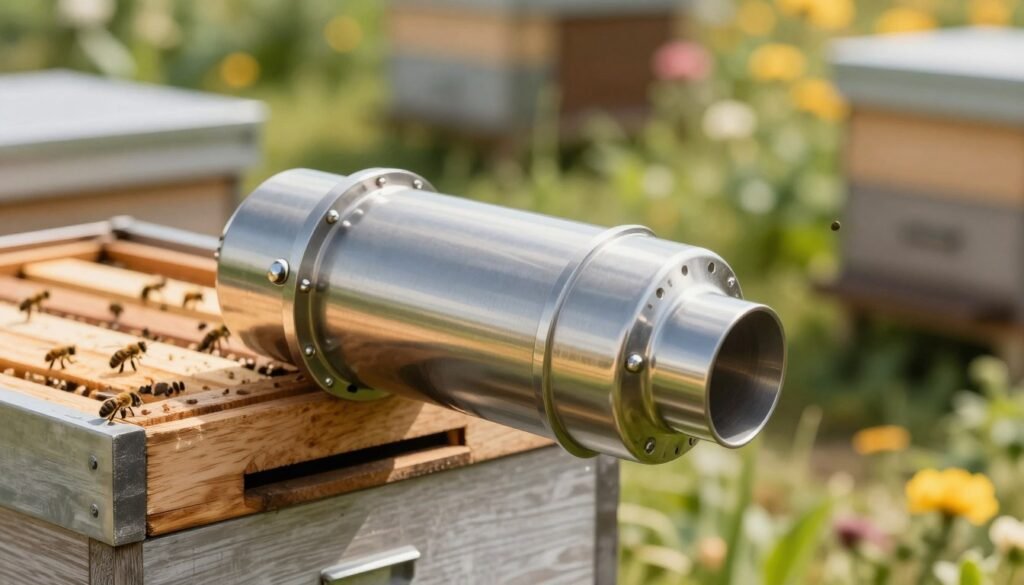
Stainless steel parts, like the heavy gauge sliding models from Foxhound Bee Company, resist rust and hold up in wet climates.
They slide easily to match 8-frame and 10-frame configurations and pair well with your inner cover and bottom board.
Stainless Steel Benefits
Durable: Steel stands up to weather and cleaning.
Adjustable: Sliding designs let you tune airflow and access without swapping parts.
Wooden Construction
Mann Lake’s solid wood pieces fit classic Langstroth setups and offer a natural fit with a wooden cover and box.
Wood blends with traditional equipment and can be sanded or repaired easily in the field.
| Material | Durability | Compatibility | Maintenance |
|---|---|---|---|
| Stainless steel | High — resists corrosion | Fits 8- and 10-frame setups, pairs with inner cover | Wipe clean, low upkeep |
| Solid wood | Medium — may need care | Excellent with wooden boxes and frames | Sand and seal as needed |
| Plastic (note) | Variable — UV can degrade | Lightweight, pairs with feeders and excluders | Replace if brittle |
Tip: Match material choice to your local climate and the rest of your equipment. A quality product protects brood and gives bees reliable access to the feeder and queen excluder.
Learn more about selecting high-grade metal options at best metal entrance guide and explore ways to reduce hive noise and vibration on a proven stand solution at noise-reducing hive stands.
Avoiding Common Pitfalls During Installation
Simple installation mistakes quickly become big problems when a colony ramps up for a honey flow. Check fit, alignment, and clearance before heavy activity begins.
Leave the smallest setting in place during a heavy nectar push and you risk congestion and overheating. That jam can stress the brood and slow honey storage.
Stainless Steel Benefits
Steel parts slide cleanly and resist warping. Properly seated metal reduces gaps at the bottom board that could allow a mouse or other pests to enter.
Foxhound Bee Company offers a 30-day return policy if the part does not fit your box in its original packaging. Check fit early and swap if needed.
Wooden Construction
Wood pieces match classic wooden covers and can be adjusted on site. But poor alignment can interfere with the inner cover or a queen excluder.
Always confirm the feeder remains accessible and that plastic or metal pieces do not block bee traffic. For installation timing and adjustments, see this guide on when to add or remove a. For siting and neighborhood rules, consult how close hives can be to.
Conclusion: Selecting the Right Fit for Your Colony
, The right fit at the hive mouth directly affects brood health, winter survival, and honey flow. Use an entrance reducer that matches colony strength and the layout of your bottom board.
Buy quality gear from trusted suppliers like HONESTBEE so your equipment and products meet commercial expectations. A satisfied customer and reliable parts help beekeepers scale operations while keeping each hive healthy.
Inspect and adjust entrance reducers regularly to balance ventilation and defense. Small tweaks keep bees productive and protect stores of honey. A vigilant beekeeper will extend colony resilience and help multiple hives thrive.
FAQ
What is the best opening width to use when introducing a new colony?
Choose a small opening initially to help the queen and workers settle and to reduce robbing risk. A narrow notch that allows two to three bees abreast works well. As the colony grows and traffic increases, widen the slot or swap to a medium option. Monitor activity and adjust before brood rearing peaks.
How do I modify the slot size for winter and pest control?
In cold months, reduce the entrance to conserve heat and limit mouse access. A tight setting that still permits ventilation prevents condensation. For varroa and hive beetle management, a smaller opening slows invaders and makes inspections easier. Use a guard or metal strip if you need extra protection without blocking airflow.
Can I use metal or plastic guards instead of wood?
Yes. Stainless steel and galvanized options resist wear and are rodent-proof. Plastic pieces are lightweight, inexpensive, and simple to clean. Wooden inserts blend with traditional equipment and absorb moisture differently. Select materials based on durability, hive weight, and local pests.
Is there a standard inner cover opening that works with most feeders and excluders?
Many inner covers accommodate a central oval or rectangular notch compatible with standard feeders and a queen excluder. Measure your top feeder and the inner cover rim before buying. Plastic queen excluders often fit common frames, while steel excluders offer long-term strength.
How do I prevent mice from entering during winter while keeping ventilation?
Install a mouse guard with narrow holes or a screened landing to block rodents but allow air exchange. Position the opening low on the bottom board and use a tight-fitting cover. In heavy mouse areas, combine a metal guard with reduced entry width for best results.
When should I switch from a small to a full-width opening during the season?
Move to a medium notch once you see steady forager traffic and brood expansion. Switch to full width near peak nectar flow to ease unloading. Revert to a smaller setting after the flow ends or before winter. Regular checks let you match the opening to colony strength.
Do entrance modifications affect honey production or colony health?
Proper access sizing supports efficient foraging and reduces stress. Too small a gap can create congestion, raising disease risk. Too large an opening increases robbing and cooling losses. Balanced management improves honey stores and brood development.
Are universal reducers compatible with most box and frame systems?
Many reducers fit Langstroth-style boxes and standard frames, but always confirm dimensions. Some hives need custom fittings or adapters. Plastic and metal products often list compatible hive models; wooden units may require trimming to match your equipment.
How should I install a reducer on a bottom board with a solid versus screened configuration?
On solid bottom boards, place the reducer directly in the entrance gap and ensure a snug fit. For screened bottoms, use a reducer designed to bridge the screen or attach a guard that secures to the front. Secure fasteners to prevent shifting during inspections.
Can entrance adjustments help control robbing and aggressive neighbors?
Yes. Narrowing the opening and adding a landing or guard can deter robbers and reduce confrontations. Perform manipulations during low activity times and avoid exposing frames. Combining entry management with good hive placement and strong colony care lowers conflict.