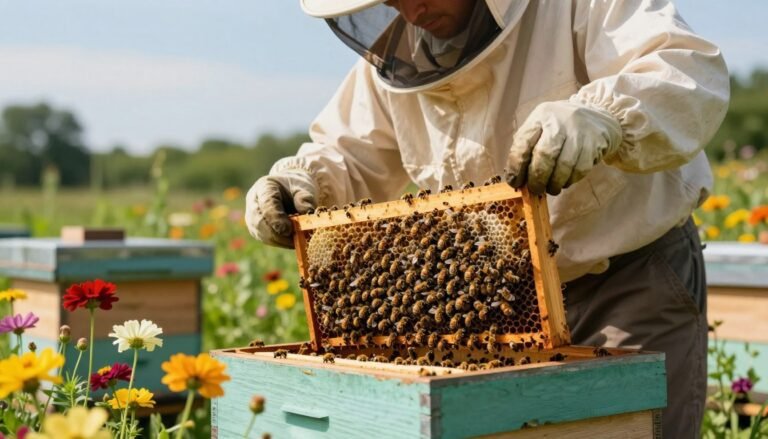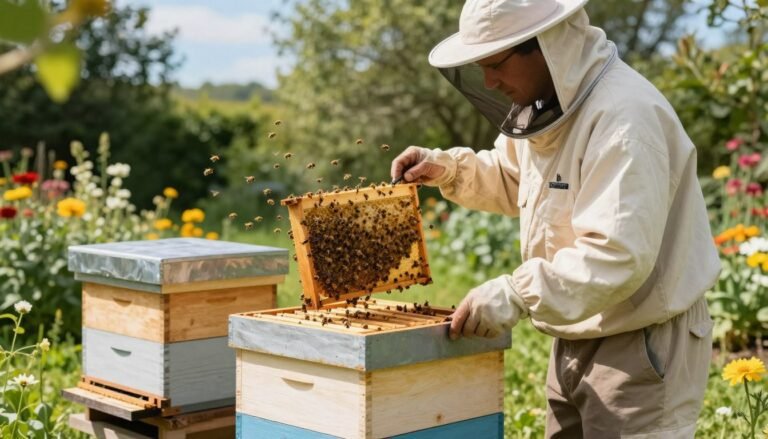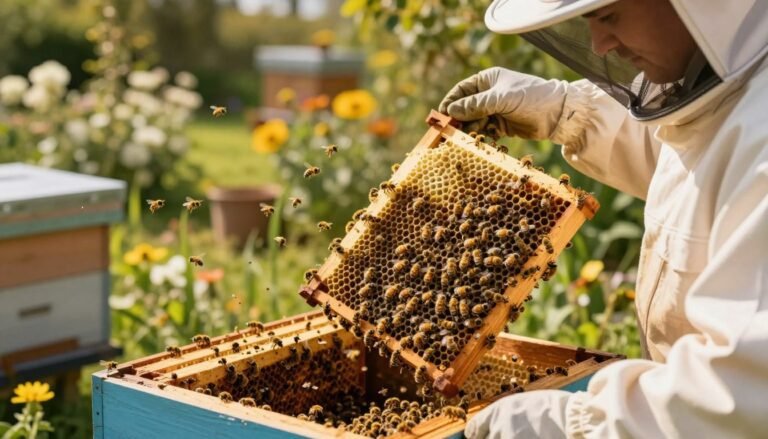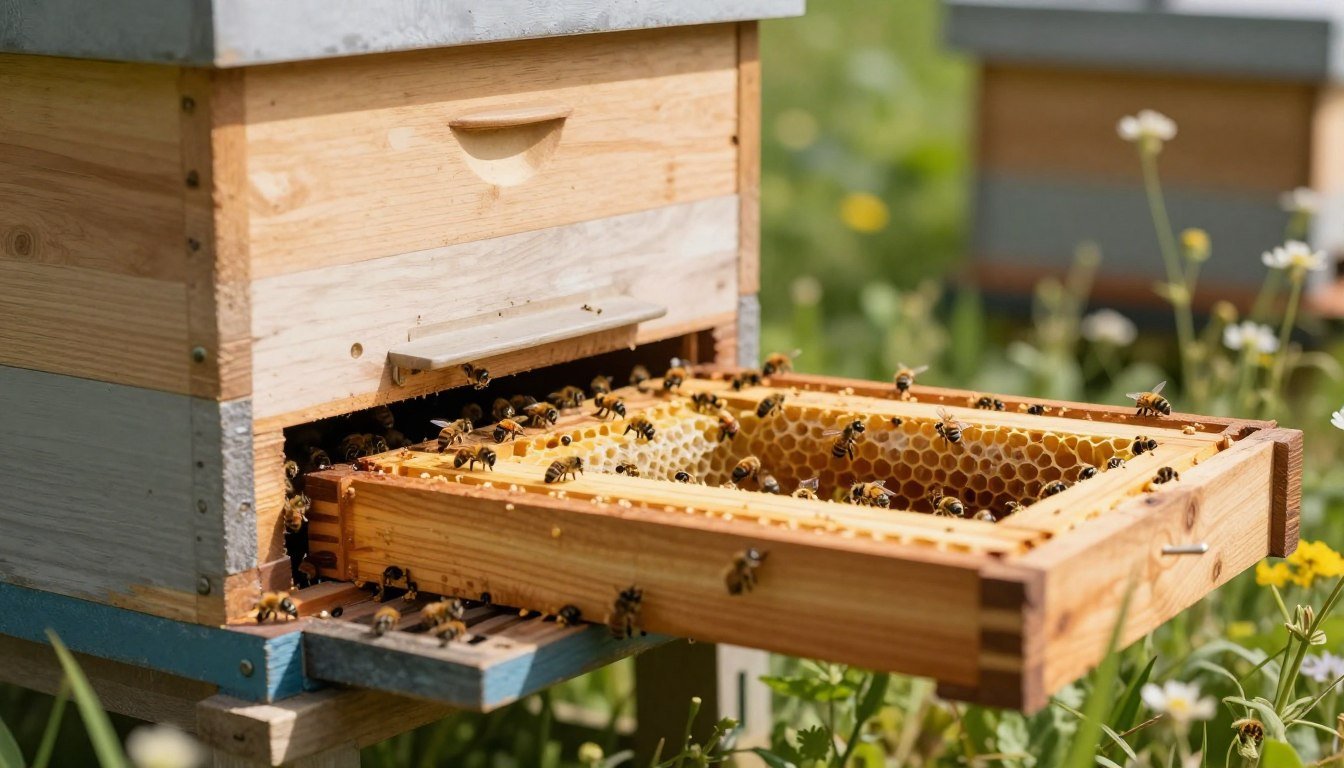
Controlling the hive opening makes a big difference in colony health. A small cutout helps bees maintain stable temperature and manage air flow. It also concentrates guards, which limits robber bees and other predators.
Research by Tom Seeley shows wild honey bees prefer a nest opening near 1.5–2.5 square inches. By comparison, a wide open 10-frame Langstroth entrance is about 10.5 square inches. That shows why many beekeepers use a reducer to trim access.
Whether you choose wood, metal, or plastic, the goal is the same: a defendable opening that balances ventilation and protection. Learn practical sizing and timing tips to adjust the opening as your hive grows. For guidance on specific reducer types and fits, see this helpful resource on choosing an entrance reducer hive.
Key Takeaways
- Small openings help keep heat and focus guard bees at a single point.
- Wild bees favor about 1.5–2.5 in², a useful target when sizing a reducer.
- Reducers improve ventilation control and reduce pest and robber bee pressure.
- Use durable materials—wood, metal, or UV-stable plastic—based on weather needs.
- Widen the opening in warm months as colony traffic and foraging increase.
Understanding the Role of Entrance Reducers
Controlling the entry on a hive helps bees maintain steady temperature and manage air flow. A reduced opening concentrates guard activity. That makes it harder for robbers and predators to find easy access.
Defining the Purpose
An entrance reducer limits access so the colony can keep warmth and regulate ventilation. Beekeepers often use these pieces as a practical barrier in cool months when populations dip.
Benefits for Colony Stability
Entrance reducers help protect weak colonies by making it easier for guard bees to monitor traffic. The device also blocks mice and larger predators from entering the hive.
- Stabilizes temperature and air flow inside the beehive.
- Simplifies management as colony size changes through the year.
- Acts as a focused defense point so guards can deter robbers.
For specific mouse guard options and fitting ideas, see this guide on entrance reducer hive.
Determining the Best Entrance Reducer Setting for New Packages
A compact opening is the safest start when you move a package into a hive. Set the notch to the smallest option so the young colony can guard a tight point.
Place the reducer on the bottom board centered under the frames. This gives bees a direct flight path and makes it easier for guards to patrol traffic.

Watch activity over the first weeks. As worker numbers climb, rotate the reducer one size larger to ease congestion and improve air flow.
- Start small: minimizes access for robbers and predators.
- Adjust with time: increase notch size after a month or when traffic grows.
- Placement matters: a secure fit on the bottom board keeps entry predictable.
Keeping the opening tight early on helps the colony establish brood patterns and conserve temperature. This simple tactic supports healthy growth through the season.
Why New Colonies Require Restricted Access
A tight access point gives a developing hive the defensive edge it needs in its first weeks.
Supporting Weak Colonies
Smaller openings matter when worker numbers are low. A reduced entrance makes it easier for guard bees to monitor traffic and stop robbers before they enter the hive.
Limiting access also helps with temperature control. A compact entry reduces drafts and cuts wide temperature swings, so the colony can keep brood at the right warmth.
- Reducers help protect vulnerable colonies by shrinking the space guards must defend.
- Restricted access keeps stronger hives from robbing honey and resources during early establishment.
- A small opening reduces the area to patrol, letting bees focus on brood care and foraging.
- Proper ventilation and air flow continue through a reduced notch, preventing excessive heat loss.
- Beekeepers should watch the entrance at the bottom board to ensure traffic is not jammed.
Using a wood, metal, or plastic reducer for the short term gives the colony a secure start. With time, expand the access as the population and frame activity increase.
Protecting Your Hive from Robber Bees
Robbing occurs when forager bees from one colony invade another hive to steal stored honey. A quick strike can overwhelm a weak colony and cause heavy losses.
Physical defenses matter. Using a small opening gives guard bees a single point to challenge intruders. In many cases, entrance reducers help prevent robbing by forcing foreign bees into a bottleneck.
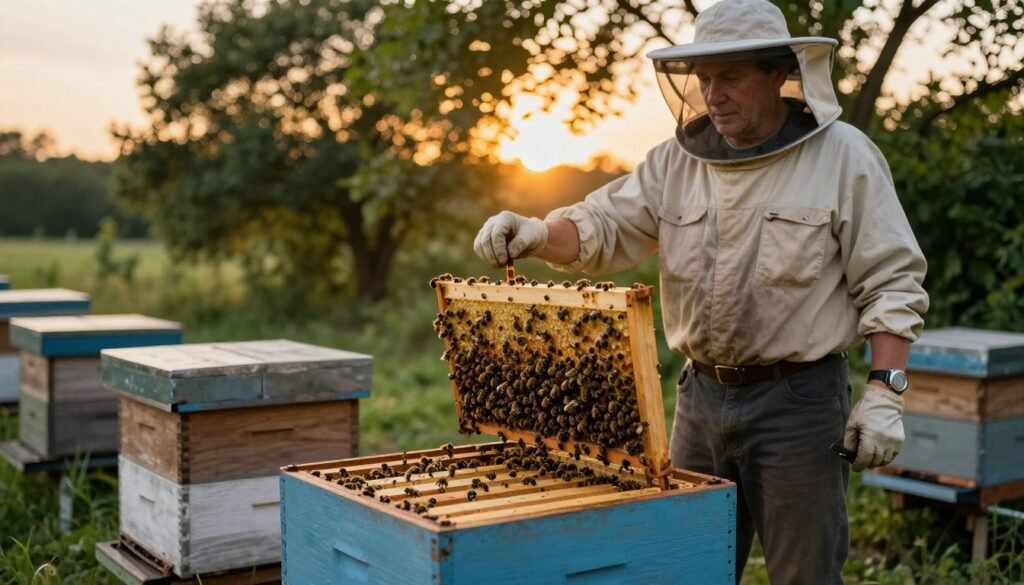
Beekeepers should keep the notch tight while the colony bolsters worker numbers. A snug fit on the bottom board makes it easier to turn away robbers and slows attackers long enough for guards to respond.
- Reducers help by creating a defendable choke point.
- Weak colonies are most at risk; use a reduced entrance until strength returns.
- Don’t make the opening so small that heavy nectar flow jams traffic.
- These devices may not stop a full-scale raid once it starts, so watch hives and act fast.
For practical steps to detect and manage raids, see how to manage robbing in your bee yard. Timely action and the right use entrance approach reduce stress and protect stores.
Managing Ventilation and Airflow
Airflow through the entrance affects how well a colony holds heat and removes excess moisture. Bees balance temperature by adding heat in the brood nest or cooling via fanning when needed.
Temperature Regulation
A fully open entrance gives maximum ventilation but can cause heat loss and swings in cold weather. Use a reducer to limit the opening size during cool months so the hive conserves warmth.
In summer, widen the notch to let hot air escape and improve circulation. Watch the bees’ behavior at the entrance to decide the right time to change the size.
Bees fan to move air and reduce humidity. Good flow prevents condensation that can chill the brood or spoil honey stores.
- Balance ventilation: enough flow to keep humidity down without letting heat drain away.
- Adjust with weather: smaller openings in cold, larger in heat to aid cooling.
- Observe traffic: bee activity at the entrance gives clear clues about ventilation needs.
For ideas on alternative options and materials, see hive entrance alternatives at hive entrance reducer alternatives. Proper use of entrance reducers gives bees the framework they need to manage their environment effectively.
Selecting the Right Material for Your Needs
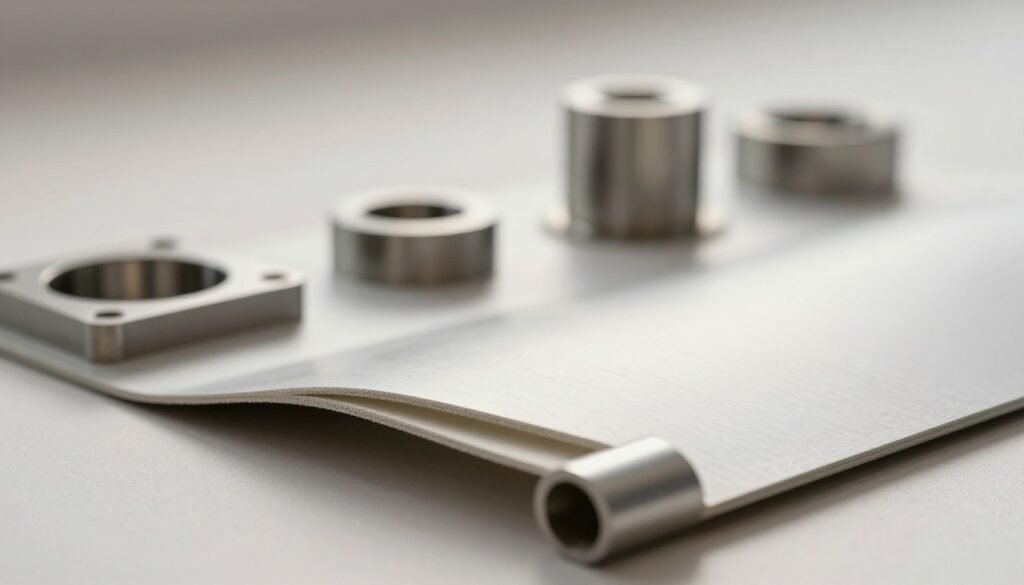
Selecting the right construction can change how well a hive breathes and defends itself. Material choice affects durability, pest control, and how easy the device is to adjust over time.
Wooden options are common. Foxhound Bee Company uses cypress, prized for rot resistance and steady performance in both small and large colonies. Many wood designs include notches that let you change the opening size as the colony grows.
Metal and plastic models often offer quick adjustment. Polypropylene pieces resist UV and moisture and can make seasonal changes faster. Some modern designs add features that help limit pests like varroa or small hive beetle.
- Match material to climate and maintenance needs.
- Consider durability, ease of installation, and ventilation impact.
- Remember the main job: a controlled, secure entrance for your bees.
For related gear ideas, see this concise pollen trap guide to pair with your hive tools.
Proper Installation Techniques
Slide the entrance reducer snugly between the bottom box and the bottom board of a 10-frame Langstroth hive. The common wooden size is 3/4″ x 3/4″ x 14-5/8″ wide and fits most standard bottoms.
Align the notches so openings face downward. That orientation gives bees a clear passage and helps gravity clear debris away from the opening.
Regular Cleaning and Inspection
Inspect the entrance monthly, especially during winter. Pull the piece out to remove any dead bees that accumulate behind it.
A snug fit is ideal, but if a piece does not match perfectly it can still work well as long as it channels bee traffic and helps with ventilation. Avoid painting wooden parts; bees may chew paint and cause damage.
- Fit: slide in tight between box and board.
- Orientation: notches down for clear passage.
- Maintenance: monthly winter checks to clear dead bees and wax.
| Issue | Frequency | Action |
|---|---|---|
| Blocked opening (dead bees) | Monthly in winter | Remove reducer, clear debris, re-seat |
| Poor fit | As needed | Use temporary shim or replace with better sized piece |
| Paint damage | After inspection | Remove paint; use raw wood or UV-stable, chew-resistant material |
For additional timing and removal notes consult guidance on when to add or remove a reducer at when to add or remove a. For related tools and queen handling tips see an introduction guide to queen cages.
Seasonal Adjustments for Hive Health
Adjusting the opening as the year moves from bloom to chill helps colonies conserve energy and thrive.
During a heavy nectar flow, remove smaller panels to prevent traffic jams and to maximize foraging. A wide access point lets many bees leave and return without congestion and supports higher honey production.
In fall and early winter, reduce the notch to block cold drafts and deter mice or small mammals that seek shelter in hives. A tighter entry also helps the colony hold heat and stabilize internal ventilation.
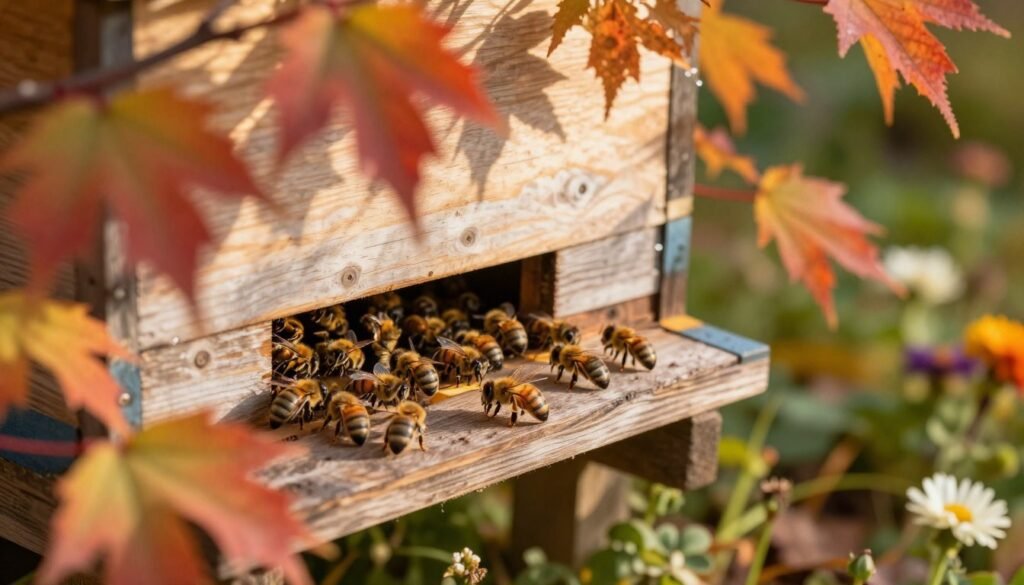
- Seasonal adjustments match hive needs from spring through winter.
- Open the entrance during peak flow to improve foraging efficiency.
- Close down as temperatures drop to protect brood and stores.
- Monitor colony strength and alter the size as the population changes.
| Season | Recommended Entrance Action | Reason |
|---|---|---|
| Spring (build-up) | Start reduced, open gradually | Protect small populations while allowing growth |
| Peak nectar flow (summer) | Open fully | Prevent congestion and maximize foraging |
| Fall/Winter | Reduce to small opening | Block cold, snow, and rodents; conserve heat |
Beekeepers should watch traffic and adjust as needed. For a practical timetable on removal, see when to remove the entrance reducer. Timely changes help the colony maintain a stable environment and long-term health.
Monitoring Traffic to Prevent Congestion
A crowded hive entrance on a warm afternoon is often the clearest signal that the opening needs to grow. Watch returning bees and note any steady line at the flight hole. Congestion there can slow work inside the hive and hurt honey production.
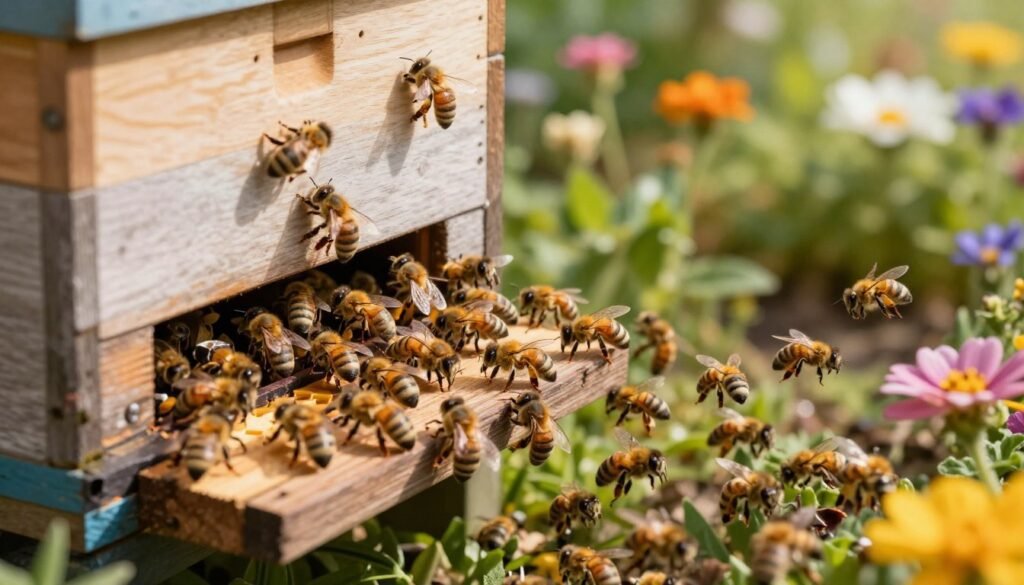
Observe the bottom board during peak foraging hours. If workers wait to enter, the current entrance reducer may be too small. Rotating the reducer to a larger notch can clear the backlog quickly and restore smooth traffic.
- Simple checks: stand nearby on warm afternoons to gauge flow.
- If the bees struggle to enter or exit, the opening size restricts activity.
- Adjusting the reducer eases pressure and helps ventilation and movement.
- Consistent observation lets beekeepers prevent lost foraging time and stress.
Keep notes on each hive so changes match seasonal needs. Timely tweaks to entrance reducers and reducers maintain steady traffic and let the colony focus on foraging and brood care.
Troubleshooting Common Fitting Issues
Minor cutting differences between suppliers often mean a reducer may sit too tight or too loose in the bottom board. This is common and usually simple to fix without harming the colony.
If the piece is tight, a light sanding on the edges will ease insertion and removal. Sand gradually and test the fit so the part still channels traffic cleanly.
When a reducer is loose, add a small shim or thin strip of wood to secure it. A snug hold stops drafts and keeps small pests out while maintaining ventilation.
- Suppliers vary; expect slight dimension differences in hive gear.
- Sand tight edges; use shims for pieces that wobble.
- Temporary items like sticks or rocks can work in emergencies if they do not fully block the opening.
- The priority is that the reducer effectively limits the opening and protects the bees and stores.
Practical tip: a reducer that won’t slide all the way in can still be useful if it funnels bee traffic and keeps pests at bay. For timing on when to change or remove this piece, see guidance on when to add or remove a. To protect hives in cold weather, consider supplemental wrap options in this guide to hive wrap for cold climates.
Creative Alternatives for Emergency Situations
When a sudden raid threatens a hive, quick improvisation can buy a colony time until a proper tool arrives.

Use only non-toxic, natural items to narrow a flight hole when a standard entrance reducer is not at hand.
Sticks, small rocks, or a tight handful of grass can act as a temporary reducer and slow attackers. These items create a chokepoint that helps guards respond and can help prevent robbing while you prepare a permanent piece.
“Be prepared and act fast.”
- Quick fixes: natural materials block wide gaps and steady traffic.
- Temporary role: swap the improvised reducer for a proper entrance reducers as soon as possible.
- Advanced option: robbing screens add deception and often outperform simple reducers during heavy raids.
- Safety note: ensure anything used poses no risk to the colony or ventilation.
Practical readers and beekeepers may also find regular tips helpful; see weekly notes at Avg Joe Weekly Tips.
Conclusion
Careful control of the hive opening helps a healthy, resilient colony grow. Use entrance reducers to manage traffic, keep pests at bay, and balance ventilation through the seasons. Watch activity and change the notch as population and weather shift.
Observe your hives regularly and act on what you see. A small change can prevent robbing and protect brood. Use resources like this guide to beehive entrance management and a practical fall feeder guide when planning adjustments.
Good beekeeping relies on simple tools and steady care. Keep a strong, frequent watch and let measured use of reducers support each colony season by season.
FAQ
What is the recommended entrance reducer setting when placing a new package of bees into a hive?
Use a small opening that allows a steady stream of returning foragers but limits wide access by other insects. Typically a 3/8″ to 1/2″ gap works well for a new colony during its first weeks. This provides security while giving space for queens and workers to move and for ventilation. Adjust as the colony builds up.
Why do entrance controls help newly installed colonies?
A reduced opening lowers stress on the bees by cutting traffic, easing orientation flights, and reducing exposure to predators and robbing. It also helps the workers focus on brood care and resource collection without defending a large front.
How do entrance devices support weak or small colonies?
Limiting the doorway concentrates the colony’s workforce on internal tasks and defense. Small openings make it easier for fewer guard bees to repel intruders and reduce heat loss during cool nights, helping a weak colony conserve energy.
How do entrance limits prevent robber bees and hive raids?
Narrow access points create bottlenecks that defending bees can monitor and control. This discourages robbers and makes it easier to identify aggressors quickly. During nectar dearths or when moving frames with honey, keep the opening tight to reduce theft risk.
How should I balance ventilation and protection with a reducer in place?
Ensure the gap allows for natural air circulation and cooling while still restricting undesired visitors. In warm weather, increase the opening slightly or add ventilation holes above the frames. In cool weather, keep the gap smaller to retain heat.
Does the material of the reducer matter—plastic, wood, or metal?
Yes. Wood blends with hive bodies and resists warping; plastic is lightweight, easy to clean, and often adjustable; metal is durable but can heat up in sun. Choose based on climate, maintenance habits, and how often you’ll change settings.
What are best practices when installing a reducer on a deep or bottom-board hive?
Place the reducer flush with the bottom board entrance so returning bees have a clear lane. For top entrances or screened bottom boards, use a reducer designed for that layout. Inspect alignment after installation to avoid pinched bees or gaps that allow access.
How often should I clean and inspect the reducer and entrance area?
Check the entrance and reducer at least once every two weeks during active seasons and after storms. Remove propolis, dead bees, and debris. Clean plastic or metal pieces with mild soap and water; lightly sand wooden parts if buildup occurs.
When should I widen the opening as the colony grows?
Gradually enlarge the gap as you see consistent traffic, increased brood, and a healthy guard force—usually 3–6 weeks after installation. If traffic slows or robbing starts, reduce the opening again until the colony strengthens.
How do seasonal changes affect reducer use throughout the year?
In spring and summer, open the entrance more to support heavy forager traffic and cooling. During fall and winter, constrict the access to conserve heat and block pests. Make changes incrementally and monitor bee behavior after each adjustment.
What signs indicate congestion or poor traffic flow at the entrance?
Watch for clustering, bees balking at the opening, or a buildup of bees on the landing board. Excessive mid-day queuing suggests the opening is too small. Modify the gap or add a temporary landing extension to smooth traffic.
What common fitting problems occur with reducers and how do I fix them?
Problems include gaps that allow robbers, warped pieces that pinch bees, and loose fittings that fall out. Replace warped wood, secure loose parts with non-toxic fasteners, and test fit in varied weather conditions before relying on a particular reducer.
Are there quick alternatives if I lose a reducer or need an emergency fix?
Yes. Use a split block of wood, a strip of inner cover, or a folded piece of corrugated plastic to create a temporary narrow slot. Avoid adhesives that off-gas. These options let you restore controlled access until a permanent reducer is available.
How do I prevent predators and pests from exploiting the entrance while using a reducer?
Keep the area clear of vegetation and debris, install mouse guards in fall, and check nightly for skunks, ants, or wax moth activity. A small landing board and narrow slot make it harder for larger predators to reach inside.
Can using a reducer affect honey flow or foraging behavior?
Properly sized openings do not impede foraging; they focus the colony’s defensive effort. If you restrict access too much during a major nectar flow, you could bottle up traffic. Monitor forager numbers and widen the opening during peak flow periods.