How to Avoid Air Bubbles When Bottling Honey: 7 Steps
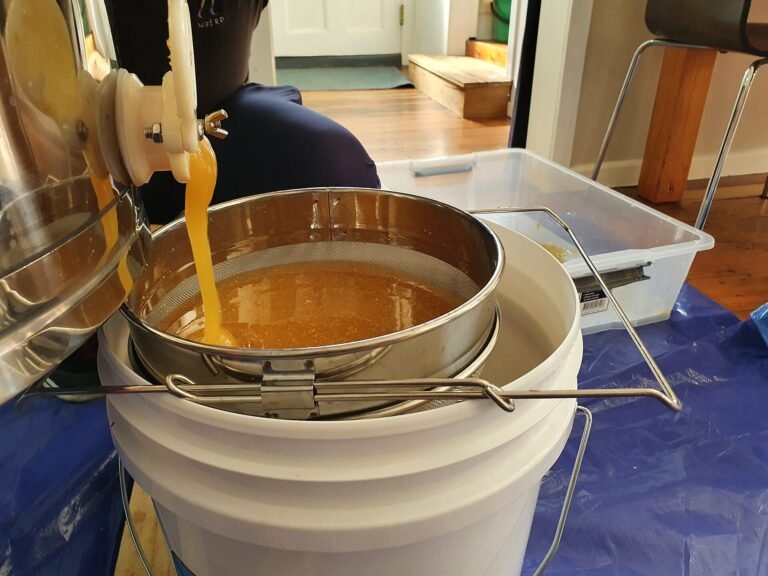
Settle honey warm, skim the foam, and fill from a bottom gate down a tilted jar. See why temperature and tank depth decide how fast bubbles clear.


Settle honey warm, skim the foam, and fill from a bottom gate down a tilted jar. See why temperature and tank depth decide how fast bubbles clear.
Uncover the distinctions between water activity in honey vs moisture content. Explore their roles in determining honey's stability and quality.
Get a clear understanding of honey pH vs acidity explained. Our step-by-step guide helps you differentiate and measure honey's pH and acidity with ease.
Learn what HMF in honey explained simply means and its significance in beekeeping and honey production today. Get started with our beginner's guide now.
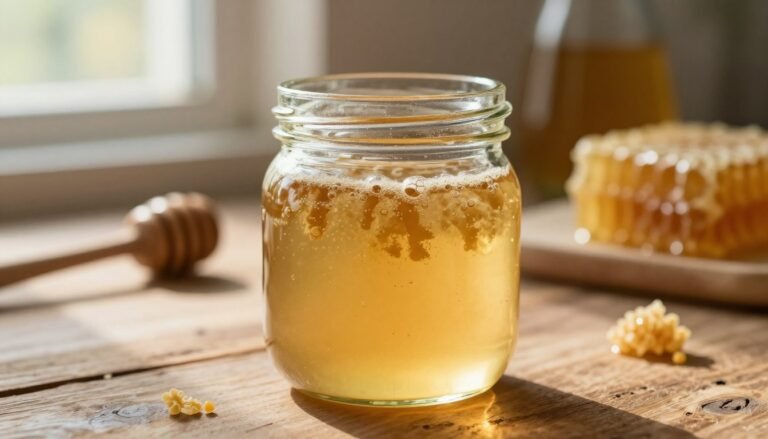
Honey ferments after bottling when too much water lets wild yeasts grow. See the moisture thresholds, six common causes and how to diagnose a jar by symptom.
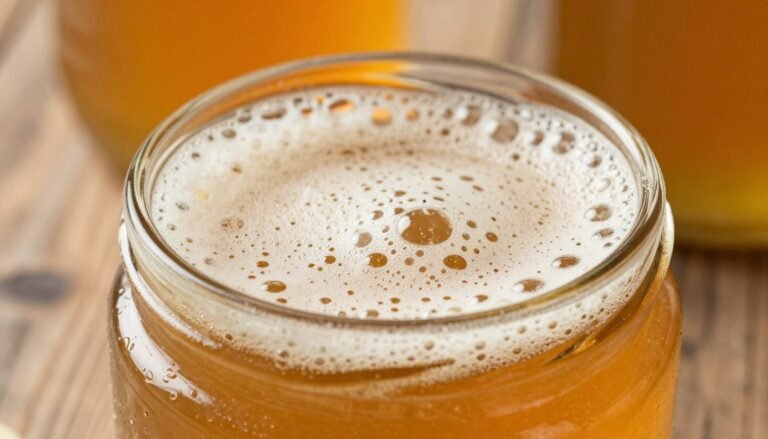
Foam on honey after bottling is slow-rising air, wax and pollen, and it is safe to eat. Why it shows up a day later, how to spot fermentation, and how to stop it.
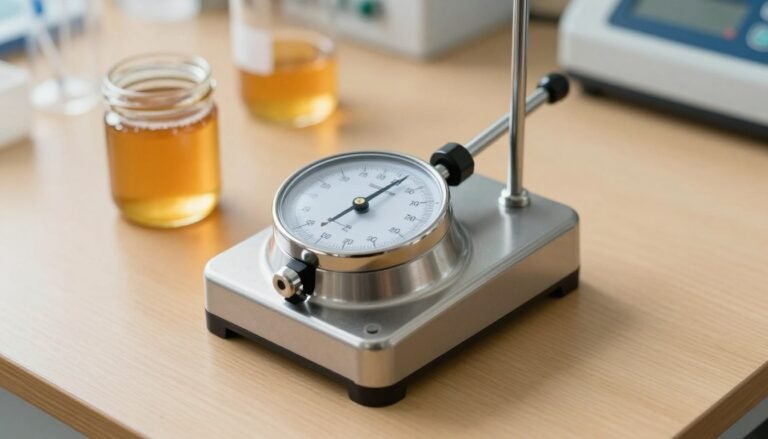
Learn how to test honey moisture with a refractometer in simple steps. Our guide provides detailed instructions for accurate honey moisture measurement.
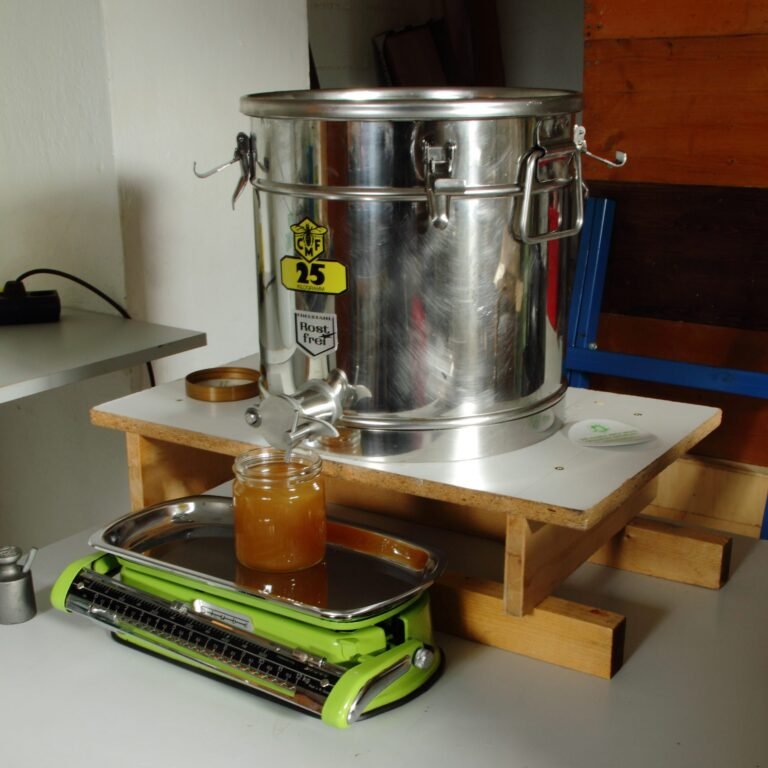
Lot tracking for direct-to-consumer honey: a date-based lot (batch) code on every jar, four simple logs and a complaint plan, so one bad jar never means recalling your whole season.
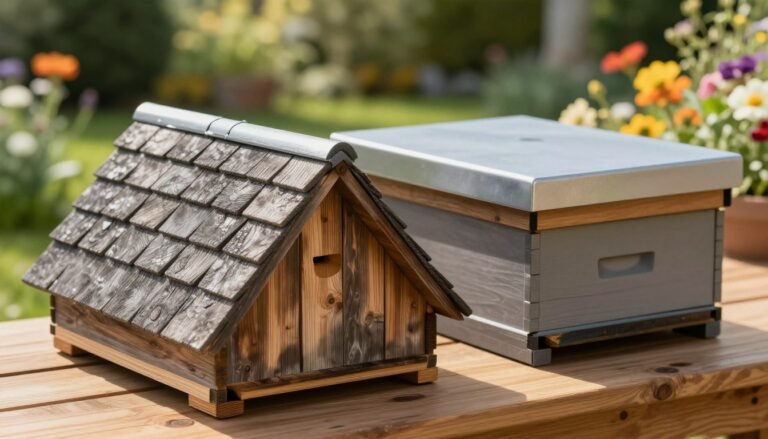
Gabled vs flat beehive covers compared: rain and snow shedding, space for insulation and ventilation, stacking and transport, wind, cost, and looks.