Honey Quality Checklist Before Labeling for Sale
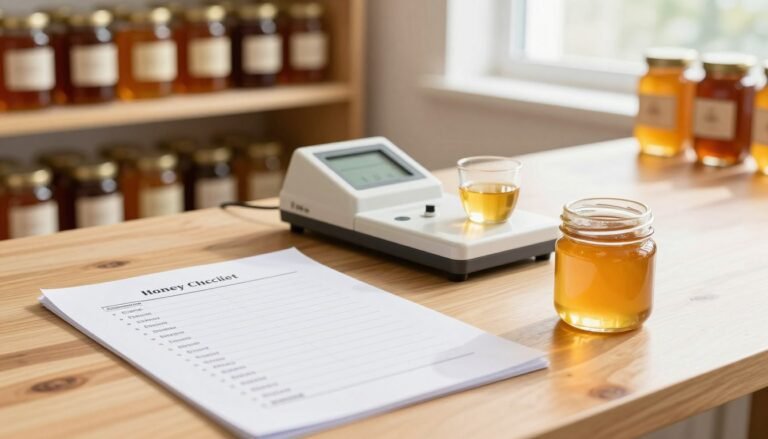
Ensure your honey meets the highest standards with our comprehensive honey quality checklist before labeling for sale. Follow these essential steps for a successful product launch.


Ensure your honey meets the highest standards with our comprehensive honey quality checklist before labeling for sale. Follow these essential steps for a successful product launch.
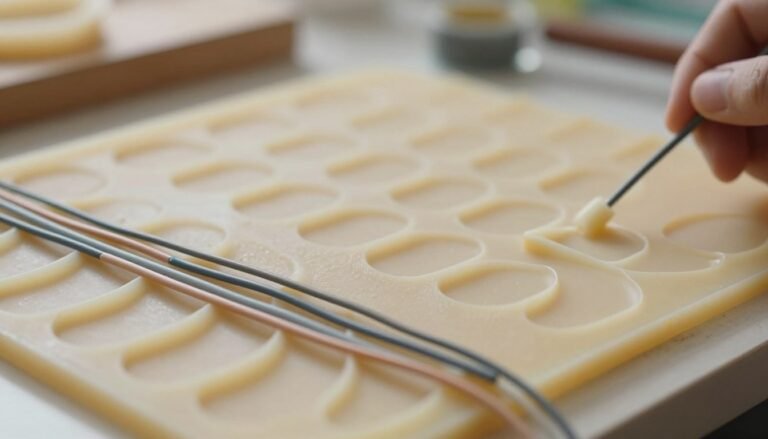
Get started with beekeeping by learning how to wire wax foundation into frames. Our guide provides detailed steps and expert advice for a smooth process.
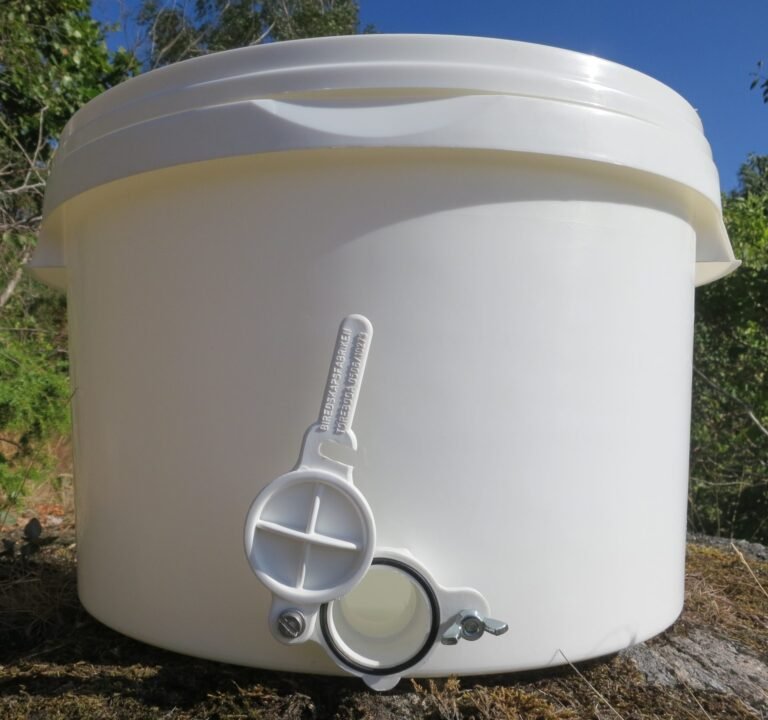
Size a honey settling tank by your biggest extraction day: pounds divided by 12, plus 15% headroom. Includes a size chart by hive count and stand tips.
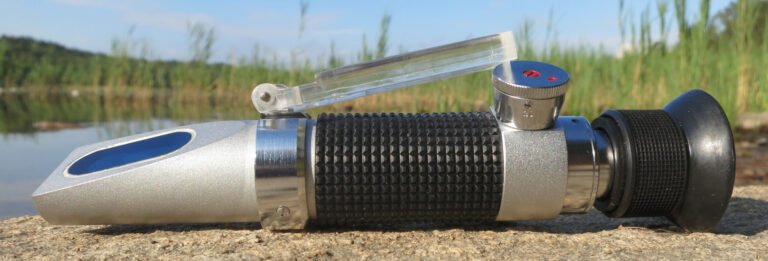
Honey refractometer readings above 18.6% water mean don't bottle yet. The USDA limits, fermentation risk, how to verify a reading, and how to fix wet honey.
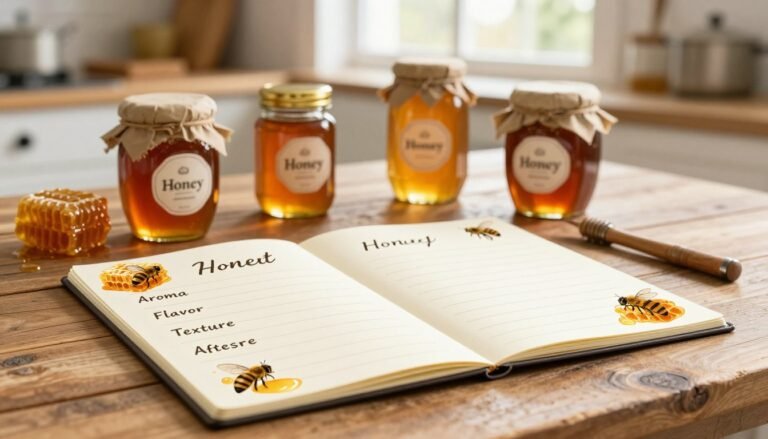
Discover how to create detailed honey tasting notes with our comprehensive honey tasting notes template for small producers, designed specifically for small-scale beekeepers and honey producers.
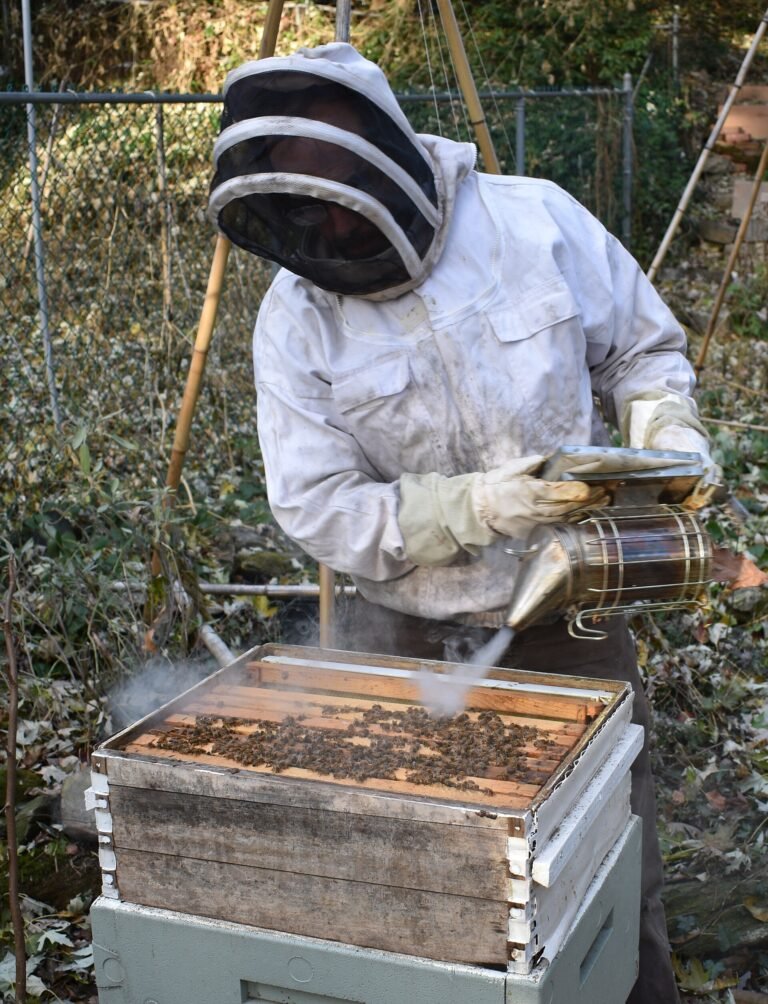
Smoky honey usually traces to smoker residue on cappings, old brood comb, scorching during uncapping, or a dark floral source. Here's how to tell which one.
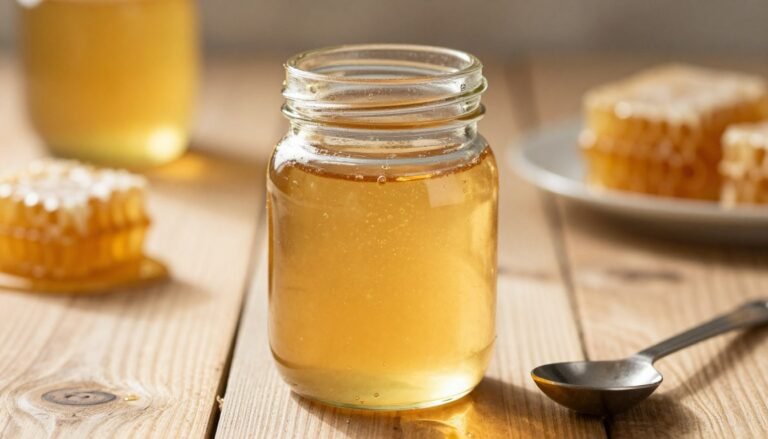
Understand the importance of headspace guidelines for bottled honey and how to apply them effectively in your production line.
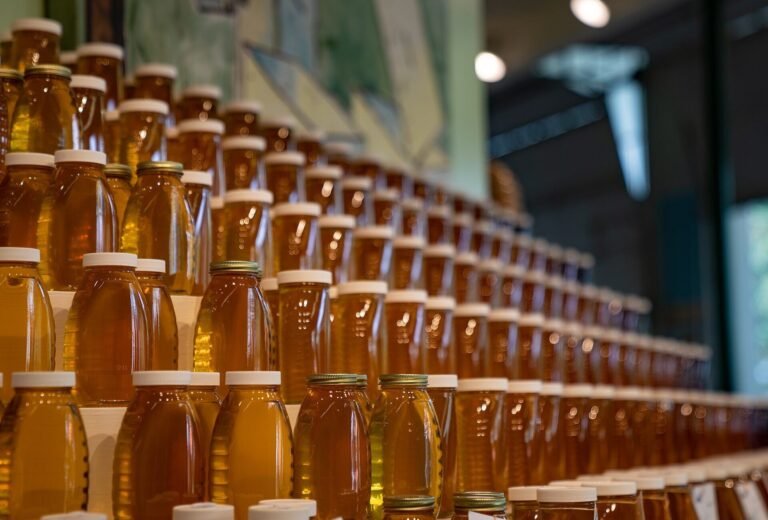
Bottle raw honey at 95-105°F: warm enough to flow and release air, cool enough to protect enzymes. Viscosity data, a step-by-step routine, and common fixes.
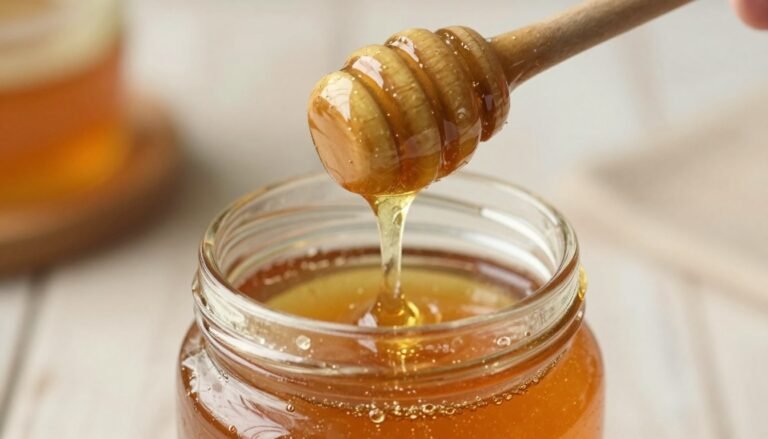
Discover the sensory signs of overheated honey and learn how to identify them with our expert guide. Get the facts you need to preserve honey's quality.