Published March 31, 2026 · Last Updated August 26, 2026
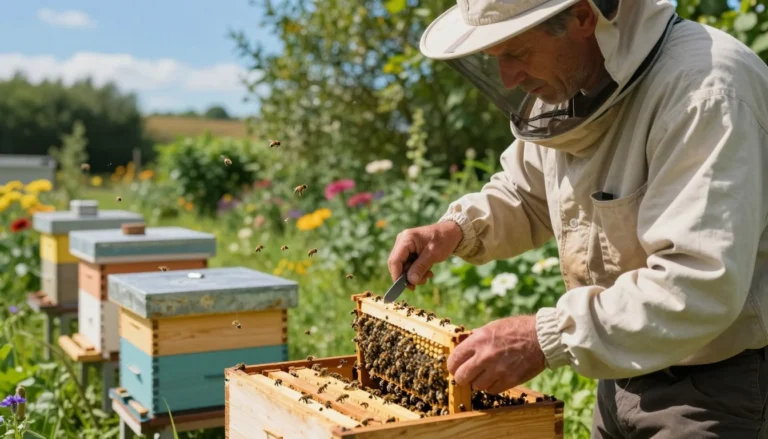
Starting a new hive is a critical moment for any beekeeper. When a fresh colony moves into a wooden box, quick, steady care helps the queen settle and the workers build comb and raise brood.
Good apiary management gives the colony a sense of safety. Simple steps like proper equipment, steady feeding, and choosing the right placement reduce the chance the bees will leave. Thomas Seeley noted natural swarms have about an 80% survival rate, and they often leave stores behind — a useful contrast with full abandonment.
Watch for restlessness and act within a short time. Healthy honey bees need resources and a calm environment so the queen starts laying eggs right away. These actions protect your hives and support a strong honey harvest.
Key Takeaways
- Prepare the hive and site before installing a colony.
- Create a stable environment so the queen begins laying quickly.
- Provide comb resources and food if bees seem restless.
- Monitor colonies often in the first weeks after installation.
- Use steady management to reduce losses and boost honey yield.
Understanding the Difference Between Swarming and Absconding
A departing cluster may signal a normal split or a stressed colony fleeing its site.
Swarming is a reproductive process where the queen and roughly half the workers leave a hive to find a new site. Thomas Seeley reports natural swarms have about an 80% survival rate, and they usually leave stores and some brood behind.
Defining Absconding
Absconding occurs when the entire colony abandons the hive. The full group, including the queen, often departs with very little honey or brood left behind.
Natural Migration Patterns
Bees use complex signals when preparing a move. Schneider and McNally (1994) showed waggle dances can point out directions up to 20 km during migration planning.
“Swarming spreads colonies across the landscape; a complete exit is usually a response to stress or pest pressure.”
| Behavior | Typical Signs | Implication for beekeepers |
|---|---|---|
| Swarm | Queen leaves with many workers; stores remain | Normal reproduction; mark queen and monitor hives |
| Abscond | Entire colony gone; little honey or brood left | Investigate varroa, small hive beetle, site stress |
| Migration prep | Waggle dances; scouts report sites | Watch comb and queen health; consult resources |
Beekeepers must spot these differences early. For more on identifying swarming vs total colony flight, see understanding swarming and absconding and this swarming preparation guide.
Why New Colonies Leave Their Hives
A new colony will leave a hive when the environment no longer meets its basic needs.
Loss of food or low stores makes a hive unattractive. When nectar and pollen are scarce, the colony looks for a better site.
Persistent disturbance — from predators, pests, or frequent inspections — can stress the bees. That stress often signals the queen to slow brood production and the group prepares to move.
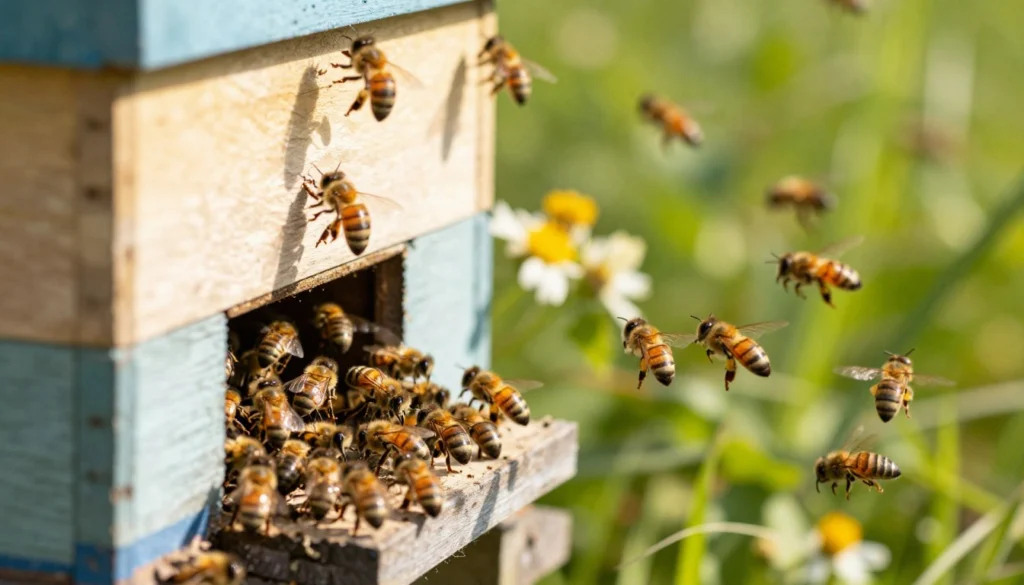
Infestation by varroa mites or other pests puts the entire colony at risk. In those cases, beekeepers often find little honey or comb left behind after the group departs.
Environmental stress is a common trigger for colony abscond. Research shows reduced brood rearing often precedes the process.
“When survival is threatened, a healthy honey bee colony will seek a safer site.”
Protect hives from animals and reduce needless disturbance. For practical field notes on why my bees left and steps for recovery, see this guide on what to do when colonies leave.
How to Prevent Package Bee Absconding Using Proven Techniques
A calm setup and the right resources make a new hive feel like home fast. Small steps at installation have big effects on colony stability.
Key techniques focus on giving the queen places to lay, food to stabilize workers, and scents that signal safety.
Using Drawn Comb
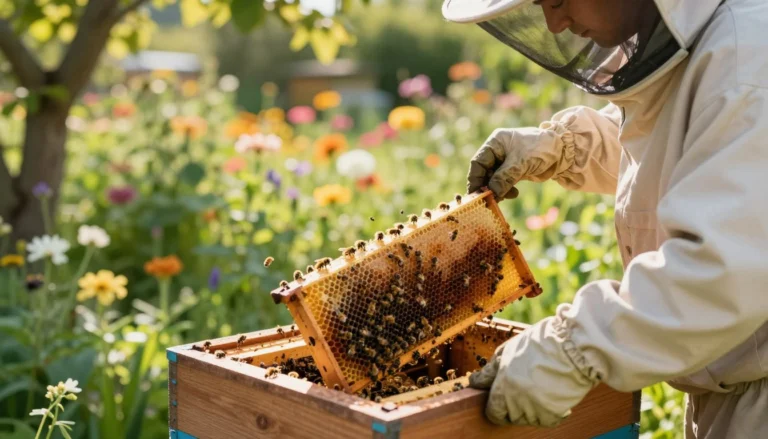
Adding drawn comb gives the queen ready cells for eggs and speeds brood production. That immediate structure reduces stress and encourages the colony to occupy the box.
Adding Open Brood
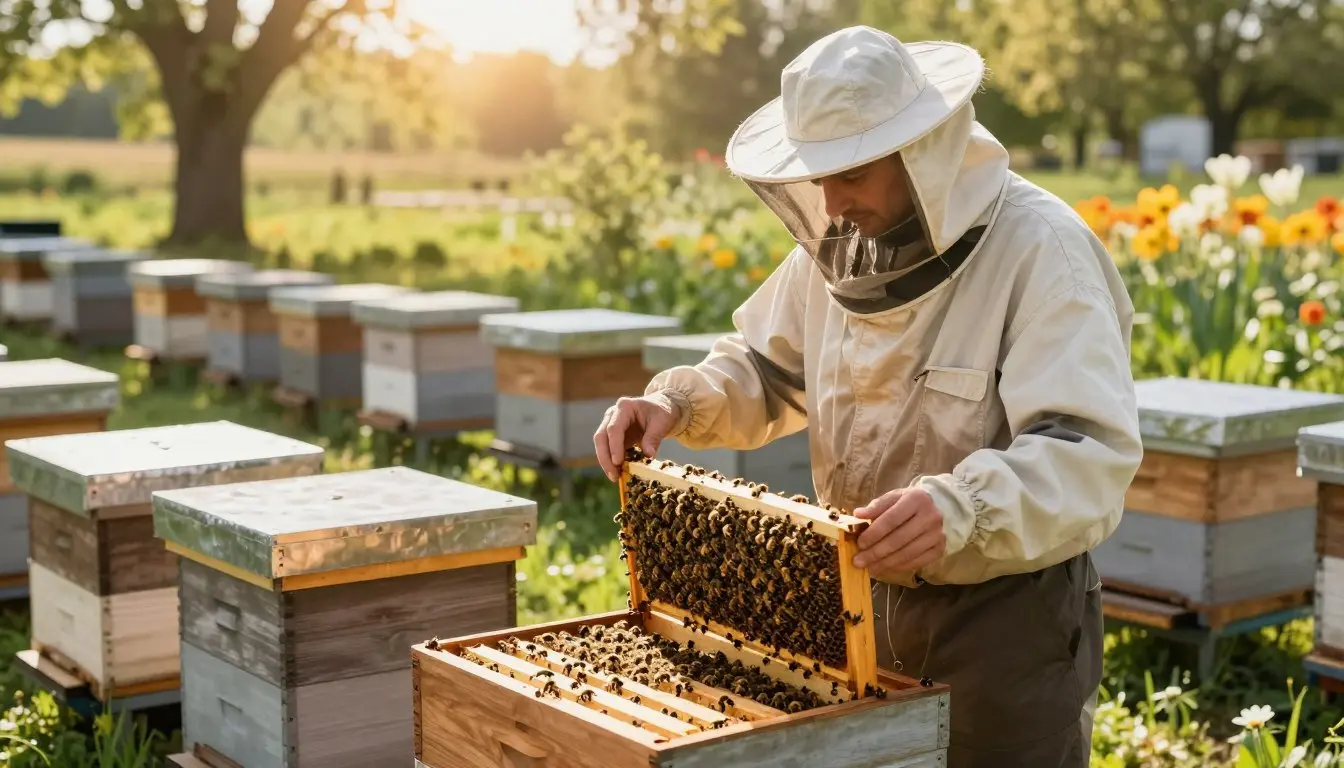
Open brood anchors workers. A frame of young brood makes bees reluctant to leave their young, which is one of the most effective ways to keep a colony in place.
Delaying Queen Release
Holding the queen for 2–3 days while placing drawn comb and feeding sugar syrup helps her begin laying. A delayed release often stops premature swarms and keeps the queen inside the hive.
- Rub wax on interior surfaces to add familiar scent.
- Feed sugar syrup at the entrance to occupy foragers.
- Use a bottom queen excluder temporarily to limit queen movement.
| Technique | Main Benefit | Quick Action |
|---|---|---|
| Drawn comb | Immediate brood sites for eggs | Install frames at setup |
| Open brood | Anchors workers; prevents leaving | Place one frame if available |
| Delayed queen release | Allows queen to start laying | Hold queen 2–3 days |
| Sugar syrup & wax scent | Feeds and calms colony | Begin feeding on day one |
For full guidance on placing a new hive and step-by-step installation, see beehive installation tips.
The Role of Hive Environment and Ventilation
A stable internal climate inside a hive keeps colonies calm and productive. Ventilation, shade, and nearby water help honey bees manage heat and humidity. Small adjustments at installation save trouble later.
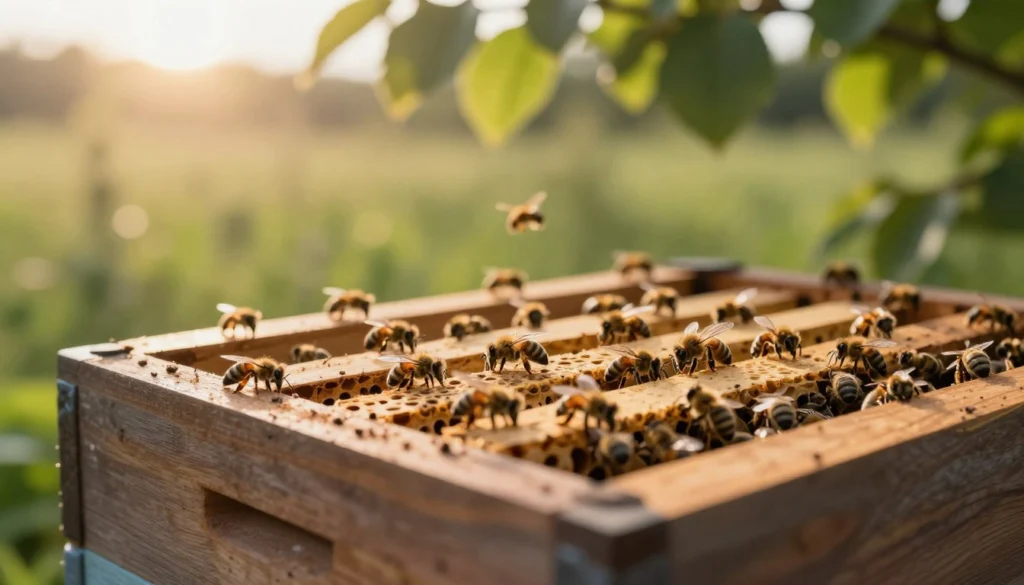
Optimizing Hive Temperature
Clear entrances and an open flight path let warm air escape during hot days. A screened bottom board improves airflow and cuts moisture buildup that stresses the colony.
Place a water source near the apiary so workers can cool the box by evaporative fanning. If the hive gets too hot, bees may eat stores faster, risking food shortage and possible absconding.
Provide space with an extra frame of comb when colonies grow. That organization helps brood care and lowers swarming drive. During winter, monitor the interior so the queen keeps a steady laying rhythm.
| Issue | Sign | Quick action |
|---|---|---|
| Overheating | Bees fanning; high activity | Open entrance; add shade |
| Moisture | Clumped bees; wet frames | Use screened bottom; improve ventilation |
| Food shortage | Rapid honey use | Feed sugar syrup; add stores |
For seasonal risks and site guidance, read understanding monsoon risks and tips on catching a swarm safely.
Managing Pests and Predators to Keep Bees Settled
Early detection of mites and beetles gives beekeepers the best chance at control.
Managing varroa mites must be a priority. These parasites weaken a colony and raise the risk of loss.
The University of Arkansas recommends targeted traps for small hive beetles. Traps reduce infestation and protect comb and brood.
Keep the area around the hive clean. Remove debris and old wax to limit wax moth buildup. Clean surroundings lower pest pressure and reduce disturbance.
- Use oil-filled containers under the stand to block ants at the entrance.
- Secure the box against skunks and other predators with fencing or raised stands.
- Provide sugar and water resources so the colony stays strong during treatment.
“A well-managed apiary with healthy bees is less likely to suffer severe pest damage.”
| Threat | Sign | Quick action |
|---|---|---|
| Varroa mites | Visible mites on adults; low brood | Monitor and apply approved treatments |
| Small hive beetle | Larvae in comb; slime on honey | Install beetle traps (UA guidance) |
| Wax moths | Webbing in comb; damaged frames | Clean area; replace affected comb |
| Ants / Predators | Trails at entrance; night disturbance | Oil guards; secure hive stand |
Strategic Feeding Practices for New Colonies
Strategic meals during the first weeks set a new hive on a firm path for growth. Early feeding helps workers build comb, start brood care, and give the queen room for eggs.
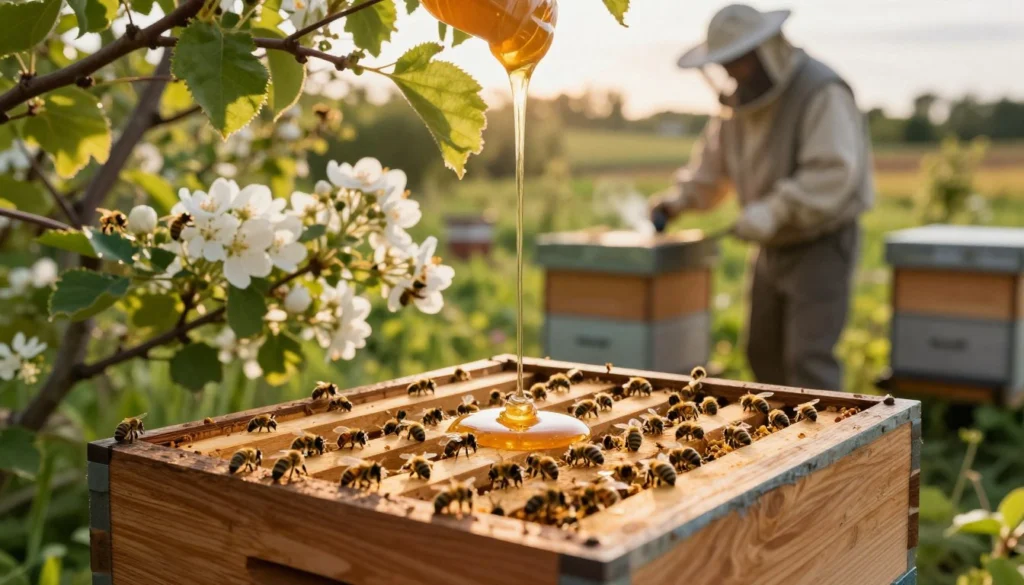
Offer sugar syrup at the entrance and in an internal feeder. This gives immediate food and supports comb construction. A frame of drawn comb lets the colony store syrup and focus on brood rather than long foraging trips.
Provide water near the stand. Workers use it to dilute syrup and cool the hive on warm days. Adequate stores and pollen reduce stress and lower swarm drive.
- Feed consistently for several weeks until honey and pollen appear.
- Watch the queen’s laying. A steady resource flow keeps eggs coming.
- Monitor the amount of food in the box and adjust syrup levels as needed.
For seasonal planning and winter readiness see a practical winter feeding guide. For additional tactics on keeping hives settled, consult tips on stopping hive abandonment.
What to Do If Your Bees Begin to Leave
Act quickly when a colony shows signs of leaving; immediate steps often save the hive.
First, stay calm and suit up. A protective veil and gloves let the beekeeper work without panic. Move slowly and avoid loud noises that cause further disturbance.
Recapture Methods
If a swarm has formed, use a box with fresh comb and some honey. Gently shake or brush the cluster into the box and close it for transport. Offer a frame of brood to anchor the colony and quicken acceptance.
Place a queen excluder at the bottom entrance if you need an extra barrier to keep the queen inside while workers reorient. Use a spray bottle with sugar syrup to keep bees clustered and calm during handling.
For practical field tips on collecting and relocating, consult a concise guide on bee rescue techniques.
Assessing the Original Hive
Once the cluster is secured, inspect the original box for signs of infestation or damage. Check frames for small hive beetle larvae, wax moth webbing, or low stores that may have triggered the move.
If the site proved unsuitable, correct ventilation, shade, or water access before reinstalling a colony. Replace soiled comb and add drawn frames when possible.
“A calm, methodical approach often returns swarms to a stable hive and prevents repeat departures.”
| Action | Reason | Quick step |
|---|---|---|
| Collect cluster | Bring bees into a secure box | Use fresh comb and honey |
| Keep queen inside | Maintains colony cohesion | Use bottom queen excluder |
| Inspect site | Find infestation or disturbance | Check frames for beetles or wax |
For further reading on why colonies leave and how to recover a site, see this note on why my bees left.
Conclusion
,Small, steady actions during the first weeks make the difference between a lasting hive and an empty box. Give clear resources like sugar syrup and drawn comb, and keep visits brief and calm.
Monitor for pests and site stress. Early detection preserves stores and supports steady brood rearing. If movement begins, use the recapture steps discussed and secure frames of brood where possible.
Stay observant and learn from each season. A well-settled colony is the foundation of a productive honey harvest and confident beekeepership. For tips on spotting early signs, read this guide on signs of swarm preparation.
FAQ
What is the difference between swarming and colony absconding?
Swarming is a natural reproductive event where a portion of the colony, led by the old queen, leaves with scouts to form a new nest. Absconding means the entire colony abandons its hive and relocates or dies out. Swarming usually leaves brood and stores behind; absconding removes most bees and often indicates poor habitat, pests, lack of food, or severe disturbance.
What causes new colonies to leave their hives soon after installation?
New colonies may depart because of insufficient nectar and pollen stores, poor ventilation, an ill-fitting queen cage or late queen release, heavy Varroa mite or wax moth pressure, or stress from transport and handling. Site factors such as lack of water, extreme heat, or frequent disturbance also drive bees away.
Will giving drawn comb reduce the chance of colony loss?
Yes. Providing drawn comb or foundation with some drawn frames gives bees immediate nesting space and reduces time spent building wax. That conserves energy and resources, improves brood rearing, and lowers stress that can trigger abandonment. Use frames from healthy colonies or commercially drawn frames from trusted suppliers.
Can adding open brood help settle a package or nucleus colony?
Adding open brood stabilizes social signals and provides nurse bees with a purpose, boosting colony cohesion. Brood also helps the queen ramp up laying and keeps worker behavior focused on colony tasks rather than relocation. Move frames carefully and inspect for pests before transfer.
Does delaying queen release make a difference?
Delaying release for a short, controlled period lets workers orient and establish acceptance of a new queen. Use a cage method that allows feeding through mesh and open it when workers have calmed and begun building comb. Avoid overly long confinement; that can stress the colony.
How important is hive ventilation and temperature control in preventing bees from abandoning a box?
Proper ventilation prevents heat and moisture buildup that stresses brood and workers. Insufficient airflow, especially in summer, can trigger relocation. Use screened bottom boards, adequate entrance size, and summer roofing techniques to keep internal conditions stable.
What pest management steps reduce the risk of colonies leaving the apiary?
Control Varroa mites with integrated methods: meaningful monitoring, timely treatments like oxalic acid or formic acid where appropriate, and resistant stock when possible. Manage wax moths and small hive beetles by maintaining strong brood patterns, good hygiene, and traps or treatments as needed.
Which feeding practices help a new colony stay put during establishment?
Provide sugar syrup early to supply carbohydrates, especially when forage is scarce. Offer pollen patties or substitutes for protein to support brood rearing. Place water close to the hive. Feed conservatively; excess syrup can encourage robbing if entrances are open.
What are safe methods for recapturing bees if they begin to leave the hive?
If bees cluster nearby, return them to the hive at dusk using a soft brush or by placing the cluster in a box and moving it close to the entrance. Avoid crushing bees. Use sugar spray to calm flying bees and reduce drift. For widespread absconding, inspect for underlying causes before attempting re-nesting.
How should I assess the original hive if bees start abandoning it?
Check for queen presence and laying pattern, evaluate stores of honey and pollen, and inspect brood for signs of disease or mite infestation. Look for pests like wax moth larvae or small hive beetle damage, and assess hive location for predators, water access, and shading. Document findings and act on the most pressing deficits.
What site and apiary management practices encourage colonies to remain healthy and productive?
Choose sites with diverse forage, reliable water, and protection from extreme sun and wind. Minimize frequent inspections and heavy disturbance, especially in the first weeks. Maintain several strong colonies to reduce robbing and provide mentor hives with drawn comb and brood as resources.
How long should I monitor a new colony closely before relaxing interventions?
Monitor daily for the first one to two weeks, then several times weekly for the first month. Continue regular checks through the first brood cycle (about 21 days) to confirm the queen is laying and the colony builds stores. Adjust interventions based on colony strength and seasonal demands.
Which common mistakes most often lead bees to abandon a hive?
Frequent heavy disturbance, poor ventilation, placing hives in full sun without shade, releasing a queen improperly, lack of immediate food or brood, untreated Varroa infestation, and using only foundation with no drawn comb all increase the risk. Follow established beekeeping protocols and local extension recommendations.