Published March 31, 2026 · Last Updated August 26, 2026
This short guide outlines how internal geometry in a top bar hive guides natural bee behavior to keep combs movable and orderly.
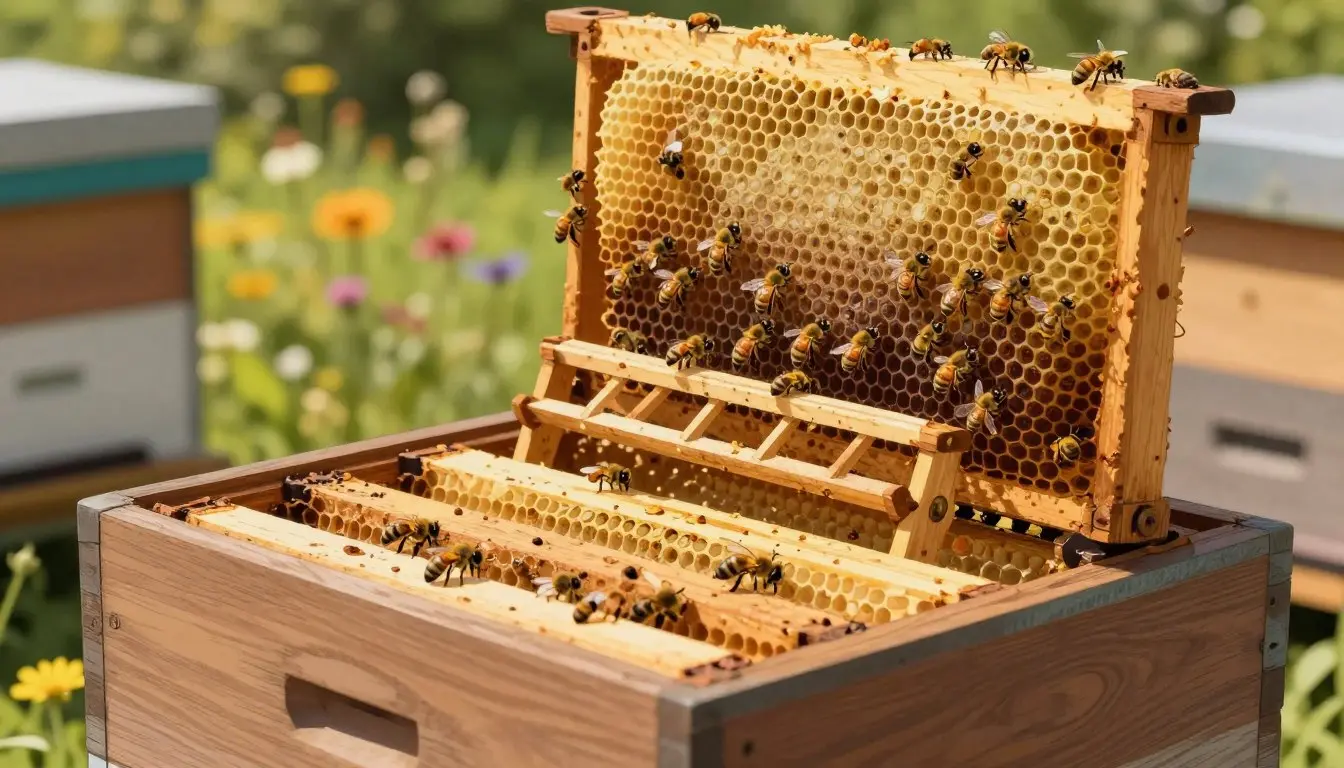
A V-shaped guide placed beneath a bar prompts bees to start wax construction on a single line. This simple feature helps bees draw straight, centered sheets that remain removable for inspection.
Beekeepers who use this approach avoid traditional frames and gain easier access to the colony throughout the year. Understanding the time it takes for bees to adapt to bars is key to success.
For practical tips on foundationless guides and how a first straight sheet sets alignment for later work, see a detailed foundationless FAQ and advice on handling cross attachments at foundationless comb guides and cross-comb management.
Key Takeaways
- Geometry matters: a V-shaped guide steers initial wax building.
- Proper spacing and level bars prevent cross attachments.
- Allow time for bees to adapt to new bars before major work.
- Foundationless guides can replace frames while keeping comb movable.
- Early, small inspections help keep combs straight and removable.
Understanding the Comb Ladder in Top Bar Hives Explained
Top bar hives are horizontal designs that let beekeepers inspect the entire hive without lifting heavy supers. This layout makes routine checks easier and reduces stress on both people and colonies.
The body of the hive is angled to hold the natural catenary curve of built sheets. Each bar is tapered and beveled at the bottom to give bees a clear, stable foundation for straight growth. That design keeps brood and honey zones orderly.
The roof creates attic space for winter insulation. Beekeepers often paint that roof white in hot climates to reflect heat, or black in cooler areas to retain warmth through the year.
- Compared to a Langstroth hive: the horizontal bar hive removes frames and heavy lifts.
- Space management: angled bodies and properly spaced bars reduce cross attachments.
- Foundationless practice: many beekeepers favor natural building to keep comb movable and accessible.
For guidance on selecting the right setup, see this guide to choose a beehive for beginners.
The Engineering Principles of Natural Comb Construction
Controlled geometry inside the box nudges bees toward building tidy, free-hanging sheets. Designers use angles and profiles to make the colony follow predictable paths. This reduces cross attachments and keeps sheets removable for inspection.
The Role of Sloped Walls
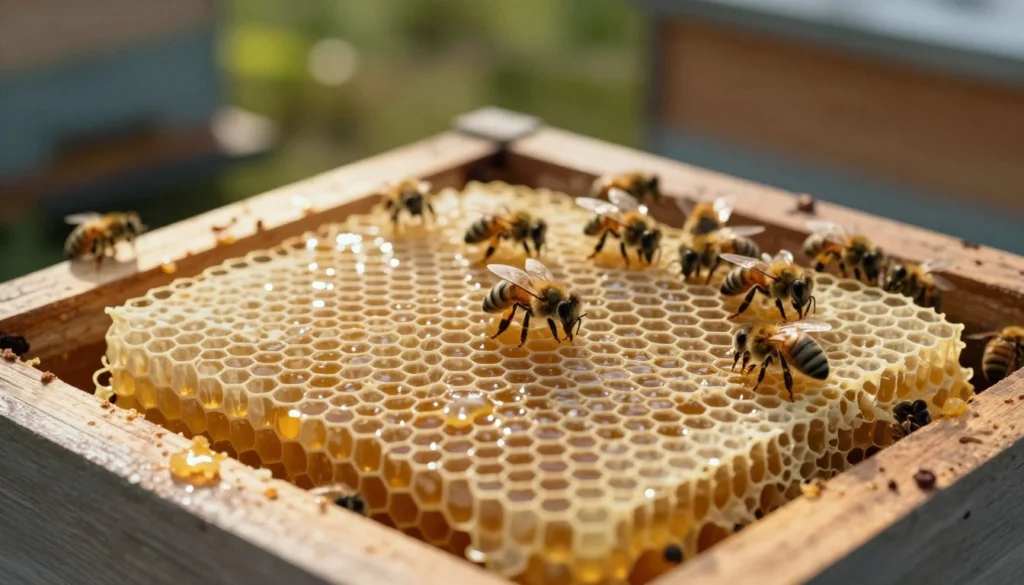
Corwin Bell notes that angled side faces discourage brace growth. Sloped sides make it uncomfortable for bees to glue wax to the wood. That means fewer bonds to the box sides and easier handling during checks.
Guiding Comb with V-Profiles
The V-shaped guide under a bar acts as a physical cue. Bees prefer to build along that ridge, so they align wax along a single line. This guide replaces the need for a full four-sided frame found on some frame systems.
- Benefit: proper side angles limit brace build-up and lower wood use.
- Alternate build: a 55-gallon steel drum, split lengthwise, can mimic the required trough geometry.
- Key point: set the side angle correctly so bees build without foundation or extra frames.
Essential Components for Successful Hive Management
A well-built box and the right bars establish the foundation for reliable bee activity.
Good equipment reduces stress for both the colony and the keeper. HONESTBEE offers precision machinery and honey-filling systems that serve commercial apiaries.
Choose sturdy wood and tight joints for the hive body. Durable boxes hold up to weather and give bees a stable place to build natural sheets.
- Space management: measure bee space carefully so there is room for honey and brood without extra attachments.
- Correct bars: use bars that fit snugly across the box to keep sheets straight and removable.
- Right tools: quality equipment maintains bar integrity and eases inspections.
Make the foundation of your beekeeping plan about proper gear and routine checks. Investing in reliable tools helps beekeepers stay efficient and keeps the hive productive for years.
Preparing Your Hive for Optimal Bee Activity
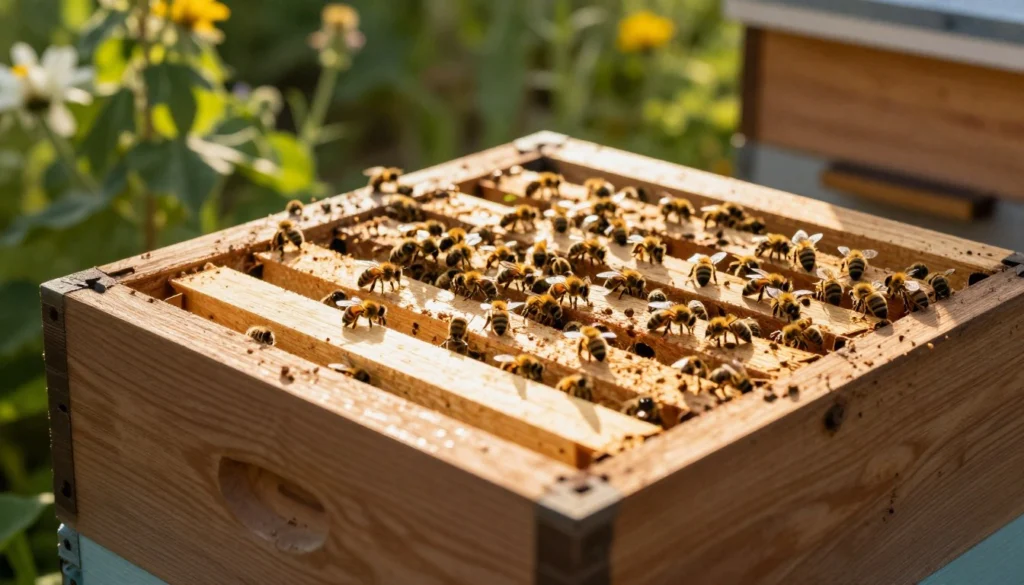
A well-tuned follower board system gives beekeepers quick control over internal space as the season changes. Start setup with clean wood equipment and bars that fit snugly across the box. Proper prep keeps the colony healthy and ready to store honey and raise brood.
Setting Up Follower Boards
Use follower boards to limit or expand usable space as the colony grows. One board is solid to close off cavity; the other often has a bee-sized hole for access to an internal feeder.
- Temperature rule: remove the bottom board when outdoor temps stay above 60°F to help bees ventilate the hive.
- Manage the roof carefully if you use insulation or fondant feeders during the colder months of the year.
- Consistent monitoring lets you adjust equipment before the busy season.
Tip: a solid follower board is a simple and effective way to shape internal space and prevent wasted room. When you need more guidance on setup and installation, consult a beehive installation guide for step-by-step help: beehive installation.
The Process of Inspecting Your Colony
Start every inspection with a quick weather check and a clear plan of what to examine.
Weather Considerations
Choose a warm, calm day to inspect the hive. Bees are less defensive when temperatures stay above about 60°F.
Sunny hours give the colony time to forage while you work. Avoid rainy or windy periods that raise stress levels.
Approaching the Hive
Move slowly and speak softly. A steady approach reduces alarm and limits defensive flights by bees.
Follow the 3 feet or 3 miles rule if you must relocate beehives later. Small moves require a few feet; major moves need miles to prevent bees returning to the old spot.
Handling Bars Safely
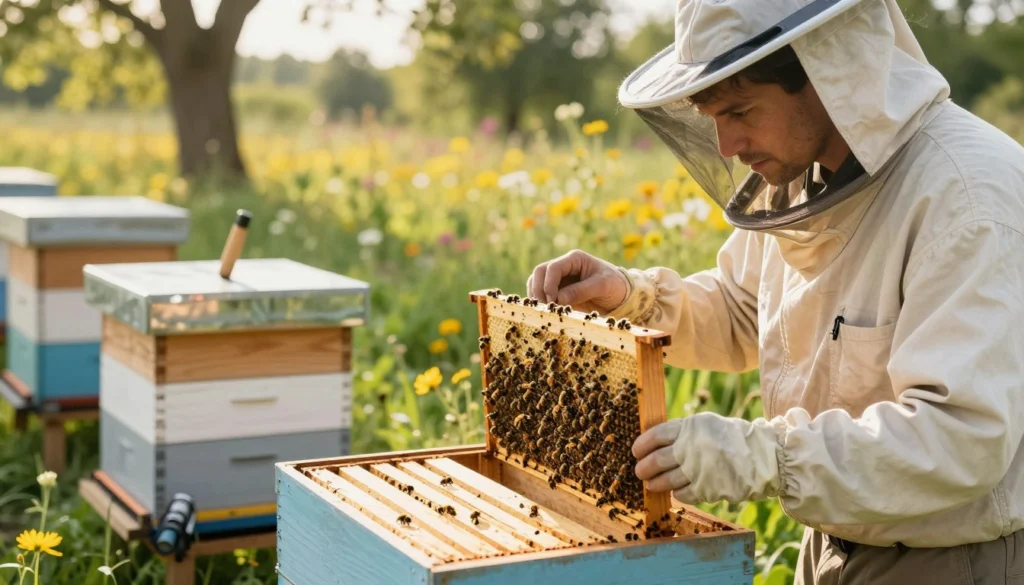
Keep each bar vertical when you lift it. Tipping a bar risks the weight of honey and brood and can destroy wax structures.
Use a hive tool to break propolis seals gently. Work methodically and return bars to their original order to preserve alignment.
Check brood patterns: 10–15% drone brood is normal; over 20% may indicate a laying worker or other issue. Watch for swarm cells along comb edges as a sign the colony may swarm soon.
| Task | What to Look For | Action |
|---|---|---|
| Weather | Warm, calm, daylight | Inspect; delay if windy or wet |
| Brood check | Brood pattern & drone % | Note queen health; act if >20% drone |
| Equipment | Propolis, stuck bars, mesh bottom | Use hive tool; maintain mesh for mite control |
| Swarm signs | Swarm cells at edges | Follow swarm prevention steps or consult this guide on irregular inspections & swarm prevention |
Tip: For minimalist setups or if you manage a small apiary, review layout options to reduce inspection time and equipment needs: minimalist beekeeping setups.
Managing Space to Prevent Cross Combing
Proper internal spacing keeps combs vertical and removable. Ensure the colony has clear room so bees build straight sheets instead of spanning across supports.
Keep at least three empty bars available. If you find fewer than three, move the follower board to give the hive more usable space. That quick change often stops sideways building before it becomes a problem.
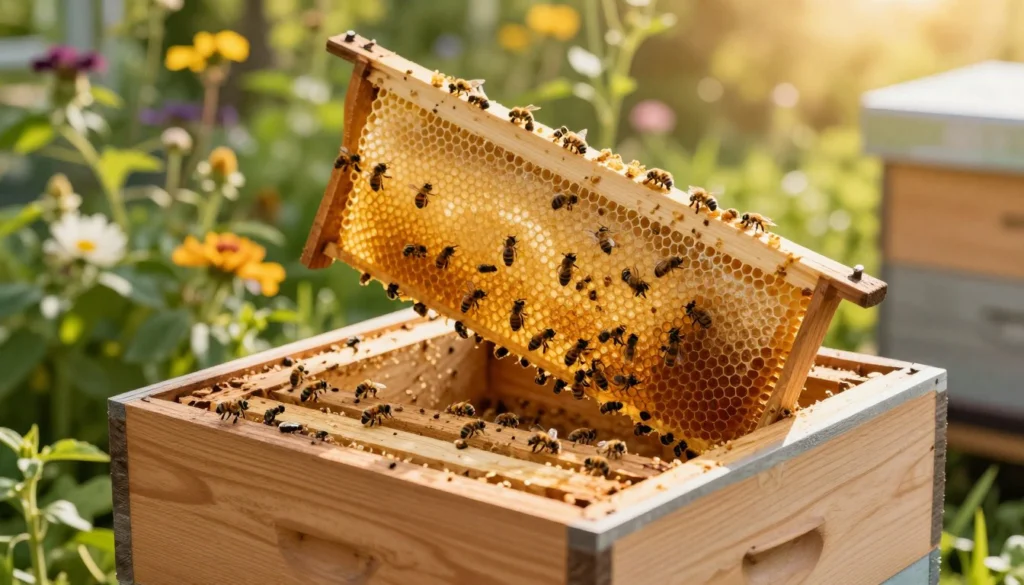
Too many empty bars can also cause trouble. A wide open cavity invites the colony to bridge and create cross connections that are hard to inspect and may damage brood or honey stores.
“Adjusting space is a primary skill for any keeper who wants orderly comb and low stress inspections.”
- Check brood and honey regularly and adjust the follower board as needed.
- Keep comb aligned with bars or frames to reduce the risk the colony will feel crowded and swarm.
- Short, frequent inspections save time and protect sheet alignment.
For diagnostic help on pests and signs that a colony is stressed by space, consult this concise pest ID resource.
Seasonal Adjustments for Hive Health
As daylight shortens, careful adjustments help colonies conserve warmth and guard food stores. Fall work is about simple steps that lower stress and protect reserves.
Winterizing the Entrance
Begin by narrowing the opening so robber insects have less access and the cluster keeps heat. Bees will add propolis to seal gaps naturally; this behavior was noted by early civilizations as a key defense.
Use a solid follower board with a small fondant block to top up stores when natural honey is low. This gives the colony a steady food source without opening the nest for long inspections.
- Monitor honey levels through late fall and add fondant if stores look thin.
- Limit drafts but keep a small airway for ventilation to prevent moisture buildup.
- Reduce entrance width to deter robbers while letting the cluster come and go.
Seasonal adjustments matter: a well-prepared top bar hive lets the bees focus on cluster maintenance instead of defense. For hands-on guidance on winter care, see overwintering tips.
Troubleshooting Common Beekeeping Challenges
Small signs at the entrance can reveal major stresses inside a colony. Watch for frantic, high-pitched buzzing when you approach. That sound often means bees are stressed or a robbery attempt is starting.
Robbing tends to peak in fall or during drought when nectar runs low and weak hives cannot defend honey. If you spot robbing, narrow the opening and work calmly to reduce conflict.
Drone brood above about 20% of cells suggests a lost queen or laying workers. Check brood pattern with steady hands and proper equipment before drastic steps.
- Bearding on the front is normal in summer but check boxes for crowding or disease if it persists.
- If bees build their sheets attached to the sides, add a simple guide to steer new growth back along bars.
- Keep inspections short and focused to protect brood and stores and reduce swarm risk.
| Issue | Sign | Action |
|---|---|---|
| Robbing | Frantic buzzing; fights at entrance | Narrow entrance; remove attractants; see robbing advice |
| Laying workers | High drone brood % | Combine with a strong hive or requeen |
| Side attachments | Sheets glued to sides | Use a guide and keep proper spacing; clean foundation if needed: cleaning foundation |
“A calm approach and the right tools make most problems manageable.”
Conclusion
A focused approach to space and equipment makes managing a productive hive much easier. Keep bars aligned, measure bee space, and schedule short, regular checks to prevent unwanted attachments and stress.
By following natural behavior and simple geometry, your bees will build orderly sheets that are easier to handle. Watch for signs of crowding or a possible swarm and act early.
Prepare equipment before spring and consider tools that cut feeding time. For practical feeding solutions, view useful frame feeder options that fit many bar hive setups.
Consistent inspections and seasonal adjustments will keep your hive healthy and productive. Thank you for using this guide to improve your beekeeping skills and support local bee populations.
FAQ
What is the purpose of a comb ladder in a top bar hive?
A comb ladder provides a simple framework that encourages bees to build straight, evenly spaced comb across the bars. It helps beekeepers control comb placement, reduce cross comb, and make inspections and honey harvests easier while keeping the colony’s natural building behavior intact.
How does hive geometry affect natural comb construction?
Hive shape, bar spacing, and wall angle influence how bees attach wax and draw out cells. Sloped walls and consistent bar spacing guide bees to build vertical sheets, which matches their instinct to orient comb relative to gravity and the source bars.
Why are sloped walls useful in a wooden hive box?
Sloped walls steer bees away from attaching comb to side panels. The angle reduces the surface area where bees can glue comb to the box, making removal of bars cleaner and lowering the need for prying apart stuck wood and propolis.
What are V-profiles and how do they guide bees?
V-profiles are shallow ridges or grooves milled into the underside of bars or the top bar face. They give bees a visual and tactile cue, encouraging them to start comb at a central point and build straight down, which reduces irregular comb growth.
Which components are essential for managing a bar-style hive?
Core components include the roof, top bars, follower boards, an entrance, and a secure box. Simple tools like a hive tool, smoker, and bee brush help with inspections. Quality wood and tight-fitting joints also minimize drafts and unwanted gaps.
How do follower boards improve hive management?
Follower boards let you reduce internal space quickly to match colony size. They confine the cluster during spring buildup, prevent drifting, and help you avoid swarming by controlling the brood area without moving bars.
When is the best time to inspect a colony using bar frames?
Choose warm, calm days in mid-morning to early afternoon when many foragers are out. Avoid inspections during cold, rainy, or windy weather to limit stress and keep the cluster intact for the queen’s safety.
How should I approach a hive to minimize disturbances?
Move slowly and predictably, keep a low profile, and limit noise. Light smoke can calm bees, but use it sparingly. Open the roof and remove bars one at a time, supporting frames to prevent sudden tugs that alarm the colony.
What’s the safest way to handle bars during an inspection?
Grip bars near the center, lift steadily, and keep their orientation consistent to avoid tearing brood or honey. Use a flat hive tool to loosen propolis and a bee brush for gentle clearing. Work systematically to reduce inspection time.
How can I prevent cross comb when managing space in a bar hive?
Maintain even bar spacing, use follower boards to match brood nest size, and ensure bars present clear starting points like V-grooves. Regular inspections and prompt correction of drifting comb help keep sheets aligned with the bars.
What seasonal adjustments protect colonies during winter?
Reduce internal space with follower boards, insulate the roof and sidewalls if needed, and limit large entrance drafts. Ensure bees have adequate stores and provide ventilation to prevent moisture buildup that harms winter cluster health.
How should I winterize the entrance on a small hive box?
Narrow the entrance to block drafts and deter pests while still allowing airflow. Add an entrance reducer or block part of the opening with a fitted board. Check periodically to ensure ventilation remains adequate and no condensation forms.
What common challenges occur with natural comb systems, and how do I fix them?
Issues include cross comb, stuck bars, and small cell irregularities. Corrective steps are consistent bar spacing, adding or shifting follower boards, warming the hive slightly before inspections, and replacing damaged bars. Regular maintenance prevents escalation.
Do I need foundation or frames when using a bar-style hive?
No. Many beekeepers prefer foundation-less bars to let bees build natural cell sizes. However, you can add minimal guides like starter strips or V-grooves to direct comb. Frames with wired foundation are more common in Langstroth systems when precise control is desired.
How does swarm behavior relate to space management in bar hives?
Crowded conditions trigger swarm impulses. Managing space with follower boards, providing adequate ventilation, and monitoring brood-to-food ratios reduces swarming pressure. Timely expansion or splitting of colonies also lowers the risk.
What tools and materials help reduce propolis buildup between bars and box sides?
Use well-fit bars and smooth wood finishes to limit gaps where bees seal with propolis. A metal hive tool and gentle steam or warm water can loosen heavy propolis. Regular gentle maintenance prevents extreme adhesion that damages comb during removal.