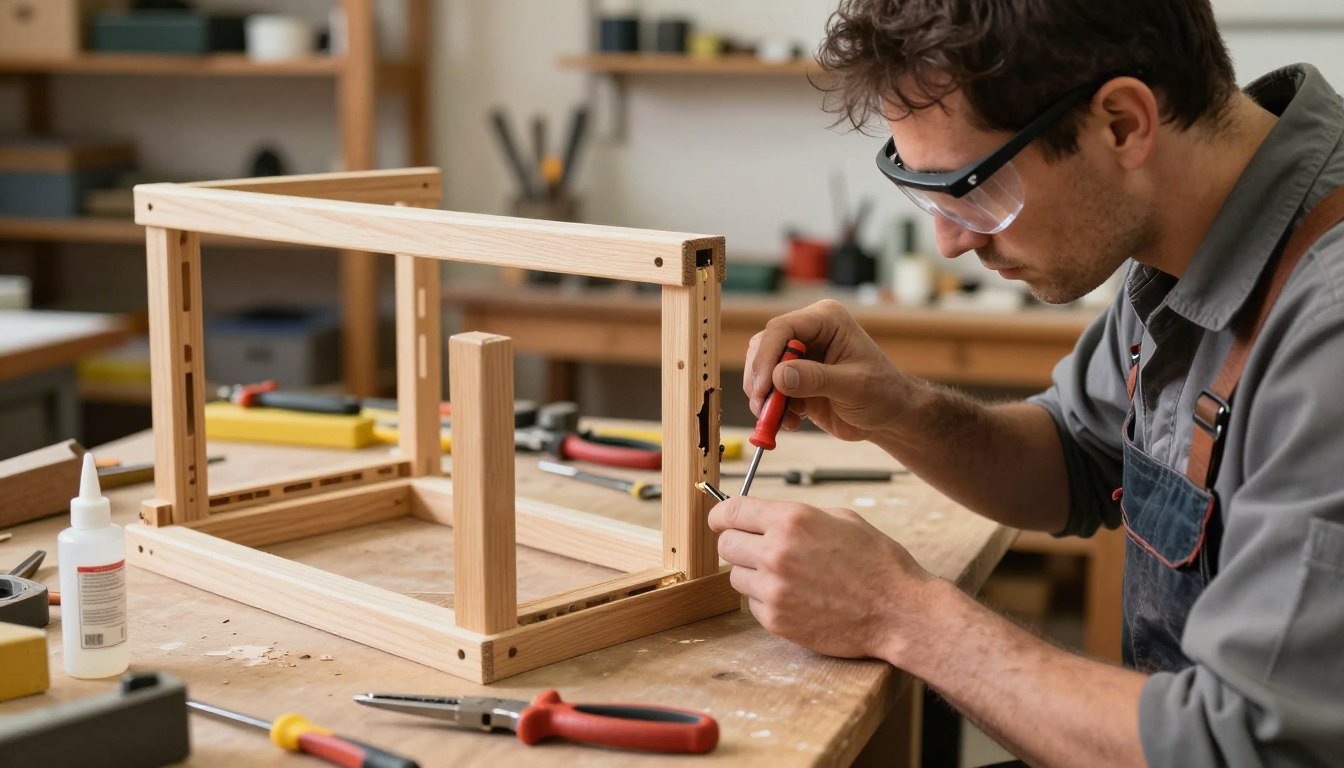
Plastic eyeglass frames win fans for being light, bright, and easy to wear every day.
When parts fail after warranty, you face a choice: a targeted repair or a full replacement. Check the bridge, the temples, and the overall fit before deciding.
Material type matters. Some plastics age and become brittle, while other mixes hold up longer. Knowing what your glasses are made of helps you choose safe fixes.
Our short guide walks through practical steps to restore comfort and function. For metal rail style repairs and cautionary techniques, see a detailed example on frame rail work at metal rail repair tips.
Key Takeaways
- Assess the bridge and fit before choosing repair or replacement.
- Identify the material to guide safe DIY or pro work.
- Professional repairs often extend the life of favorite glasses.
- Minor fixes can be cost-effective versus buying new frames.
- Routine care prevents premature wear and reduces repairs.
Assessing the Damage to Your Eyewear
A careful look at the hinge, temples, and nose area reveals the scope of the problem. Start in good light and check each joint for looseness, cracks, or missing fasteners.
Temple means the long piece that extends from the hinge and rests over your ears. Misaligned temples cause discomfort and uneven lens positioning. If one arm sits crooked, the lenses may tilt on your face.
Before you try to fix broken components, note whether the issue is a loose hinge screw or a warped arm. All American Eyeglass Repair, founded in 1987 in Mesa, Arizona, offers professional assessment at several walk-in locations if the damage looks structural.
“A bent temple often needs precise realignment to restore comfort and lens placement.”
- Check the hinge screw and test if a simple replacement stabilizes the temple.
- Inspect nose pads and lens mounts for stress that suggests larger repair or replacement.
- Identify metal versus plastic construction; the material dictates the correct method.
| Damage Area | Common Cause | Likely Action |
|---|---|---|
| Hinge | Missing screw or wear | Tighten or replace screw; pro repair if stripped |
| Temple/Arm | Bent, twisted, or cracked | Realign for metal; adhesive or part swap for plastic |
| Nose/Lens area | Frame stress or impact | Thorough inspection; likely professional service |
For step-by-step tips on tricky repairs, see this useful repair walkthrough that illustrates careful technique.
Methods for Replacing Broken Frame Ears and End Bars
Small defects in glasses often respond well to targeted fixes that take just minutes and basic supplies. Begin by cleaning the damaged area with isopropyl alcohol and let it air dry. That prep improves glue adhesion and cuts contamination.
Repairing Hinge Connections
Check the screw first. Tighten loose hardware or use a hinge repair kit to swap worn parts. If the connection still moves, a professional replacement of the hinge is safer than repeated home fixes.
Fixing Plastic Frame Breaks
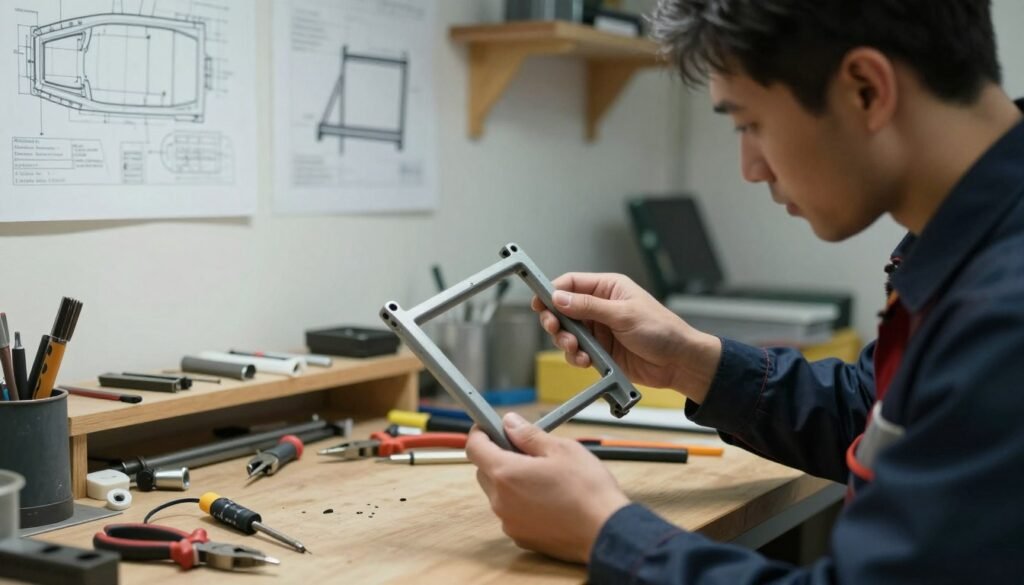
For plastic breaks, apply a thin bonding glue to the seam and hold pieces firmly for about one minute. Avoid getting glue on the lenses or the front of the glasses to protect coatings and your warranty.
Adjusting Warped Temples
To reshape plastic arms, immerse the frames in very warm tap water for a few minutes, then gently bend to the desired angle. Metal arms often respond to careful bending; major distortions may need welding or shop tools.
- If you own Felix Gray glasses, contact customer experience with questions before home methods.
- Use glue sparingly and keep solvent away from lenses and nose pads.
- Material type decides whether DIY is viable or pro welding is required.
| Issue | Home Action | When to Seek Pro |
|---|---|---|
| Loose hinge | Tighten screw or use kit | Stripped threads or bent hinge |
| Cracked plastic arm | Clean, glue, hold 1 minute | Large gap or stress near bridge |
| Warped temple | Warm water reshape | Repeated warping or metal fatigue |
For a related cleaning step before reassembly, see a guide on how to clean a deadout before reuse which covers safe preparation techniques.
When to Seek Professional Repair Services
Severe damage needs more than household fixes; a pro assessment can save pricey lenses and keep your glasses wearable. If the break is near a critical joint, bedside tools may do more harm than good.
The Benefits of Laser Welding
All American Eyeglass Repair uses precision laser welding for titanium and other metal frames. This method creates a controlled, durable bond without heating the whole part.
Laser welding restores strength while protecting coatings and lens mounts. In many cases, it returns the original alignment of the hinge or temple arm better than glue or epoxy.
“A precision weld can save high-value metal eyewear and keep lenses aligned for long-term comfort.”
- Seek professional service when the hinge, bridge, or temple arm has severe stress.
- Laser welding is the best choice for metal breaks that need structural integrity.
- If damage occurs in multiple spots, a technician can advise if replacement offers better value.
| Situation | Pro Action | When to Choose Replacement |
|---|---|---|
| Snapped metal temple | Precision laser welding to realign | Repeated fatigue or severe distortion |
| Severe hinge or bridge damage | Shop assessment; structural repair | Lens misalignment not correctable |
| Multiple breaks | Comprehensive evaluation; mail-in service | Cost exceeds new pair value |
Essential Tools for Home Eyeglass Maintenance
Keep a small tool kit ready so routine upkeep for your glasses takes minutes, not hours.
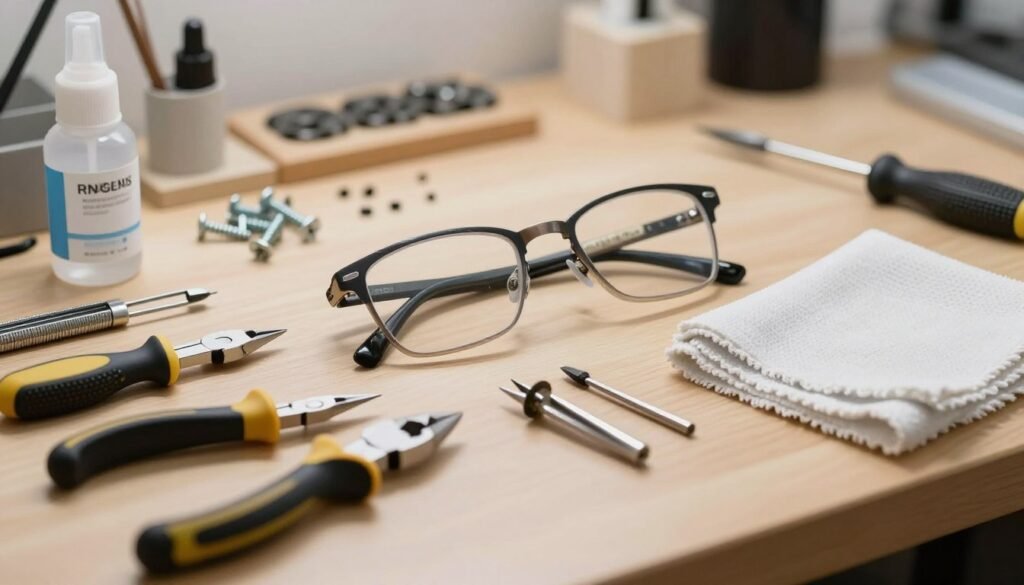
What to keep: a screwdriver set, spare screw, replacement nose pads, and a magnifier. Add a microfiber cloth and a bit of isopropyl alcohol for quick lens care.
Prep your workspace: lay a towel on the table to catch tiny pieces and prevent lost screws during a hinge or temple adjustment.
- A standard eyeglass repair kit covers basic needs; see a recommended eyeglass repair kit.
- Use the correct screwdriver size to avoid stripping a screw when tightening a hinge.
- A toothpick can hold an arm temporarily, but it is not a long-term repair for your frames.
“Organizing tools for a few minutes before you start makes maintaining the bridge and temple much easier.”
| Tool | Use | Notes |
|---|---|---|
| Screwdriver set | Tighten or remove screws | Match head size to avoid strip |
| Spare screws & nose pads | Replace lost parts | Keep several sizes for different frames |
| Microfiber & alcohol | Clean lenses and prep surfaces | Gentle on coatings; use sparingly |
Preventing Future Damage to Your Frames
Small changes in how you store and handle eyewear cut the need for costly fixes. Good habits protect the lenses, the bridge, and the front of each pair. Follow a few simple rules to extend the life of your glasses.
Proper Storage Techniques
Always store glasses in a protective case when not worn. A hard case prevents accidental crushing and guards against scratches.
- Place glasses with the lenses facing up in the case to protect coatings.
- Avoid leaving them in hot cars; heat warps material and weakens glue bonds.
- Never attempt moving a lens into a new set of frames — the optical center must align with your pupil to avoid eye strain.
Handling and Cleaning Best Practices
Use both hands to remove your glasses. This reduces stress on the hinge and front of the eyewear.
- Check screws on the bridge and hinges regularly and tighten if loose.
- Clean lenses with a microfiber cloth and a mild cleaner suited to the material type. Avoid harsh chemicals that damage coatings.
- If a lens cracks, seek immediate replacement; fragments can injure your eye.
Tip: Regular care is the best way to avoid welding or structural repair later, and it helps preserve any active warranty.
Conclusion
A clear plan helps you choose between a quick home repair and pro service. Assess the damage, judge risk to lenses, and know when a precision fix is required. ,
Minor issues often respond to simple steps with glue or a screwdriver. For a stressed hinge or when the nose area shows cracks, seek professional eyeglass repair to protect alignment and vision.
If you have questions about your specific frame or need a price estimate, contact the manufacturer or a local shop. Store glasses in a padded case when not in use to reduce future repairs and the need for full replacement.
FAQ
What should I check first when assessing damage to my eyeglasses?
Start by examining the hinges, temples, nose bridge, and lens alignment. Look for missing screws, bent metal, cracked plastic, or split end pieces. Check lenses for chips or scratches and ensure the frame still sits square on your face. This quick inspection helps decide if a home repair or a visit to a professional is needed.
Can I fix a loose hinge at home?
Yes, many loose hinges can be tightened with a precision screwdriver and the correct-size screw. If a screw is missing, replacement kits from brands like Zeiss or Luxottica include standard eyeglass screws and a small screwdriver. For stripped threads or snapped hinge pins, professional service is safer.
How do I repair a crack in a plastic temple or ear piece?
Small cracks can sometimes be repaired with clear cyanoacrylate glue designed for eyewear or a UV-curing adhesive for stronger bonds. Clean surfaces, clamp gently while curing, and avoid excess glue near lenses. For extensive cracks or if the break affects fit, consider heat-welding or replacement by an optician.
Is it possible to replace an end piece or temple tip myself?
Yes, many temple tips are removable and can be swapped using replacement tips from optical suppliers. For glued or molded tips, trimming and using a silicone sleeve or slip-on tip can restore comfort. If the internal metal core is damaged, professional replacement is recommended.
What tools do I need for basic eyeglass maintenance at home?
Essential tools include a jeweler’s screwdriver set, a loupe or magnifier, replacement screws and nose pads, a microfiber cloth, lens cleaner, and small pliers. For plastic frame work, a heat pad or warm water can help reshape temples. Avoid improvised tools that can scratch lenses or worsen damage.
When should I seek professional repair instead of doing it myself?
Seek professional help if the frame has significant metal stress, a cracked lens, broken bridge, or if hinge pins are missing or welded. Laser welding, ultrasonic cleaning, and precise realignment require equipment found at optical labs and authorized repair centers such as LensCrafters or independent opticians.
What are the advantages of laser welding for metal frames?
Laser welding delivers a strong, precise bond without heat-weakening surrounding areas. It preserves thin metal alloys used by brands like Silhouette and Ray-Ban, restores original strength, and avoids visible solder joints. This method often extends frame life more than adhesive fixes.
Can lenses be reused after frame repairs?
Often yes, especially when repairs focus on temples, end tips, or hinges. If lenses are scratched, chipped, or popped out of a warped rim, replacement may be safer. An optician can remount lenses and check prescription alignment to ensure visual accuracy.
How do I prevent future damage to my eyewear?
Store glasses in a hard case when not in use, keep them away from high heat, and handle them by the bridge with two hands. Clean lenses with a microfiber cloth and lens cleaner from reputable brands such as Nikon or Essilor. Routine tightening of screws and timely pad replacement reduce stress on frames.
Are frame repairs covered by warranty or insurance?
Warranty coverage varies by manufacturer and retailer. Many warranties cover manufacturing defects but exclude wear-and-tear, accidental damage, or modifications. Vision insurance plans sometimes offer discounts on repairs or replacements—check your policy or contact the provider for details.
How long does a typical professional repair take?
Minor repairs like screw replacement or pad swaps can take minutes to an hour. Laser welding or frame reshaping may require same-day to 2–5 business days depending on the shop’s workload. Always ask the service provider for an estimated turnaround time.
What materials are common in frames and how do they affect repairs?
Frames use metals (titanium, stainless steel), plastics (acetate, TR-90), and mixed materials. Metals respond well to welding; acetate benefits from heat reshaping and adhesive bonding. Knowing the material helps choose the correct repair method and prevents damage from improper techniques.
Can I repair nose pads myself and what types are available?
Yes, clip-on or screw-on nose pads are easy to replace with a small screwdriver. Silicone and acetate pads offer different comfort levels; silicone is softer and more hygienic. For pads integrated into the frame front, a professional replacement may be required.
Where can I find replacement parts like screws, nose pads, or temple tips?
Optical supply retailers, online marketplaces, and local opticians stock replacement kits. Trusted brands include Essilor, Hoya, and Oakley for specific parts. Buy parts that match the size and material of your original components for the best fit.