Published March 31, 2026 · Last Updated August 26, 2026
Honey draws water from the air. This trait makes moisture control a top priority from harvest to jar.
Beekeepers must watch environmental conditions to prevent fermentation and off-flavors. When air moisture rises, dormant yeasts can awaken and create acidic and alcoholic byproducts that spoil taste.
Proper moisture management keeps the product stable and market-ready. Simple tools like a refractometer and a controlled drying space help measure and reduce water content.
For practical steps on treating wet lots or creating a drying room, consult guidance on managing high moisture honey and tips for curing and drying frames at curing techniques.
Key Takeaways
- Moisture control is essential to prevent fermentation and preserve flavor.
- Use a refractometer to confirm safe water content before bottling.
- Drying rooms and air circulation speed safe moisture loss.
- Target moisture below recommended thresholds for long-term stability.
- Store jars airtight in a dry, cool area to protect product quality.
Understanding How Humidity Affects Extracted Honey
Minimizing moisture uptake at every stage safeguards taste and safety. In beekeeping, maintaining honey quality requires constant checks on storage and processing air.
When air adds water, the sugar-to-water balance shifts and product quality declines. That change invites yeast activity and off-flavors. Quick action during harvest prevents costly loss.
Professional beekeeping practices focus on controlled drying spaces, good ventilation, and fast bottling. These steps keep water content low, which is what defines quality honey and extends shelf life.
| Risk | Cause | Mitigation |
|---|---|---|
| Fermentation | Elevated water content | Drying room and refractometer checks |
| Flavor loss | Prolonged air exposure | Rapid processing and airtight jars |
| Market rejection | Poor measured quality | Routine sampling and documentation |
Takeaway: know the risks, monitor moisture, and act fast to protect your product and investment.
The Science of Honey and Moisture Content
Natural sugars in sealed jars stay stable only when water content is controlled. This balance determines shelf life and taste. Small changes in surrounding air will alter that equilibrium.
The Hygroscopic Nature of Honey
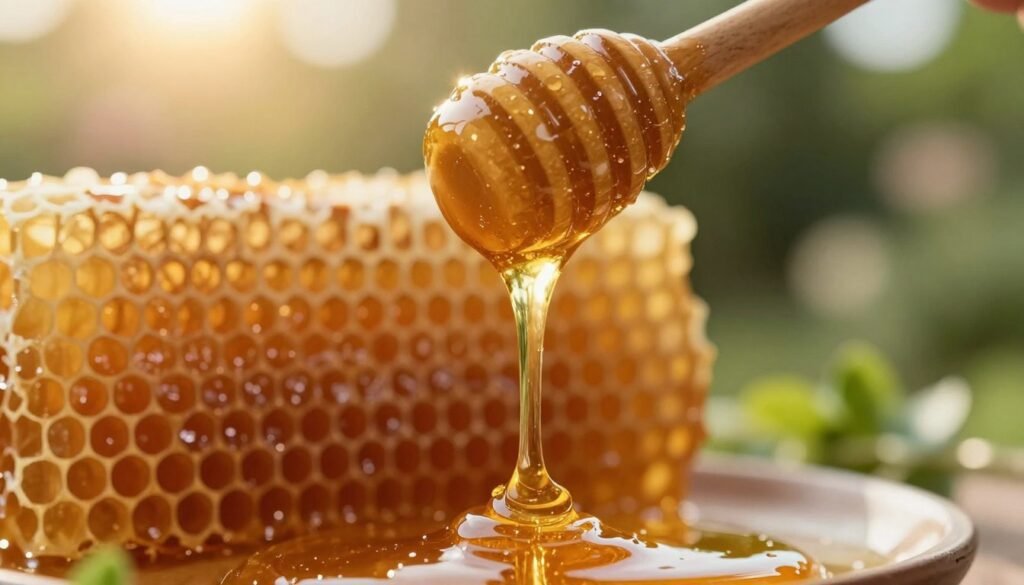
Honey is hygroscopic: it will absorb moisture from the air if the surrounding moisture level is higher than the product itself.
Bees work to remove extra water from nectar before capping cells. This dehydration step creates a dense, stable product that resists microbes.
Ideal Moisture Thresholds
Most jarred honey has a natural water content below 18%, which keeps microbes at bay.
- Safe target: research and the Australian Beekeeping Guide note that fermentation risk drops below 17.1% moisture level.
- When air becomes saturated, osmophilic yeasts may activate and start fermentation.
- Maintaining correct moisture content is a core beekeeping practice for preserving honey quality.
For more on high moisture and flavour, see this guide.
Why Fermentation Occurs in High Humidity
Dormant yeasts in raw jars can spring to life when internal water levels climb. All raw honey carries sugar-tolerant, osmophilic yeasts that remain inactive while water content stays low.
When moisture rises past the safe limit, those yeasts convert simple sugars into carbon dioxide, alcohol, and acetic acid. This biochemical shift causes sour flavors, bubbling, and visible spoilage.
The primary problem with high humidity is that it lets product absorb water. That extra water creates the ideal conditions for yeast to grow and start fermentation.
- Risk: excess moisture leads to spoilage and off-flavors.
- Cause: elevated moisture content activates osmophilic yeasts.
- Solution: rigorous drying, airtight storage, and routine refractometer checks to prevent fermentation.
Understanding this process is vital for beekeeping professionals who must protect quality and marketability year-round.
Recognizing Signs of Spoilage
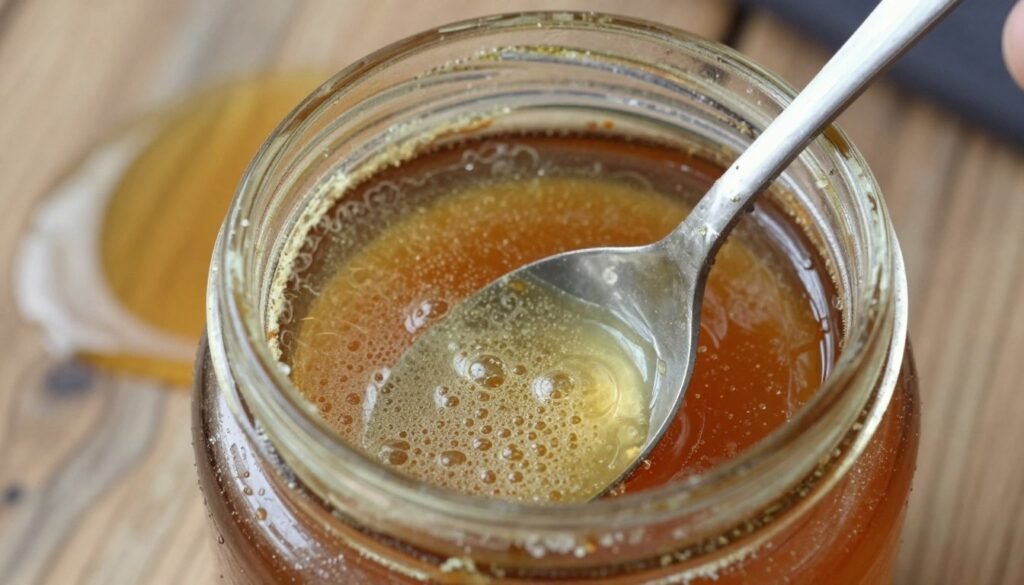
A faint sour note or unexpected aroma is an early warning sign of spoilage. Detecting problems fast preserves product value and prevents wider contamination.
Identifying Sour Flavors and Texture Changes
Watch for sensory shifts. A sour or alcoholic taste often marks the start of fermentation. That change signals falling quality.
- A noticeable sour or alcoholic flavor indicates active fermentation and reduced honey quality.
- Texture changes—thinning, increased graininess, or a watery layer—point to moisture uptake and lower quality honey.
- Microbial growth shortens shelf life and can make a batch unusable for consumers.
- Look for bubbling, visible gas, or an off odor; these are clear signs to inspect jars immediately.
- Isolate affected stock at once to stop spread and protect remaining product.
For guidance on testing and grading, review the grading standards used by commercial producers. Regular checks and swift action maintain marketable quality.
Best Practices for Harvesting in Humid Conditions
Harvest timing and frame selection make the biggest difference when air is wet. Only remove frames that are at least 80% capped in wax. That level shows the bees finished dehydration and the content is stable.
Keep the extraction process fast to limit exposure to moist air. Move frames quickly from hive to extractor and work in shaded, dry spots when possible.
Use the right tools. A refractometer helps beekeepers monitor moisture content during collection. For small scale producers, routine checks cut the risk of fermentation and protect quality.
- Inspect the hive entrance to confirm normal activity before opening hives.
- If frames show excess uncapped cells, leave them for more time in the hive.
- Document time and conditions for each batch to track water changes.
When instruments are unavailable, consider field tests and proven techniques to test moisture—see test honey moisture without an instrument for practical tips.
Selecting the Right Extraction Equipment
Choosing tools that reduce exposure is essential for preserving product quality during transfer from frame to jar.
Airtight extractors block unwanted air and limit moisture pickup during extraction. A sealed extractor reduces contact between the product and outside air. That containment helps maintain the target moisture content as you pull from the hive.
Airtight Extractors
Invest in an extractor with good seals and a lockable lid. Check gaskets and clamps before each session.
- Use a clean bucket designed to prevent drips and extra air contact.
- Control the flow from drum to bucket to avoid splashing.
- A reliable heater helps keep viscosity steady for smoother transfer.
Using Refractometers for Quality Control
A refractometer instrument is the standard tool for measuring moisture content. Readings guide beekeepers on whether a batch is ready for storage.
“A quick refractometer check can save a whole lot of product.”
Keep tools clean and calibrated. Test small samples from each frame and note results. If readings are above safe levels, delay bottling and use drying measures.
| Tool | Purpose | Key Benefit |
|---|---|---|
| Sealed extractor | Containment during extraction | Limits air contact and moisture pickup |
| Refractometer | Measure moisture content | Ensures consistent product quality |
| Collection bucket | Temporary storage after flow | Reduces splashing and contamination |
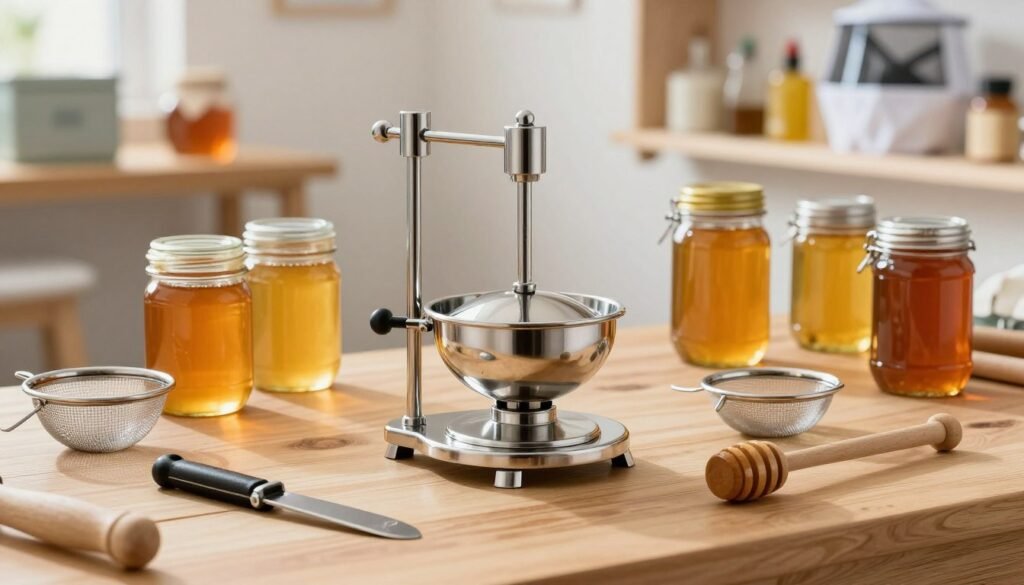
For more detailed setup and practical tips, see our high-quality extraction tips.
Essential Storage Techniques for Long-Term Quality
A tight seal and steady temperatures are the simplest defenses against spoilage in stored jars. Use clean, food-grade containers and always close the lid firmly after filling.
Store in a cool, dry place away from direct sun and drafts. Stable temperatures reduce crystallization and keep quality high.
For bulk lots, a sealed food-grade bucket with a snug lid limits air contact. That practice helps maintain the target moisture content and prevents water pickup from the surrounding air.
- Keep stock away from the hive entrance and other heat sources.
- Label batches with date and extractor notes to track storage time.
- Inspect seals periodically and replace lids or gaskets that show wear.
| Storage Item | Best Practice | Benefit |
|---|---|---|
| Food-grade jar | Airtight lid, clean before filling | Prevents air contact and extends quality |
| Bulk bucket | Sealed with tamper ring or gasket | Reduces moisture exchange and spoilage risk |
| Storage room | Cool, stable temperature, low airflow | Limits crystallization and preserves flavor |
Common Mistakes That Compromise Honey Integrity
Small mistakes in storage and harvest can undo months of careful beekeeping. These errors often center on containers, frame selection, and cold storage. Catching them early preserves product quality and reduces loss.
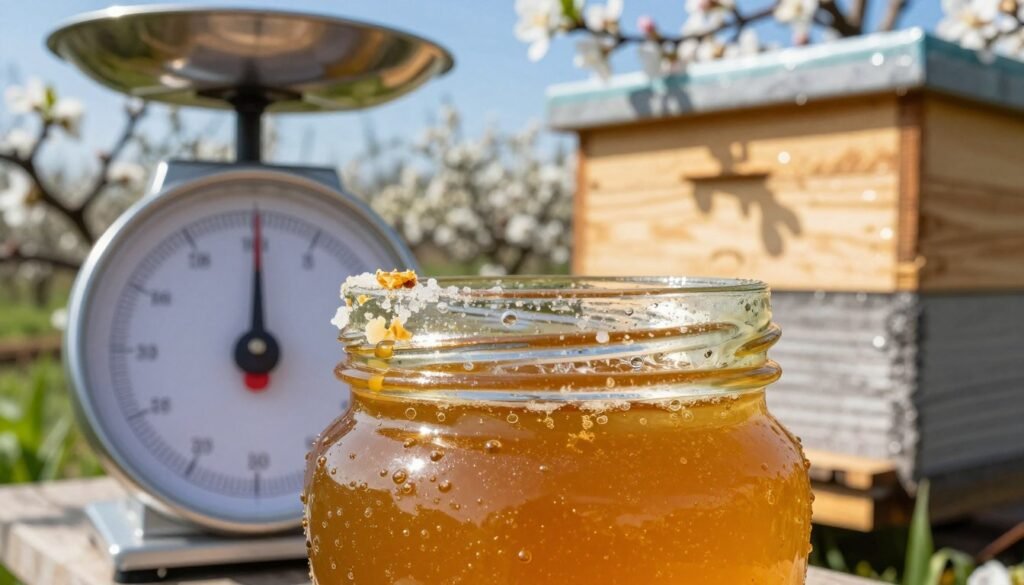
Using Non-Airtight Containers
One frequent error is filling jars or buckets that do not seal. Non-airtight containers let moisture enter and raise the water content. That opens the door to fermentation and off-flavors.
Harvesting Uncapped Frames
Removing frames before the wax is mostly capped is a major risk. Unfinished cells show the bee colony has not fully reduced moisture. Processing uncapped frames often results in thinning or spoilage.
Improper Refrigeration Methods
Placing jars in cold storage with loose lids creates condensation. Condensation increases local moisture and damages honey quality. Always cool sealed containers slowly and check seals.
- Use airtight tools and clean extractors to limit air contact.
- Confirm frames are capped before harvest to lower fermentation risk.
- Label batches and inspect seals after any temperature change.
Protecting integrity means using the right equipment and following clear beekeeping practices. For tips on extraction temperature and care, see avoid overheating during extraction.
Managing Moisture During the Extraction Process
During extraction, brief air exposure is the greatest risk to product stability. Keep transfers quick and planned. Aim to finish extraction in 2 to 4 hours to limit contact with the atmosphere.
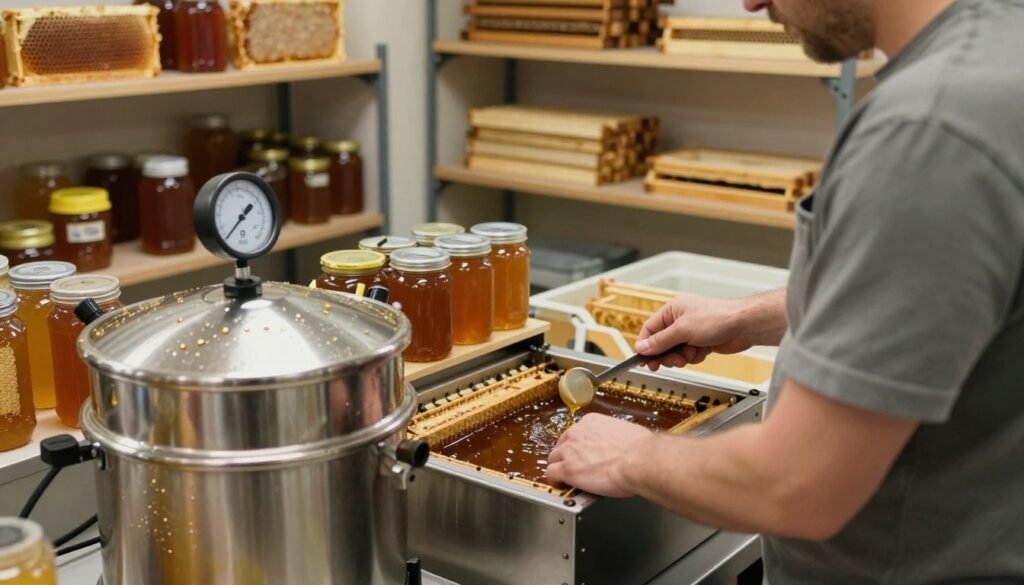
Set up a clean extractor near the hive entrance to cut walking time. Use a heater to steady temperatures and ensure a smooth flow from frames into the bucket.
Small scale producers often rely on a refractometer instrument to confirm moisture content before final bottling. Regular checks help prevent fermentation and protect honey quality.
| Step | Action | Benefit |
|---|---|---|
| Timing | Complete extraction in 2–4 hours | Reduces air exposure and excess moisture |
| Temperature | Use gentle heater, monitor temperatures | Smoother flow and consistent content |
| Testing | Sample with refractometer instrument | Confirm safe moisture level before bottling |
Control the workspace: close doors, limit people, and use sealed buckets. For guidance on treating wet lots, see treating wet lots. For practical extraction and storage steps, review extract and store raw honey.
Protecting Your Investment from Environmental Factors
A proactive routine is the single best defense for your jars when outside conditions turn damp. Treat moisture as a day-to-day risk and make simple checks part of every extraction and storing honey step.
Always verify that each bucket and container has a tight-fitting lid. A snug lid cuts contact with wet air and lowers the chance of fermentation or water uptake.
Plan extraction to avoid the hottest part of the day. Lower temperature and steadier air reduce the chance that product will pick up extra moisture during transfer from frame to drum.
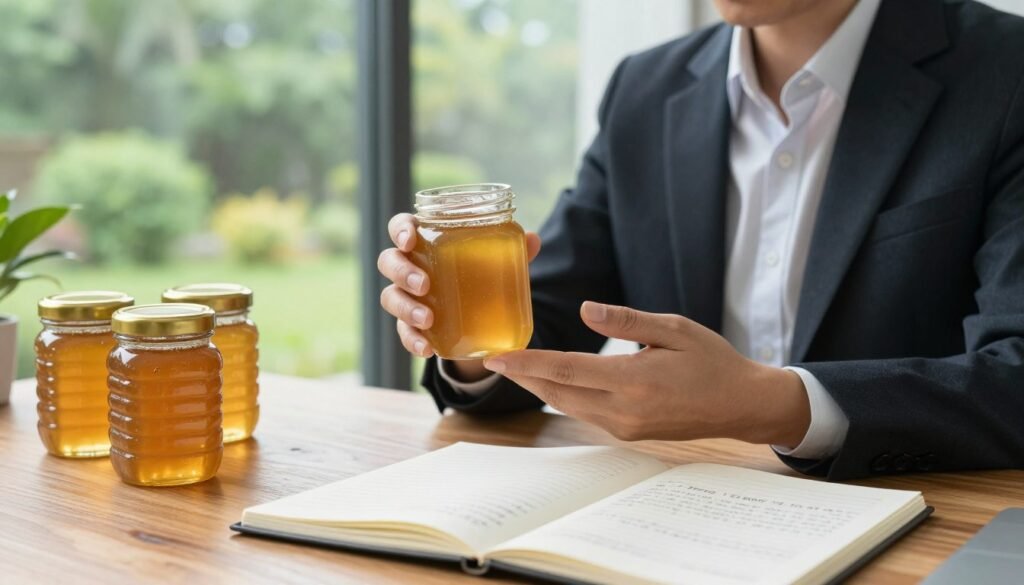
Use a gentle heater if needed to maintain ideal conditions in the work area. Controlled heat helps viscosity and speeds flow without degrading honey quality.
“Long-term shelf life depends on defending your product from its one true vulnerability: water.”
Follow this short checklist before bottling:
- Confirm moisture content with a refractometer sample.
- Seal every bucket and jar with a tight lid immediately after filling.
- Schedule extraction during cool, stable periods and limit contact time.
For practical guides on storing and packaging, consult a complete guide to storing honey and best practices for packaging and labeling.
Conclusion
,
A steady routine of checks and sealed storage protects your product from spoilage. Make airtight containers and verified lids the default for every batch.
Test samples with a refractometer before bottling and document readings. This simple step keeps quality consistent and reduces risk.
Follow best practices for harvest and storage to keep flavor and texture intact. Good equipment and careful management preserve the value of your jars of honey.
Final point: understanding stability science and acting on it protects your work, your product, and your customers season after season.
FAQ
What moisture level should I aim for when extracting honey?
Aim for a moisture content of 17% or lower. Honey at or below this level resists fermentation, stores well, and keeps flavor and texture stable. Use a refractometer to confirm readings before bottling or long-term storage.
Why is measuring moisture content important after extraction?
Moisture determines shelf life and safety. Excess water invites yeast, which ferments sugars and produces off-flavors, gas, and bubbling. Measuring lets beekeepers decide whether to dehumidify, heat slightly, or delay bottling.
What causes fermentation in recent harvests?
Fermentation happens when honey contains too much free water and airborne yeasts are present. Warm temperatures and poor ventilation speed the process. Prevent by lowering moisture, using airtight containers, and keeping storage cool.
How can I tell if honey has started to spoil?
Signs include a sour or alcoholic smell, foamy or bubbly appearance in jars or buckets, and unexpected thinning. Texture may change to a runny or slightly effervescent state. Test with a refractometer and discard if fermentation is active.
Should I harvest uncapped frames in wet weather?
Avoid harvesting uncapped or partly capped frames when the atmosphere is humid. Uncapped cells contain higher moisture. Wait for bees to finish capping or use a honey flow or dehumidifier in your extraction area.
Which extraction equipment reduces moisture problems?
Use airtight extractors and food-grade, sealable buckets with lids to limit exposure to humid air. Electric extractors in enclosed rooms with dehumidifiers and controlled temperature minimize moisture uptake during processing.
How do I use a refractometer for quality control?
Calibrate the refractometer with distilled water, then place a drop of warm, well-mixed honey on the prism. Read the moisture percentage and record it. Repeat across batches and frames to track consistency.
What storage methods preserve low moisture after extraction?
Store honey in clean, airtight glass or food-grade plastic containers at stable, cool temperatures (50–70°F). Keep containers off concrete and away from direct sunlight. For long-term stock, maintain relative humidity below 60% in the storage area.
Can heating help reduce moisture in honey?
Gentle warming (around 95–104°F) can speed moisture release during processing, but high heat degrades flavor and enzymes. Use mild, controlled heat in combination with low-humidity air movement rather than high temperatures alone.
Are there common mistakes that raise moisture after extraction?
Yes. Using non-airtight containers, leaving lids off buckets, extracting in damp or rainy weather, and refrigerating in open trays can all increase water uptake. Always seal jars promptly and work in a dry environment.
How quickly must I bottle after extraction to prevent problems?
Bottle as soon as moisture readings are acceptable. If readings are high, treat or hold honey in sealed containers with a desiccant or run a dehumidifier in the room until moisture drops. Prolonged open-air exposure increases risk.
What role does hive ventilation play in final moisture content?
Good hive ventilation during ripening helps bees evaporate nectar and cap cells. Proper entrance management, screened bottom boards, and sufficient space reduce humidity inside the hive and improve final moisture in harvested frames.
Can small-scale operations control moisture without expensive equipment?
Yes. Use a simple refractometer, extract during dry periods, process in an enclosed room with fans and desiccant packs, and store finished honey in airtight jars. These low-cost steps effectively minimize moisture-related issues.
What environmental factors should I monitor to protect my crop?
Track ambient temperature, relative humidity, recent rain, and forecasted weather during harvest. High overnight humidity or unexpected storms can raise moisture in nectar and harvested honey, so plan extraction accordingly.