Published March 31, 2026
Immediate care sets the stage for good healing. A Hackensack dentist recommends firm pressure with gauze for 30 minutes to control bleeding in the first hours after a tooth extraction. This simple step stabilizes the site and helps the mouth begin its repair.
Remove surface debris carefully. Gentle removal of surface material and floating residues preserves the clot. During those early minutes, steady pressure matters more than frequent probing.
Plan a follow-up appointment so your provider can confirm healing is on track. Proper attention during the first hours supports long-term success and lowers the risk of complications.
Key Takeaways
- Apply firm pressure with gauze for 30 minutes to manage bleeding.
- Keep the mouth calm during the first hours to protect the clot.
- Remove only visible surface residues; avoid aggressive manipulation.
- Schedule a prompt appointment for post-op evaluation.
- Follow professional guidance from your Hackensack dentist for best healing.
For an easy guide on clarifying and handling byproducts, see this practical resource: post-extraction handling tips.
Understanding the Importance of Post-Extraction Care
Following your dentist’s directions will make pain and swelling easier to manage. Proper oral care in Hackensack helps the mouth heal and lowers the risk of complications. Gentle routines preserve the clot and protect the surgical site.
Dentists give specific instructions for medications and wound care. Take all prescribed medication exactly as directed. This helps control discomfort and keeps the site free from bacterial growth that can cause infection.
- Follow the detailed instructions from your Hackensack provider to reduce complications and manage swelling.
- Keep the surgical site clean but avoid aggressive probing that may disturb healing.
- Watch for unusual pain or increasing swelling and contact your dentist if infection is suspected.
Consistent, diligent care protects long-term oral health. By sticking to the plan and using medications correctly, you support faster recovery and fewer setbacks.
How to Skim Wax and Foam After Extraction
Gentle care in the days after a tooth removal helps the socket heal from the bottom up.
Removing debris
Start rinsing 24 hours after the procedure. Blend half a teaspoon of salt into a cup of warm water for a gentle rinse. Use this solution after meals to clear small food particles that might trap in the socket.
Maintaining a clean environment
Remove visible debris gently with the flow of rinsing. Avoid probing the area so the blood clot stays intact and the clot can guide proper healing of the site.
Keep oral care simple for the first few days. Rinse after every meal and limit vigorous spitting. Clean surrounding teeth with normal, gentle brushing.

| Day | Rinse Frequency | Solution | Purpose |
|---|---|---|---|
| 1 | None (avoid) | — | Protect initial clot |
| 2–7 | After meals (3–5 times) | Warm water + salt | Clear food, reduce bacteria |
| 8–14 | Daily routine | Warm water or mild mouthwash | Support ongoing healing |
Managing Bleeding During the First Hour
The first sixty minutes after a procedure are critical for managing bleeding and protecting the surgical area.
Bite down firmly on your gauze packs and hold steady pressure for 30 to 60 minutes. This pressure encourages a stable clot and reduces risk of continued blood flow at the site.
If bleeding continues, reposition the gauze so it sits directly over the extraction area. Keep the gauze in place without talking or moving your mouth; minimal movement helps the clot set.
“Apply steady pressure and follow your dentist’s instructions for the first day.”
- During the first hours, bite down hard on gauze packs to control active bleeding.
- Heavy bleeding may need another 30–60 minutes with gauze in place over the site.
- Some blood mixed with saliva is normal; follow care instructions for comfort and reduced pain.
- If bleeding persists after several 30-minute intervals, contact your Hackensack dentist for guidance.
Strategies for Reducing Facial Swelling
Most swelling peaks around 48 hours, so timely cold and warm compresses matter.
Using cold and warm compresses
For the first 24 hours, apply cold packs to the affected area for 10 minutes on, 10 minutes off. This routine limits early inflammation and supports faster healing.
Swelling commonly reaches its maximum at 48 hours following the extraction, so keep using compresses in short cycles during the initial days.

After the first 48 hours, switch to warm compresses to encourage circulation and reduce lingering facial swelling. Maintain 10-minute intervals while watching the area closely.
- Cold packs: 10 minutes on, 10 minutes off for the first day.
- Warm compresses: Begin after 48 hours to aid recovery.
- Head elevation: Use two pillows for the first few days to minimize swelling.
For more procedural preparation and practical tips, review this pre-treatment guidance.
Pain Management and Medication Protocols
Effective medication use can make the first days after a dental removal far easier. Follow clear steps so pain stays controlled and healing proceeds without setbacks.
Over-the-counter options
Take OTC pain relievers before numbness fades to stay ahead of discomfort. This timing reduces peak pain and makes movement less painful.
Use cold packs in short cycles — ten minutes on, ten minutes off — while taking your pain plan. Short sessions of cold help swelling and support the medication’s effect.
Prescription safety
Always follow your Hackensack dentist’s specific instructions for any prescribed medications. If a narcotic is given, take it with food to lower nausea risk.
“Do not operate heavy machinery while taking narcotic medication.”
- Take prescribed medication or OTC relievers before numbness ends.
- If your tongue detects sharp bony edges, this often reflects exposed bone rather than a new problem.
- Avoid driving and heavy tasks while sedating meds are active.
| Item | When | Notes |
|---|---|---|
| OTC analgesic | Before numbness wears off | Helps prevent breakthrough pain |
| Cold packs | 10 minutes cycles | Use with medication for extra relief |
| Narcotic medication | With food | May impair judgment; avoid machinery |
Guidelines for Maintaining a Soft Diet
Choose soft, nourishing meals during the days following your procedure to protect the socket and speed recovery.
Eat cool or room temperature soups and soft foods during the first day. Mashed potatoes, yogurt, and blended soups are easy on sore gums. These options limit pressure on the healing area and are simple to swallow.
Avoid gritty or sharp items. Do not eat foods that contain nuts, seeds, rice, or chips. Small pieces can irritate the surgical site and slow progress.
- During the first days following your tooth extraction, stick with a soft diet to prevent damage.
- Follow the dietary instructions provided by your dentist so you get proper nutrition without chewing hard items.
- Do not skip meals; steady nourishment supports healing and energy levels.

| Timeframe | Suggested Foods | Avoid |
|---|---|---|
| First 24 hours | Cool soups, yogurt, applesauce | Hot, crunchy, or spicy items |
| Days 2–7 | Mashed potatoes, scrambled eggs, smoothies | Nuts, seeds, rice, chips |
| After day 7 | Soft solid foods as comfort allows | Hard or chewy foods until instructed otherwise |
Why You Must Avoid Suction and Spitting
Avoid any suction actions in the mouth during the first week. These motions can dislodge the blood clot that guides healing after a tooth extraction.
Spitting or using a straw creates negative pressure that pulls at the clot. That loss of protection can expose bone and lead to a painful dry socket.
Do not smoke for seven days. Smoking increases suction and delays recovery. Keep your mouth calm in the first hours and days following the procedure.
- Avoid straws and smoking: both can remove the clot and cause bleeding.
- Don’t spit forcefully: negative pressure may dislodge the clot and slow healing.
- Use gauze gently: place it without creating suction; steady pressure is fine.
- Stick with soft food: avoid habits that need sucking or strong mouth pressure.
- Protect the clot in the first few days: this step reduces risk of extra blood loss and complications.
“Protecting the clot is the most important step in the first few days to ensure that your mouth heals without unnecessary bleeding.”
Proper Rinsing Techniques for the Healing Site
Begin gentle rinsing one full day after your extraction. This timing helps protect the blood clot that guides healing at the socket.
Mix a mild solution by stirring one teaspoon of salt into eight ounces of warm water. Use this warm water rinse three or four times daily for one week to clear small debris without stressing the site.
Keep motions soft and let the fluid flow around the socket. Rinse quietly and avoid spitting forcefully; sudden pressure can disturb the clot and slow recovery of the mouth.

- Wait 24 hours before beginning rinsing to protect initial clot formation.
- Use warm salt water (1 tsp salt in 8 oz water) after meals for 7 days.
- One week later, an irrigation syringe may gently flush the socket as it closes from the bottom up.
- Always rinse with care to avoid placing pressure on the healing site and any exposed blood.
“Gentle rinsing supports a clean socket and lowers risk of complications.”
Resuming Oral Hygiene and Brushing
Resume daily oral care gently, keeping a cautious distance from the surgical area at first.
Begin regular cleaning the next day, avoiding direct contact with the surgical site until soreness eases. This protects the clot and supports steady healing.
Gentle brushing techniques
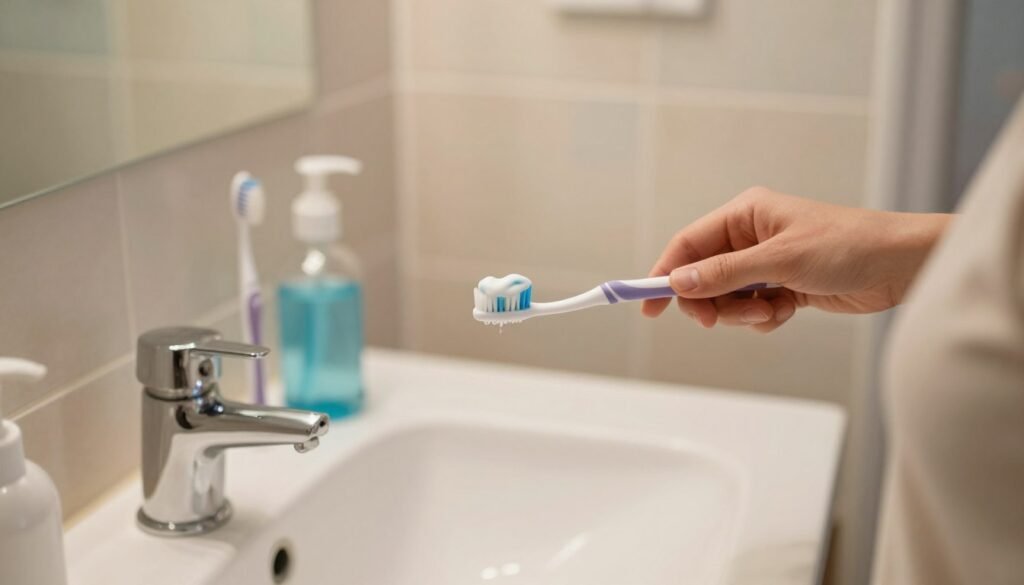
Use a soft-bristled brush and light strokes. Clean teeth away from the area first, then, as swelling falls, move a little closer each day.
- You can resume normal hygiene the day after your procedure, but steer clear of the immediate site at first.
- Brush with gentle, short strokes to avoid pain or disruption of healing.
- As swelling subsides over the next few days, carefully include the socket area in your routine.
- If brushing any spot causes pain, pause and focus on the other parts of your mouth until comfort returns.
Keeping teeth clean reduces infection risk and helps recovery.
“Protect the surgical area while maintaining good hygiene for the best outcome.”
Monitoring for Signs of Infection
Check the site each day for unusual swelling, increasing pain, or discharge.
Early recognition matters. If redness expands or the area feels hotter than the rest of your mouth, these may be signs of infection.
Watch for a fever above 100.4°F. A persistent temperature at or over this level warrants immediate contact with your dental office.
- Monitor the extraction area for persistent pain, growing swelling, or redness.
- If you notice heavy bleeding, rising temperature, or other worrying symptoms, call your dentist right away to avoid further complications.
- Take all prescribed medications exactly as directed to reduce the risk of infection and support healing.
If anything feels wrong or healing stalls, do not hesitate to reach out for professional advice. Quick action prevents small problems from becoming major complications.
“Prompt attention to signs of infection keeps recovery on track.”
Identifying Symptoms of a Dry Socket
A steady ache that shoots toward your ear or jaw often marks a dry socket.
Timing matters: signs usually start on the third or fourth day after an extraction. If pain grows worse instead of easing over these days, examine the area and note any new symptoms.
If the clot comes loose and the socket is exposed, sharp pain can follow. You may also notice reduced blood in the socket and an unpleasant taste.
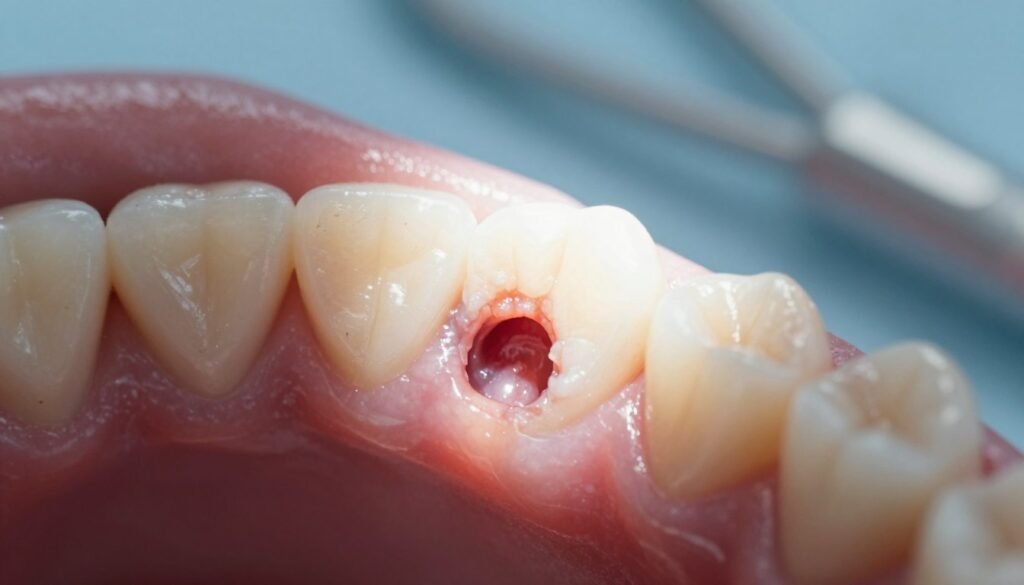
If your tongue feels a hard bony edge, this often means the socket wall is exposed and not always a dry socket.
“Intense, radiating pain that does not ease warrants prompt dental care.”
| Symptom | Typical timing | Immediate action |
|---|---|---|
| Severe, radiating pain | Day 3–4 | Contact dentist for assessment |
| Exposed socket with less blood | Hours to days | Avoid actions that dislodge clot; use gauze if bleeding |
| Unpleasant taste or odor | Days 3–5 | Seek professional care to prevent complications |
If intense pain persists, call your dentist. They may place a medicated dressing to relieve pain and protect the socket while healing continues.
Long-Term Healing and Bone Regeneration
The socket seals from its base upward as new bone forms during the weeks after the procedure.
Expect the body to rebuild the area over 3–4 weeks. During those days, the socket closes from the bottom up and marrow fills the cavity. This gradual process reduces pain and restores strength to the tooth area.
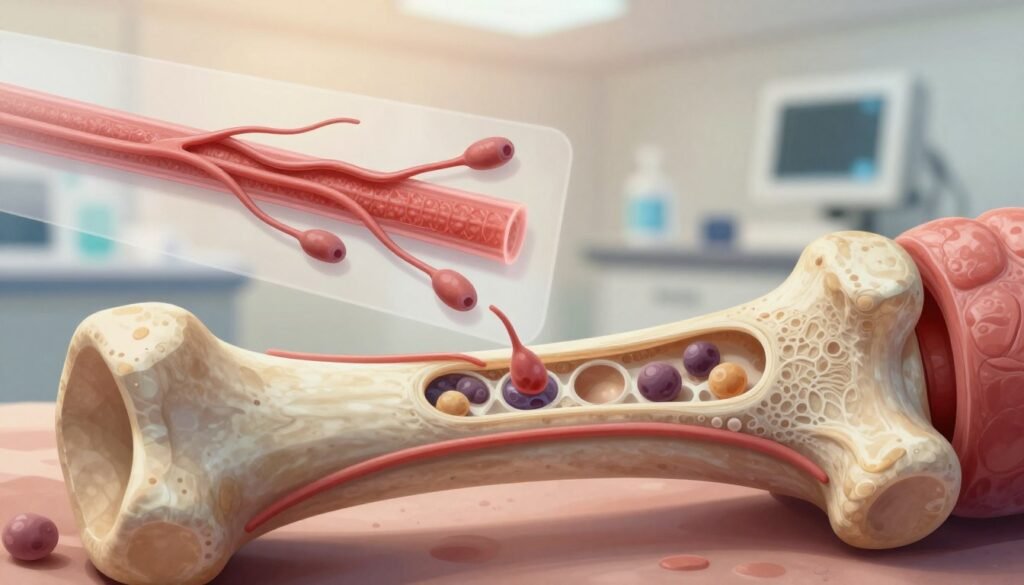
Keep a soft diet and avoid smoking or using a straw for at least one week. These steps protect the blood clot and help bone regenerate without disruption.
Even when numbness fades and swelling eases, keep the site clean. Good hygiene and proper nutrition support steady healing and lower risk of infection.
“If you feel bony edges with your tongue, leave them alone — they smooth naturally as bone fills in.”
| Phase | Timeframe | Focus | Notes |
|---|---|---|---|
| Initial | First hours–days | Protect clot | Avoid suction, follow medications |
| Early healing | Days 7–14 | Bone formation | Soft diet, gentle rinsing with water |
| Remodeling | Weeks 3–4 | Socket fills | Monitor for infection; follow dentist advice |
For further reading on bone repair, see bone regeneration research.
When to Contact Your Dental Professional
Contact your dental office right away if bleeding won’t stop or pain grows worse despite home care. Persistent bleeding that does not respond after biting gauze for 30 minutes needs prompt attention.
If you notice a fever, rising swelling, or any troubling change in healing, schedule an appointment without delay. Our Hackensack team can review your instructions and adjust treatment when needed.
If you are unclear about rinsing with water or have questions about your ongoing care, call the office for guidance. Regular communication keeps recovery on track and prevents complications.

- Call immediately for persistent bleeding that continues after 30 minutes of gauze pressure.
- If your pain is not controlled by the current care plan, contact us for advice or a visit.
- Schedule an appointment if fever or increased swelling appears after the first few days.
- Reach out for clarification on post-op instructions, including safe rinsing with water.
- Keep in touch with your dentist so any complications after a tooth extraction are handled quickly.
“Timely contact and follow-up appointments help secure a smooth, safe healing process.”
Conclusion
,
Consistent post-op steps give the best chance for a quick, safe healing process. Proper post-operative care is the single most important factor in a smooth, complication-free recovery.
Follow your dental team’s specific instructions for medication, rinsing, and diet. Gentle rinsing and a soft diet help keep the site clean and reduce infection risk.
Avoid smoking or using straws; these habits can disrupt the clot and lead to a painful dry socket. If you notice unusual pain, fever, or persistent bleeding, contact your dental professional promptly.
Stay in touch with your care team for personalized support. Small, steady actions now help ensure strong long-term bone regeneration and comfort as you heal.
FAQ
What should I know about post-extraction care right after the procedure?
After a tooth removal, protect the blood clot at the site. Bite gently on gauze for 30–60 minutes to control bleeding. Avoid rinsing, spitting, using a straw, or smoking during the first 24 hours. Keep your head elevated and stick to soft foods like yogurt, mashed potatoes, or smoothies (no straw).
How can I keep the socket clean without disturbing the clot?
Maintain oral hygiene by brushing other teeth but avoid the extraction area. After 24 hours, rinse gently with a warm saltwater solution (½ teaspoon salt in 8 ounces of water) several times daily, especially after meals. Do not force water into the socket; tip your head slightly and let the rinse flow out naturally.
What if bleeding continues beyond the first hour?
If bleeding persists, place fresh sterile gauze over the socket and bite with firm, steady pressure for 30–45 minutes. If bleeding remains heavy, use a damp tea bag (tannins can help clotting) and contact your dentist. Avoid vigorous activity and keep your head elevated.
How do I reduce facial swelling in the first days?
Apply an ice pack to the cheek in 15-minute intervals (15 minutes on, 15 off) for the first 24–48 hours. After 48 hours, switch to warm compresses to encourage circulation and healing. Keep swelling-controlled with rest and head elevation while sleeping.
Which pain medicines are safe after extraction?
For most patients, over-the-counter ibuprofen (Advil, Motrin) or acetaminophen (Tylenol) relieves discomfort. Take according to label directions and any instructions from your dentist. If prescribed opioids or antibiotics, follow dosing and finish the full antibiotic course to reduce infection risk.
How should I manage my diet during recovery?
Stick to soft, nonabrasive foods for several days: applesauce, scrambled eggs, blended soups, and smoothies (no straw). Avoid hot beverages, spicy foods, nuts, seeds, and crunchy items that can irritate the socket. Gradually reintroduce firmer foods as comfort allows.
Why is suction or spitting dangerous after a tooth removal?
Suction or forceful spitting can dislodge the blood clot that protects the bone and nerves. Loss of that clot raises the risk of a painful condition called dry socket. Avoid straws, vigorous rinsing, and spitting for at least 48–72 hours.
When and how should I rinse the extraction area?
Begin gentle warm saltwater rinses 24 hours after surgery. Use ½ teaspoon salt in 8 ounces of warm water, swish gently for 30 seconds, and let it fall out of your mouth. Do this 4–6 times daily, especially after eating, until healing progresses.
Can I brush my teeth after the extraction?
Yes—except near the extraction site. Continue brushing and flossing remaining teeth carefully. For the surgical area, use a soft-bristled brush and very gentle strokes starting a few days post-op to avoid disturbing tissue and the clot.
What signs suggest an infection at the extraction site?
Watch for increasing pain, persistent swelling, fever, foul taste or odor, pus discharge, or red streaks on the face. If you notice these, call your dentist promptly—antibiotics or in-office treatment may be needed.
How can I tell if I have a dry socket?
Dry socket usually appears 3–5 days after extraction and causes severe, throbbing pain that radiates to the ear or temple. The socket may look empty or show exposed bone. If this happens, contact your dentist immediately for professional treatment and pain control.
What should I expect for long-term healing of the bone and gum?
Soft tissue typically closes in a few weeks, while bone remodeling can take several months. Maintain good oral hygiene and follow dietary and activity guidance. Regular dental checkups help monitor bone regeneration and socket healing.
When should I contact my dental professional after extraction?
Call your dentist if bleeding won’t stop after pressure, pain worsens despite medication, you develop fever, notice signs of infection, or suspect a dry socket. Also report severe swelling that affects breathing or swallowing immediately.
Are there habits I must avoid to protect healing?
Avoid smoking, vaping, using straws, heavy rinsing, and strenuous exercise for several days. These actions can delay healing, increase bleeding, and raise the risk of complications like dry socket and infection.
Can I eat ice cream or cold foods after surgery?
Yes—cold, soft foods like ice cream or gelato can soothe pain and reduce swelling. Avoid crunchy mix-ins. Ensure foods are not too hard or sticky, and let cold items sit a moment if numbing remains to prevent biting your cheek or tongue.