Published March 31, 2026 · Last Updated August 26, 2026
Protecting Apis mellifera populations in the United States starts with solid control of the parasitic Varroa destructor.
The mite feeds on developing brood and adults, opening pathways for viral agents that weaken a honey bee colony. Unchecked varroa infestation leads to a significantly higher risk of colony decline and collapse.
Understanding mite biology helps beekeepers pick the right monitoring and treatment timing. Simple checks, like alcohol washes or sugar shakes, give clear data to act fast.
This article links practical steps and research-backed methods so you can protect worker health and queen viability. For a detailed seasonal plan, see our late summer management guide at late summer varroa management plan.
Key Takeaways
- Varroa destructor spreads pathogens that harm honey bee health.
- Regular monitoring detects rising mite levels before crises.
- Treatment timing and rotation preserve long-term control.
- Action thresholds guide when to intervene to save bee colonies.
- Combining mechanical and chemical tools reduces overall risk.
Understanding the Impact of Varroa Destructor
The parasite attacks the bee’s core energy reserves, with outcomes that ripple through the hive.
Mite Biology and Feeding Habits
The destructor mite feeds on the fat body and haemolymph of both capped brood and adult bees. This targeted feeding reduces immune function and shortens lifespan in individual honey bees.
Loss of fat body tissue impairs detoxification and nutrient storage. Over time, honey bee colonies show lower resilience to stressors and pathogens.
Historical Context of Infestation
The parasitic mite Varroa jacobsoni oud. was identified historically as a turning point in beekeeping. Its arrival forced new management tactics for apis mellifera worldwide.
Records show the mite varroa jacobsoni replicated inside brood cells, accelerating population impacts in honeybee colonies. Studying that history helps shape current control strategies.
“The destructor mite specifically targets fat body tissue, a key factor in colony decline.”
| Aspect | Effect on Bees | Colony Outcome |
|---|---|---|
| Feeding target | Fat body tissue and haemolymph | Reduced immunity and energy |
| Reproduction site | Capped brood cells | Rapid population growth of mites |
| Historical note | Varroa jacobsoni oud. emergence | Shifted global hive management |
| Observed consequence | Weakened adult bees | Higher colony loss risk |
For a recent synthesis of how these processes affect colonies, see the research review.
The Biological Mechanism of Secondary Infections After Varroa Damage
When mites pierce bee cuticle, they compromise barriers that normally block microbial invaders.
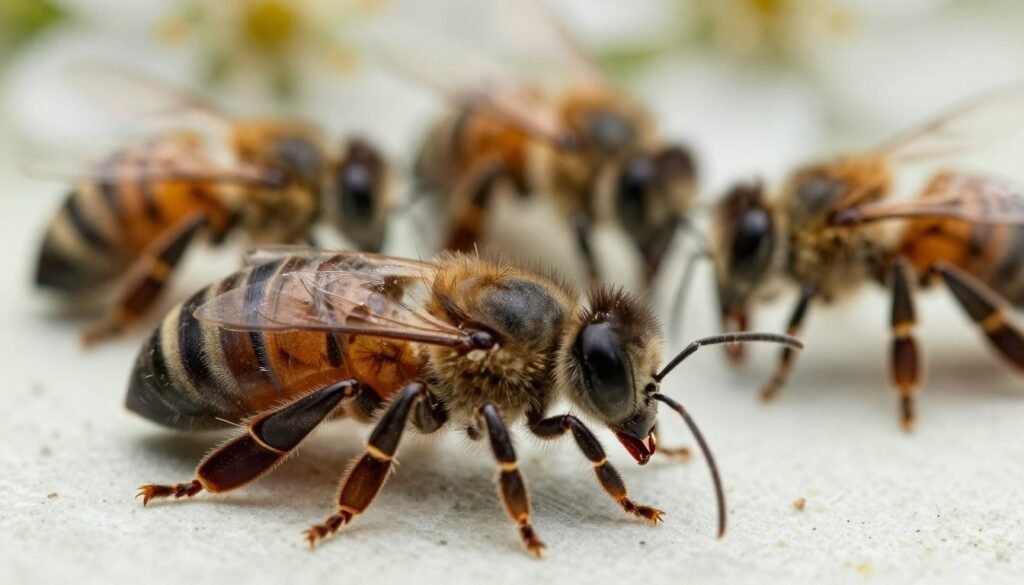
The parasitic mite creates tiny wounds that let microbes reach the haemolymph and the fat body. This breach weakens both larvae and adult bees quickly.
Key steps in the process:
- Cuticle breach during feeding provides direct entry for pathogens.
- Loss of fat body tissue lowers detox and immune responses in honey bee individuals.
- High mite loads—roughly 3,000–4,000 mites per 20,000 bees—raise collapse risk in Apis mellifera colonies.
“Damage to the fat body is often more lethal than the direct loss of haemolymph to the parasite.”
Studies on varroa jacobsoni and the destructor mite show immune suppression follows feeding. Preventing the initial bite reduces pathogen spread in bee colonies.
| Mechanism | Effect on Bees | Colony-level Outcome |
|---|---|---|
| Cuticle breach | Pathogen entry to haemolymph | Increased brood mortality |
| Fat body loss | Lower immune defence | Reduced colony resilience |
| Mite population threshold | High pathogen amplification | Risk of collapse |
| Immune suppression | Opportunistic microbes thrive | Higher adult bee loss |
For practical monitoring and management guidance, consult the Mississippi State varroa guide and the review on future varroa‑resistant bee genetics.
Viral Pathogens and Colony Health
Viral agents ride on feeding mites, turning minor wounds into rapid hive-wide outbreaks.
Transmission routes shape colony outcomes. The deformed wing virus ranks among the most common honey bee viruses vectored by the varroa destructor during feeding on the fat body.
Viral Transmission Routes
Key pathways include direct injection during mite feeding, contaminated brood cells, and trophallaxis between workers. Each route raises the viral load in individual apis mellifera bees and across bee colonies.
- The deformed wing virus often reaches significantly higher viral load when transmitted by the parasitic mite.
- High viral load in a single honey bee can act as a reservoir that seeds the entire colony.
- Reducing varroa infestation lowers overall viral load and limits activation of latent bee virus strains.
- Monitoring honey bee viruses helps keep colony health stable and productive.
“Understanding circulation of viral pathogens is essential to protect long-term stability of managed honey bee colonies.”
For recent research on virus dynamics and management strategies, consult the recent Nature study and guidance on fungal impacts to immunity at Beekeepers Realm.
Deformed Wing Virus as a Primary Driver
When deformed wing virus spreads through a nest, visible wing deformities signal deep immune suppression in bees.
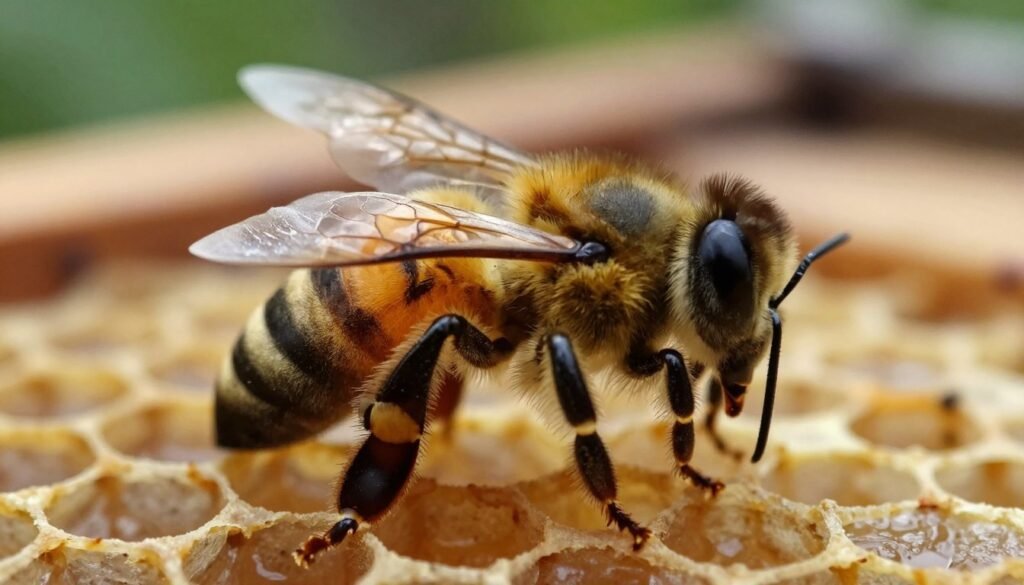
The deformed wing virus is widely recognized as the main cause of colony collapse in heavily infested Apis mellifera populations. High viral load in pupae produces adults with shriveled wings and reduced lifespans.
Transmission by the varroa destructor and the mite varroa amplifies viral load in developing individuals. Studies show brood parasitized during pupation often carry the highest concentrations of the wing virus.
“When the wing virus reaches critical thresholds, colonies show significantly higher brood mortality and worker loss.”
- Monitor for deformed wing and misshapen abdomens in emerging honey bees.
- Early detection lets beekeepers reduce varroa infestation and cut viral amplification.
- Controlling mite varroa remains essential to limit spread of the wing virus across bee colonies.
Acute Bee Paralysis Virus and Related Strains
Acute bee paralysis strains can sweep through a hive rapidly, leaving many adults immobile within days.
The acute paralysis virus, Kashmir bee virus, and Israeli acute paralysis are part of a bee paralysis complex that threatens Apis mellifera populations. These agents target the nervous system and often cause quick death in adult honey bee workers.
Viral Transmission Routes
The varroa destructor frequently vectors the acute paralysis virus by feeding in brood cells and on adults. This elevates viral load and speeds spread within bee colonies.
- Feeding by the mite varroa injects virus directly into haemolymph of larvae and adults.
- Co‑infection with the deformed wing virus produces a significantly higher rate of colony decline.
- Viral load often tracks the intensity of varroa infestation and hive stressors.
“Identifying specific strains helps researchers map transmission and design targeted controls.”
| Virus | Primary Host Effect | Management Note |
|---|---|---|
| Acute paralysis virus | Rapid adult paralysis and mortality | Monitor adult mortality; reduce mite pressure |
| Kashmir bee virus | Weak foragers, reduced lifespan | Test viral load in symptomatic hives |
| Israeli acute paralysis | Severe paralysis; outbreaks with co‑infections | Prioritize early detection and integrated control |
Bacterial Opportunistic Infections
Once protective barriers are pierced in pupae, opportunistic bacteria can spread rapidly through the developing brood.
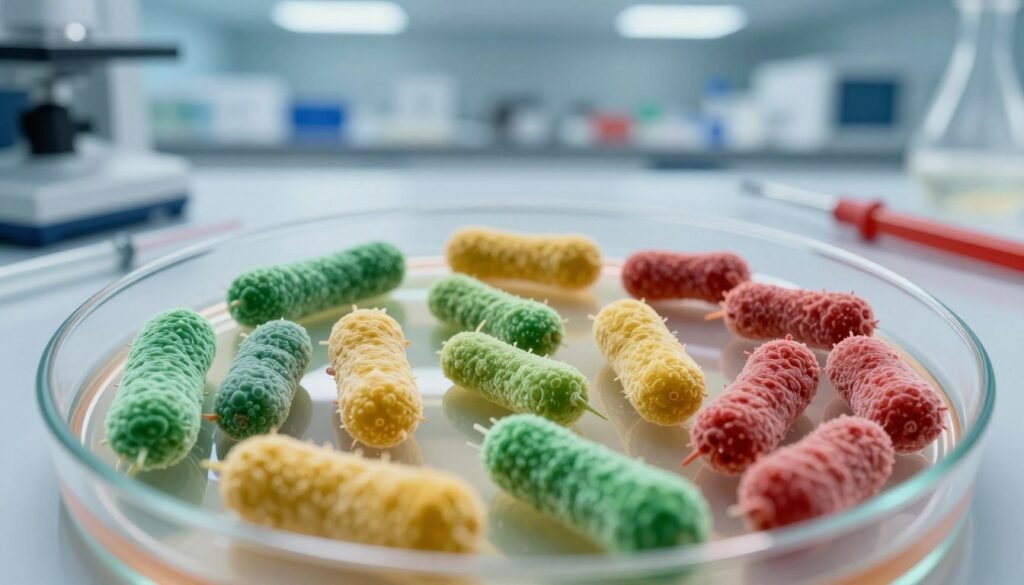
Septicemic cases in pupae often follow breaches caused by the parasitic mite. The varroa destructor and the varroa mite can mechanically introduce soil bacteria into capped brood. When this happens, the Queen Cell Virus often appears alongside bacterial problems and worsens outcomes.
Septicemic Infections in Pupae
In apis mellifera pupae, bacterial colonization of haemolymph leads to rapid decline. Beekeepers may see foulbrood-like signs but should check mite loads first.
Bacterial Opportunists in Weakened Colonies
Honey bee immune suppression raises risk; the incidence of bacterial disease is significantly higher when varroa infestation has already weakened workers.
“Managing mite pressure is the most effective way to curb bacterial threats in bee colonies.”
| Situation | Cause | Common Signs |
|---|---|---|
| Septicemia in pupae | Mechanical transfer by mite varroa | Discolored brood, rapid brood loss |
| Queen cell decline | Queen Cell Virus with bacterial entry | Dead or malformed queen larvae |
| Colony-level spread | Compromised immunity in apis mellifera | Spotty brood pattern, high brood mortality |
For detailed guidance on brood pathogens and control tactics, see this detailed guidance on brood pathogens.
Fungal Pathogens and Brood Care
Chalkbrood and other molds find opportunity when nurse numbers fall and hygiene slips.
Fungal outbreaks rise when brood care weakens. A stressed honey bee workforce cannot keep cells clean or brood temperatures stable.
When varroa destructor reduces nurse bees, spores settle in capped cells and develop quickly. Research shows incidence is significantly higher in poorly managed apis mellifera colonies during heavy varroa infestation.
Beekeepers should inspect brood frames for mummified larvae and dusty white mycelia. Restoring nurse numbers and lowering varroa mite pressure are key to prevention.
“Healthy brood care is the first line of defense against fungal agents in bee colonies.”
- Maintain hygienic practices and proper ventilation.
- Monitor varroa destructor levels and act before nurse loss becomes severe.
- Consult detailed guidance on brood pathogens for treatment options: detailed guidance on brood pathogens.
| Risk Factor | Typical Sign | Practical Action |
|---|---|---|
| Low nurse population | Spotty brood pattern, mouldy cells | Reduce mite load; combine mechanical and chemical controls |
| Poor hygiene | White, chalky mummies in cells | Improve ventilation; requeen if needed |
| Environmental stress | Higher brood mortality | Supplement feeding; minimize disturbances |
| High varroa infestation | Decline in nurse bees | Monitor and treat promptly |
The Role of Social Immunity in Bee Colonies
A hive’s communal responses—grooming, uncapping, and removal—form a living shield against invading agents.
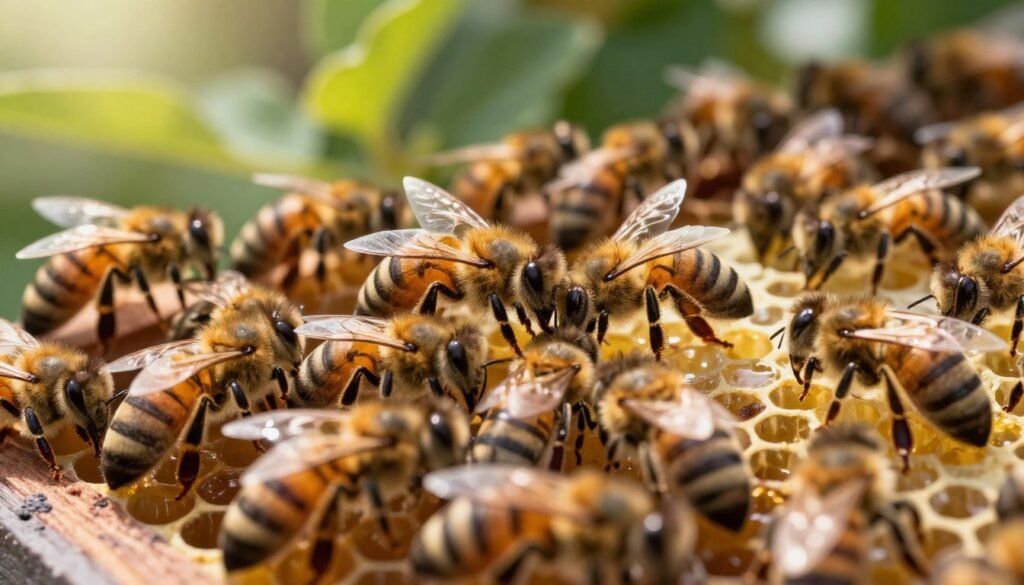
Social immunity is the set of collective behaviors that help honey bee colonies limit pathogen spread. Workers detect and remove parasitized brood, groom nestmates, and isolate weak individuals.
The health status of an Apis mellifera hive depends on these group actions. Colonies that perform hygienic tasks quickly show significantly higher survival when facing varroa destructor pressure and a heavy varroa infestation.
Beekeepers can encourage strong social immunity by selecting resilient stock and reducing stressors that weaken nurse populations. Grooming and hygienic removal remain the first line of defense against the varroa mite and its associated pathogens.
“Fostering social immunity helps maintain colony health even when parasites are present.”
| Behavior | Benefit | Management Tip |
|---|---|---|
| Grooming | Reduces mite load | Breed for hygienic lines |
| Uncapping/removal | Removes diseased brood | Monitor and requeen if weak |
| Social fever | Limits pathogen growth | Minimize stress; provide forage |
Mechanisms of Hygienic Behavior
Worker bees rely on chemical and tactile signals to find and remove parasitized brood cells that threaten the hive.
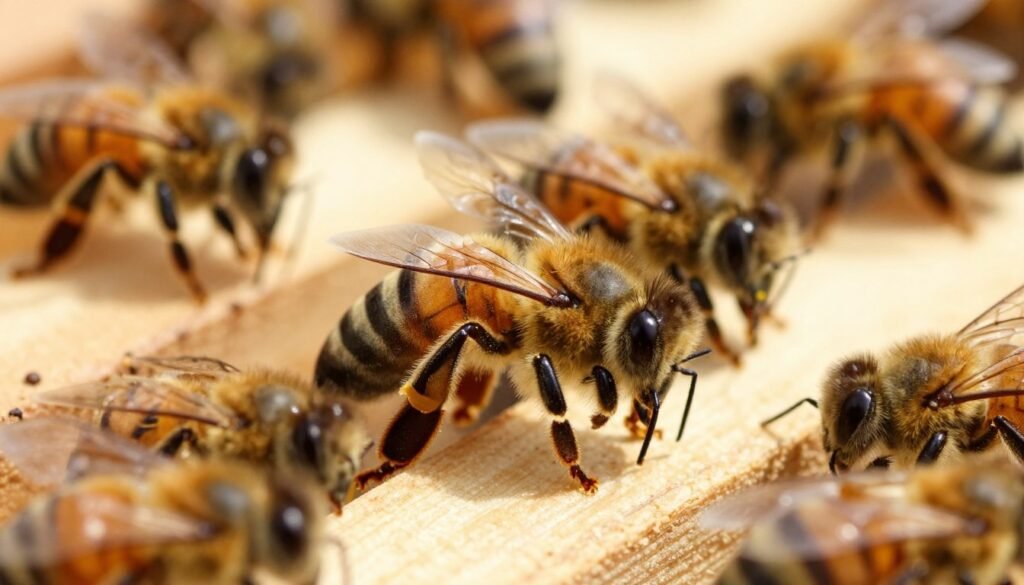
Hygienic behavior in apis mellifera starts when workers detect abnormal cues in capped brood cells. The process uses antennae to sense semiochemical signals released by the varroa destructor and the varroa mite.
Once identified, honey bee workers uncapped the brood cells and remove the compromised brood. This action breaks the mite’s reproductive cycle and lowers overall varroa infestation pressure in bee colonies.
- Detection is sensory — antennae pick up subtle chemical markers.
- Removal prevents mite reproduction and limits pathogen spread.
- Strong hygienic lines show inherited traits that boost colony survival.
Beekeepers can favor this trait by selecting stock proven to perform hygienic tasks. Recent work links specific genetic markers to higher hygienic scores; see the study on genetic predisposition at resistant bee genetics and practical breeding notes at Beekeepers Realm.
“Effective hygienic behavior is a primary defense that limits the reproductive success of the varroa destructor.”
Recapping Behavior as a Defense Strategy
Recapping gives worker bees a low-cost way to check capped brood and interrupt mite reproduction.
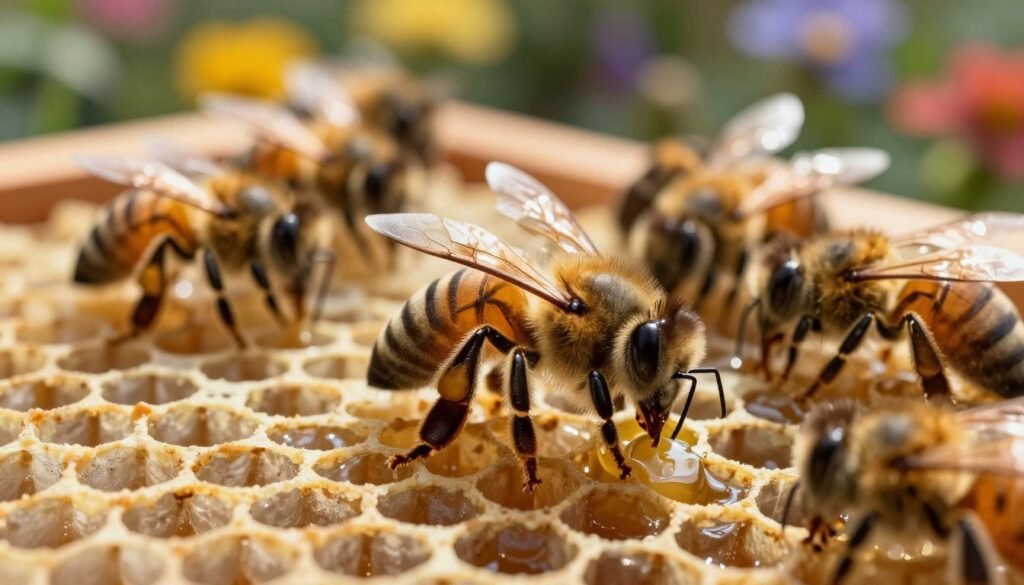
What recapping is: Workers open and reseal brood cells to inspect pupae without full removal. This limits time the varroa destructor spends reproducing in each cell and reduces spread of the deformed wing virus among nestmates.
Detection of Semiochemical Cues
Honey bees sense chemical signals from infested brood and from viral‑marked individuals. These semiochemical cues trigger targeted opening and resealing of brood cells.
In Apis mellifera, recapping saves energy and keeps brood viable while lowering colony viral load. Research links the deformed wing virus and the wing virus in honeybees to increased cue strength that prompts more recapping.
“Recapping helps colonies disrupt mite reproduction and cut viral amplification.”
- Recapping reduces mite reproductive success in brood cells.
- Beekeepers can watch for capped comb with resealed capping as a resistance sign.
- Higher recapping rates often correlate with lower overall deformed wing prevalence in honey bee hives.
| Feature | Benefit | Practical Note |
|---|---|---|
| Cell opening & reseal | Disrupts mite life cycle | Observe capping patterns during inspections |
| Semiochemical detection | Targeted response to infected brood | Linked to deformed wing virus cues |
| Energy conservation | Maintains brood survival | Favored in Apis mellifera hygienic lines |
Environmental Factors Influencing Infection Rates
Local climate and hive microclimate shape how quickly mites reproduce in capped brood. Temperature and humidity drive reproductive cycles of the varroa destructor and change pathogen dynamics in honey bee colonies.
Warm, stable conditions often speed mite growth, while cool or dry periods slow reproduction. Seasonal shifts in Apis mellifera activity also alter susceptibility of honey bees to follow‑on health problems.
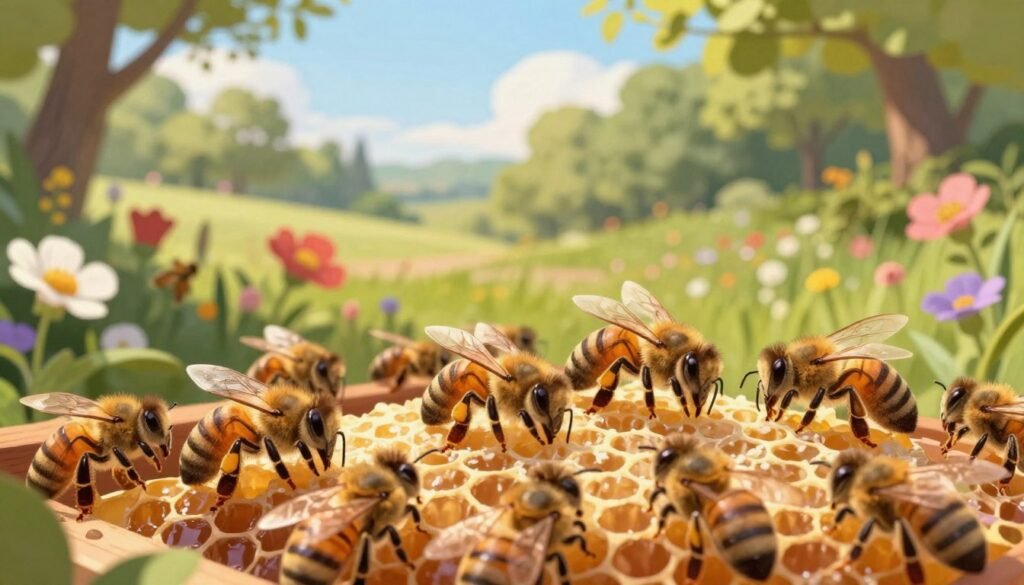
High-density apiaries in warm regions see faster varroa infestation and greater strain on a bee colony. By contrast, isolated or cooler sites may experience slower spread and lower peak loads.
Nutrition matters. Poor forage reduces immune function and lowers hygienic care in brood cells. Well-fed colonies keep nurse numbers strong and perform grooming and uncapping more effectively.
“Understanding local environment is essential to predict and prevent outbreaks in managed honey bee colonies.”
- Monitor temperature and humidity in hives and regionally.
- Match treatment timing to seasonal peaks in mite reproduction.
- Use resilient stock and habitat improvements to support colony health.
For signs of genetic resistance and practical cues from the hive, see varroa resistance signs in a hive.
Nutritional Status and Immune Response
A well-fed worker stores more lipids in the fat body, which supports detoxification and immune signaling.
Nutrition directly shapes immune capacity. The development of the fat body in each honey bee determines how effectively that individual can clear pathogens and resist physiological stress.
When the varroa destructor feeds on the fat body it weakens those reserves. This reduces the ability of adult bees to mount an effective defense and raises risk of higher viral load.
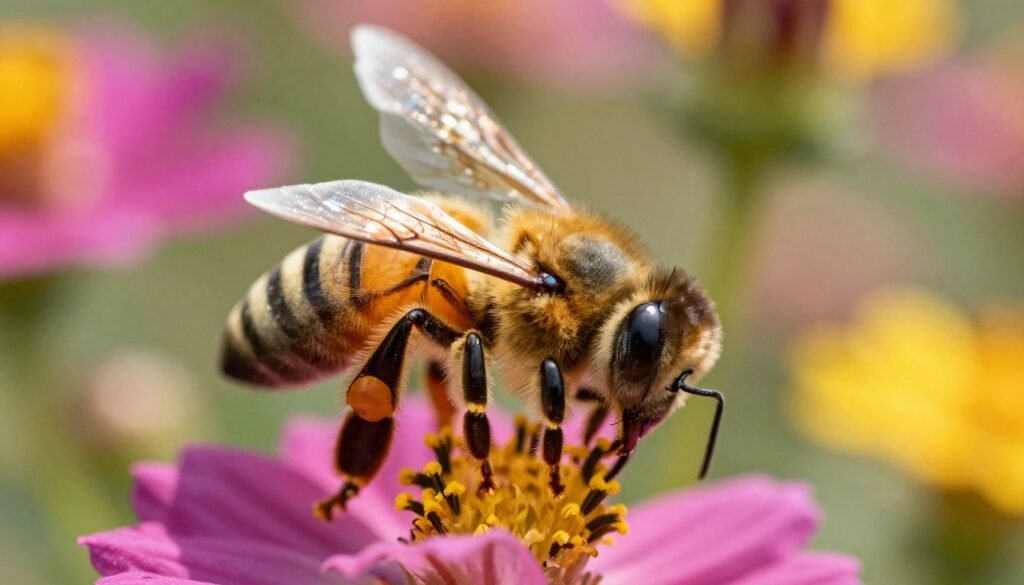
Apis mellifera colonies with access to diverse pollen sources show better resilience. Diverse forage supplies amino acids, lipids, and vitamins that fuel immune proteins.
- Good nutrition builds fat body reserves and improves detox pathways.
- Poor diet often correlates with elevated viral load in adult bees.
- Supplemental feeding helps maintain colony health status during forage gaps and varroa infestation pressure.
“Supporting nutrition is one of the most practical steps beekeepers can take to strengthen colony defenses.”
| Nutritional Factor | Effect on Fat Body | Practical Action |
|---|---|---|
| Pollen diversity | Improves lipid and protein stores | Plant diverse forage; rotate apiary sites |
| Protein shortage | Smaller fat body; reduced immunity | Provide pollen patties during dearth |
| Energy deficit | Lower resistance to pathogens | Offer carbohydrate feed carefully when needed |
| High forage quality | Lower viral load in workers | Monitor nutrition; adjust supplements |
For practical management, prioritize forage improvements and targeted supplementation to keep apis mellifera colonies strong and better able to withstand parasitic challenge.
Limitations of Empirical Management
Simple hive observations do not capture mite counts buried deep in capped brood cells.
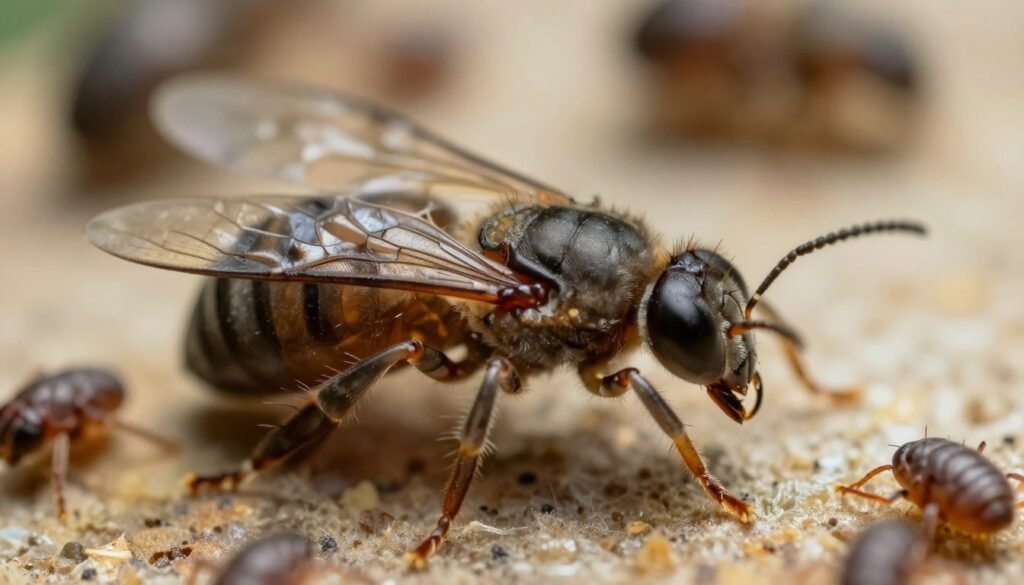
Visual inspection of comb gives quick cues, but it rarely reveals true infestation levels. The varroa destructor mite hides inside brood cells and stays out of sight during routine checks.
Low visible mite numbers can still allow viruses to spread, because the role varroa plays in transmission magnifies risk even at modest loads. Beekeepers who watch only adult behavior may miss early signs of a growing problem with varroa jacobsoni or the destructor mite.
Scientific studies favor quantitative monitoring—alcohol washes, sugar shakes, and sticky boards—to measure varroa infestation accurately. Relying on empirical tactics alone often fails to prevent rapid pathogen spread and colony loss in managed honey bee populations.
“Quantitative monitoring gives a reliable baseline; visual checks do not.”
Practical step: combine regular counts with targeted treatment plans and consult a detailed treatment comparison to refine control strategies for honey bees.
Evaluating Current Research Findings
Proc. Natl. Acad. Sci. reports reveal interactions between viral load and honey bee immunity that shape colony fate.
Studies in Curr. Opin. Insect Science emphasize the role of the acute paralysis virus and related strains in rapid worker loss. These reviews show how paralysis virus outbreaks can outpace colony recovery when immune function is suppressed.
The classic text by Bailey and Ball (1991) still informs how the varroa destructor raises prevalence of many bee viruses. Modern syntheses in Natl. Acad. Sci. journals point to the deformed wing virus as a dominant mortality driver in heavily infested hives.
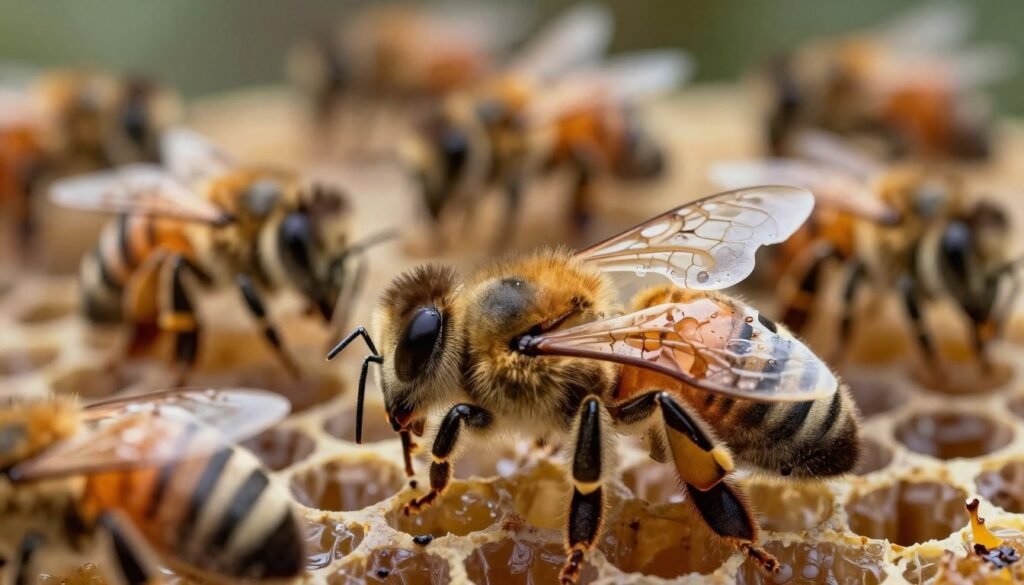
Researchers stress measuring viral load in individual bees to gauge risk from the acute paralysis and wing viruses. By combining these findings, beekeepers can refine monitoring and target interventions.
“Managing mite pressure remains the most effective route to limit latent bee virus activation.”
For detailed experimental data on deformed wing virus dynamics, see the deformed wing virus research.
Future Directions for Colony Protection
Targeted breeding programs aim to produce stock that resists the most harmful wing virus strains.
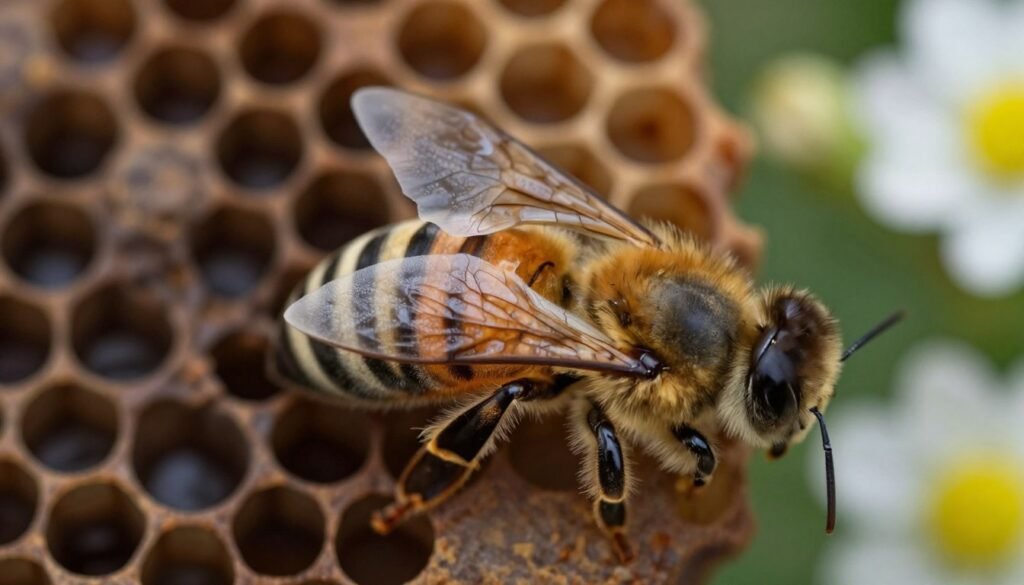
Genetics, diagnostics, and management must work together to protect the honey bee.
Researchers will push breeding lines that show clear resistance to the deformed wing and lower mite load. These efforts prioritize traits like strong grooming, uncapping, and overall social immunity in honey bees.
Improved field diagnostics for the wing virus will let beekeepers act sooner. Quick assays and portable tests can detect rising viral load before colony losses mount.
- Breed resilient stock: select lines that suppress viral replication.
- Develop rapid tests: monitor wing virus prevalence in real time.
- Integrate strategies: combine biological, chemical, and management tools for lasting control.
“A multi‑faceted approach will reduce reliance on chemical controls and support sustainable beekeeping.”
For practical pest and pathogen guidance, consult the hive pests page and adopt combined tactics that protect the honey bee and secure pollination services.
Conclusion
A focused monitoring plan lets beekeepers spot rising viral loads before whole hives show symptoms.
Strong, proactive steps preserve the health status of honey bee colonies in the United States. Watch for signs of the deformed wing virus and paralysis virus and act quickly to limit spread.
Monitoring the wing virus and testing for the deformed wing helps managers protect individual bees and the bee colony as a whole. Good nutrition, hygienic stock, and targeted treatments bolster colony health and cut the risk from bee viruses.
With continued research and cooperative effort, honeybee colonies can remain productive. Beekeepers who combine vigilance, breeding, and sound management will best guard honey bee colonies from major viral threats.
FAQ
What are the main goals of preventing secondary infections following varroa mite damage?
The main goals are to reduce viral loads such as Deformed Wing Virus (DWV) and Acute Bee Paralysis Virus (ABPV), protect colony health, maintain queen viability, and limit mortality in brood and adult bees. Effective management combines mite control, improved nutrition, and practices that support hygienic behavior and social immunity.
How does Varroa destructor biology and feeding behavior affect disease risk?
Varroa destructor feeds on bee fat body tissue and hemolymph, creating entry points for pathogens and suppressing immune responses. Its reproductive cycle in brood cells increases contact with developing bees, boosting viral replication and transmission within colonies.
What is the historical significance of varroa infestation in honey bee populations?
Since its spread from Asia, the mite has caused rapid declines in many Apis mellifera populations worldwide. It transformed previously manageable viral agents into major drivers of colony loss, prompting widespread changes in beekeeping practices and research priorities.
How do mites facilitate the biological mechanism of pathogen spread in colonies?
Mites act as both mechanical and biological vectors. They transfer viruses between individuals during feeding and incubate viral particles, often increasing viral loads in pupae and adults. Tissue damage and immune suppression further enhance pathogen replication and persistence.
What viral pathogens most critically affect colony health?
Deformed Wing Virus (DWV), Acute Bee Paralysis Virus (ABPV) and related strains like Israeli Acute Paralysis Virus (IAPV) and Kashmir Bee Virus (KBV) are among the most damaging. High viral loads correlate with wing deformities, reduced longevity, and impaired foraging.
How are viruses transmitted within and between colonies?
Transmission occurs via mite feeding, contact between adult bees, contaminated food and brood comb, queen-to-offspring transfer, and drifting or robbing behavior. Varroa-mediated transmission accelerates spread and amplifies virus titers.
Why is Deformed Wing Virus considered a primary driver of colony decline?
DWV reaches very high titers when vectored by Varroa destructor, causing symptomatic deformed wings, reduced flight ability, and shortened lifespan. Infected cohorts weaken colony workforce and brood rearing, undermining overall colony survival.
What role do Acute Bee Paralysis Virus and related strains play in outbreaks?
ABPV, IAPV and KBV can cause rapid adult mortality and paralysis when present at high levels. Varroa infestation often converts these viruses from low-level, covert infections into acute threats that lead to sudden colony collapse.
Which bacterial opportunists commonly affect weakened colonies?
Weakened colonies can experience infections from opportunistic bacteria that exploit damaged tissue or compromised immunity. These pathogens may invade brood or adults, contributing to septicemia-like conditions in pupae and reducing colony resilience.
What causes septicemic infections in pupae and how do they develop?
Septicemic infections arise when bacteria enter through feeding wounds or damaged cuticle and multiply systemically in pupae. Factors such as high mite pressure, poor brood care, and contaminated comb increase the risk.
How do fungal pathogens interact with varroa-related disease processes?
Fungi can colonize weakened brood or comb and exacerbate mortality. Poor hygiene and high humidity favor fungal growth, while mite damage and immunosuppression create niches for fungal establishment in brood and adults.
What is social immunity and how does it protect honey bee colonies?
Social immunity refers to collective behaviors—grooming, hygienic brood removal, and regulation of nest environment—that reduce pathogen spread. These behaviors lower pathogen loads, limit mite reproduction, and support colony-level disease resistance.
Which hygienic behaviors reduce pathogen and mite pressure?
Hygienic traits include uncapping and removing diseased brood, allogrooming to remove mites, and recapping brood cells. These actions disrupt mite reproduction, lower viral titres, and improve overall brood survival.
How does recapping behavior help defend against mite-borne disease?
Recapping involves workers resealing brood cells after inspection. This behavior can interrupt varroa reproduction or remove infested brood without full removal, reducing mite success and decreasing opportunities for viral amplification.
What semiochemical cues do bees use to detect infested or diseased brood?
Bees detect altered pheromone blends, cuticular hydrocarbons, and volatile compounds emitted by stressed or infected brood. Changes in these chemical signals trigger inspection, uncapping, or removal behaviors that limit pathogen spread.
How do environmental factors influence infection rates in colonies?
Temperature, humidity, pesticide exposure, and forage availability affect bee immunity and pathogen survival. Stressful environments increase susceptibility to viruses and opportunistic microbes and can intensify mite impacts on colony health.
In what ways does nutrition affect immune response and disease tolerance?
Adequate pollen and diverse forage support fat body development and immune function, improving resistance to viral replication and bacterial invasion. Nutritional deficits weaken bees, making them more vulnerable to mite-associated pathogens.
What are the limitations of empirical management strategies for mite and pathogen control?
Empirical treatments may fail due to resistance in mites, inconsistent application, or poor timing. Overreliance on chemical miticides can harm bees and select for resistant mite populations. Integrated approaches and monitoring are essential.
How should current research findings be evaluated by beekeepers?
Beekeepers should prioritize peer-reviewed studies on mite biology, virus dynamics, and colony-level interventions. Practical trials, local monitoring data, and validated breeding programs for hygienic traits provide the best guidance for applied management.
What future directions show promise for protecting colonies from mite-associated diseases?
Promising avenues include selective breeding for hygienic and mite-resistant stocks, improved mite monitoring tools, targeted antiviral strategies, microbial community management, and landscape measures that boost nutrition and reduce chemical stressors.