Traceability is a cornerstone of modern food safety and quality assurance, as highlighted by the FAO. A clear identification system turns simple packaging into a powerful tool that links a product back to its origin.
Assigning a unique identifier to each jar creates a data bridge from production to the point of sale. This lets producers manage risks and run targeted recalls without halting the entire supply chain.
Accurate data entry during filling is essential. If information is precise, labels help producers meet international standards and access premium markets.
Producers can also use digital tools like QR codes and RFID to keep origin and safety data accessible to retailers and consumers. For practical guidance on labeling and packaging, see how to package and label honey, and learn more about system functions at batch coding and traceability systems.
Key Takeaways
- Traceability links each product to its source and supports food safety.
- Unique identifiers enable targeted recalls without widespread disruption.
- Precise data entry at filling is crucial to system effectiveness.
- Labels and packaging work with digital tools to meet global standards.
- Good systems increase consumer trust and open high-value markets.
The Importance of Traceability in Honey Production
Documenting origin at the hive gives brands the proof they need when regulators or consumers ask. Strong source records tie the steps of production to safety checks and quality controls.
Food Safety Standards
Regulatory pressure in the U.S. and EU now expects clear origin disclosure and proof of purity. Agencies tighten rules to combat adulteration and protect public health.
Following FAO guidance, producers should record each stage of food handling. That helps teams meet audits and respond quickly to contamination risks.
Building Consumer Trust
Modern buyers want to know where their product came from. Brands that show hive-level records and beekeepers’ practices earn trust and can command better market prices.
Transparent labeling and verifiable origin data support brand credibility. Learn more about labeling ethics at ethical standards for labeling and origin practices at what is traceability in raw honey.
| Area | Why it Matters | Practical Step |
|---|---|---|
| Hive Management | Ensures consistent quality and bee health | Log inspections, treatments, and locations |
| Origin Records | Supports purity claims and regulatory audits | Keep harvest dates, beekeeper ID, and site data |
| Label Transparency | Builds consumer confidence and brand value | Disclose source region and processing dates |
| Testing & Certification | Verifies composition and safety | Conduct routine lab analysis and retain results |
Implementing Batch Coding Honey Jars for Traceability
When every production run carries a distinct identifier, quality teams can trace issues to a single production window.
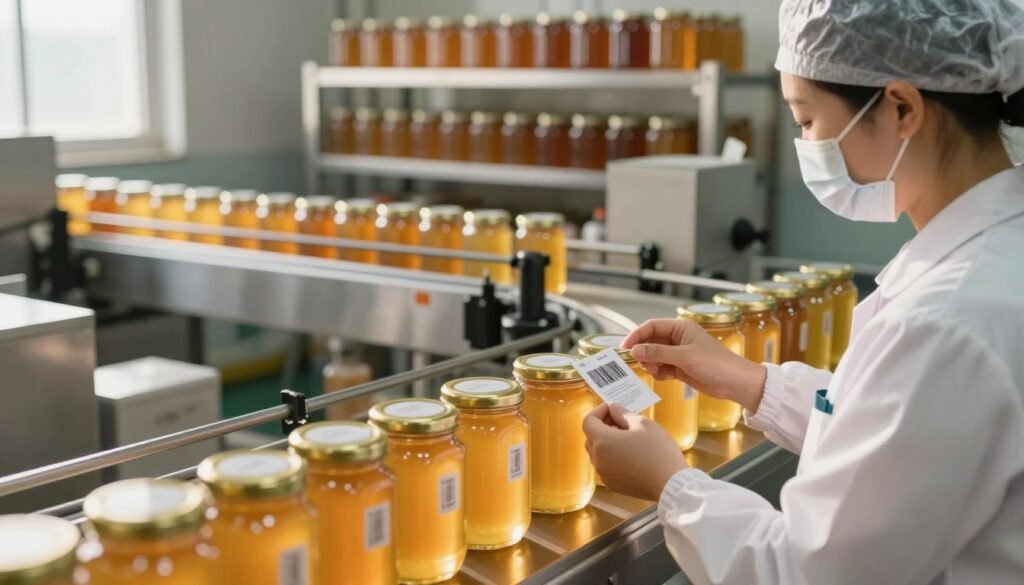
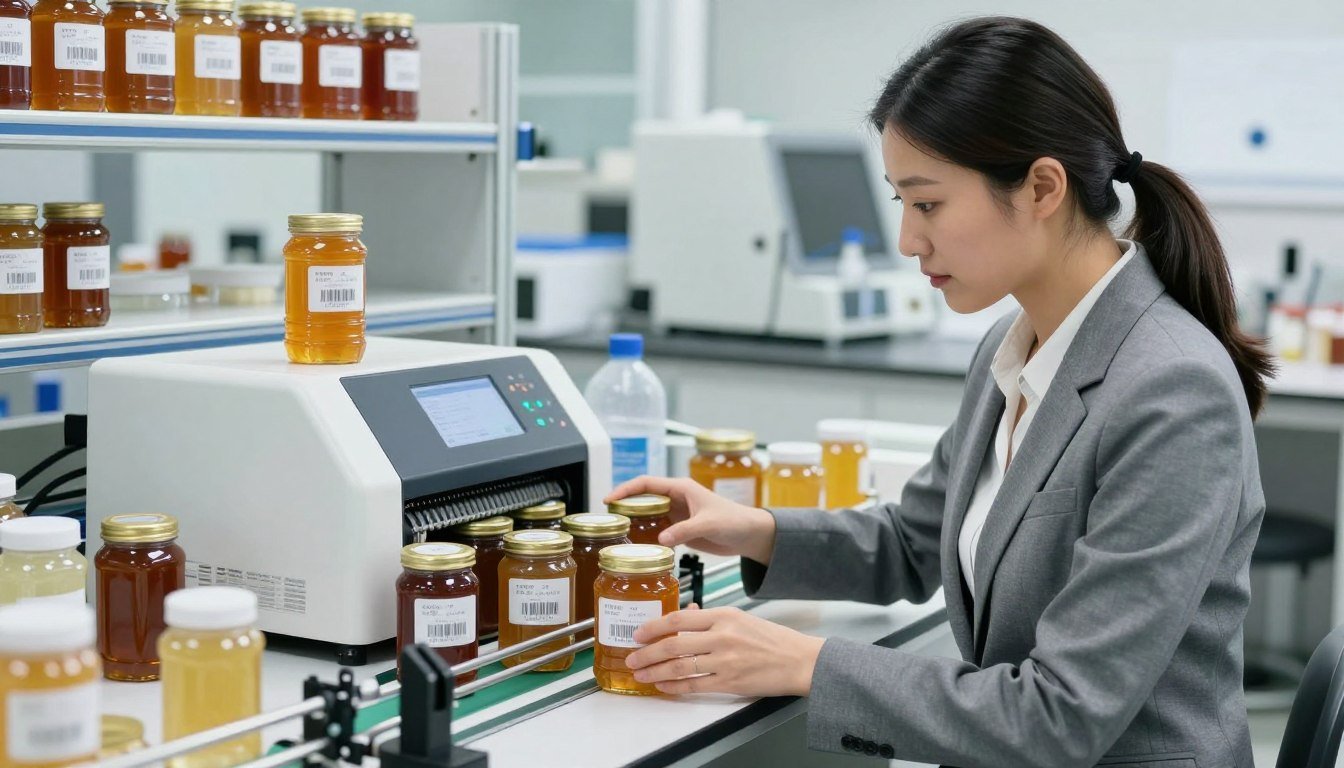
Start by coordinating filling lines and the packaging team so every jar is labeled at the point of sealing. Industrial filling machines guarantee hygienic sealing and uniform volume, while the identifier confirms those standards applied to a specific set of products.
Build a practical system that links supplier records and processing logs. This lets quality control staff use forward tracking to follow a product through the supply chain and identify raw material origins when an issue appears.
- Integrate advanced labels and scanning solutions to meet retail and food safety standards.
- Use identifiers to isolate only affected units during recalls, protecting the wider chain.
- Keep continuous records from production to market to support audits and export requirements.
For implementation details and an operational guide, review this practical resource on batch numbering and food.
Capturing Critical Data at the Source
Recording precise source details at collection points turns each harvest into a verifiable record. Capture at the start so the chain of custody remains clear through processing and sale.
Hive Geolocation
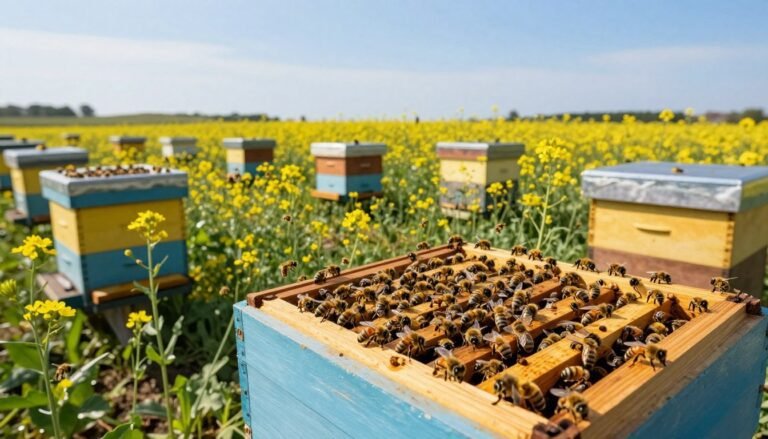
Record GPS coordinates for every box location. The geotag verifies floral exposure and forms the first node in a digital trail that supports product claims.
Floral Source Documentation
Identify dominant floral sources at harvest. Time-stamped notes, lab checks, and field observations back purity claims and improve honey quality claims.
Beekeeper Identification
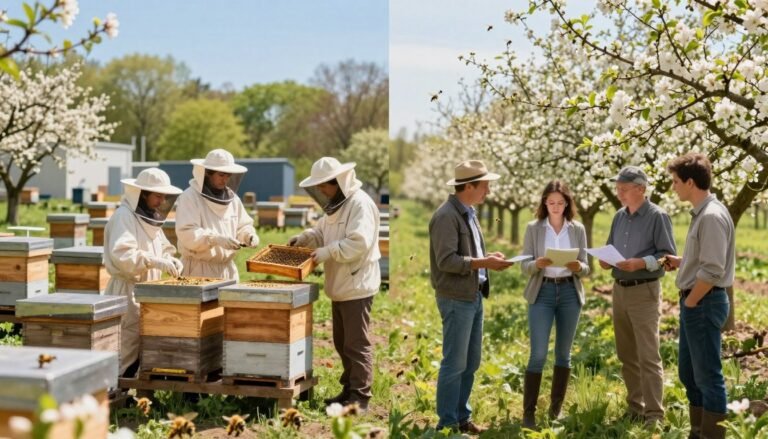
Tag each box with a unique ID linked to the beekeeper and harvest timestamp. Mobile-first tools let beekeepers input data in remote environments, keeping records complete even offline.
| Item | What to capture | Why it matters |
|---|---|---|
| Box ID | Unique tag and timestamp | Enables targeted recalls and clear supply links |
| Location | GPS coordinates of hives | Proves floral exposure and origin |
| Harvest Notes | Floral mix, date, conditions | Supports purity and quality checks |
Effective hive management and solid records help brands stand out. See a real-world example of how traceability adds a unique factor and practical steps on how to start selling honey legally.
Designing Labels for Compliance and Consumer Trust
Durable labels turn plain bottles into trusted brand ambassadors. They must meet legal rules while also guiding a buyer’s choice.
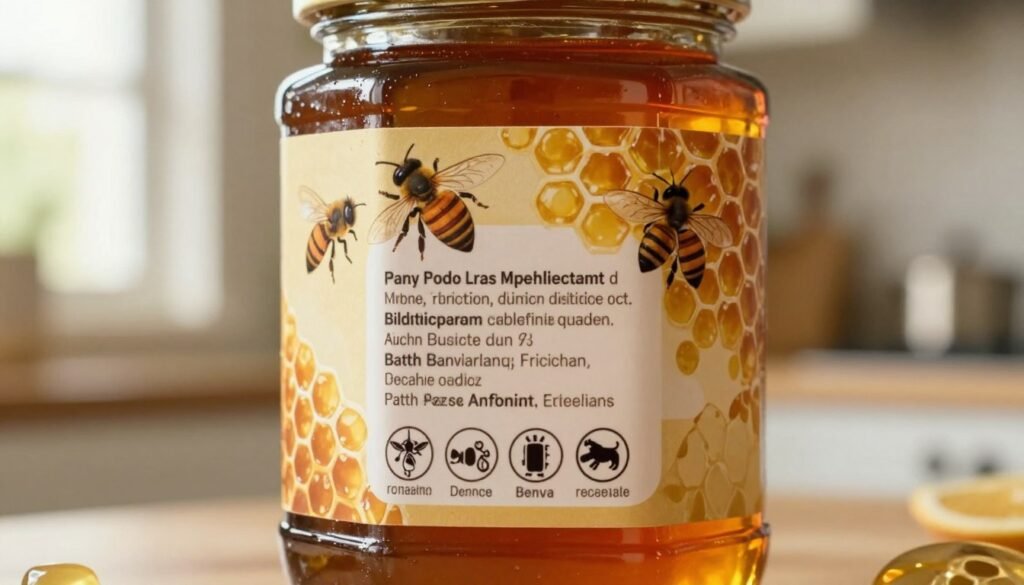
Material choice matters. Use clear polypropylene or vinyl with oleophobic, waterproof nano-coating to resist sticky residue and humidity. This keeps printed information legible and the visual intact.
Good adhesives prevent yellowing, wrinkling, or peeling during handling and refrigeration. A well-made label acts as a legal declaration, a marketing brochure, and a promise to the consumer.
Label elements that build trust
- Front: product name, net weight, brand mark.
- Back: ingredient statement, producer address, and an emotional story.
- Interactive: QR codes linking to harvest photos or lab results.
| Material | Benefit | Best Use |
|---|---|---|
| Clear polypropylene | Waterproof, shows natural color | Premium bottles and transparent design |
| Vinyl with nano-coating | Oleophobic and durable | Long shelf life and refrigerated storage |
| Peel label | Layered storytelling space | Detailed origin notes and producer bio |
Ensure every jar lists mandatory details to meet U.S. rules. For practical labeling guidance, see labeling best practices and U.S. requirements at U.S. labeling requirements.
Leveraging Technology for Digital Tracking
Modern digital tools let producers capture every hive event in real time and link it to finished packaging. This creates a clear, searchable record that supports regulatory needs and brand claims.
Platforms like TraceX digitize each step from field to collection center. Field agents use multilingual mobile apps to register beekeepers and log bee box IDs, consent, and timestamps even when offline.
QR and barcode integration ties a scannable label to the underlying data. That lets teams verify origin, harvest date, floral source, and processing events quickly.
- Real-time capture of harvest and extractor details improves response speed.
- Digitized records build audit-ready proof for food safety and import checks.
- Brands gain credibility and prepare for advanced certifications or blockchain solutions.
| Capability | What it captures | Benefit |
|---|---|---|
| Mobile registration | Beekeeper ID, hive location, consent | Accurate origin and chain links |
| Scannable labels | QR/barcode tied to batch ID | Fast product recall and verification |
| Audit trail | Timestamps, extractor, processing notes | Compliance and quality assurance |
Managing Risks Through Precise Recall Systems
A fast, targeted recall hinges on clear links between production records and retail stock. Strong record-keeping and searchable data let teams act quickly when a safety signal appears.
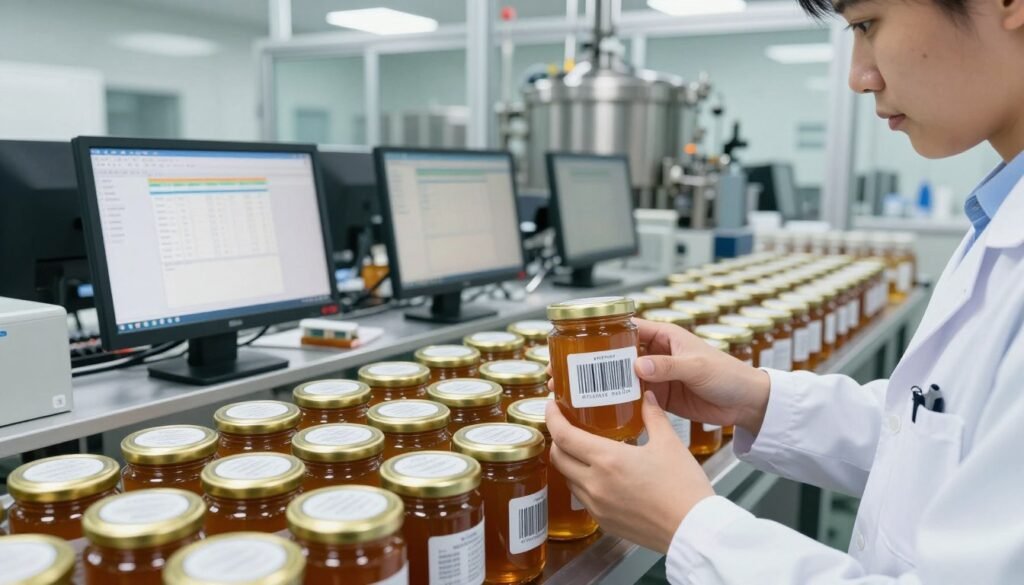
Forward Tracking
Forward tracking helps quality control staff trace raw inputs back to specific apiaries and harvest dates. That visibility narrows investigations and shows which supplier records to check.
Backward Tracking
Backward tracking shows where affected products moved through the chain. Manufacturers can identify which retail outlets hold impacted stock and remove only those units from the shelf.
The key benefit is surgical action: isolate risky products while keeping safe items on sale. That protects food safety, preserves brand value, and limits market disruption.
- Precise identifiers enable targeted recalls rather than blanket withdrawals.
- Rigorous logs link each unit to beekeeping origin and processing history.
- Systems support defensible responses to audits and regulatory checks.
| Function | What it shows | Benefit |
|---|---|---|
| Forward tracking | Supplier ID, harvest date, hive location | Quick source isolation and quality control |
| Backward tracking | Distribution routes, retail IDs, shelf stock | Targeted removal and faster consumer notifications |
| Record linking | Batch codes, lab results, processing notes | Audit-ready evidence and regulatory compliance |
See an operational example at hive-to-honey traceability and export steps in the honey export process.
Scaling Operations for Global Market Entry
Entering global retail demands a documented system that proves product origin and consistent quality.
Professional traceability is often required to access high-end international retail. Exporters must meet strict food safety and sustainability standards, especially in the EU and U.S.
Adopting industrial machinery and premium supplies helps maintain consistent batch quality. HONESTBEE’s equipment supports food safety checks and reliable production controls during processing and packing.
Digital traceability lets brands justify monofloral labels and claim purity with linked lab data. That transparency unlocks premium pricing and builds trust with buyers and consumers.
- Consistent supply chain management keeps retail partners confident.
- Durable packaging and specialized hardware protect products during long transport.
- Hybrid offline-online tools enable beekeepers to submit hive data from remote environments.
Traceability turns transparency into a market advantage. To learn practical sales and labeling steps, see selling raw honey online.
Conclusion
A robust identifier system turns production records into a practical shield for quality risks.
Implementing batch-level controls and digital solutions helps beekeepers and processors protect product safety and preserve brand value.
By capturing clear data from the hive through processing, teams can verify purity and act fast when an issue appears. This builds consumer trust and opens new market opportunities.
Early adoption of modern labels, linked records, and standardized steps will future-proof operations as regulations tighten. Read the joint statement on honey adulteration for international guidance on origin and authenticity.
FAQ
What is the purpose of batch coding honey jars for traceability?
Batch coding on jars and bottles creates a clear link between a packaged product and its production data. It enables food safety compliance, supports quality control, and helps retailers and consumers verify origin, processing dates, and beekeeper identity. This visibility reduces recall scope and protects brand reputation.
Which food safety standards should producers follow when implementing coding systems?
Producers should align with local and international standards such as FDA labeling rules in the United States, the Food Safety Modernization Act (FSMA), and relevant ISO standards for traceability and quality management. Meeting these standards ensures consistent record-keeping across the supply chain, from hive to shelf.
How does traceability build consumer trust?
Clear labeling and accessible digital records let consumers confirm product purity, floral source, and production practices. When brands provide provenance details, including beekeeper information and processing steps, shoppers feel confident about safety and authenticity, boosting loyalty and marketability.
What critical data should be captured at the source to ensure effective tracking?
Essential data includes hive geolocation, harvest date, floral source documentation, beekeeper ID, and environmental conditions at the time of collection. Recording these data points at the hive level strengthens trace lines and improves quality assessments throughout processing and distribution.
Why is hive geolocation important?
Geolocation helps identify environmental influences—such as pesticide exposure or forage variety—that affect product quality. It supports targeted recalls and allows brands to report region-specific attributes that matter to consumers and regulators.
What is floral source documentation and how is it used?
Floral source documentation records the dominant plant species contributing nectar and pollen. This information informs labeling claims, quality analysis, and marketing. It also aids in authenticity checks and protects against adulteration claims.
How should beekeeper identification be managed in a tracing system?
Assign unique IDs to individual beekeepers or apiaries and link those IDs to harvest and testing records. This practice supports accountability, improves supplier management, and preserves chain-of-custody details required for audits and certifications.
What label design considerations improve compliance and durability?
Use materials that resist moisture and temperature changes, choose inks compatible with food packaging, and include clear, legible codes and human-readable information. Durable labels maintain readability through processing, shipping, and retail display, ensuring trace data stays intact.
How can digital tracking technologies be leveraged?
Technologies like QR codes, RFID tags, and cloud-based traceability platforms connect physical packages to rich digital records. These tools enable real-time inventory management, supply chain transparency, and consumer access to product history via smartphones.
What is forward tracking and why does it matter?
Forward tracking follows products from production to the end customer. It helps businesses monitor distribution, manage shelf life, and identify which retailers or batches received specific lots—critical for targeted communications and stock management.
What is backward tracking and how does it support recalls?
Backward tracking traces a product back through the supply chain to its source. During a safety incident, it allows rapid identification of affected production lots, enabling precise recalls and reducing food waste and commercial impact.
How can companies scale traceability systems for global market entry?
Adopt interoperable standards, use scalable cloud platforms, and maintain consistent data schemas. Work with logistics partners, comply with importing-country regulations, and implement multilingual labeling and documentation to meet diverse market requirements.
What operational risks does precise recall capability reduce?
Accurate recall systems reduce financial loss, legal exposure, and brand damage by limiting the volume of product withdrawn. They also shorten response times, protect consumer safety, and preserve retailer relationships through transparent communication.
How do traceability systems aid quality control during processing?
By linking production codes to lab results, temperature logs, and processing steps, teams can quickly identify deviations and root causes. This linkage improves corrective actions and continuous improvement in production and packaging operations.
Which stakeholders benefit from enhanced traceability?
Beekeepers, packers, distributors, retailers, regulators, and consumers all gain. Suppliers achieve better supplier management, brands strengthen market trust, and regulators receive clearer audit trails that support food safety and market compliance.