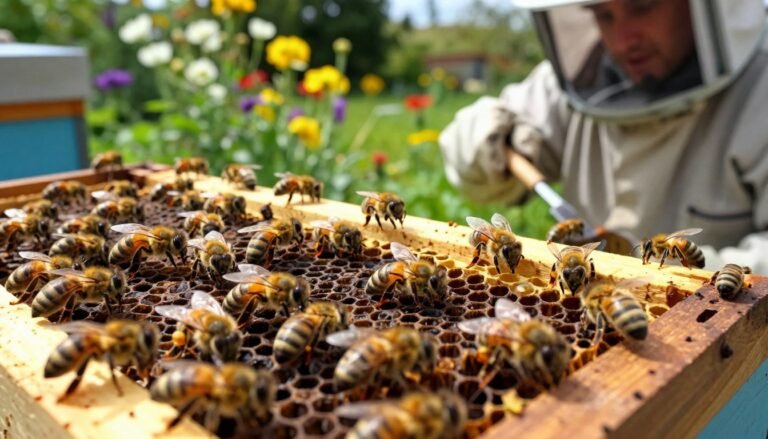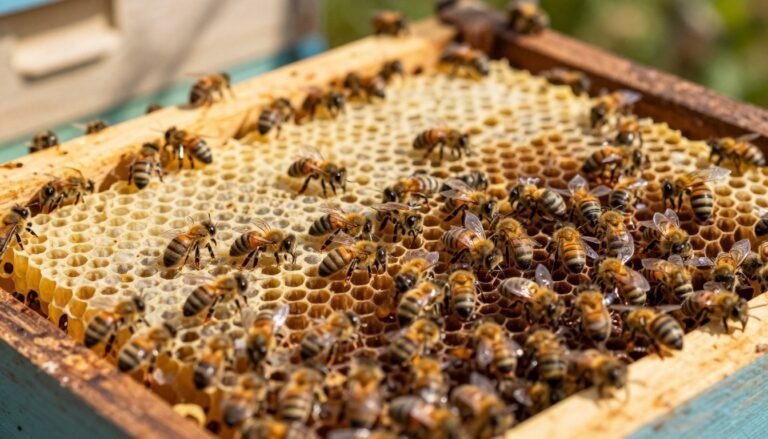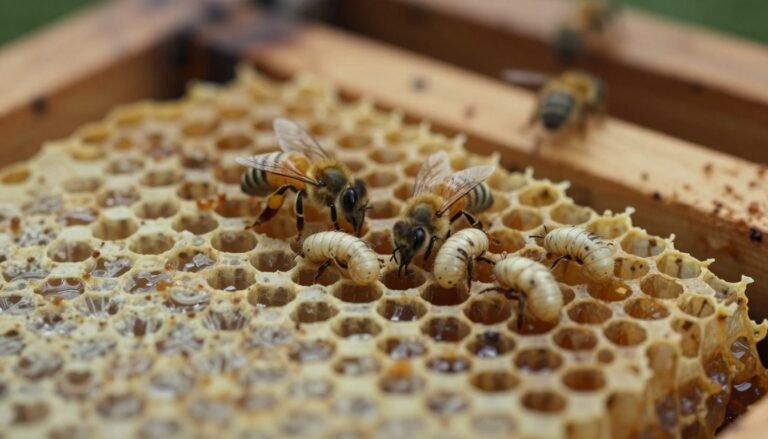
Identifying whether larvae died from cold or from infection matters for every beekeeper who manages a honey bee colony in the United States.
When the adult cluster cannot keep the brood nest warm during a sudden spring cold snap, surviving workers may fail to protect developing larvae. This environmental loss looks different from disease-driven mortality.
Disease-related mortality often shows clear signs: sunken cappings, odd odors, or sticky remains in cells caused by bacterial or viral infection. Recognizing these patterns helps prevent spread and guides proper action.
Beekeepers should learn to separate temperature-related loss from infectious conditions like American Foulbrood or fungal problems. For detailed descriptions of common brood disorders and diagnostic cues, consult the guidelines at common brood conditions.
Key Takeaways
- Distinguishing environmental chilling from disease is a core skill for beekeepers.
- Cold snaps can kill larvae when adults cannot warm the brood nest.
- Infections often leave telltale signs in cappings, odor, or cell remains.
- Early, correct identification prevents spread and colony collapse.
- Use proper equipment and close monitoring to protect the queen and workers.
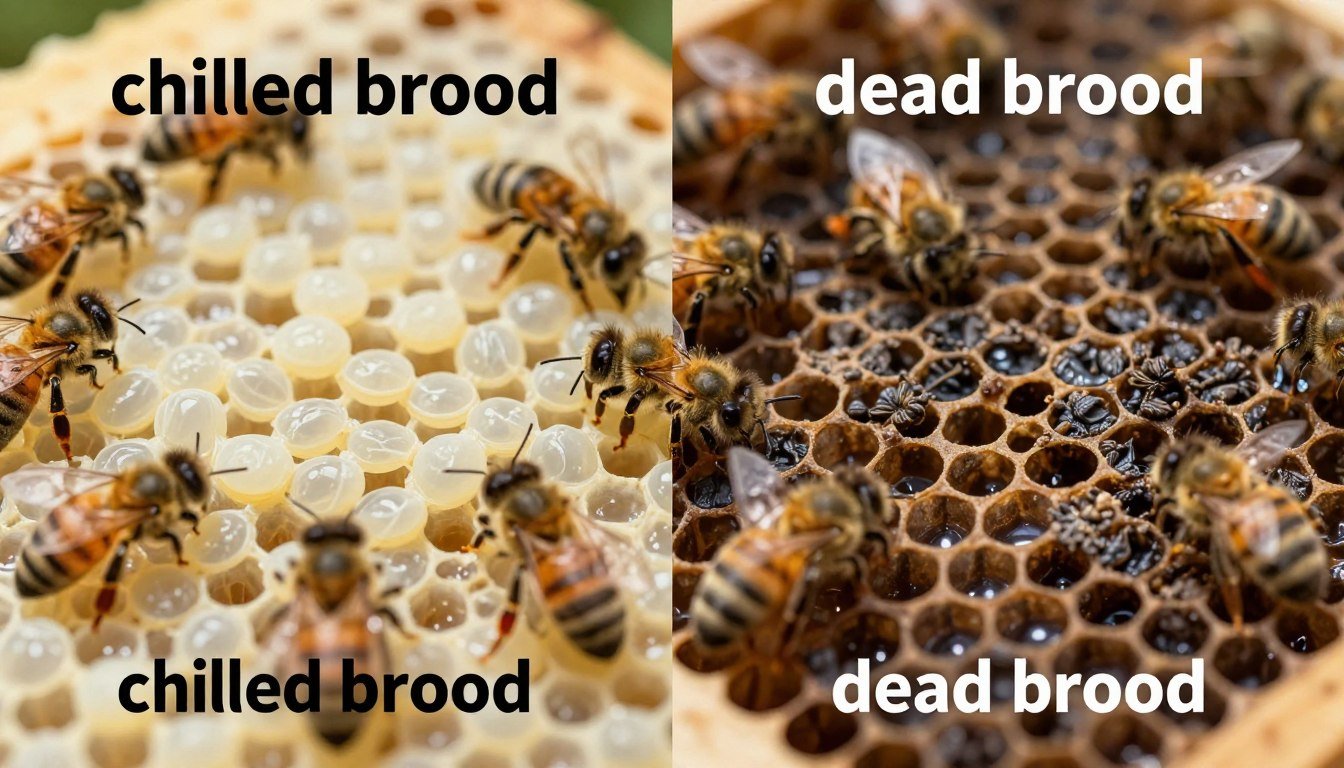
Understanding Chilled Brood vs Dead Brood
Early spring colonies can expand quickly while still lacking enough adult bees to cover every comb. When worker numbers are low, nurse bees concentrate at the center of the brood nest and leave outer frames cooler.
That margin exposure often causes larvae at the frame edges to die from cold. Those remains may darken to brown or black before drying, which can resemble other conditions.
Disease-driven loss usually shows a spotty brood pattern across the comb and may include odd odors, sunken cappings, or sticky residue in cells. These clues point toward infection or spores rather than environmental stress.
Practical checks for beekeepers:
- Inspect brood cells for pattern: margin losses suggest temperature stress; scattered gaps suggest disease.
- Confirm the queen is laying and that brood and eggs cover at least half the comb, per BBKA guidance.
- Maintain food and pollen reserves so workers can focus on warming the nest, not foraging.
For detailed descriptions and photos of common brood disorders, see common brood disorders.
Identifying Environmental Stressors
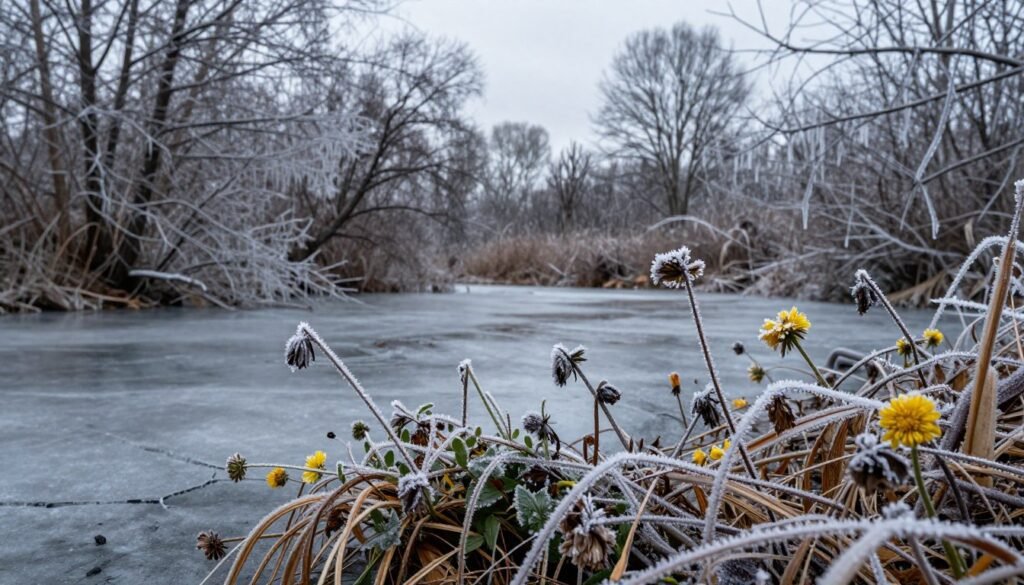
Rapid temperature drops can leave outer frames too cold for developing larvae to survive. Young larva can endure a few hours at lower temperatures, but prolonged exposure causes dying cells at the comb margins. This is most common during sudden spring or fall cold snaps.
Impact of Cold Snaps
During a cold snap, adult bees often compress toward the center and cannot cover all brood cells.
When workers pull inward, the edge cells lose heat and become nonviable. Short inspections rarely cause this; long cold exposure does.
Consequences of Improper Hive Expansion
Spreading frames too quickly or inserting empty foundation forces workers to stretch out their cluster.
Practical tips:
- Avoid rapid expansion in early spring; add space only when worker numbers rise.
- Use a solid dummy board to reduce internal volume and help a small colony hold 35°C/95°F around the brood nest.
- Never place gaps between brood frames that adults cannot bridge; that interrupts temperature regulation.
For guidance on diagnosing losses after a cold event, consult symptoms and colony management and practical photo guides on identifying chilled brood.
Recognizing Signs of Brood Disease
Spotty patches of dead larvae scattered across a frame usually signal a microbial problem inside the hive. Healthy worker bees normally remove weak or infected young, leaving a recognizable pattern.
Look for these clear cues:
- Sunken cappings or a foul smell — classic for severe bacterial infection.
- Discolored or watery larvae that workers remove in a patchy pattern across the comb.
- Distinct larval postures, such as the canoe shape seen when a viral or sacbrood agent prevents pupation.
American Foulbrood Symptoms
Paenibacillus larvae produces hardy spores that persist for decades. Infected cells may show sunken cappings and a sticky, ropy residue when probed.
Action: Contact your state apiary inspector immediately if you suspect this disease.
European Foulbrood Characteristics
European Foulbrood often appears in spring when colonies are stressed. Larvae may look off-white, yellow, or brown and are removed by nurse bees, creating a spotty brood pattern.
Sacbrood and Viral Indicators
Sacbrood causes larvae to die in a canoe posture and may appear as a fluid-filled sac when removed from cells. Chalkbrood, a fungal disease, turns larvae into hard, chalk-like mummies.
Quick checklist for beekeepers:
- Perform the ropiness test for suspected American Foulbrood.
- Note whether nurse bees are uncapping and removing infected larvae.
- Keep equipment and comb sanitation high to limit spores and fungus.
For help building stronger numbers and reducing stress that can lead to infections, see advice to boost colony population naturally.
The Role of Colony Population and Hive Management
Colony strength directly shapes how well a hive can protect developing larvae and resist pest pressure.
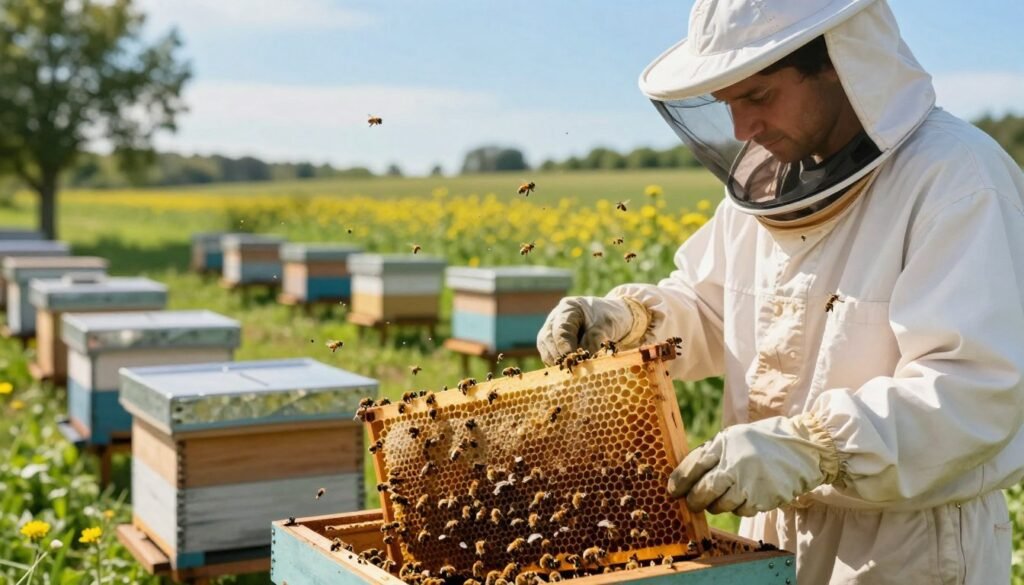
A sufficient number of adult bees is essential to maintain warm, stable conditions around the brood nest. Nurse bees feed larvae, cap cells, and remove weak individuals. When numbers fall, gaps appear and the hive becomes vulnerable to disease and parasites.
Parasitic Mite Syndrome can accelerate collapse. High mite loads plus viral pressure reduce adult foraging and care. Queens may be superseded when egg survival drops and the colony attempts to recover.
Regular checks help. Count frames of bees and note brood pattern quality. Intervene early with mite treatments or by temporarily reducing hive volume. Breaking the brood cycle can limit mite reproduction and disease transmission over time.
| Action | Benefit | Best Timing |
|---|---|---|
| Assess frames of adult bees | Detect weakness early | Spring and monthly checks |
| Mite treatment / brood interruption | Reduces mites and viral load | When threshold reached |
| Reduce hive volume / add resources | Helps nurse bees maintain cells | During low population periods |
For visual tools to assess cluster and brood pattern, consider using brood pattern analysis. Timely management keeps colonies strong and minimizes spores, disease, and long-term losses.
Diagnostic Techniques for Beekeepers
A quick field check helps distinguish a bacterial infection from temperature-related loss in developing larvae. Accurate on-site diagnosis guides whether to treat, isolate, or remove a colony.
The Ropiness Test
How to perform it: Open a suspect cell and use a clean toothpick to probe the dead larva. If the tissue strings out up to 3/4″ it strongly indicates American Foulbrood infection.
Perform the test carefully. Spores spread easily, so work from healthy hives to suspect hives and disinfect tools between inspections.
- The ropiness test is simple and effective for flagging American Foulbrood in field conditions.
- Report any positive or suspicious results to your state apiary inspector for confirmation and legal guidance.
- Accurate identification prevents accidental spread and informs whether hive destruction or treatment is required.
| Technique | What it shows | Action |
|---|---|---|
| Ropiness test | Strings of infected larval tissue | Notify inspector; isolate or destroy |
| Visual cell check | Sunken cappings or sticky residue | Sample and confirm diagnosis |
| Tool hygiene | Reduces cross-contamination | Disinfect between hives |
For official protocols and treatment guidelines, consult state resources such as disease management and guidelines.
Best Practices for Hive Recovery
Restoring a weak colony means reducing infection reservoirs and giving nurse bees a clean environment to raise healthy larvae. Act quickly and use proven techniques to stop an outbreak and rebuild worker numbers.
Breaking the Brood Cycle
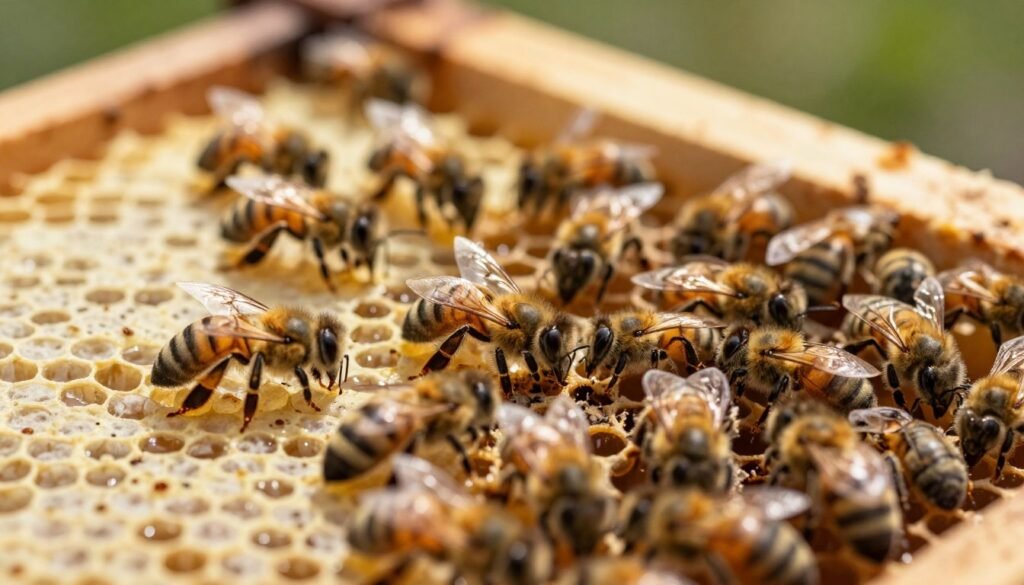
Caging the queen for two weeks is a reliable method to pause egg laying. Without new eggs, the colony clears old cells and reduces transmission of diseases like European Foulbrood.
The shook swarm lets adult bees start on fresh foundation. This removes old comb and the spores that linger in wax. Replace comb routinely to cut long-term infection risk.
Hygienic Behavior and Genetic Selection
Hygienic traits help workers uncap and remove infected pupae before pathogens spread. Select queen stock with strong hygienic expression to improve natural resistance to parasitic mite and disease pressure.
- Cage the queen 14 days to break cycles and clear infected larvae.
- Replace old comb and use the shook swarm when infections persist.
- Choose queens from hygienic lines to reduce future losses.
For seasonal management tips and preparing hives for changeable weather, review winter guides like winterizing hives.
Conclusion
Knowing how to read comb patterns and larval signs helps you protect hive health early.
Distinguishing temperature stress from infection is essential for every keeper. Environmental events like a sudden cold snap can cause chilled brood at the comb edge, while infectious agents require rapid, specific response.
Act quickly: use field diagnostics, report suspected foulbrood, and reduce hive volume or break the brood cycle when needed. These steps limit spread and support recovery.
With careful checks, good records, and attention to queen quality and hygienic stock, your bees can raise healthy larvae and return to strong production for the season.
FAQ
What is the key difference between chilled and dead brood in a hive?
The key difference lies in cause and appearance. One results from cold or poor contact and often shows scattered, sunken cappings with dehydrated larvae. The other is usually caused by bacterial, fungal, or viral infections and can show discolored, sticky, or ropy remains, mummified larvae, or collapsed cells. Inspecting odor, texture, and pattern helps determine whether environmental stress or disease is to blame.
How can a beekeeper tell if temperature stress harmed the developing larvae?
Look for scattered empty cells or cells with partially developed, pale larvae and thin, water-soaked cappings. These signs often appear after a cold snap or when the colony cannot cluster tightly. Affected areas lack the foul smell associated with many infections, and dead larvae are not usually ropy or mummified.
What environmental factors commonly lead to brood loss from cold or poor care?
Common factors include sudden cold weather, poor wintering conditions, inadequate winter stores, gaps in the brood nest, and rapid expansion of the comb without enough nurse bees. Insufficient population or uneven distribution of food and workers can leave sections of the nest unheated and undernourished.
What are the classic signs of American foulbrood (AFB)?
American foulbrood often produces sunken, perforated cappings and a distinct, unpleasant odor. Infected larvae may become dark, sticky, and form a ropey strand when pulled with a probe. AFB is caused by a resilient bacterial spore, spreads rapidly, and usually requires strict management or destruction of affected equipment per local regulations.
How does European foulbrood (EFB) differ in appearance and cause?
European foulbrood typically affects younger larvae and produces yellow to brown, twisted or twisted-up remains that lie in an irregular pattern. It is caused by a different bacterial species and is often linked with nutritional stress, poor queen performance, or weather-related nurse bee shortages. Management can include improved feeding, requeening, and selective equipment sanitation.
What signs suggest sacbrood or viral infections in the nest?
Sacbrood presents as clear, sac-like larvae that die in the cell and often darken, while some viral infections cause discolored, distorted, or prematurely capped larvae. These conditions may accompany weakened colonies, high varroa mite loads, or poor hygiene. Lab diagnosis can confirm specific viruses or pathogens when needed.
How does colony population size influence brood survival?
A strong population with ample nurse bees maintains brood temperature, feeds larvae, and keeps combs clean. Small or dwindling colonies cannot cover the brood nest effectively, leading to chilled or neglected developing bees, reduced feeding, and higher disease susceptibility. Seasonal build-up and queen productivity directly affect these dynamics.
What management practices help prevent brood losses tied to hive strength?
Maintain adequate winter stores, monitor and manage varroa mite levels, ensure the queen is productive, and avoid abrupt changes in hive configuration. Regular inspections, timely requeening when necessary, and splitting strong colonies to support weak ones can maintain brood continuity and reduce stress-related losses.
How is the ropiness test performed and what does it indicate?
The ropiness test is a field check for certain bacterial infections. A beekeeper uses a sterile probe to pull the remains of a dead larva; if it forms a sticky, rope-like strand several millimeters long, that suggests a specific bacterial spore disease. This test is one diagnostic tool and should be combined with laboratory confirmation and local regulatory guidance before taking action.
When should a beekeeper break the colony’s brood cycle, and how is it done?
Breaking the brood cycle helps control varroa mites and some diseases. Methods include caging or removing the queen temporarily, creating a broodless period via timed splits, or managing with drone brood removal. Timing in late summer or early fall is common for mite control. Combine this with chemical or biotechnical treatments as appropriate for your operation.
What role does hygienic behavior and selective breeding play in recovery and prevention?
Hygienic behavior—workers removing diseased or dead larvae—reduces pathogen load and slows spread. Selecting stock with strong hygienic traits and good disease resistance improves long-term colony resilience. Many beekeepers use marker-assisted selection or source queens from breeders who test for hygienic lines to lower infection rates and improve survival.
When is laboratory testing recommended for suspected brood disease?
Send samples when field signs are ambiguous, when ropiness or foul odors appear, or when disease seems to spread despite management. Laboratory tests identify specific bacteria, fungi, or viruses and guide legal and treatment decisions. Work with state apiculture labs, university extension services, or certified diagnostic centers for accurate results.
What immediate steps should be taken if a severe bacterial infection is confirmed?
Follow local regulations—some require burning infected hives and equipment. Isolate affected apiaries, avoid moving frames or supers, and inform nearby beekeepers if required. Implement sanitation, requeen with tested stock, and review equipment handling to prevent future contamination. Consult your state apiarist for mandated actions.
How can seasonal timing affect interpretation of brood issues in spring?
In spring, weak colonies or late cold snaps can mimic disease signs as populations rebuild. Scattered empty cells after cold weather may reflect thermal stress rather than infection. Assess population size, queen laying pattern, stores, and varroa levels before concluding disease. Reinspection after improved weather often clarifies cause.