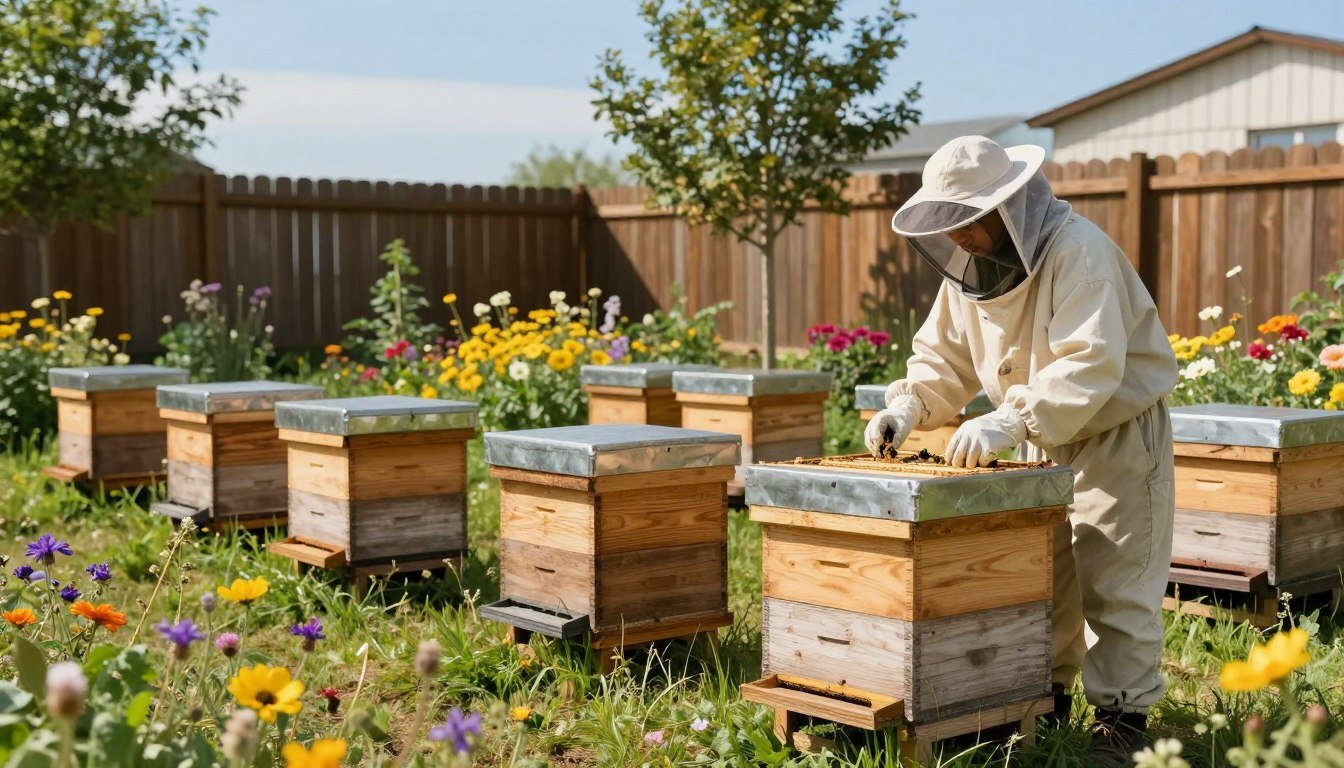
Protecting your main apiary starts with a clear plan. A small, dedicated space for new or troubled colonies keeps disease from spreading. This approach saved many beekeepers time and losses in the past.
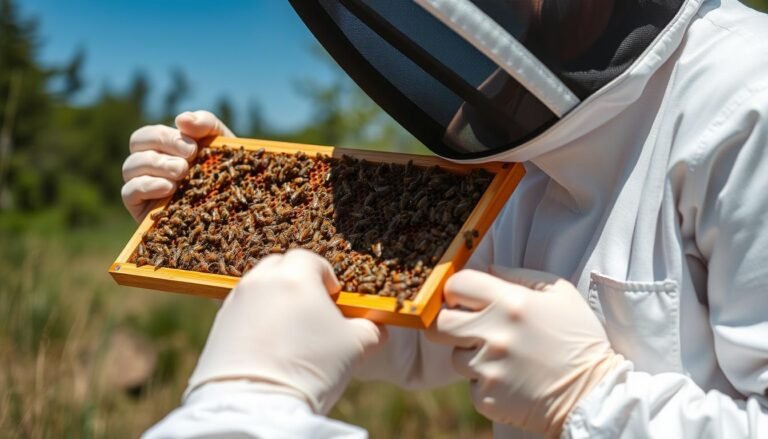
Plan the site so hives sit downwind from your backyard apiary. Use sturdy equipment, a bee suit, and gloves when inspecting brood and larvae. Isolate a new queen or small colony until health checks pass.
Keeping this separate area helps maintain honey production and protects established hives. For practical hive placement and step-by-step installation guidance, consult a trusted guide like beehive installation.
Key Takeaways
- Isolation works: A dedicated space reduces pathogen spread.
- Inspect brood and larvae regularly with proper equipment.
- Use protective wear—suit and gloves—every inspection.
- Keep new queens and small colonies apart until cleared.
- Well-managed quarantine preserves honey and hive health.
The Importance of Biosecurity in Beekeeping
Effective biosecurity is the first line of defense against pests that harm colonies. Jennifer Lund, Maine State Apiarist, notes that biosecurity is a set of measures designed to reduce the risk of pest and disease transmission to bees.
Bees cannot be fenced like other livestock, so complete isolation is impossible. That reality means beekeepers must rely on practices that limit spread, such as screening incoming stock and monitoring for signs of disease.
Maintaining strong hives matters. Diseased populations often yield less honey and invite threats like the small hive beetle. Nutritionally stressed bees move between hives more, raising transmission risk.
“Biosecurity reduces the risk of pests and disease transmission among livestock.”
- Healthy queen: A robust queen underpins a resilient colony.
- Vigilant inspections: Catch problems early to protect your hive network.
- Controlled introductions: Quarantine new stock and poor-performing colonies until cleared.
Prioritizing biosecurity in your yard protects your investment and keeps beekeeping sustainable for years. For planning guidance on small apiary layouts, see small-scale apiary planning.
| Measure | Action | Benefit | When |
|---|---|---|---|
| Screening | Inspect incoming colonies | Reduces disease entry | Before placement |
| Nutrition | Maintain feeding during dearth | Limits drift and robbing | Seasonal stress |
| Isolation | Keep suspect hive separate | Protects established hives | Until cleared |
How to Set Up a Quarantine Yard for Bees
Start with a plan that defines the space and the surface. A compact footprint helps you manage hives without disturbing the main apiary. Aim for an 9-foot by 9-foot plot — about 81 square feet — for a small home setup.
Defining Your Quarantine Boundaries
Mark clear edges so people know the work area and bees have a predictable flight path. Keep spacing of about 27 1/4 inches between hive stands. That distance gives room to move frames and boxes while inspecting brood and comb.
- Reserve space for at least one extra frame and an empty box for emergency work.
- Locate water nearby; bees will use it for cooling and honey production.
- Design the layout so the queen and workers are less likely to drift into the backyard apiary.
Preparing the Ground Surface
Level the site and tilt slightly so water drains away from brood and comb. Poor drainage invites mold and pests.
Lay landscape fabric or newspaper under stands to keep plants out and reduce debris. A clean surface cuts hiding spots for beetles and other pests, protecting larvae and frames.
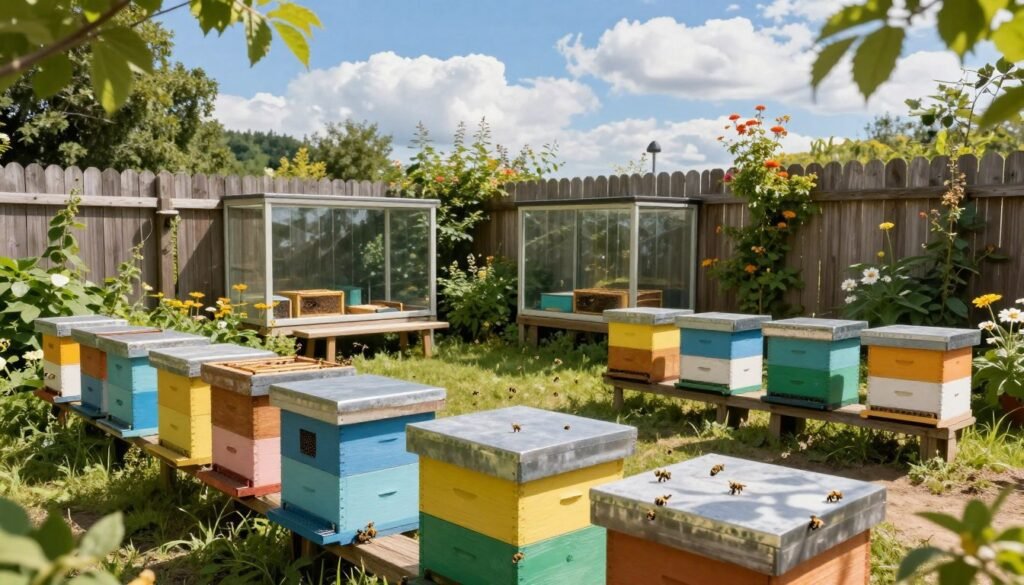
Small-space beekeeping strategies offer additional layout tips when you need compact solutions that still let bees forage for nectar and pollen without interference.
Selecting the Ideal Location for Isolation
Find a spot that balances sun for warming and afternoon shade for comb cooling. Choose an area well away from your patio, play equipment, and other high-traffic zones. That reduces stress on the bees and lowers the chance of unwanted interactions with people.
Face hive entrances southeast so morning rays warm the colony early. Warm starts help foraging and reduce sluggish bees during cool hours.
Place the yard far from your main apiary. Isolation limits disease transfer between healthy hives and new arrivals. Ensure the landscape offers afternoon shade so the comb stays stable in summer heat.
- Pick sites with clear flight paths and low foot traffic.
- Include nearby water and sheltering plants for forage and cooling.
- Consider the queen and the whole colony when choosing location; proper placement aids honey production.
Good placement protects productivity. Thoughtful siting keeps honeybees productive and helps beekeepers manage risk while colonies recover or acclimate.
Essential Equipment for Your Quarantine Site
Good equipment makes managing an isolated hive faster and safer for both the colony and the keeper. Prepare a compact kit and a clear working space so inspections are efficient and clean.
Protective gear and tools
Keep a separate set of gloves, veil, and suit for this area. Store a dedicated hive tool, frame grip, and scraper in a sealed box. Using distinct tools prevents cross-contamination between the backyard apiary and the isolation plot.
Electric fencing for predator control
Install a solar-powered charger like the Parmak Deluxe Field Solar-Pak 6. A powered fence deters bears and other predators without constant supervision. The unit is compact and ideal for a small hive site.
Dedicated feeding supplies
Use labeled feeders and jugs for nectar and water that stay with the quarantined colony. Store extra frames and boxes in sealed containers to protect comb from small hive beetle and wax moths.
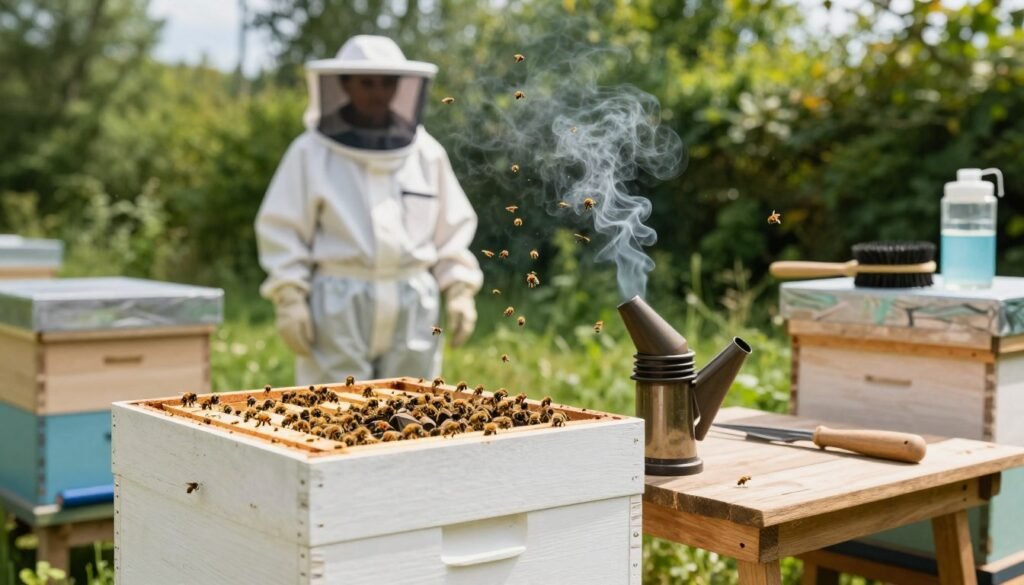
- Separate tools and feeders reduce pathogen spread.
- Allow enough space to move; this saves time and cuts sting risk.
- Protect equipment in a dry, ventilated store to preserve honey and frames.
Implementing Strict Sanitation Protocols
Clean habits keep colonies strong and limit spread. Good sanitation protects brood, frames, and honey. It also prevents pests and reduces losses over time.
Cleaning Procedures Between Yards
Wash hands and cleanse gloves before moving between plots. Simple handwashing and a fresh pair of gloves cut transmission risk dramatically.
Disinfect hive tools, frame grips, and smokers after each use. Wipe metal tools with a flame or approved disinfectant and let them cool before you use them again.
Never store old comb, burr comb, or debris in the backyard. Such material attracts small hive beetle and rodents and undermines long-term apiary health.
Keep boxes and frames organized. Label and store spare frames in sealed containers. Clean honey extraction equipment between different beekeepers to avoid contaminating harvests.
“Removing hive scrapings and maintaining separate equipment saves time and keeps disease out of your hives.”
For detailed protocols and layouts that support sanitation, consult the Milbrath article and practical apiary setup guidance.
Monitoring and Managing Isolated Colonies
Regular checks give you early clues when an isolated hive needs intervention. Spend time inspecting brood pattern on each frame. A solid, consistent pattern shows the queen is laying and the colony is healthy.
Look at frames for clear signs: check larvae color, comb condition, and any offensive odor or perforated cappings that can signal disease. Note changes and record dates.
When moving frames of honey to balance stores, use dedicated equipment and clean gloves. That careful work prevents pests from spreading into other hives.
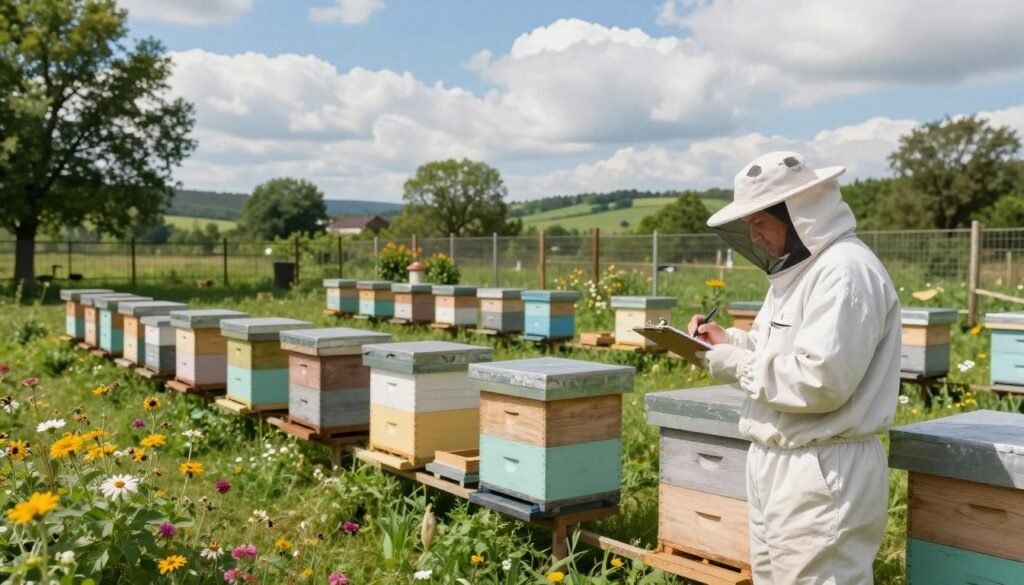
Watch bee behavior closely. Restless flight, low foraging, or odd clustering often precede visible brood problems. Quick action keeps issues from affecting multiple colonies.
Provide clean water and pollen sources near the space so recovery is supported. A steady diet helps brood development and nurse bees during stress.
| Task | What to check | Frequency | Benefit |
|---|---|---|---|
| Brood inspection | Pattern, larvae health, queen presence | Every 7–10 days | Early detection of laying issues |
| Frame and comb review | Perforated cappings, odor, pests | During each inspection | Catch disease before spread |
| Resource balancing | Move honey frames carefully, clean equipment | As needed | Maintain stores without contaminating other hives |
For seasonal checklists and timing guidance, see seasonal beekeeping tasks. For formal biosecurity protocols and layout guidance, consult this biosecurity factsheet.
Maintaining Long-Term Apiary Health
Year-round attention to colonies keeps populations resilient and productive. Regular checks, clean equipment, and timely feeding protect brood and support a healthy queen. Small, steady actions yield lasting benefits for honeybees and the plants they pollinate.
Beekeepers who use an isolation yard are better prepared for outbreaks and sudden losses. Manage honey stores and hive space carefully to avoid stress and robbing. Record observations and respond quickly when problems appear.
For inspection rules and movement guidance, review local resources like bee inspections. Your dedication to biosecurity will keep colonies strong and your home apiary thriving for years.
FAQ
What is the purpose of an isolation area when introducing new colonies?
The goal is to protect existing apiary populations and local pollinators by keeping new colonies separate until they are disease-free and the queen is proven. This reduces risk of spreading pests, pathogens, or drifting bees that carry parasites like Varroa mites or American foulbrood.
How far should the isolation perimeter be from other hives?
Place new colonies at least 300–500 feet from established apiaries when possible. This distance limits drifting and mating flights. If property size prevents that separation, use physical barriers, orientation boards, and distinct flight entrances to reduce mixing between groups.
What surface is best under isolation hives?
Hard packed gravel, crushed stone, or decking provide stable, dry surfaces that discourage pests and reduce moisture. Avoid placing boxes directly on soil; use pallets, Concrete blocks, or hive stands to lift equipment and improve airflow under brood boxes.
Which plants should I include near the isolation site?
Provide nectar and pollen by planting native flowering species like clover, goldenrod, and salvia at a distance from main apiaries. Keep high-reward forage a short walk from the quarantine area to limit long flights, while maintaining separation from established hives.
What core equipment is required for a quarantine plot?
Essential items include dedicated hive tool sets, smoker, frames and spare comb reserved for the quarantine area, separate feeders, and labeled storage for clothing and gloves. Use color-coded gear or storage boxes to avoid cross-contamination with the main yard.
Are there recommended personal protective items for working isolated colonies?
Wear a dedicated veil or suit, nitrile gloves, and rubber boots reserved for the quarantine site. Change or disinfect gloves and outerwear between yards. Keep a sealed bin for used suits until they can be laundered or treated to prevent pathogen transfer.
Should I use electric fencing around the quarantine area?
Electric fencing can deter skunks, raccoons, and other predators that damage small hive colonies. Install low-voltage strands 6–12 inches off the ground and check power and grounding regularly. Combine with sturdy hive stands for best protection.
How do I manage feeding for isolated colonies without risking contamination?
Use feeders dedicated to the quarantine site and clearly label them. Wet feeders should be cleaned and disinfected between uses. Offer sugar syrup and protein patties in vessels that are easy to sanitize, and avoid reusing tools between yards without cleaning.
What sanitation steps should be routine at the isolation plot?
Clean hive tools with bleach solution or high-proof alcohol after inspections. Sterilize frames and equipment as needed, dispose of infected comb responsibly, and sweep the area free of dropped brood or wax. Keep a log of cleaning dates and methods.
How often should I inspect quarantined colonies?
Inspect every 7–10 days during active seasons to assess brood health, mite loads, and queen performance. Increase frequency if you suspect disease. Keep inspections brief and methodical to lower stress on the bees and reduce exposure risks.
What thresholds indicate a colony is ready to join the main apiary?
Ensure the queen is laying reliably, brood patterns look healthy, and diagnostic tests (like sugar shake or alcohol wash) show acceptable Varroa levels. No clinical signs of bacterial or viral disease should be present for at least one brood cycle before relocation.
How should I handle comb and frames from an isolated hive that show signs of disease?
Remove heavily infected comb and either incinerate or freeze it for an extended period before disposal, following local regulations. Lightly affected frames may be sterilized with heat or replacement; always err on the side of caution to protect the main yard.
Can small apiaries maintain an effective isolation program?
Yes. Even backyard beekeepers can implement quarantine practices by dedicating one corner of the property, using clear labeling, and isolating gear. Attention to protocol, consistent monitoring, and limiting cross-use of equipment make small-scale programs effective.
How long should a new colony remain isolated?
Typical isolation lasts one to two brood cycles (about 6–8 weeks) but may extend longer if tests or inspections show issues. The release decision should be based on health metrics rather than a fixed timeline to reduce future losses.
What record-keeping is useful during quarantine management?
Keep logs of inspection dates, mite counts, treatments applied, queen status, and any cleaning actions. Record movement of equipment and who accessed the site. Good records support biosecurity and help identify patterns if problems arise later.
When is professional lab testing recommended for isolated colonies?
Send samples to a certified lab if you detect unusual brood symptoms, unexplained losses, or persistent parasite problems. Tests for brood diseases, viruses, and pesticide residues provide clarity and guide targeted responses that protect the broader apiary.