Most articles about kids and beekeeping focus on safety rules or classroom lesson plans — genuinely useful, but they treat bees as a nature-education topic rather than what they actually are on a working homestead: one more real chore, with real economic weight, that needs to eventually pass to the next person willing to do it. Teaching kids beekeeping as a homestead skill is a different project from teaching them about bees, and it works best when it follows the same age-graduated responsibility path a homestead’s other animals and systems already use.
Key Takeaways
- Teaching kids beekeeping on a homestead works best as a skill-succession project tied to the operation’s real chores and economics, not a standalone nature lesson.
- Age-appropriate involvement starts years before a child ever opens a hive alone — observing, helping with equipment, and learning bee behavior from a safe distance come first.
- A homestead’s beekeeping workload (inspections, harvest, equipment maintenance, feeding) breaks down into distinct tasks of very different skill and risk levels, which makes it genuinely gradable by age the way other homestead chores already are.
- The goal isn’t producing a junior beekeeper who can run the whole operation — it’s building real, transferable comfort and competence over years, the same way kids gradually take on more with any other homestead animal.
- This is a different, more homestead-specific angle than the site’s existing coverage of general kids-and-bees education, safety rules, and homeschool curriculum content.
A Skill to Pass Down, Not Just a Topic to Teach
There’s a real difference between teaching a child that bees are fascinating and useful, and teaching them to actually keep bees as part of how the family homestead functions. The first is genuine nature education, and this site already covers plenty of it — age-by-age reading lists, safety rules, and homeschool curriculum ideas all serve that goal well. The second is closer to how homesteading families traditionally handed down any other working skill: gardening, animal care, food preservation, basic repair. It assumes the child will eventually be a real contributor to a task the household actually depends on, not just someone who understands it academically.
That distinction matters because it changes what “success” looks like. A kid who can correctly identify a queen bee from a picture book has learned something real, but a teenager who can confidently move through a full hive inspection, spot early signs of trouble, and know when to ask for help has learned something the homestead can actually rely on. Getting from the first to the second takes years of deliberately structured exposure, not a single lesson.
What Age-Appropriate Actually Looks Like
Beekeeping breaks down into tasks with genuinely different skill and risk profiles, which is exactly what makes it possible to grade by age the same way chores like collecting eggs or feeding livestock already are on most homesteads — general guidance on age-appropriate homestead chores follows the same basic logic of matching real responsibility to real developmental readiness. Hobby Farms’ own guidance on beekeeping with children makes a similar point: even very young kids can be genuine participants long before they’re anywhere near an open hive, and the jobs available to them should grow in both scope and independence as they do.
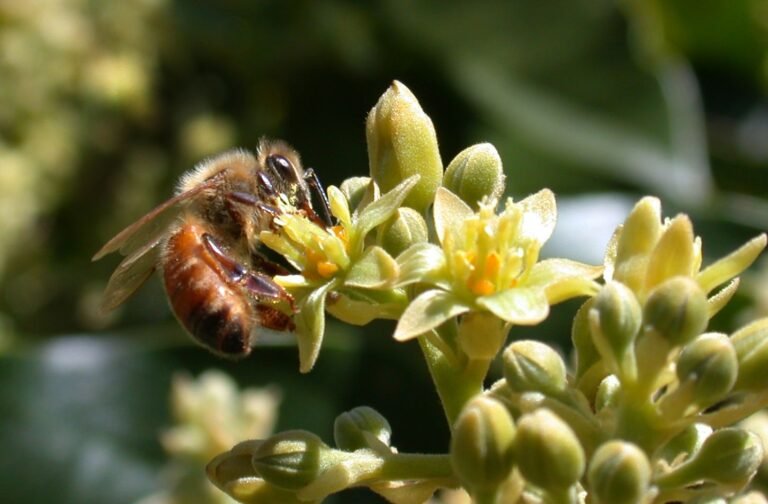
- Youngest kids (observation and equipment): Watching bees forage on flowers from a safe distance, helping clean and organize frames and tools between inspections, and learning to identify a bee versus a wasp are all real, low-risk starting points that build familiarity without any direct hive contact.
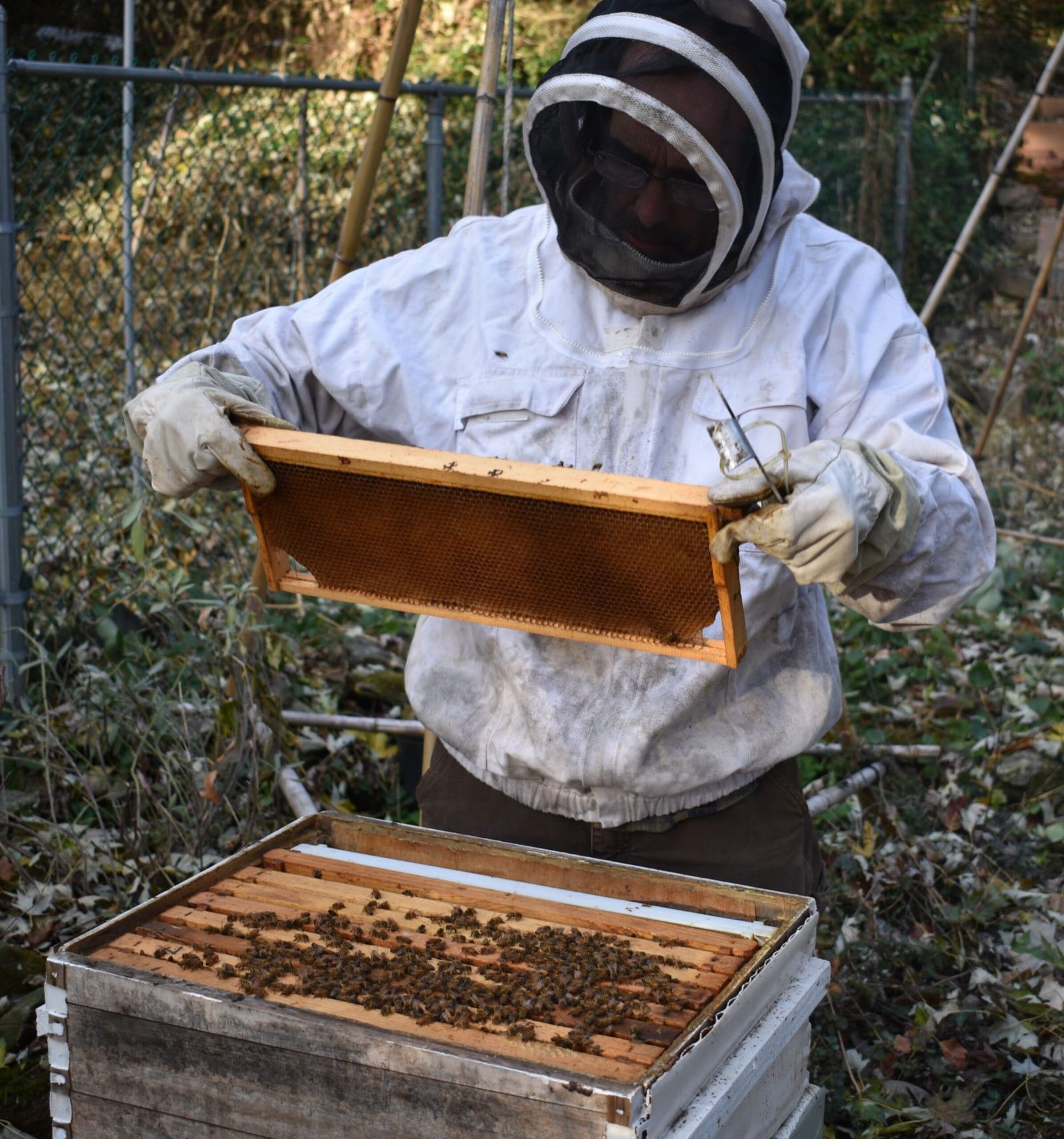
- Middle years (supervised hands-on tasks): Suiting up and standing alongside an adult during an inspection, learning to use a smoker correctly, and helping record what’s seen in a hive log all start building the actual physical and observational skills real beekeeping requires, always under direct supervision.
- Teens (increasing independence): Running a full inspection with an adult nearby but not directing every step, learning to recognize early signs of disease or a failing queen, and taking a real role in honey harvest and equipment maintenance are appropriate once a teen has years of supervised exposure behind them.
The exact ages any family draws these lines at will vary with the individual child’s temperament and comfort with the bees themselves — some kids are ready for closer hands-on work earlier than others, and forcing the pace rarely goes well with an animal that can sting. What matters more than hitting a specific age is genuinely progressing rather than either freezing a child at “watch only” indefinitely or rushing them into full hive access before they’ve built real comfort.
Tying It to the Homestead’s Real Economics
What makes this genuinely a homestead-succession project rather than a hobby lesson is connecting the skill to the operation’s actual stakes — this site’s own breakdown of the real economics and workload of keeping bees on a homestead lays out exactly what’s riding on the colonies staying healthy and productive: honey and wax output, pollination for the garden and any fruit trees, and the real time cost of routine maintenance. A kid who understands that the bees are part of what keeps the household fed and self-sufficient, not just an interesting pet project, tends to take the responsibility more seriously than one who’s only ever been told bees are cool.
That framing also naturally answers the “why bother” question that comes up with any homestead skill transfer: the point isn’t to create a hobbyist who enjoys bees, it’s to build enough real competence that the beekeeping keeps running smoothly if the adult who currently handles it is sick, busy, or simply not around one week. That’s the same practical logic behind teaching a kid to milk a goat or manage the chicken coop — it’s insurance for the household’s actual self-sufficiency, built one supervised season at a time.
Frequently Asked Questions
What age can a kid start helping with homestead beekeeping?
Very young children can start with zero-risk tasks like observing bees on flowers from a distance and helping clean equipment between inspections. Direct hands-on hive work under close supervision typically comes later, once a child has built real comfort and can follow safety instructions reliably.
How is this different from general kids’ beekeeping education?
General kids’ beekeeping content — reading lists, classroom lessons, safety rules — teaches children about bees. Homestead skill-succession specifically ties a child’s growing responsibility to the operation’s real chores and economics, aiming to build a genuine contributor over years rather than just an informed observer.
Should a child ever be alone with a hive?
Only once they’ve built substantial supervised experience over multiple seasons and demonstrated reliable judgment and calm around the bees — this is a gradual progression, not a single milestone, and the right timing varies significantly by individual child.
What’s the actual goal of teaching kids beekeeping on a homestead?
Building real, transferable competence so the household’s beekeeping can keep running even if the primary adult beekeeper is unavailable — the same practical goal behind teaching kids any other essential homestead skill.