In 2008, a Toronto hotel put three honeybee colonies on its roof to pollinate its own garden — and accidentally started a trend that’s since spread to luxury hotel rooftops across multiple continents, turning honey harvested a few floors above the lobby into a genuine amenity rather than a gimmick. The Fairmont Royal York’s rooftop apiary is now widely credited as the first hotel beekeeping program in the world, and more than fifteen years later it’s grown into one of the more unusual, and better-documented, corners of the hospitality industry’s sustainability efforts.
Key Takeaways
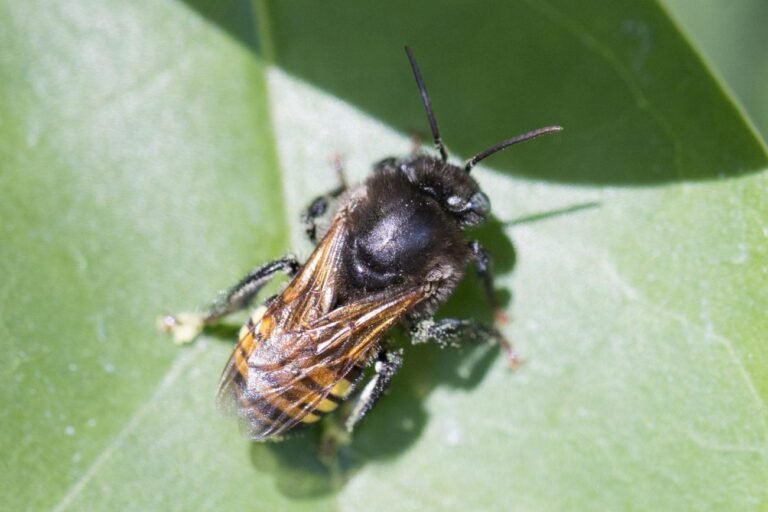
- The Fairmont Royal York in Toronto introduced the world’s first known hotel rooftop apiary in 2008, when horticulturist David Garcelon added three queen bees and a colony to pollinate the hotel’s existing rooftop garden.
- That single colony has grown into seven hives housing roughly half a million bees at peak season, tended by the Toronto Beekeepers Collective and producing an average of 400 to 450 pounds of award-winning honey a year.
- Fairmont expanded the idea sitewide in 2009 under its formal Bee Sustainable program, which now spans more than 20 honeybee apiaries and over 20 additional wild-pollinator “bee hotels” across its properties worldwide.
- Rooftop-harvested honey isn’t a novelty display item at these properties — it’s actively used in-house, appearing in cocktails, pastries, afternoon tea service, and even hotel-branded beer and gin collaborations.
- Other major hospitality brands have since added their own rooftop apiaries in cities including New York, following the same basic model Fairmont pioneered: use existing unused rooftop space to support pollinators and supply the hotel’s own kitchens.
Table of Contents
- How a Toronto Rooftop Started It All
- Inside the Fairmont Royal York’s Apiary Today
- From One Rooftop to a Global Program
- Why Hotels, Specifically, Keep Doing This
- Frequently Asked Questions
How a Toronto Rooftop Started It All
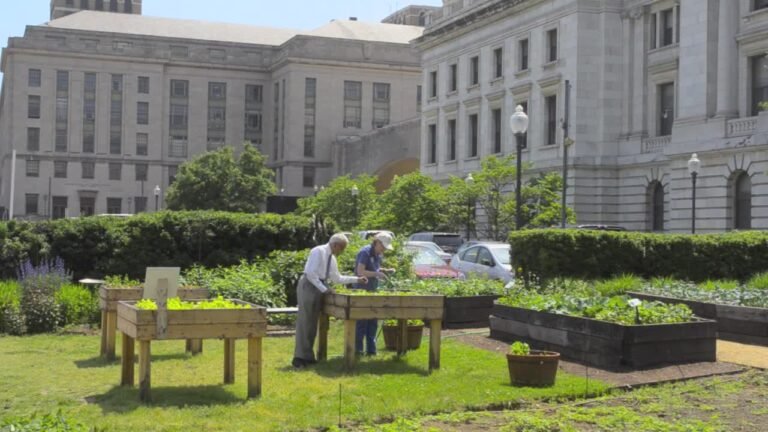
The Fairmont Royal York in downtown Toronto already had one distinction long before the bees arrived: it was one of the first hotels in the world to build its own rooftop garden. In 2008, the hotel’s horticulturist, David Garcelon, added three queen bees and their colonies to that same rooftop specifically to pollinate the garden’s plants more effectively — a practical horticultural fix rather than a planned publicity move. It’s now widely cited as the first hotel-run beehive program anywhere in the world, a genuinely small decision that ended up setting the template an entire segment of the hospitality industry would later follow.
Inside the Fairmont Royal York’s Apiary Today
Well over a decade on, that original rooftop experiment has scaled considerably. The Royal York’s apiary now runs seven hives, home to roughly half a million bees and seven queens during peak season, maintained in partnership with the Toronto Beekeepers Collective and urban beekeeper Melanie Coates. The hives produce an average of 400 to 450 pounds of honey annually — honey that has gone on to win awards at Toronto’s Royal Winter Fair in multiple years running.
None of that honey sits in a display case. The hotel’s culinary team uses it directly across its menus — worked into cocktails, pastries, and the hotel’s afternoon tea service — which is the detail that separates a genuine working apiary program from a rooftop hive kept purely for optics. The bees are doing a job the hotel’s kitchen actually depends on, not just posing for sustainability marketing.
From One Rooftop to a Global Program
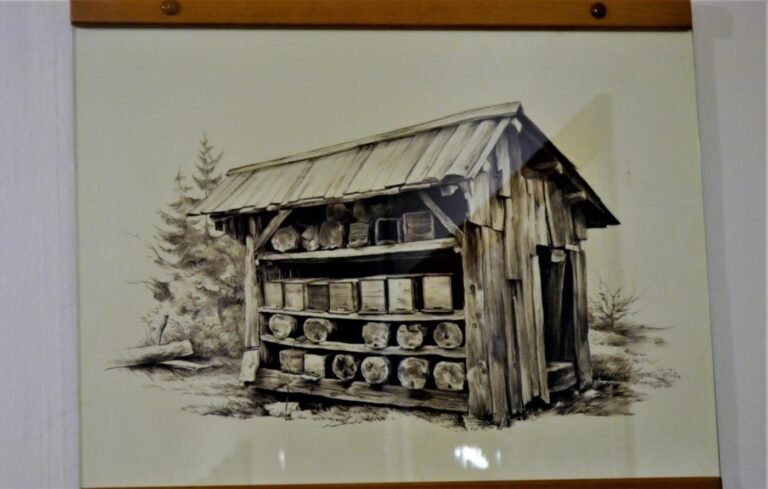
Fairmont formalized the idea across its full portfolio of properties in 2009, launching what it calls the Bee Sustainable program in direct response to growing public awareness of Colony Collapse Disorder. The program deliberately went beyond managed honeybees from the start, adding wild pollinator “bee hotels” — small nesting structures for solitary mason bees and other native species — alongside the honeybee apiaries. Today, Fairmont’s Bee Sustainable program spans more than 20 honeybee apiaries and over 20 wild-pollinator bee hotels across its hotels worldwide, with properties like the Fairmont Waterfront in Vancouver harvesting roughly 600 pounds of honey a year, some of which has been distilled into hotel-branded gin and craft beer in partnership with a local distillery.
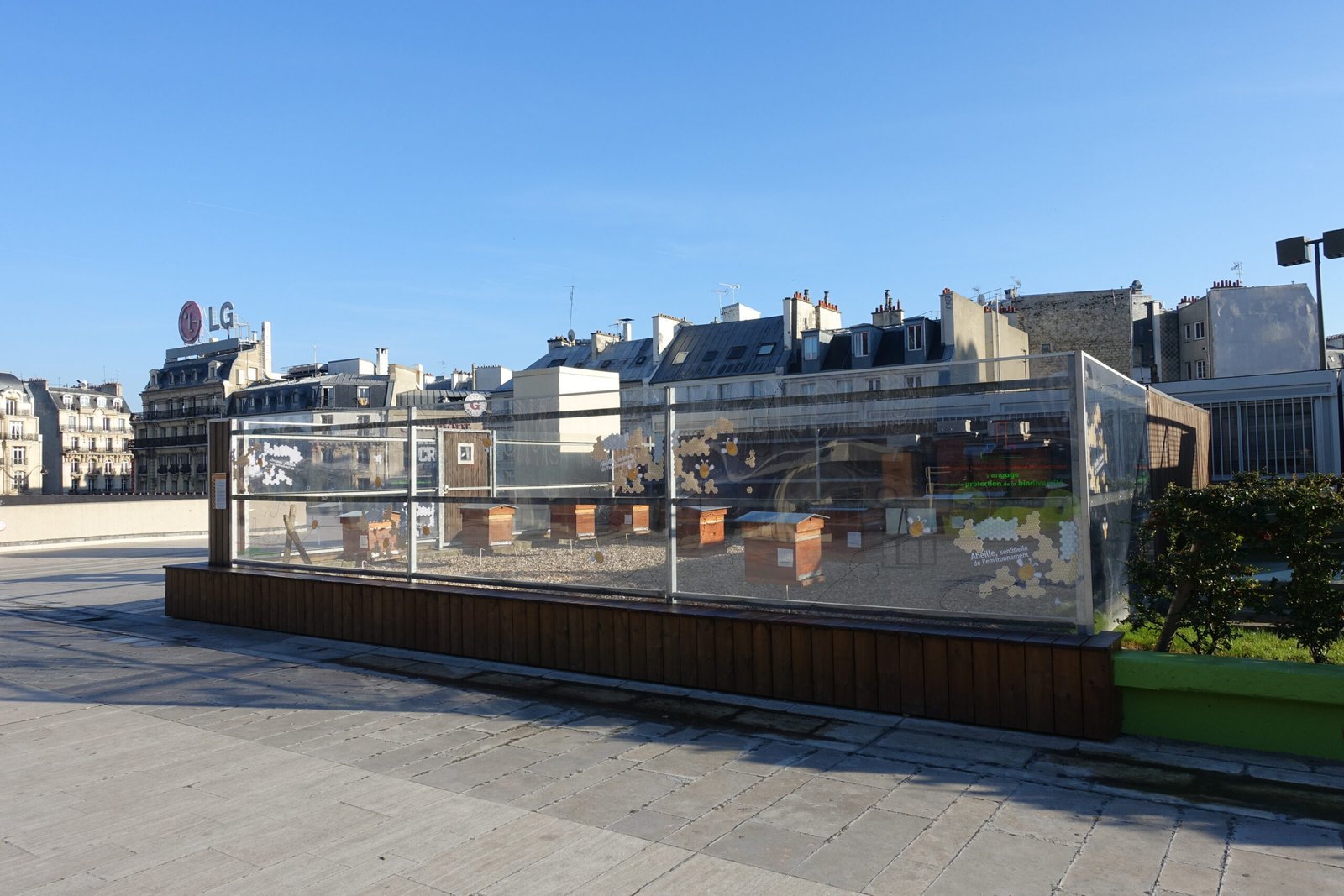
The model has since spread beyond Fairmont’s own properties. Other major hospitality brands, including hotels in cities like New York, have added comparable rooftop apiaries of their own in the years since, generally following the same basic logic: unused rooftop real estate, a genuine sustainability story, and a direct culinary payoff that a hotel restaurant can actually use.
Why Hotels, Specifically, Keep Doing This
Hotels are an unusually good fit for rooftop beekeeping for reasons that have less to do with bees than with real estate. Large hotels routinely have significant flat rooftop space that would otherwise sit unused, on-site landscaping and gardens the bees can pollinate directly, an in-house kitchen that can absorb and market a genuinely local ingredient, and — increasingly — a guest base that responds well to a visible, concrete sustainability initiative rather than an abstract corporate pledge. A rooftop hive checks all four of those boxes at once, which is a large part of why the idea has kept spreading through the industry rather than staying a one-hotel novelty.
It’s also a lower-commitment sustainability move than it might first appear: a hotel doesn’t need in-house beekeeping expertise, since properties like the Royal York and Waterfront work with independent local beekeeping organizations rather than training hotel staff to manage hives themselves — which is part of why the model has been replicable across dozens of properties with very different staff and climates.
Frequently Asked Questions
Was the Fairmont Royal York really the first hotel with rooftop bees?
It’s widely credited as the first, having introduced its rooftop apiary in 2008 to pollinate the hotel’s existing rooftop garden, ahead of the broader hospitality-industry trend that followed.
Do hotels actually use the honey their rooftop bees produce?
Yes, at properties like the Fairmont Royal York and Fairmont Waterfront, the honey is used directly in hotel restaurants and bars — in pastries, cocktails, afternoon tea, and even distilled spirits — rather than being purely decorative.
Do hotel staff manage the beehives themselves?
Generally no. Most hotel apiary programs, including the Royal York’s, partner with independent local beekeeping organizations or professional urban beekeepers to manage the colonies rather than training hotel employees as beekeepers.
Is rooftop hotel beekeeping just for honey production, or does it help pollinators broadly?
Both. Programs like Fairmont’s Bee Sustainable pair managed honeybee apiaries with separate “bee hotel” structures built specifically for wild solitary pollinators like mason bees, which don’t produce honey but are important pollinators in their own right.