A small handful of islands around the world have gone their entire beekeeping history without ever recording Varroa destructor, the parasitic mite that devastates managed honeybee colonies almost everywhere else — and as of late 2025, that list is shrinking fast, with Australia’s famous Kangaroo Island sanctuary now under direct threat for the first time in its 140-year history. These places aren’t varroa-free by luck; they’re varroa-free because of geographic isolation reinforced by real, enforced law, and watching how each one is currently holding the line says more about the mite’s reach than any national statistic does.
Key Takeaways
- Kangaroo Island, Australia — home to the world’s purest remaining population of the Ligurian honeybee since 1885 — remained varroa-free as of late 2025 even after the mite reached mainland South Australia, thanks to a strait crossing and stepped-up ferry biosecurity checks.
- The Isle of Man was officially declared varroa-free in 2015 and remains the only part of the British Isles with that legal status, maintained through a strict ban on importing live bees, used equipment, and unprocessed bee products.
- Scotland’s Colonsay and Oronsay were legally designated a native black bee reserve in 2013 specifically because their isolated Apis mellifera mellifera population was both genetically pure and varroa-free.
- All three sanctuaries rely on the same core mechanism: a defined geographic boundary (a sea crossing) combined with a legally enforced ban on importing bees, equipment, or unprocessed hive products that could carry the mite in.
- None of this is guaranteed to last — Kangaroo Island’s 2025 scare shows that even a well-defended sanctuary is only ever one accidental shipment away from losing a status it’s held for well over a century.
Table of Contents
- Three Sanctuaries Compared
- Kangaroo Island: 140 Years, Now Under Threat
- Isle of Man: Officially Certified Since 2015
- Colonsay and Oronsay: Purity and Protection Together
- Why Isolation Is the Only Thing That Actually Works
- Frequently Asked Questions
Three Sanctuaries Compared
| Sanctuary | Protected since | Bee population protected | Legal mechanism | Varroa status (late 2025) |
|---|---|---|---|---|
| Kangaroo Island, Australia | 1885 (Ligurian Bee Act) | Pure Italian/Ligurian bee (Apis mellifera ligustica) | State legislation banning other bee races; ferry biosecurity checks | Free, but under active threat since South Australia’s first mainland detection |
| Isle of Man, British Isles | Officially declared 2015 | General managed honeybee population | Ban on importing live bees, used equipment, and unprocessed hive products | Free; only officially varroa-free part of the British Isles |
| Colonsay & Oronsay, Scotland | 2013 (Bee Keeping Order) | Native dark European bee (Apis mellifera mellifera) | Order banning any non-native honeybee on the islands | Free |
Kangaroo Island: 140 Years, Now Under Threat
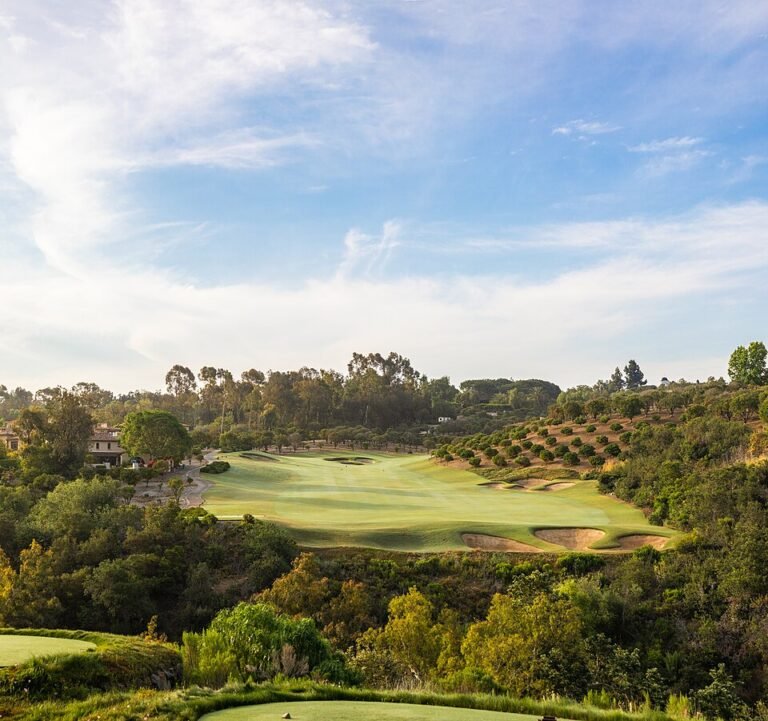
Kangaroo Island’s bee sanctuary is the oldest of its kind in the world. In 1885, South Australia’s Parliament passed the Ligurian Bee Act specifically to protect the island’s imported Italian Ligurian bees from cross-breeding with other races — and in the process, created a legal barrier that has also kept every subsequent honeybee pest and disease off the island for well over a century, simply because no other bees have been allowed in.
That run is now being tested. Varroa mite reached mainland Australia via the Port of Newcastle in 2022, and after eradication efforts were abandoned in 2023, the mite has continued spreading through New South Wales, Victoria, Queensland, and, as of September 2025, South Australia’s Riverland region — putting it within reach of Kangaroo Island for the first time. In response, biosecurity authorities have expanded the island’s network of early-warning sentinel hives from four to ten and added inspection staff checking every ferry arriving on the island, according to reporting from ABC News in October 2025. As of this writing, Kangaroo Island remains varroa-free — but its buffer has never been thinner.
Isle of Man: Officially Certified Since 2015
The Isle of Man’s varroa-free status is more recent but no less deliberately maintained. The island was officially declared free of varroa in 2015, and it remains the only part of the British Isles — a group of islands where varroa has been present on the mainland UK since 1992 — to hold that status today. The island is also free of foulbrood, Tropilaelaps mites, and small hive beetle.
The Isle of Man’s government updated its protective legislation as recently as January 2025, with the Importation of Bees Order 2024 reinforcing a long-standing ban on bringing in live bees at any life stage, used beekeeping equipment, and unprocessed apiculture by-products like raw honey, pollen, and beeswax that haven’t been processed for human consumption. Unlike Kangaroo Island’s geographic head start, the Isle of Man’s protection is a case of a jurisdiction actively choosing isolation as policy well after most of its neighbors had already lost the fight.
Colonsay and Oronsay: Purity and Protection Together
The Hebridean islands of Colonsay and Oronsay were designated Britain’s first native honeybee reserve under the Bee Keeping (Colonsay and Oronsay) Order 2013, which took effect on 1 January 2014. The legislation makes it an offense to keep any honeybee on the islands other than the native dark European bee, Apis mellifera mellifera — a subspecies that has been displaced or genetically diluted across most of its original range by imported Italian and Carniolan stock.
What makes Colonsay distinct from the other two sanctuaries is that its protection serves two goals simultaneously: preserving one of Europe’s few remaining genetically pure populations of the native dark bee, and — because that same isolation blocks any incoming colony that might carry it — keeping the islands varroa-free as a direct side effect. The reserve’s pest-free, genetically documented stock has since become a resource for researchers studying honeybee genetics and disease resistance.
Why Isolation Is the Only Thing That Actually Works
Every treatment developed against Varroa destructor — oxalic acid, formic acid, thymol, mite-resistant breeding lines — exists because chemical and genetic control is the only option once the mite has arrived. None of it eradicates the mite from a region once it’s established; it only manages an ongoing infestation. The three sanctuaries above show the one strategy that actually prevents infestation in the first place, and it isn’t a product or a technique — it’s a hard geographic boundary paired with a legally enforced ban on the ordinary channels (live bee sales, used equipment, unprocessed hive products) that carry mites between regions.
That also explains why the list of varroa-free places has only ever shrunk, never grown. Every documented loss of varroa-free status worldwide has traced back to a single breach in that boundary — an illegally imported package of bees, a swarm hitching a ride on cargo, a beekeeper moving equipment across a border that looked like a formality until it wasn’t. Kangaroo Island’s 2025 scramble to reinforce ferry checks is exactly that pattern playing out in real time, not a new kind of threat.
Frequently Asked Questions
Are there any varroa-free places left in mainland regions, not just islands?
Effectively no. Every currently documented varroa-free honeybee population of any size is protected by a genuine geographic barrier — typically an island separated from infested mainland areas — because a land border alone has proven too porous to stop the mite’s spread.
Is Kangaroo Island still varroa-free right now?
As of the most recent reporting in late 2025, yes, but authorities have explicitly described the threat as active and escalating following varroa’s detection on the South Australian mainland, and the island’s biosecurity measures have been significantly increased in response.
Why does it matter if a region loses its varroa-free status?
Once varroa arrives, colonies typically require ongoing chemical or biological mite treatment to survive; wild and feral bee populations without any management often collapse or decline sharply, as happened across much of the UK and US after varroa’s arrival there in the 1990s.
Can Varroa mites be permanently eradicated once they reach a region?
In practice, no region has successfully eradicated an established varroa population once it has spread beyond a very limited initial detection area; Australia’s own eradication effort was abandoned in 2023 after the mite proved too widespread to contain.