England’s 1086 Domesday Book, the enormous property survey William the Conqueror ordered twenty years after the Norman Conquest, contains several hundred separate entries mentioning honey or beehives — making it, more than any poem or chronicle, the earliest direct documentary evidence that beekeeping was already widespread across England before the Normans ever arrived. Beekeepers even show up as their own recognized occupational category in the survey, recorded in Latin as mellitarii.
Key Takeaways
- The Domesday Book records honey as a standard form of rent and tribute owed to the Crown or local lords on numerous estates — Gloucester, for example, is recorded as sending 24 pounds of honey to the Crown annually.
- The survey identifies mellitarii, professional honey-gatherers, as a distinct recorded occupation on some estates, alongside a separate role recorded as custos apium, meaning “keeper of the bees.”
- Several hundred individual Domesday entries mention honey or hives in some form, which is what allows historians to treat the survey as evidence of how genuinely widespread beekeeping already was, rather than relying on a handful of scattered literary references.
- Honey’s role as rent reflects its real economic importance in an economy that had no cane sugar at all — honey was effectively the only significant sweetener available in 11th-century England, alongside beeswax’s separate value for candles and church use.
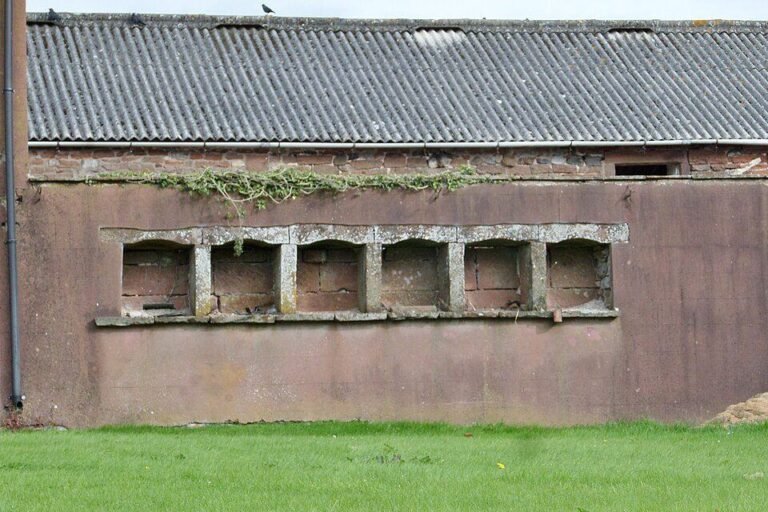
- The Domesday Book predates England’s oldest surviving bee boles (the wall recesses built to shelter skep hives) by roughly a century, meaning the honey economy it documents existed before that specific piece of beekeeping architecture is known to have developed.
Table of Contents
- What the Domesday Book Actually Was
- Honey as Rent: The Gloucester Example
- Mellitarii and the Keeper of the Bees
- Why Honey Mattered This Much in 1086
- What Came After: From Skeps to Bee Boles
- Frequently Asked Questions
What the Domesday Book Actually Was
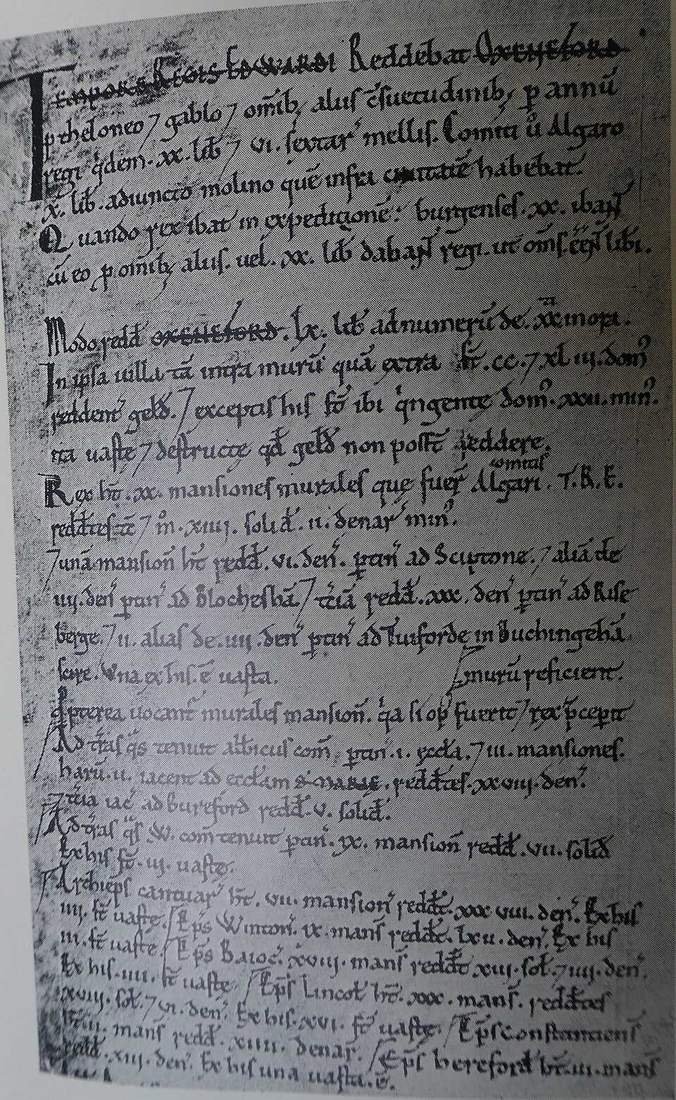
William the Conqueror commissioned the Domesday survey in 1085, and it was completed in 1086 — a comprehensive, estate-by-estate accounting of who held land across most of England, what it was worth, what it produced, and what obligations were owed on it, compiled largely so the new Norman administration could understand and tax a country it had conquered only two decades earlier. It’s an extraordinarily granular document by the standards of the 11th century, recording individual watermills, plow teams, fisheries, and, relevant here, honey production and beekeeping-related obligations on a huge number of individual manors and estates across the country. Because it was compiled for administrative and tax purposes rather than as literature or chronicle, the Domesday Book’s beekeeping references are unusually reliable as historical evidence — nobody was exaggerating honey output for poetic effect in a royal tax survey.
Honey as Rent: The Gloucester Example
Honey appears repeatedly throughout the Domesday Book as a specific, quantified form of rent or tribute owed to the Crown or a local lord, alongside more familiar obligations like cash payments or agricultural produce. One of the clearest recorded examples comes from Gloucester, where the survey records the city sending 24 pounds of honey to the Crown every year as part of its regular obligations — a specific enough figure that it reads as a genuine administrative record rather than a rough estimate. Other entries across the survey record honey rents in varying quantities tied to individual manors, reflecting how normalized honey had become as a unit of tribute alongside coin, grain, and livestock in the immediate post-Conquest English economy.
Mellitarii and the Keeper of the Bees
Beyond honey as a product, the Domesday Book records people whose work centered specifically on bees as a distinct, named occupational category. Mellitarii — honey-gatherers, likely collecting from both managed and wild colonies — appear in the survey on certain estates, and a separate role recorded as custos apium, literally “guardian of the bees,” is also documented. That the Norman administrators bothered to record these as distinct occupational titles, rather than folding beekeeping-related labor into a generic category of estate worker, suggests beekeeping was specialized and economically significant enough by 1086 to warrant its own recognized job description — genuinely early evidence of beekeeping functioning as skilled, semi-professional work rather than purely incidental household activity.
Why Honey Mattered This Much in 1086
The scale of honey’s presence in the Domesday Book only makes sense against one basic fact: 11th-century England had no cane sugar. Sugar cane wouldn’t become a meaningfully available sweetener in England for centuries, meaning honey was effectively the primary sweetening agent available to anyone, from royal kitchens down to ordinary manor households, while beeswax carried its own separate and substantial value for candles — including church candles, a genuinely large source of steady demand given how central candlelight was to medieval religious life. An estate’s capacity to produce honey and wax wasn’t a minor agricultural sideline; it was a real, quantifiable economic asset worth listing alongside plow teams and mills in a document built entirely around assessing what property across England was actually worth.
What Came After: From Skeps to Bee Boles
The beekeeping the Domesday Book documents in 1086 was still centuries away from the wall-mounted skep shelters known as bee boles, which this site covers separately in its look at Britain’s vanishing bee bole architecture — the oldest confirmed surviving bee boles date to roughly the 1100s, meaning the honey economy Domesday records predates that specific architectural innovation by about a century. The straw skep itself, examined in more general terms in this site’s history of the skep hive, and the broader picture of English beekeeping across the medieval period covered in Beekeeping in Medieval Times, both pick up roughly where the Domesday evidence leaves off — together giving a reasonably continuous documentary picture of English beekeeping from the late 11th century onward, anchored at its earliest point by a tax survey that had absolutely no reason to overstate how much honey the country was actually producing.
Frequently Asked Questions
Does the Domesday Book actually mention beekeeping?
Yes — several hundred entries across the 1086 survey reference honey production, honey owed as rent, or beekeeping-related occupations on individual English manors and estates.
What were mellitarii?
Mellitarii were honey-gatherers recorded as a distinct occupation in the Domesday Book, likely working with both managed hives and wild bee colonies, alongside a separately recorded role called custos apium, or “keeper of the bees.”
How much honey did Gloucester owe the Crown according to the Domesday Book?
The survey records Gloucester sending 24 pounds of honey to the Crown annually as part of its standard obligations.
Why was honey so economically important in 1086?
England had no cane sugar at the time, making honey effectively the primary available sweetener, while beeswax was separately valuable for candles, including the substantial demand from churches.
Is the Domesday Book the oldest evidence of English beekeeping?
It’s the earliest comprehensive documentary evidence at this scale, though beekeeping in England predates 1086; the Domesday survey is valuable specifically because it quantifies how widespread the practice already was, across hundreds of separate estates, rather than relying on scattered literary mentions.
For additional context, see the Eva Crane Trust’s archive of English beekeeping research.