A handful of countries have turned genuine, centuries-old beekeeping heritage into something a traveler can actually visit today, not just read about — Slovenia’s beekeeping tradition carries formal UNESCO recognition, Mexico’s Yucatán Peninsula runs real community-based tours of ancient stingless-bee sanctuaries, and New Zealand has built a network of visitor-facing honey operations around its manuka industry. This is a travel-planning guide to where that heritage is actually accessible today, distinct from this site’s separate historical coverage of these same traditions.
Key Takeaways
- Slovenia’s beekeeping tradition was formally inscribed on UNESCO’s Representative List of the Intangible Cultural Heritage of Humanity in 2022, and the country now issues dedicated api-tourist guide licenses through its beekeepers’ and tourism-guide associations.
- The Yucatán Peninsula in Mexico has real, currently operating community-based tours of meliponarios — stingless-bee sanctuaries preserving a Maya beekeeping tradition documented back roughly 3,200 years.
- New Zealand’s manuka honey industry has built genuine visitor infrastructure, including the Arataki Honey Visitor Centre in Hawke’s Bay, offering free self-guided tours and tastings year-round.
- This article covers where to actually go — for the deeper cultural and historical background behind each tradition, this site’s dedicated history articles on Slovenian folk art, Maya meliponiculture, and New Zealand’s beekeeping history cover that ground separately.
- Stingless Melipona bees, central to the Yucatán tradition, don’t sting at all, making meliponario visits genuinely safe for all ages without any of the protective-gear considerations a European or American honeybee apiary visit requires.
Table of Contents
- Slovenia: UNESCO-Recognized Living Heritage
- Yucatán, Mexico: Maya Stingless-Bee Sanctuaries
- New Zealand: The Manuka Honey Visitor Trail
- Planning Notes for Heritage-Focused Travel
- Frequently Asked Questions
Slovenia: UNESCO-Recognized Living Heritage
Slovenia’s beekeeping tradition holds a genuinely rare distinction: in December 2022, UNESCO’s Intergovernmental Committee formally inscribed “Beekeeping in Slovenia, a way of life” on the Representative List of the Intangible Cultural Heritage of Humanity. The listing specifically covers practices including the painting of decorative beehive front panels, mobile beekeeping, the breeding of the indigenous Carniolan honey bee, and traditional apitherapy — not a single museum or festival, but a living, ongoing practice recognized at the highest international cultural level. Slovenia was also the country behind establishing World Bee Day itself, tied to 18th-century Slovenian beekeeper Anton Janša. Practically, this heritage is now genuinely tourist-accessible: the Slovenian Professional Guides Association and the Slovenian Beekeepers’ Association have jointly established the country’s first official api-tourist guide licenses, and the Museum of Apiculture in Radovljica remains the anchor destination for seeing the painted beehive panel tradition up close.
Yucatán, Mexico: Maya Stingless-Bee Sanctuaries
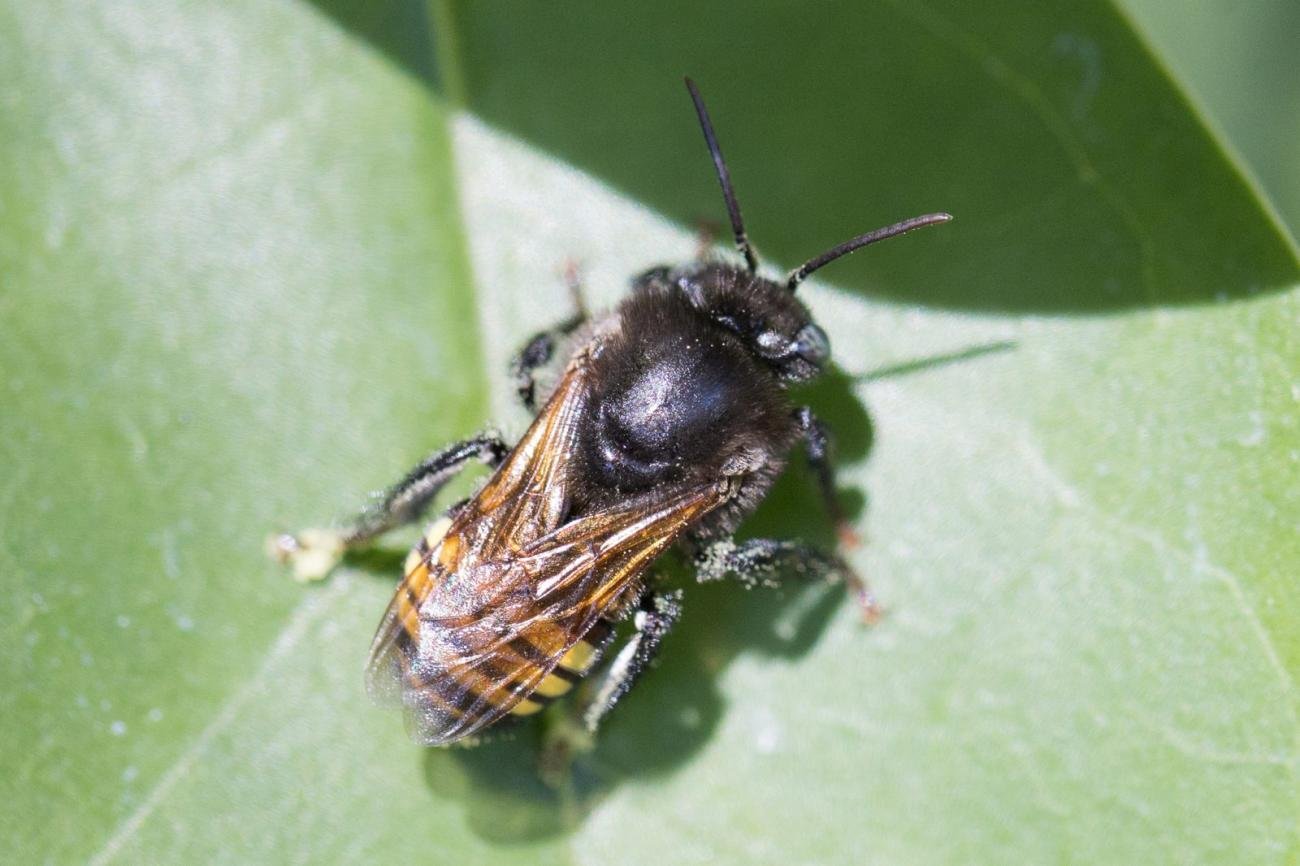
The Yucatán Peninsula is home to the Melipona bee — known locally as Xunan Ka’ab, or “Royal Lady Bee” in Mayan — the only honey bee native to North America, with a documented tradition of Maya honey harvesting going back roughly 3,200 years. Unlike European honeybees, Melipona bees are stingless, which has enabled a genuine, currently active community-based tourism model: several real cooperatives and family operations across Yucatán and neighboring Quintana Roo now offer guided visits to meliponarios (stingless-bee yards), including a women’s cooperative near Punta Laguna and family-run operations near Valladolid pairing honey tastings with traditional Maya food. This tourism model is also functioning as a genuine conservation mechanism — the income from visitor tours has created a direct economic incentive to protect a bee species and a beekeeping tradition that might otherwise decline as land use changes across the region.
New Zealand: The Manuka Honey Visitor Trail
New Zealand’s global reputation for manuka honey has translated into a genuine, currently operating visitor infrastructure rather than just an export industry. The Arataki Honey Visitor Centre in Havelock North, Hawke’s Bay — connected to an operation running roughly 20,000 hives nationwide — offers free self-guided tours and free honey tasting, seven days a week, including large glass observation hives where visitors can watch bees at work. Smaller, more boutique operations add variety across the country: Buzzstop, near Matakana, lets visitors suit up and even uncap, spin, filter, and bottle their own jar of honey directly from the frame, while operators in the Wairarapa and Auckland regions run additional guided apiary and tasting experiences. Because New Zealand’s beekeeping industry is explicitly built around single-varietal honey (manuka, along with rewarewa, kanuka, and others), a New Zealand apiary visit is also one of the more educational stops on this list for understanding how floral source genuinely changes honey character.
Planning Notes for Heritage-Focused Travel
A few practical notes apply across all three destinations: book any guided component in advance where one exists (the Yucatán meliponario tours and New Zealand’s boutique operations both typically require this, while larger visitor centers like Arataki are more walk-in flexible); check seasonal hours specifically for any live observation hive, since colonies are less active outside warmer months in temperate regions; and treat this as a genuine cultural visit, not just a photo opportunity — asking a Maya meliponario host or a Slovenian api-tourist guide about the actual practice behind what you’re seeing is both more respectful and considerably more interesting than a passive walkthrough.
Frequently Asked Questions
Is it safe to visit a Melipona stingless-bee sanctuary with children?
Yes — Melipona bees are stingless by nature, which is specifically why these tours are marketed and run as safe for all ages, including young children, without the protective-gear requirements a European or American honeybee apiary visit involves.
Do I need to speak Spanish to visit a Yucatán meliponario?
It depends on the specific operator — some community and cooperative tours are guided in Spanish only, while others catering more directly to international tourism offer English. Confirm directly with the specific tour operator before booking.
Why is Slovenia specifically known for beekeeping heritage?
Slovenia has an unusually deep, formally recognized tradition: it originated World Bee Day, is home to the indigenous Carniolan honey bee, developed the distinctive painted beehive front panel folk-art tradition, and had its overall beekeeping practice inscribed on UNESCO’s Intangible Cultural Heritage list in 2022 — a level of institutional recognition few other countries’ beekeeping traditions hold.
Is the Arataki Honey Visitor Centre in New Zealand free?
Yes — it offers free self-guided tours and free honey tasting, and is open seven days a week.
How is this article different from this site’s history articles on these same traditions?
This article is a travel-planning guide focused on where you can actually go and what to book today. This site’s separate articles on Slovenia’s painted beehive panels, Maya meliponiculture, and New Zealand’s beekeeping history cover the deeper cultural and historical background behind each tradition rather than current visitor logistics.
This is covered in more depth by UNESCO Intangible Cultural Heritage.