The question of whether to start beekeeping with young children in the house is genuinely different from the question of how to supervise a child at an active hive inspection. A toddler who can’t yet follow instructions or a baby who simply lives in the same yard isn’t being actively supervised near an open hive — the real question is whether keeping bees on the property at all is a reasonable decision given who else lives there, how the hive is placed relative to where young kids actually play, and what the family’s own allergy risk looks like. Published research has found that family members of beekeepers make up a disproportionate share of bee-venom-allergic patients seen in clinical settings, which is worth knowing honestly before deciding, not something to discover after the fact. None of this is meant to discourage a family from keeping bees while raising young children – plenty of families do it successfully – but the decision deserves the same honest, specific weighing of risk that any other backyard consideration would get, rather than either dismissing it or assuming the worst.
This guide covers the honest risk picture for keeping bees with young children in the house, how hive placement relative to play areas actually matters, what the research says about family-member allergy risk, and how to think through the decision if you’re planning to start a hive while your kids are still very young.
Key Takeaways
- This is a different question from active hive-visit supervision — it’s about whether keeping bees at all is reasonable given who lives on the property.
- Published research has found family members of beekeepers represent a meaningful share of bee-venom-allergic patients, a real (if not precisely quantified) elevated risk worth taking seriously.
- Hive placement relative to where young children actually play matters more than almost any other single decision a family makes.
- A documented severe allergy in the family — a parent or child — is a genuine reason to postpone or reconsider starting a hive, not a detail to work around.
- Many families successfully keep bees with young children in the house by treating placement, barriers, and timing as deliberate decisions rather than afterthoughts.
Table of Contents
- Why This Is a Different Question Than Hive Supervision
- What the Research Says About Family-Member Allergy Risk
- Hive Placement Relative to Where Kids Actually Play
- The Realistic Sting Risk During Normal Yard Life
- When It’s Reasonable to Wait
- How Families Make It Work With Young Kids in the House
- Frequently Asked Questions
Why This Is a Different Question Than Hive Supervision
Most advice about beekeeping and kids assumes a child old enough to be brought near the hive under direct supervision — the behavioral rules, the protective gear, the calm-movement habits. A baby or toddler living in a house with a backyard hive is a different situation entirely: they aren’t being actively supervised at the hive because they’re not being brought near it at all, at least not yet. The real question for a family in this position isn’t how to teach a toddler bee safety — it’s whether the hive’s presence on the property creates a background level of risk during ordinary yard life that the family is comfortable with, and what practical steps reduce that risk regardless of how carefully a young child is supervised elsewhere. A family can be genuinely excellent at supervising a child during structured, planned hive visits and still overlook the more mundane, everyday question of where the hive physically sits relative to where that same child spends unsupervised time on an ordinary afternoon.
What the Research Says About Family-Member Allergy Risk
Published clinical research offers a genuinely useful, if sobering, data point here. In one study of bee venom-allergic patients seen over a five-year period, family members of beekeepers made up roughly 10 percent of the total patient group — a disproportionate share given that beekeeping families represent a small fraction of the general population. Researchers examining risk factors for systemic reactions in beekeepers have also specifically identified having a family member with a bee venom allergy as a factor associated with elevated risk. This doesn’t mean every child of a beekeeper will develop an allergy, but it does mean family-member risk is a real, documented pattern worth taking seriously rather than assuming children are simply bystanders with no elevated exposure of their own. A parent weighing this decision might reasonably treat it the way they’d treat any other family health pattern – not a reason to avoid the activity outright, but a genuine factor worth raising with a pediatrician or allergist rather than assuming it doesn’t apply until proven otherwise.
Hive Placement Relative to Where Kids Actually Play
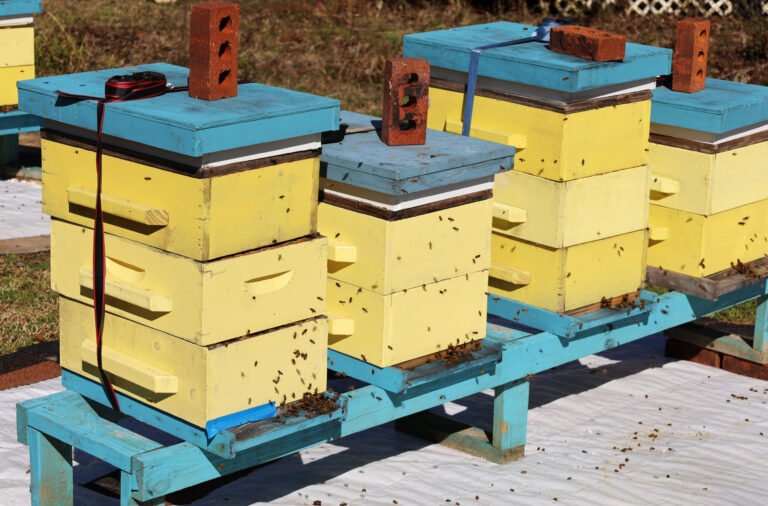
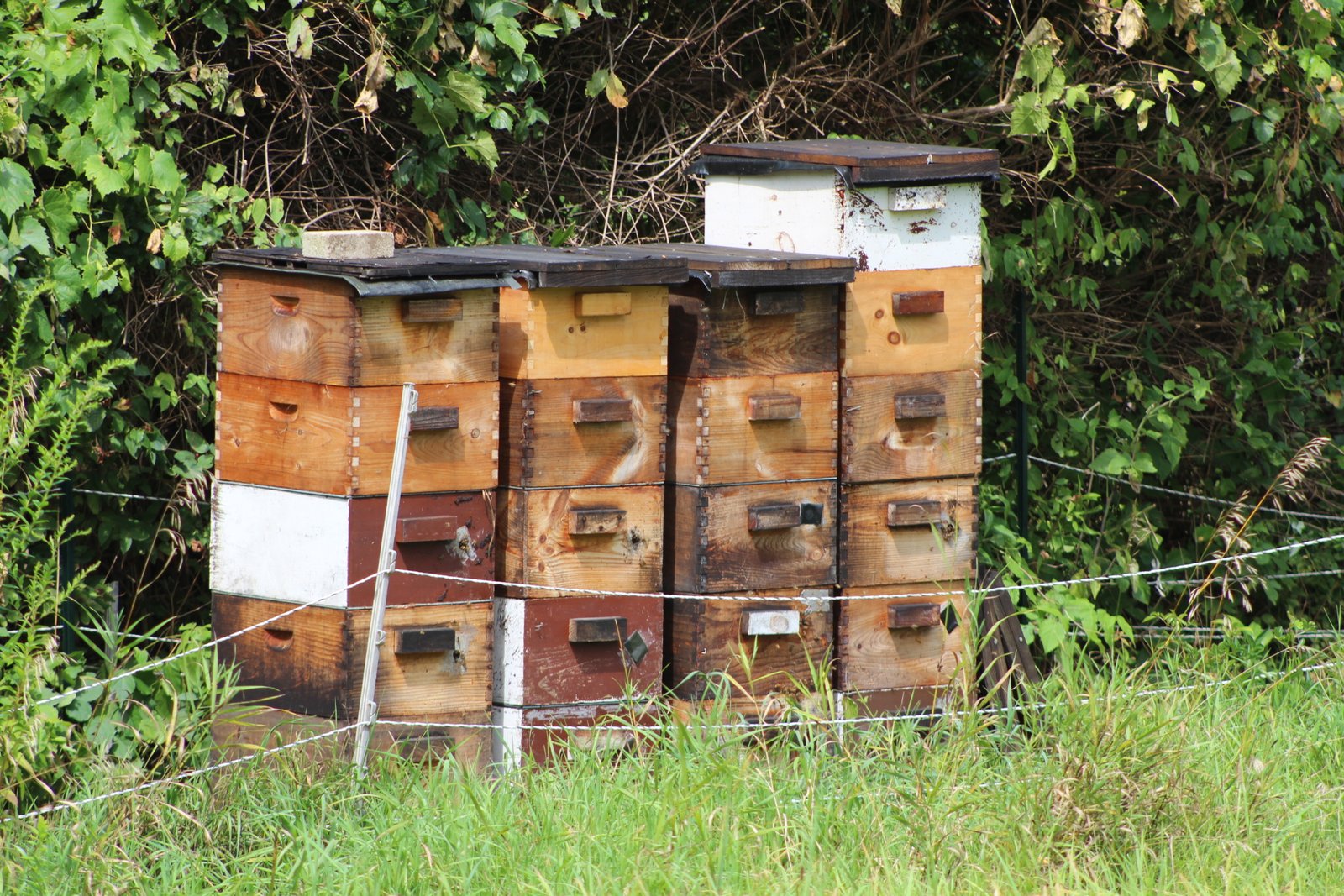
Where a hive sits relative to a young child’s actual play area matters more than almost any other single decision a family makes when keeping bees with toddlers or babies in the house. Placing a hive in a low-traffic corner of the yard, away from a play structure, sandbox, or patio where a young child spends unsupervised time, meaningfully reduces incidental contact regardless of how well-behaved the bees themselves are. A fence or dense hedge around the hive serves two purposes at once: it physically keeps a wandering toddler away from the hive itself, and it directs the bees’ flight path upward and over the barrier rather than out at ground level where a small child would be. Positioning the hive entrance away from a walkway or any area people frequent reduces the chance of incidental disturbance that could make the colony more defensive than it would otherwise be. Families with a smaller yard, where a genuinely large separation isn’t physically possible, should lean more heavily on the barrier itself – a solid fence or dense hedge tall enough to force the flight path well above head height – since distance and barriers can substitute for each other to some degree when a property’s size limits how far apart things can realistically be placed.
The Realistic Sting Risk During Normal Yard Life
Honey bees generally sting only when they perceive a genuine threat to the hive or their food stores, and a young child simply playing in a yard, even one with a hive present, isn’t inherently threatening to a colony going about normal foraging activity. Bees tend to become more defensive around specific triggers — recent hive disturbance, certain weather conditions, particular times in the honey flow — rather than reacting to ordinary background activity like children playing at a reasonable distance. That said, “reasonable distance” is doing real work in that sentence, which is exactly why placement and barriers matter as much as they do; a family that skips those steps is relying on the bees’ general good behavior alone, without the physical safeguards that make an incidental sting genuinely unlikely rather than just statistically uncommon. It’s also worth remembering that colony temperament itself isn’t fixed – a generally calm hive can become noticeably more defensive during a nectar dearth or shortly after a predator disturbance, which is exactly the kind of variability that placement and barriers are meant to buffer against, since they work regardless of the colony’s mood on any given day.
When It’s Reasonable to Wait
A documented severe allergy in the family — in a parent, an older sibling, or the young child themselves if it’s already known — is a genuine reason to postpone starting a hive rather than a detail to simply work around with extra caution. Families with a very young child who has significant unsupervised outdoor time, a yard too small to create meaningful separation between hive and play area, or genuine uncertainty about committing to the fencing and placement precautions covered above may reasonably decide to wait a year or two rather than start now. Waiting isn’t a permanent decision either – many families revisit the question once a young child moves past the unsupervised-wandering toddler stage, at which point the property, the family’s comfort level, and the practical logistics of adding a hive can all look meaningfully different than they did a year or two earlier. None of this means beekeeping and young children are fundamentally incompatible — it means the decision deserves the same honest weighing of risk and practical constraint that any other backyard hazard would get, rather than either dismissing the concern entirely or assuming bees and toddlers can never coexist safely.
How Families Make It Work With Young Kids in the House
Many families do successfully keep bees while raising young children, and the pattern among those who do it well is fairly consistent: deliberate hive placement decided before the bees arrive, a physical barrier between the hive and the main play area, informing any regular caregivers, neighbors, or visiting family about the hive’s location, and treating the decision as something to revisit as children grow rather than a one-time choice made permanently at the start. As children move from the toddler stage into the age range where supervised hive visits become genuinely possible, the household’s whole relationship to the hive tends to shift naturally from a passive safety consideration into an active, shared family activity. Our guide to beekeeping safety rules for kids picks up exactly where this transition happens, covering the behavioral rules and supervision approach once a child is old enough to be brought near the hive directly rather than simply living alongside it in the yard.
Frequently Asked Questions
Is it safe to keep bees with a baby or toddler in the house?
It can be, with deliberate hive placement away from play areas, physical barriers, and honest awareness of family allergy history — it’s a decision worth weighing carefully rather than assuming either way.
Are children of beekeepers actually at higher allergy risk?
Published research has found family members of beekeepers represent a disproportionate share of bee-venom-allergic patients in clinical studies, making this a real, documented consideration.
How far should a hive be from a young child’s play area?
As far as practical within the yard, ideally in a low-traffic corner with a fence or hedge barrier directing the flight path upward and away from ground-level play.
Should I wait to start beekeeping until my kids are older?
It’s reasonable to wait if there’s a documented family allergy, limited yard space for separation, or uncertainty about committing to proper placement and barriers.
Is normal yard play near a hive likely to result in stings?
Bees generally aren’t defensive during ordinary activity at a reasonable distance, but placement and barriers still matter since they’re what actually keeps that distance reliable.
FAQ
Is it safe to keep bees with a baby or toddler in the house?
It can be, with deliberate hive placement, physical barriers, and honest awareness of family allergy history.
Are children of beekeepers actually at higher allergy risk?
Published research has found family members of beekeepers represent a disproportionate share of bee-venom-allergic patients in clinical studies.
How far should a hive be from a young child’s play area?
As far as practical, ideally in a low-traffic corner with a fence or hedge barrier directing the flight path upward.
Should I wait to start beekeeping until my kids are older?
It’s reasonable to wait if there’s a documented family allergy or limited yard space for separation.
Is normal yard play near a hive likely to result in stings?
Bees generally aren’t defensive during ordinary activity at a reasonable distance, but placement and barriers still matter.