Beekeeping is one of the rare homeschool unit topics that genuinely spans nearly every core subject at once, without forcing the connection. A hive naturally pulls in biology (colony structure, pollination, insect life cycles), math (measuring honey yield, calculating hive-box dimensions, tracking seasonal population changes), economics (the real cost of starting and running an apiary, or even a small honey-sale business), geography and ecology (foraging range, regional nectar flows, native versus non-native plants), and language arts (keeping a hive journal, writing up observations). For families building their own curriculum around it, the challenge isn’t finding academic content to attach to beekeeping — it’s organizing the genuinely large amount of available material into something usable. That organizing challenge is exactly what this guide is meant to solve, laying out a practical structure a family can adapt rather than starting from a blank page with a general “let’s study bees” idea and no clear plan for how to actually build it out.
This guide covers how to structure a beekeeping unit study across core subjects, existing curriculum resources worth using rather than building from scratch, how hands-on hive access (your own, a relative’s, or a 4-H project) changes what’s possible, whether beekeeping can count toward a formal science credit, and age-appropriate ways to scale the material.
Key Takeaways
- Beekeeping naturally supports science, math, economics, geography, and language arts content within a single unit, without forcing artificial connections.
- Several complete unit-study packages already exist for different age ranges, which can save significant planning time compared to building one from scratch.
- Hands-on hive access — whether a family’s own hive, a relative’s, or a local 4-H beekeeping project — meaningfully deepens what a curriculum can cover versus book-only study.
- Beekeeping content can support a formal agricultural science credit in many homeschool programs, particularly when documented with labs, records, and assessments.
- The same core topic can scale from a simple sensory-bin activity for young children to a genuinely rigorous biology and business unit for a high schooler.
Table of Contents
- Why Beekeeping Works So Well as a Unit Study
- Breaking It Down by Subject
- Existing Curriculum Resources Worth Using
- Why Hands-On Hive Access Changes Everything
- Can Beekeeping Count Toward a Science Credit?
- Scaling the Material by Age
- Using State Extension Resources
- Frequently Asked Questions
Why Beekeeping Works So Well as a Unit Study
Most homeschool unit studies require some deliberate stretching to connect a single topic across multiple subjects convincingly. Beekeeping mostly avoids that problem, since a real, functioning colony is simultaneously a biological system, an economic enterprise, and a genuinely interesting subject to write and read about. This makes it well suited to a true cross-curricular unit rather than a science lesson with a few token math problems tacked on, and it’s part of why so many complete unit-study packages already exist specifically built around bees and beekeeping. Compare this to a topic like, say, a single historical event or a narrow scientific process – those can certainly support cross-curricular study too, but usually only with real effort to manufacture connections to math or economics that don’t arise naturally the way they do with a functioning, seasonal, economically real system like a beehive.
Breaking It Down by Subject
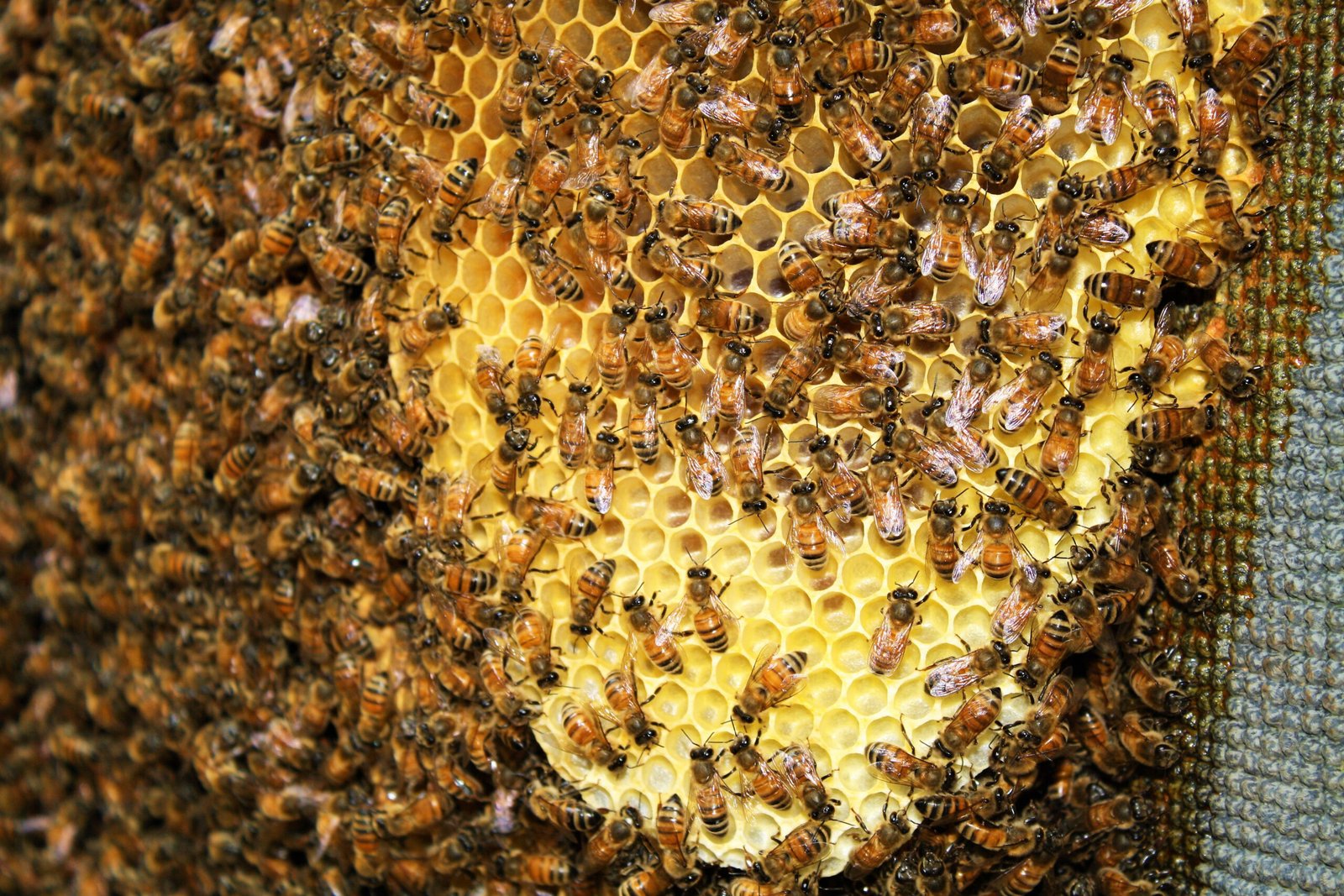
Science is the obvious anchor — colony structure and caste roles, the honey bee life cycle, pollination biology, and basic entomology all fit naturally, and a family with hive access can add real observation and data collection on top of the book learning. Math shows up in measuring hive-box dimensions, calculating honey yield by weight or volume, tracking population growth across a season, and — for older students — working through the actual startup and ongoing costs of a hobby apiary. Economics and business fit for older students specifically interested in the commercial side: cottage food labeling rules, basic profit-and-loss tracking for honey sales, and supply-and-demand questions tied to local honey pricing. Geography and ecology cover foraging range, regional nectar flows through the seasons, and the difference between native pollinators and managed honey bees. Language arts rounds it out naturally through a hive observation journal, research writing on a specific bee-related topic, or even persuasive writing arguing for or against a local beekeeping ordinance. History fits in too for families who want to include it, since beekeeping has a genuinely long documented past stretching back to ancient civilizations, offering a natural bridge into broader units on ancient Egypt, medieval Europe, or the history of agriculture more generally, depending on what else a family’s curriculum already covers that year.
Existing Curriculum Resources Worth Using
Building a full unit from scratch isn’t necessary given how much material already exists. Several publishers offer complete, ready-to-use beekeeping unit studies spanning multiple weeks and covering core subjects together, some specifically designed for a wide age range within the same family, letting siblings of different ages work through related material at their own level simultaneously. Shorter, more focused options exist too — several-week bee-specific units built around getting familiar with basic biology and hive structure before moving into broader ecological and economic questions. Starting from one of these existing frameworks and customizing it with your own family’s hive access, local extension resources, or specific interests tends to save considerably more time than building an entire multi-week unit independently. It’s worth previewing any purchased package before committing a full unit’s worth of weeks to it, since depth and rigor vary considerably between offerings – some lean heavily toward craft and sensory activities suited to younger children, while others include genuine data-collection and research components better matched to an older student.
Why Hands-On Hive Access Changes Everything
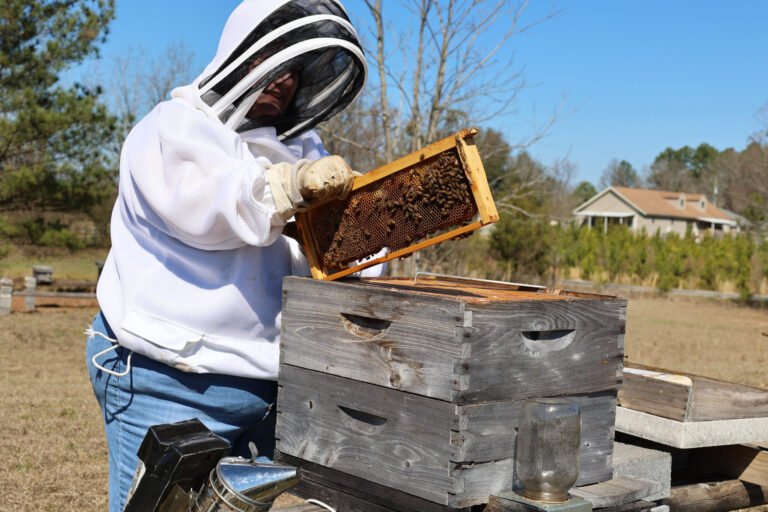
A beekeeping unit built entirely from books and worksheets is genuinely useful, but it’s a meaningfully different experience than one built around actual hive access — whether that’s a family’s own hive, a relative’s or family friend’s apiary the kids can visit, or participation in a local 4-H beekeeping project. Real observation adds a layer no printed material can fully replace: watching actual foraging behavior, seeing a real inspection, and experiencing the genuine seasonal rhythm of colony management rather than reading a description of it. Families without their own hive shouldn’t assume a rich hands-on unit is out of reach, though — many local beekeeping associations welcome visitors for open-hive days specifically aimed at education, and a 4-H beekeeping project, where available locally, provides structured, ongoing hands-on access without requiring a family to start their own apiary first. A local beekeeping association is also often glad to have a homeschool family reach out directly, since introducing young people to the hobby is generally something experienced beekeepers enjoy doing and many clubs already run informal mentorship or open-hive programs specifically for this purpose.
Can Beekeeping Count Toward a Science Credit?
In many homeschool programs and states, yes — a well-documented beekeeping unit can support a formal agricultural or life science credit, particularly when it includes real labs, observation records, and assessments rather than just reading and discussion. Dedicated agricultural science curricula built specifically for homeschoolers exist that are designed to meet national ag-education standards and can be completed without owning a working farm, structured around a full-year format with labs and documentation intended to satisfy credit requirements in most states. Requirements for what counts as a credit-worthy course vary meaningfully by state and by any umbrella school or co-op a family works with, so confirming the specific documentation standard expected — typically some combination of hours logged, assignments completed, and a basic assessment — before assuming a beekeeping unit alone will satisfy a full science credit is worth doing early in the planning process. Keeping a simple running log from the very first week of the unit – dates, hours spent, topics covered, and any assessments completed – makes assembling that documentation at the end far less painful than trying to reconstruct months of work retroactively once a transcript or portfolio deadline is approaching.
Scaling the Material by Age
The same core topic scales remarkably well across a wide age range within one family. Young children can engage through sensory activities, simple bee-anatomy coloring and labeling, picture books, and basic vocabulary building, without needing to grasp colony economics or pollination biology in any depth. Elementary-age students can take on structured notebooking, basic life-cycle diagrams, and simple hands-on activities like building a small bee-friendly garden bed. Middle and high school students can move into genuine biology depth, real data collection if hive access is available, economics and business math tied to honey production, and research-level writing — potentially building toward the kind of documented, credit-worthy course covered above. A family with children spanning several of these stages can often run a single unit at different depths simultaneously – a younger sibling coloring a labeled bee diagram while an older one calculates projected honey yield from hive-inspection data – which is part of what makes beekeeping such an efficient topic for a multi-age homeschool household specifically.
Using State Extension Resources
University agricultural extension programs are an underused resource for homeschool beekeeping units, and many offer genuinely rigorous, free or low-cost material beyond what a typical curriculum publisher provides. Penn State Extension’s beekeeping program, for example, offers science-based resources designed for beginning and hobbyist beekeepers that work well as supplementary reading for an older student, while land-grant universities across the country maintain similar entomology and beekeeping-specific extension content, much of it written specifically to be accessible to a motivated non-expert. These resources also tend to stay more current on regional pest and disease issues than a general-purpose curriculum publisher would, which matters for a family with an actual working hive to manage alongside the coursework. Reaching out to a local extension office directly, rather than relying solely on general web searches, often turns up region-specific guidance – local nectar flow timing, regional pest pressures, even in-person workshops – that a generic national curriculum simply can’t provide.
Frequently Asked Questions
Do I need my own hive to teach a homeschool beekeeping unit?
No. A rich unit can be built from books, curriculum packages, and extension resources alone, though hands-on access through a family hive, a relative’s apiary, or a local 4-H project meaningfully deepens the experience.
Can beekeeping count as a formal science credit?
Often yes, particularly when documented with labs, records, and assessments, though specific credit requirements vary by state and by any umbrella school or co-op involved.
What age is beekeeping curriculum appropriate for?
The core topic scales from simple sensory and picture-book activities for young children through genuinely rigorous biology and economics content for high schoolers.
Are there ready-made beekeeping unit studies available?
Yes, several publishers offer complete multi-week unit studies spanning core subjects, often designed to work across multiple ages within the same family.
What subjects does a beekeeping unit naturally cover?
Science, math, economics, geography and ecology, and language arts all connect naturally to beekeeping without requiring forced curriculum stretching.
FAQ
Do I need my own hive to teach a homeschool beekeeping unit?
No. A rich unit can be built from books and curriculum packages alone, though hands-on access deepens the experience.
Can beekeeping count as a formal science credit?
Often yes, particularly when documented with labs, records, and assessments, though requirements vary by state.
What age is beekeeping curriculum appropriate for?
It scales from simple sensory activities for young children through rigorous biology and economics content for high schoolers.
Are there ready-made beekeeping unit studies available?
Yes, several publishers offer complete multi-week unit studies spanning core subjects.
What subjects does a beekeeping unit naturally cover?
Science, math, economics, geography and ecology, and language arts all connect naturally.