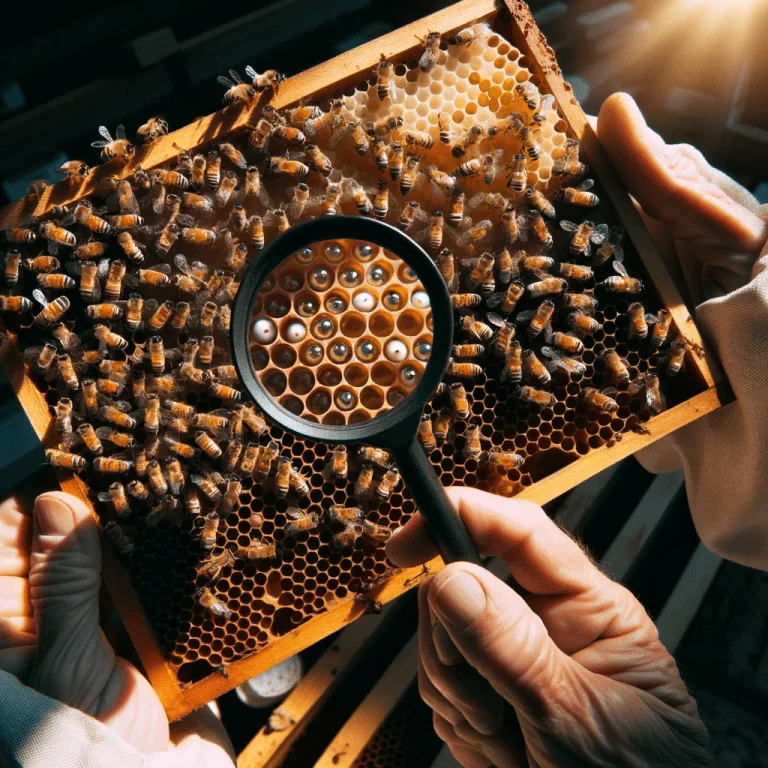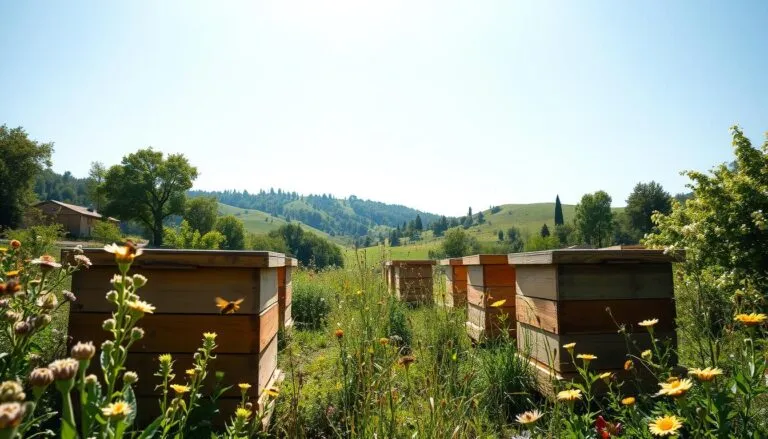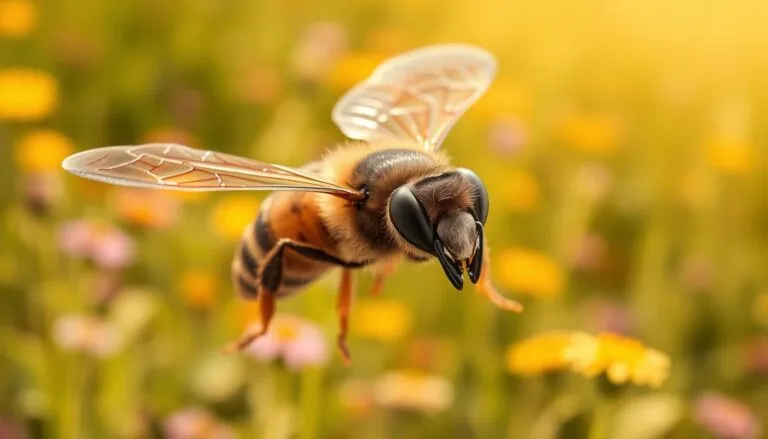

Honeybees, known scientifically as Apis mellifera, have played a pivotal role in the ecosystem and human civilization. Their evolutionary journey is a testament to their resilience, adaptability, and importance.This article delves deep into honeybee evolution and history , exploring their origins, genetic diversity, and the factors that have shaped their existence.
Key Takeaways:
- Honeybees originated from the Middle East or North Eastern Africa.
- They have undergone significant diversification throughout their evolutionary history.
- Genetic studies have been instrumental in tracing the evolutionary trajectory of honeybees.
- Honeybees play a crucial role in pollination, contributing significantly to global agriculture.
Honeybee Evolution and History:Origins of the Honeybee

The western honey bee, Apis mellifera, is renowned for its critical pollination services to agricultural crops globally. Despite the substantial interest and prior investigation, the early evolution and subsequent diversification of this essential pollinator remain uncertain. Primary hypotheses place the origin of A. mellifera in either Asia or Africa, with subsequent radiations emanating from one of these regions. However, recent studies suggest an origin in the Middle East or North Eastern Africa, with the A and Y lineages representing the earliest branching lineages.
Genetic Diversity and Lineages
Across its native range, A. mellifera showcases substantial genetic and phenotypic variation. At least 26 morphologically and geographically distinct subspecies have been identified. Genetic studies have strongly supported the existence of four distinct lineages, namely M, C, O, and A. More recently, a fifth lineage, Y, was identified from northeastern Africa and the Middle East. However, the relationships among these lineages and the evolutionary trajectories that led to their diversification into geographically distinct populations remain a topic of debate.
Evolutionary Trajectories
The genus Apis houses ten distinct species, most of which are spread across Asia. The western honey bee, Apis mellifera, historically spanned sub-Saharan Africa, Europe, parts of western Asia, and the Middle East. This species is believed to have split from its close relative, A. cerana, between 6 and 25 million years ago. As European settlers colonized different parts of the globe, various lineages of A. mellifera were transported and established, leading to the naturalization of multiple interbreeding lineages.
Importance in Agriculture
The western honey bee, Apis mellifera, stands as the most vital insect pollinator of agricultural crops worldwide. Numerous food commodities, such as almonds, apples, and watermelons, heavily or exclusively rely on honey bees for fruit, vegetable, or seed production. In the United States alone, the value of honey bee pollination services is estimated between 10 and 14 billion dollars annually.
Honeybee Evolution and History:Challenges in Understanding Evolution
Despite the critical importance of honey bee genetic diversity for breeding practices and food security, our current understanding of the demographic history and evolutionary origin of contemporary honey bee populations remains unclear. The debate arises due to conflicting pieces of evidence that variously support the origin of A. mellifera in Asia, the Middle East, or Africa.
Genetic Studies and Insights
Recent genetic studies have attempted to resolve the evolutionary origin of honeybees using population genomic tools. These studies have provided fundamental knowledge about genetic diversity within Old World honey bee populations and offer insight into the complex history of this essential pollinator.
Honeybee Evolution and History
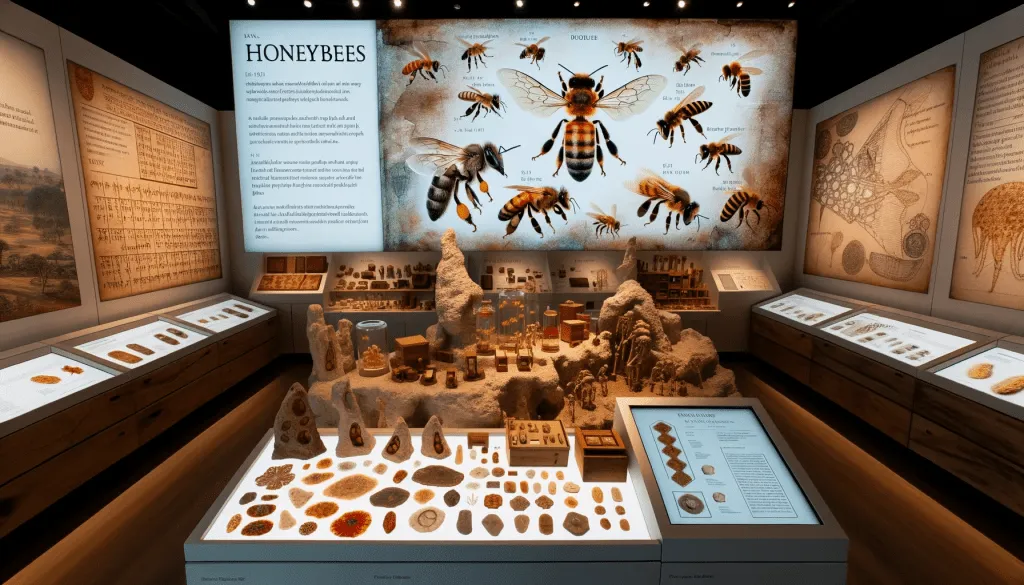
Genetic Markers in Honeybees
Genetic markers have been instrumental in understanding the evolutionary history of honeybees. These markers, which are specific sequences of DNA, can be used to trace lineage, determine genetic diversity, and provide insights into the evolutionary processes that have shaped the honeybee species. With the advent of advanced genetic tools, researchers have been able to identify specific markers that are unique to different subspecies of honeybees, shedding light on their evolutionary relationships and origins.
Role in the Ecosystem
Honeybees play a pivotal role in the ecosystem, primarily through their pollination services. They are responsible for the pollination of a vast array of plants, ensuring the reproduction of many species. This, in turn, supports a diverse range of wildlife, as these plants provide food and habitat. Moreover, honeybees contribute to the genetic diversity of the plants they pollinate, leading to healthier and more resilient plant populations.
Honeybee Evolution and History:Modern Challenges
In recent years, honeybees have faced numerous challenges that threaten their survival. These challenges include habitat loss, pesticides, diseases, and climate change. The decline in honeybee populations has far-reaching implications, not just for the bees themselves but also for the broader ecosystem and human food sources. Efforts are being made globally to address these challenges, with research focusing on understanding the causes and finding sustainable solutions.
Honeybee Communication
One of the fascinating aspects of honeybees is their sophisticated communication system. Through the famous “waggle dance,” bees can communicate the location of food sources to their hive mates. This dance, which involves a series of movements and vibrations, conveys information about the direction and distance of the food source. Recent studies have shown that this dance has evolved over time, adapting to the specific needs and environments of different honeybee subspecies.
Adaptations Over Time
Honeybees have exhibited remarkable adaptability throughout their evolutionary history. From their origins in tropical climates to their spread across diverse habitats, they have developed a range of adaptations to survive and thrive. These adaptations include changes in their physiology, behavior, and even their genetic makeup. For instance, certain subspecies have evolved to tolerate colder climates, while others have developed resistance to specific diseases.
The Spread of Honeybees
The spread of honeybees across the globe is a testament to their adaptability and resilience. As humans migrated and established settlements in new regions, they often brought honeybees with them. These bees, in turn, adapted to their new environments, leading to the emergence of distinct subspecies. Today, honeybees can be found on every continent except Antarctica, playing a crucial role in ecosystems worldwide.
Summary:
The western honey bee, Apis mellifera, is a vital pollinator for agricultural crops globally. Despite its significance, the early evolution and diversification of this pollinator remain uncertain. The primary hypotheses suggest its origin in either Asia or Africa. This study used multiple genome datasets to investigate the ancestry patterns in native honey bee populations from Europe, Africa, and the Middle East. The findings support an origin in the Middle East or North Eastern Africa. The study also delves into how previous research reached various conclusions based on incomplete sampling and emphasizes the importance of comprehensive sampling in understanding evolutionary processes.
Thought-Provoking Questions/Insights:
- Origin Discrepancy: With the primary hypotheses placing the origin of A. mellifera in either Asia or Africa, how does the new evidence pointing towards the Middle East or North Eastern Africa reshape our understanding of honey bee evolution?
- Genetic Diversity: Given the genetic diversity within Old World honey bee populations, how can this knowledge be applied to improve honey bee breeding practices and ensure the health of these essential pollinators?
- Sampling Importance: How might incomplete sampling in previous studies have led to varied conclusions, and what does this teach us about the importance of comprehensive data in scientific research?