
Published September 1, 2026
Table of Contents
- The Short Answer
- Who Actually Needs This Treatment
- How Venom Immunotherapy Actually Works
- The Build-Up Phase
- The Maintenance Phase
- How Effective Is It, Honestly?
- How Long Treatment Typically Lasts
- Real Risks Worth Knowing About
- Why This Isn’t the Same as Bee Venom Therapy
- Common Mistakes
- How the Allergy Is Diagnosed First
- Single Venom vs. Double-Positive Testing
- The Quality-of-Life Case for Treatment
- Cost and Access Considerations
- Newer Approaches Being Studied
- A Note Specifically for Beekeepers
- What Happens If Treatment Stops Early
- A Note on Children and Venom Immunotherapy
- Related Safety Guidance Worth Reviewing
- A Brief History of the Treatment
- A Note on Travel and Ongoing Treatment
The Short Answer
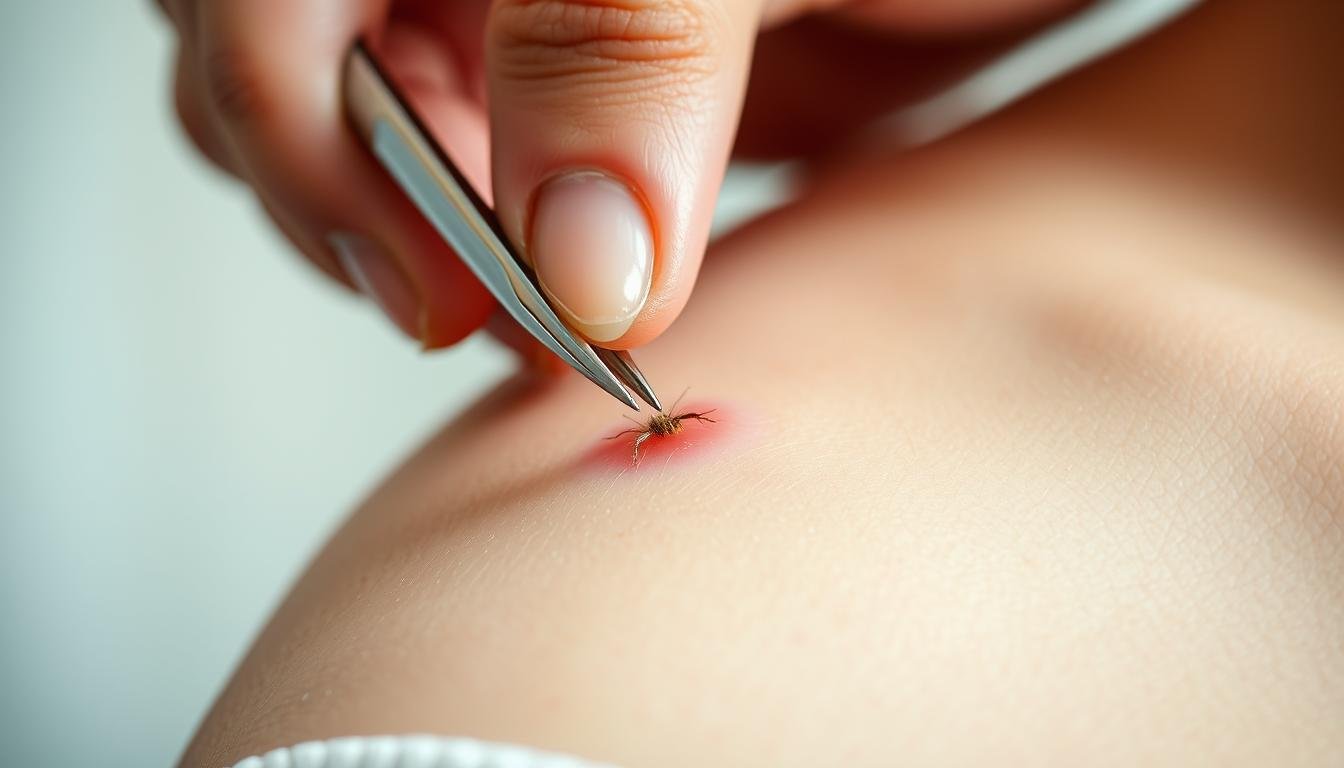
Bee venom immunotherapy (VIT) is a real, well-established medical treatment that gradually desensitizes people with a documented severe allergy to bee stings, using a series of controlled injections of purified venom under medical supervision. It’s genuinely effective for most patients who receive it, though it requires years of commitment and carries real, honestly-worth-knowing risks. This article is informational, not a substitute for evaluation and treatment by a qualified allergist.
Who Actually Needs This Treatment
Venom immunotherapy is indicated specifically for patients who have already experienced a severe systemic allergic reaction to an insect sting, generally classified using the Mueller grading scale at grade 3 or 4, indicating reactions well beyond a normal local sting response like significant swelling. This is not a treatment for people who simply dislike being stung or experience typical local swelling and pain; it’s reserved for patients with a documented, confirmed history of serious, potentially life-threatening allergic reactions.
How Venom Immunotherapy Actually Works
The treatment works by injecting gradually increasing doses of purified bee venom under the skin over time, training the immune system to tolerate venom exposure without triggering the severe allergic cascade a sting would otherwise cause in a sensitized patient. This is a genuine form of desensitization, conceptually similar to other allergen immunotherapy but using bee venom specifically as the controlled allergen rather than pollen, dust, or another common allergen source.
The Build-Up Phase
Treatment begins with a build-up phase, historically taking 8 to 12 weeks of regular injections at gradually increasing doses, though modern protocols and improved venom extracts have allowed many practitioners to shorten this phase considerably for patient comfort and convenience. This phase carries the highest risk of an allergic reaction during treatment itself, since the patient’s immune system is actively being challenged with increasing venom exposure before full tolerance is established.
The Maintenance Phase
Once a patient reaches the target maintenance dose, typically around 100 micrograms of venom, injections continue on a regular schedule, commonly every 4 weeks during the first year and then often extended to every 6 to 8 weeks, or in some cases even every 3 months, in subsequent years. The maintenance phase carries meaningfully lower reaction risk than the build-up phase, since the immune system has already adapted to tolerate the target dose by this point.
How Effective Is It, Honestly?
Venom immunotherapy is genuinely effective for most patients, with roughly 80% of treated patients protected from future systemic reactions, and real-world data showing only about 2.7% of treated patients experiencing a subsequent systemic reaction to a sting compared to nearly 40% of untreated allergic individuals. That said, honest reporting on this treatment should note that therapeutic failure still occurs in an estimated 16 to 25% of patients, meaning it’s a strong but not universally guaranteed protection.
How Long Treatment Typically Lasts
Most patients continue venom immunotherapy for 3 to 5 years total, with research showing that 80 to 90% of patients who complete this full course remain protected even after stopping treatment, and longer treatment duration (50 or more months) associated with meaningfully lower reaction rates than shorter courses. This multi-year commitment is a genuine, significant undertaking worth factoring into any decision about starting treatment, not a quick or one-time fix.
Real Risks Worth Knowing About
Allergic side effects from the treatment itself do occur, and research indicates these reactions happen notably more often with bee venom immunotherapy specifically, roughly 3 to 6 times more frequently, than with immunotherapy for wasp venom allergy, an honest detail worth knowing rather than glossing over. This is exactly why the treatment is administered under direct medical supervision, typically in a clinical setting equipped to manage a reaction immediately if one occurs, rather than something attempted independently.
Why This Isn’t the Same as Bee Venom Therapy
Venom immunotherapy should not be confused with bee venom therapy or apitherapy, the separate practice of using bee stings or venom for purported pain-relief or arthritis benefits; immunotherapy is a rigorously controlled medical desensitization treatment using purified, standardized venom extract administered by trained medical professionals specifically to treat a diagnosed allergy, an entirely different context, purpose, and safety profile from informal or alternative-medicine venom use.
How the Allergy Is Diagnosed First
Before starting venom immunotherapy, an allergist confirms the diagnosis through a combination of detailed reaction history, skin testing with purified venom extract, and often blood tests measuring venom-specific antibody levels, ensuring the treatment is genuinely appropriate for the specific patient’s confirmed allergy rather than assumed from symptoms alone. This diagnostic step matters because not every strong reaction to a sting indicates the kind of systemic allergy venom immunotherapy is designed to treat.
Single Venom vs. Double-Positive Testing
Some patients test positive to both honey bee venom and wasp (Vespula) venom during allergy testing, a situation requiring careful clinical judgment about whether treatment should target one venom specifically or both. Research has found that single venom-based immunotherapy can effectively protect patients who test double-positive to both honey bee and wasp venom, meaning treatment decisions in these more complex cases are generally guided by the patient’s actual reaction history rather than testing results alone.
The Quality-of-Life Case for Treatment
Beyond the direct medical protection against future systemic reactions, venom immunotherapy has documented benefits for patients’ overall quality of life, since living with a known severe sting allergy without treatment often means significant anxiety around outdoor activities, gardening, or any setting where an unexpected sting is possible. This psychological and lifestyle dimension is a genuine part of the case for treatment beyond the raw statistical protection numbers alone.
Cost and Access Considerations
Venom immunotherapy requires regular visits to an allergist’s office over several years, a real practical and financial commitment that should factor into any patient’s decision alongside the medical case for treatment. Insurance coverage for venom immunotherapy varies, making it worth confirming coverage details directly with both an allergy practice and an insurance provider before committing to the full multi-year treatment course.
Newer Approaches Being Studied
Researchers have been studying newer delivery methods, including intralymphatic immunotherapy, which injects venom allergen directly into a lymph node rather than under the skin, aiming to achieve protective results with fewer total injections and a shorter overall treatment timeline than conventional subcutaneous venom immunotherapy. This approach remains an active area of clinical research rather than a widely available standard treatment, but it reflects ongoing efforts to make venom immunotherapy more convenient without sacrificing effectiveness.
A Note Specifically for Beekeepers
Beekeepers face meaningfully higher cumulative sting exposure than the general population simply through the nature of the hobby or profession, making a documented severe reaction history particularly worth discussing with an allergist given how much harder avoiding all future stings realistically is for someone who works around bees regularly. Some beekeepers with a confirmed severe allergy choose to continue beekeeping after completing venom immunotherapy specifically because the treatment’s protection makes that continued exposure meaningfully safer than it would be otherwise.
What Happens If Treatment Stops Early
Stopping venom immunotherapy before completing the recommended 3-to-5-year course generally means less durable long-term protection than research shows for patients who complete the full recommended duration, with shorter treatment courses (33 to 49 months) showing higher subsequent reaction rates than longer courses in comparative research. Anyone considering stopping treatment early for any reason should discuss the decision directly with their allergist rather than discontinuing unilaterally, given the real difference in protection duration this research has documented.
A Note on Children and Venom Immunotherapy
Venom immunotherapy is also used in children with a confirmed severe systemic reaction history, following the same core protocol and evidence base as adult treatment, though pediatric dosing and monitoring involve their own specific clinical considerations best determined by a pediatric allergist rather than general population data alone. Parents of a child with a documented severe sting reaction should raise venom immunotherapy directly with their child’s allergist rather than assuming it’s an adults-only treatment.
Related Safety Guidance Worth Reviewing
This article covers the medical treatment for an already-diagnosed severe allergy; for broader practical guidance on handling stings safely and recognizing allergic reaction symptoms in the first place, our general guide on handling bee stings and allergies safely covers that foundational ground in more detail. Both articles are worth reading together for a fuller picture, from initial sting recognition through to the formal medical treatment pathway for confirmed severe allergy cases.
A Brief History of the Treatment
Venom immunotherapy has been used clinically for decades, evolving substantially since its early development as researchers refined venom extraction and purification methods, improved dosing protocols, and accumulated the kind of long-term outcome data that now supports its strong, well-established safety and efficacy profile. This decades-long track record is part of why it’s considered the only genuinely disease-modifying treatment available for severe insect sting allergy, rather than a newer or still-experimental approach.
A Note on Travel and Ongoing Treatment
Patients partway through a multi-year maintenance schedule who travel or relocate can generally continue treatment by transferring care to another allergy practice, since the maintenance protocol is standardized enough that a new provider can pick up where a previous one left off with proper medical records. Anyone planning an extended trip or a move during their treatment course should coordinate this transition with their current allergist well in advance rather than allowing a gap in the maintenance schedule to occur unplanned. Bringing a copy of the treatment protocol and recent injection dates to the first appointment with a new provider generally smooths this handoff considerably, since it gives the receiving allergist a clear, immediate picture of exactly where the patient stands in their overall course. This kind of practical continuity planning is a small but genuinely important part of successfully completing a multi-year treatment course, easy to overlook amid the bigger medical decisions but capable of causing real, avoidable disruption to an otherwise carefully managed treatment plan if it gets left unaddressed until the very last possible minute right before an already firmly booked, non-refundable, and fully paid-for departure date. A quick phone call weeks ahead of time avoids that entirely.
Common Mistakes
Assuming venom immunotherapy is necessary for anyone who experiences normal local swelling and discomfort from a sting misunderstands that this treatment is specifically reserved for documented severe systemic allergic reactions, not typical sting responses. Confusing venom immunotherapy with informal apitherapy or bee-sting-based alternative medicine conflates a rigorously tested medical treatment with an entirely different, less regulated practice. Underestimating the multi-year commitment and real, if lower-probability, treatment-related risks involved sets up unrealistic expectations for what starting this treatment actually entails.
Sources
Clinical findings reflect published peer-reviewed research on venom immunotherapy efficacy, safety, dosing protocols, and Mueller grading criteria for systemic allergic reactions to insect stings.
FAQ
Who actually needs bee venom immunotherapy?
It’s specifically indicated for patients who’ve experienced a documented severe systemic allergic reaction to a sting (Mueller grade 3 or 4), not for people with typical local swelling or discomfort from stings.
How effective is venom immunotherapy?
Roughly 80% of treated patients are protected from future systemic reactions, though therapeutic failure still occurs in an estimated 16 to 25% of patients, making it strong but not universally guaranteed.
How long does venom immunotherapy treatment last?
Most patients continue treatment for 3 to 5 years, after which 80 to 90% of those who complete the full course remain protected even after stopping.
Is bee venom immunotherapy the same as apitherapy or bee sting therapy?
No. Immunotherapy is a rigorously controlled medical treatment for a diagnosed severe allergy, administered by medical professionals using standardized venom extract, entirely distinct from informal apitherapy practices.

