Published August 31, 2026
Table of Contents
- Why Brand Matters for a Simple-Seeming Tool
- Mann Lake
- Goodland Bee Supply
- Budget and DIY-Style Options
- Side-by-Side Comparison
- Glazing and Insulation Quality
- Capacity and Batch Size
- Which Climates Get the Most Value
- Who Should Buy vs. Build Their Own
- Wood vs. Metal Construction
- Internal Tray and Wax-Collection Design
- Positioning and Angling for Maximum Sun Exposure
- Effect on Final Wax Quality and Color
- What You Can (and Shouldn’t) Melt in One
- Cleaning and Maintenance
- Off-Season Storage
- Buying Used
- Running Multiple Units for Larger Volume
- Protecting Stored Wax From Pests
- Checking Real User Reviews Before Buying
- Assembly and Setup Time
- Common Mistakes
Why Brand Matters for a Simple-Seeming Tool
Our guides to the best solar wax melter for backyard beekeepers and rendering cappings wax cleanly cover the general approach; this guide compares specific named commercial options, since glazing quality, insulation, and internal tray design genuinely affect melting efficiency and wax purity even though a solar melter looks like a simple box on the surface.
Mann Lake
Mann Lake, one of the largest and longest-established U.S. beekeeping supply companies, offers solar wax melters alongside its broader equipment catalog, with the practical advantage of being easy to source through an already-familiar supplier for beekeepers already buying other equipment there. Its solar melter models are generally solidly built for the price, positioned toward hobbyist and small-scale sideline use rather than high-volume commercial wax processing.
Goodland Bee Supply
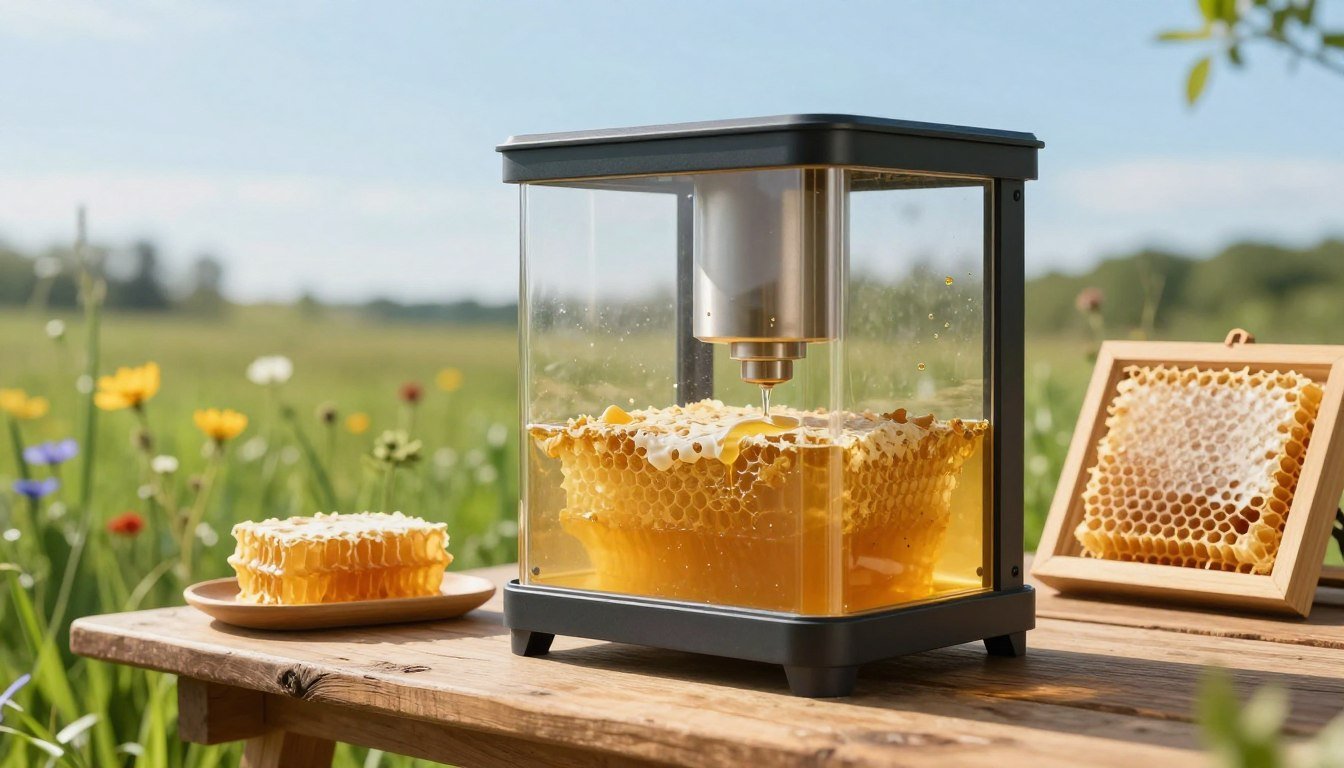
Goodland Bee Supply is a smaller specialty beekeeping equipment maker known within the community for detail-oriented, well-constructed hobbyist equipment, including solar wax melters that some beekeepers specifically favor for tighter build quality and more efficient heat retention compared to some mass-market alternatives. Availability and lead time can be more variable than a larger supplier like Mann Lake, worth checking before ordering ahead of a specific wax-processing timeline.
Budget and DIY-Style Options
Beyond named commercial brands, a genuinely functional solar wax melter can be built at home from a repurposed cooler, an old window, and basic insulation — a real, popular option for beekeepers wanting to minimize equipment cost, and one that performs surprisingly well if built with reasonable attention to glazing angle and sealing. This DIY path trades brand-name convenience and consistency for meaningfully lower cost, appealing especially to hobbyists comfortable with a weekend building project.
Side-by-Side Comparison
| Factor | Mann Lake | Goodland Bee Supply | DIY Build |
|---|---|---|---|
| Cost | Moderate | Moderate to higher | Lowest |
| Build consistency | Reliable, mass-produced | Detail-oriented, smaller batches | Variable, depends on builder skill |
| Availability | Widely stocked | More variable lead time | Immediate — build on your own schedule |
| Best for | Hobbyists wanting a known, established supplier | Beekeepers prioritizing build quality | Budget-conscious beekeepers comfortable building |
Glazing and Insulation Quality
The glass or acrylic glazing angle and clarity, along with how well the unit is sealed and insulated against heat loss, determine how efficiently a solar melter actually reaches and holds wax-melting temperature — a poorly sealed unit with gaps loses heat continuously and may struggle to fully melt wax on a marginal-sun day that a well-built unit handles without issue. This is the single biggest real quality differentiator between a well-made commercial unit and a poorly executed budget or DIY build, more consequential than tray design or overall size.
Capacity and Batch Size
Commercial models vary in internal tray size and therefore how much cappings or comb you can process per melting session — match your chosen model’s capacity to your realistic seasonal wax volume rather than buying either an undersized unit that requires many repeated small batches or an oversized one that’s mostly empty on a typical processing day. Most hobbyist-scale operations are well served by a mid-size unit rather than the largest available model.
Which Climates Get the Most Value
Solar wax melters perform best in regions with consistent, strong sun exposure through the wax-processing season — a beekeeper in a consistently cloudy or short-summer climate will get meaningfully less reliable performance from any solar unit regardless of brand, and may find a steam or electric wax melter a more dependable choice, as covered in our solar vs. steam wax melter comparison. Honest assessment of your local climate matters more than brand choice for whether a solar unit is the right category of tool at all.
Who Should Buy vs. Build Their Own
Beekeepers wanting a reliable, ready-to-use unit without a building project, or those without the tools or inclination for DIY construction, are well served by a commercial brand like Mann Lake or Goodland Bee Supply. A handy beekeeper comfortable with basic building and specifically wanting to minimize cost, and willing to accept more variable build quality as a tradeoff, may find a DIY build a satisfying and genuinely functional lower-cost alternative.
Wood vs. Metal Construction
Most solar wax melters use a wood exterior frame (often cedar or pine, chosen for weather resistance) with a glass or acrylic glazed lid, though some models use metal or composite construction instead — wood generally provides better natural insulation than metal, which can conduct heat away from the interior more readily, but requires more attention to weatherproofing and periodic maintenance to prevent rot or warping over multiple seasons of outdoor exposure. Check the specific material and finish of any model you’re considering rather than assuming all solar melters share the same construction approach.
Internal Tray and Wax-Collection Design
How wax flows from the melting tray into a collection container varies by model — some designs use a simple sloped tray draining directly into a mold or pan below, while others include a built-in strainer stage that filters debris from the wax as it melts and flows, reducing post-processing cleanup. This design detail matters more for wax purity and your own downstream processing effort than it might seem from a quick look at product photos, so check specifically how each model handles debris filtration before assuming they’re functionally equivalent.
Positioning and Angling for Maximum Sun Exposure
Regardless of brand, a solar melter’s actual performance depends heavily on correct positioning — angled toward the sun’s path for your specific latitude and season, and repositioned periodically through the day or across the season if you want to maximize melting efficiency rather than leaving it in one fixed spot regardless of sun angle. Some commercial models include an adjustable stand or leg design specifically to make this repositioning easier, a genuinely useful feature difference worth checking for if you plan to actively optimize positioning rather than set the unit in one place permanently.
Effect on Final Wax Quality and Color
Solar melting, done at relatively low, gentle heat compared to boiling-based rendering methods, generally produces lighter-colored, higher-quality wax with less risk of scorching or discoloration — this is a real, brand-independent advantage of the solar melting category itself, though within that category, a unit with better temperature consistency (tied back to glazing and insulation quality) still produces more reliably clean results than one prone to overheating on hot days or underheating on marginal ones.
What You Can (and Shouldn’t) Melt in One
Cappings wax, old comb, and general wax scraps are all appropriate for solar melting, but avoid processing wax from a colony with a confirmed disease history in the same unit you use for clean, healthy-colony wax without thorough cleaning between batches, since a solar melter’s relatively low, gentle heat doesn’t reliably sanitize contaminated material the way more aggressive processing methods might. Keep contaminated and clean wax processing genuinely separate rather than assuming any melting process automatically addresses disease risk.
Cleaning and Maintenance
Clean residual wax and debris from the interior tray after each use, and periodically clean the glazing itself, since accumulated grime or wax film on the glass reduces light transmission and therefore heating efficiency over time — a unit that seemed to perform well when new can gradually underperform if the glazing isn’t kept reasonably clean, an easy maintenance step that’s simple to overlook once a unit becomes a familiar, routine piece of equipment.
Off-Season Storage
Store a solar wax melter in a protected location over winter or any extended non-use period, particularly in climates with harsh winters, since prolonged exposure to freeze-thaw cycles and moisture can degrade wood construction and stress glazing seals over multiple seasons. A unit brought in for winter storage and returned to service each spring generally lasts longer than one left outdoors year-round regardless of brand or original build quality.
Buying Used
A used solar wax melter, if genuinely well cared for, can be a reasonable budget option, but inspect glazing for cracks or clouding, check wood construction for rot or significant warping, and confirm seals are still intact before relying on it — a used unit’s real condition matters far more than its original brand or price, and a heavily weathered or poorly maintained example may perform worse than simply building a basic DIY unit fresh.
Running Multiple Units for Larger Volume
Rather than buying one very large unit, some beekeepers processing significant wax volume run several mid-size melters in parallel, spreading processing across multiple units simultaneously rather than waiting on sequential batches through one large melter — this approach also provides built-in redundancy, since one unit needing cleaning or maintenance doesn’t halt all wax processing the way a single large unit going offline would.
Protecting Stored Wax From Pests
Once wax is melted and formed into blocks or cakes, store finished wax in a sealed container away from wax moths and other pests that are genuinely attracted to beeswax, regardless of which melter produced it — this storage consideration is independent of brand choice but worth pairing with any wax-melting investment, since pest damage to finished wax after all the processing effort undoes real value.
Checking Real User Reviews Before Buying
Beyond manufacturer marketing, real feedback from other beekeepers who’ve used a specific model for multiple seasons — through local beekeeping association members or online beekeeping forums — often reveals practical durability and performance details that aren’t obvious from product photos or specifications alone, particularly around how well a given model holds up to real seasonal weather exposure over time.
Assembly and Setup Time
Most commercial units arrive requiring at least basic assembly — attaching legs or a stand, positioning the glazed lid, and confirming all seals are properly seated — so budget a modest amount of setup time before your first use rather than expecting an entirely ready-to-use product straight out of the box, and read the specific assembly instructions carefully, since a poorly seated lid or seal undermines performance regardless of the unit’s inherent build quality.
Common Mistakes
Choosing based on price alone without checking glazing and sealing quality, the actual determinants of real-world melting performance, risks a unit that underperforms regardless of brand reputation. Buying a unit sized for a much larger operation than your actual wax volume wastes money and space. Assuming a solar melter will perform consistently in a genuinely cloudy or short-sun climate overlooks the fundamental dependency on reliable sun exposure that no brand or build quality can fully overcome.
Sources
Product and comparative details reflect publicly available manufacturer information for named solar wax melter brands, alongside general beekeeping equipment and wax-rendering guidance.
FAQ
Is a DIY solar wax melter as good as a commercial one?
It can be, if built with reasonable attention to glazing angle and sealing — glazing and insulation quality matter more for real-world performance than brand name, so a well-built DIY unit can genuinely compete with a commercial one.
Does climate affect which brand I should choose?
Climate matters more than brand — a solar melter of any brand underperforms in a consistently cloudy or short-summer region, where a steam or electric melter may be the more dependable category of tool entirely.
What’s the biggest quality difference between brands?
Glazing clarity and how well the unit is sealed and insulated against heat loss — this affects melting efficiency more than tray design or overall size.
Should I buy the largest capacity model available?
Not necessarily — match capacity to your realistic seasonal wax volume; most hobbyist operations are well served by a mid-size unit rather than the largest available model.
Does solar-melted wax look different from wax melted other ways?
Generally lighter-colored and less prone to scorching, since solar melting uses relatively low, gentle heat compared to boiling-based rendering methods — a real, brand-independent advantage of the category itself.
How do I protect finished wax from pests after melting?
Store finished wax blocks or cakes in a sealed container away from wax moths and other pests, regardless of which melter produced the wax, since finished beeswax genuinely attracts pest damage if left exposed.