Published August 28, 2026
Table of Contents
- What Arnia Is
- Sensor Types: Beyond Temperature and Weight
- The Acoustic Monitoring Difference
- Connectivity: Cellular and Cloud-Based, Not Just Bluetooth
- Cost and Subscription Model
- Arnia vs. Broodminder: Which Fits Your Operation
- Setting Up an Arnia System
- Interpreting the Data
- Who Arnia Actually Makes Sense For
- Alert Configuration for a Commercial Scale
- Long-Term Data and Research Applications
- Reliability in Remote Conditions
- Entrance Activity Monitoring
- Calculating Real ROI for a Commercial Operation
- Integration With Existing Farm/Apiary Management Software
- Winter and Off-Season Value
- Starting Small Before Scaling an Arnia Deployment
- Training a Team to Use the System
- Hardware Care in Field Conditions
- Common Mistakes
What Arnia Is
Arnia is a commercial-grade remote hive monitoring system offering temperature, humidity, weight, and — distinctively — acoustic (sound-based) sensors, transmitting data over cellular networks to a cloud dashboard rather than relying on a phone’s local Bluetooth connection. It’s generally positioned toward commercial beekeeping operations, researchers, and larger-scale users rather than the primarily hobbyist market our Broodminder guide covers, reflected in both its feature set and its pricing structure.
Sensor Types: Beyond Temperature and Weight
Like Broodminder, Arnia offers temperature, humidity, and weight sensors covering the same core data points. Where it distinguishes itself is a broader sensor ecosystem aimed at commercial operations — options for monitoring entrance activity (bee traffic counting) and integration with acoustic analysis add data dimensions that go beyond the simpler thermal/weight tracking that covers most hobbyist monitoring needs.
The Acoustic Monitoring Difference
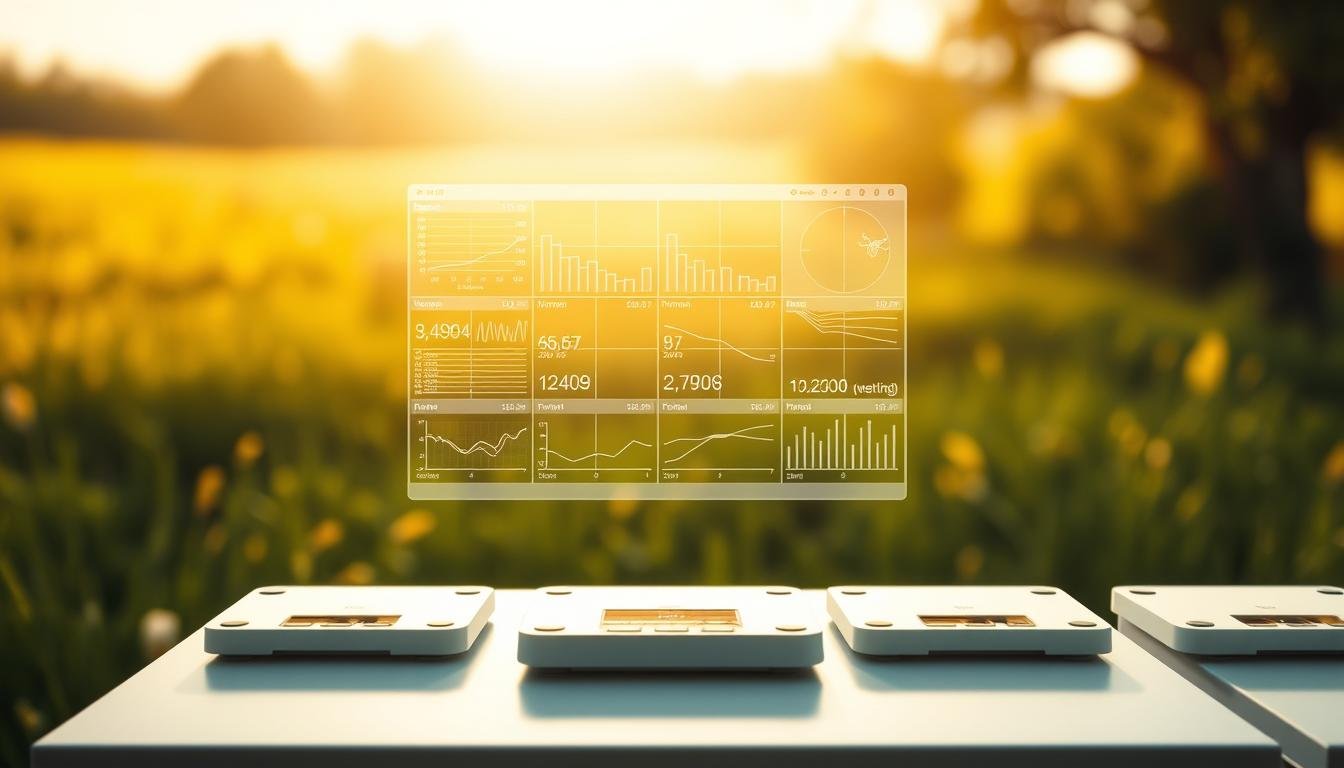
Arnia’s acoustic monitoring analyzes the sound frequencies a colony produces, since research has documented that colony sound patterns shift measurably with queenlessness, swarming preparation, and other significant colony state changes — giving a genuinely different diagnostic signal than temperature or weight alone can provide. This is a more research-driven, technically sophisticated feature than most consumer-grade competitors offer, and part of why Arnia has historically found real adoption in academic and research beekeeping contexts alongside commercial operations.
Connectivity: Cellular and Cloud-Based, Not Just Bluetooth
Because Arnia units transmit over cellular networks rather than relying on a nearby phone’s Bluetooth connection, they’re better suited to monitoring colonies at remote out-yards without needing anyone physically present to sync data — a meaningful practical advantage for commercial and migratory operations managing colonies across scattered locations, where Broodminder’s Bluetooth-range limitation (discussed in our Broodminder guide) becomes a genuine constraint without adding a separate gateway device.
Cost and Subscription Model
Reflecting its more sophisticated sensor and connectivity technology, Arnia carries meaningfully higher upfront hardware cost than Broodminder, and — because cellular data transmission has an ongoing cost — typically involves a subscription or service fee rather than Broodminder’s largely one-time hardware purchase model. Factor both the upfront and recurring cost into any comparison, since the total cost of ownership over several seasons looks quite different from the sticker price of the hardware alone.
Arnia vs. Broodminder: Which Fits Your Operation
| Factor | Arnia | Broodminder |
|---|---|---|
| Connectivity | Cellular, cloud-based | Bluetooth, phone-dependent (gateway optional) |
| Sensor range | Temp/humidity/weight + acoustic + entrance activity | Temp/humidity/weight |
| Ongoing cost | Subscription/service fee typical | Largely one-time hardware cost |
| Target user | Commercial, research, remote out-yards | Hobbyist to semi-commercial |
A hobbyist with a backyard apiary they can check on regularly generally gets more value per dollar from Broodminder’s simpler, cheaper setup; a commercial operation with remote yards, or a research context wanting acoustic data, is more likely to find Arnia’s added capability and connectivity worth the higher total cost.
Setting Up an Arnia System
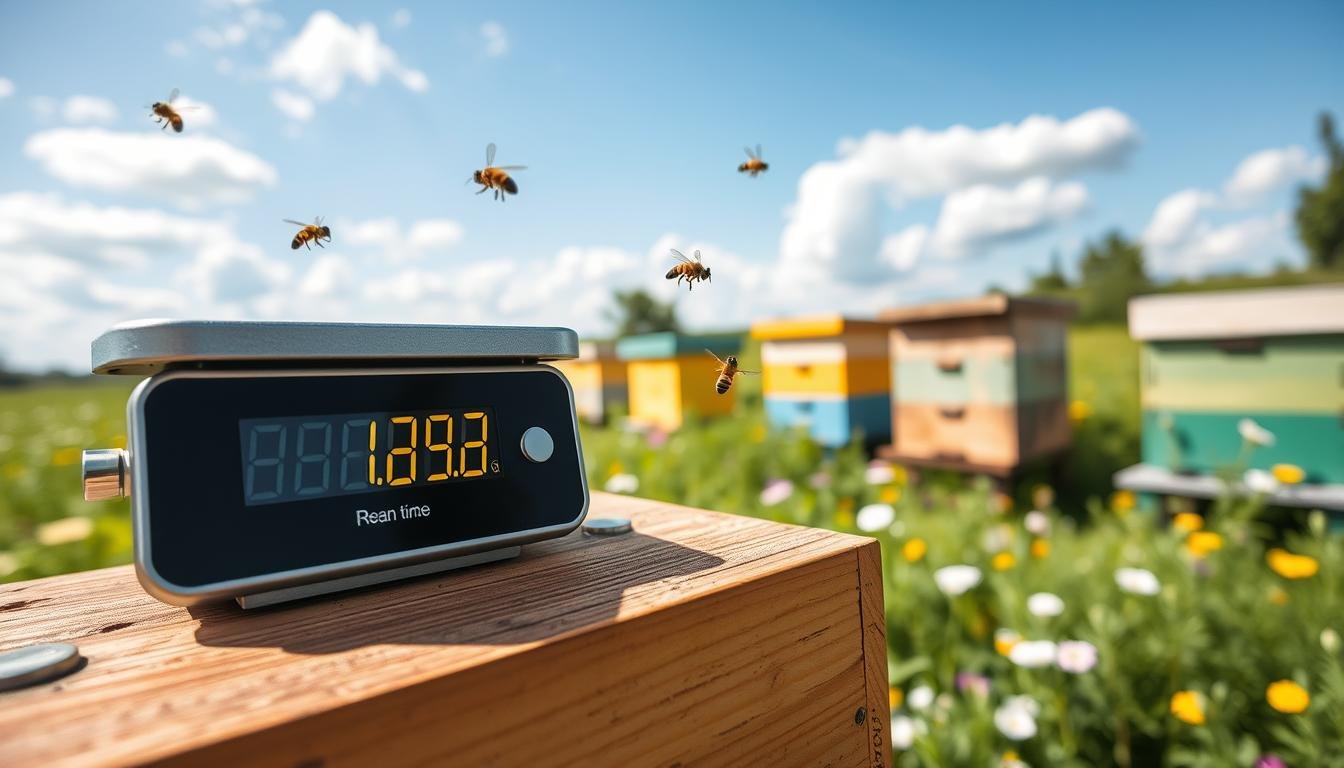
Setup involves installing the physical sensors (following the same general placement principles as any hive monitor — temperature/humidity sensors near the brood nest, weight sensors under the full hive stack) and registering the cellular-connected units to the cloud dashboard, generally with more configuration involved than a simple Bluetooth pairing given the added connectivity and sensor complexity. Because of this added setup complexity and cost, Arnia is more commonly deployed by someone planning a serious, ongoing monitoring program across multiple colonies than as a casual single-hive trial.
Interpreting the Data
Beyond the same temperature-stability and weight-trend interpretation principles covered in our Broodminder guide, Arnia’s acoustic data adds a genuinely distinct diagnostic layer — sudden shifts in sound frequency patterns can flag queenlessness or swarming preparation before it would be obvious from temperature or weight data alone, giving an earlier warning window in some cases. Interpreting acoustic data meaningfully takes more familiarity with the platform’s specific analysis tools than the more intuitive temperature/weight trends, so budget time to learn the dashboard’s acoustic features rather than expecting immediate fluency.
Who Arnia Actually Makes Sense For
Commercial beekeeping operations managing colonies across remote or scattered locations, research institutions studying colony behavior or health at scale, and any operation where the added acoustic diagnostic layer or cellular reliability genuinely changes management decisions are the clearest fits. A hobbyist with one or two hives checked weekly in the backyard is very unlikely to need or benefit from Arnia’s added capability relative to its added cost — Broodminder is the more sensible starting point for that use case.
Alert Configuration for a Commercial Scale
Managing alerts across many colonies requires a different approach than a hobbyist tuning thresholds for one or two hives — commercial users generally configure alerts to flag genuinely actionable anomalies across a whole apiary (a colony deviating meaningfully from the norm established across its peers) rather than absolute thresholds tuned per hive, since manually tuning individual thresholds for dozens or hundreds of colonies isn’t practical. Arnia’s dashboard tools for apiary-wide comparison are built with this scale in mind, a genuine difference from a single-hive-focused hobbyist tool.
Long-Term Data and Research Applications
Because Arnia has real adoption in academic and research contexts, its data export and historical analysis tools tend to be more robust than a purely consumer-focused product, supporting the kind of longitudinal, multi-season data analysis research applications typically require. If you’re managing colonies partly for data collection purposes — a university apiary, a research collaboration, or a commercial operation wanting genuinely rigorous year-over-year performance tracking — this data depth is a real, distinguishing advantage over simpler consumer monitoring tools.
Reliability in Remote Conditions
Cellular connectivity, while more capable than Bluetooth for remote monitoring, isn’t immune to its own limitations — a genuinely remote out-yard with poor cellular coverage can still leave gaps in data transmission, so check coverage at your specific yard locations before assuming cellular connectivity solves every remote-monitoring challenge. In areas with weak or no cellular signal, even Arnia’s more capable connectivity may need a different data-relay approach, and confirming coverage during the planning stage avoids discovering the gap only after installation.
Entrance Activity Monitoring
Beyond internal hive sensors, entrance activity monitoring (tracking bee traffic in and out) adds another data dimension useful for understanding foraging patterns and overall colony activity levels, complementing the internal temperature/weight/acoustic picture with an external behavioral signal. This kind of add-on sensor capability is more characteristic of a commercial-grade system built to accommodate a broader sensor ecosystem than a simpler consumer product designed around a fixed, smaller sensor set.
Calculating Real ROI for a Commercial Operation
For a commercial operation, weigh Arnia’s cost against the labor cost of physically checking remote yards as frequently as monitoring would otherwise require — a system that lets you skip an unnecessary multi-hour drive to a distant yard, or that catches a failing colony early enough to intervene before total loss, can genuinely pay for its subscription cost through saved labor and reduced colony losses across a season. Run this calculation honestly for your specific operation’s yard distances and typical loss patterns rather than assuming the value proposition automatically applies, since the math depends heavily on your particular logistics.
Integration With Existing Farm/Apiary Management Software
Commercial operations already using dedicated apiary or farm management software should check whether Arnia’s platform offers data export or integration options compatible with their existing record-keeping system, since re-entering sensor data manually into a separate system defeats much of the automation benefit. Many commercial-grade monitoring platforms, Arnia included, offer at least basic data export functionality for this reason — confirm the specific current integration options directly with the provider, since these features and supported formats can change.
Winter and Off-Season Value
As with any remote hive monitor, winter is arguably when the system earns its keep most clearly — a temperature sensor showing a stable, actively thermoregulated cluster gives real confidence a colony is alive without the risk of opening the hive during cold weather, and for a commercial operation with colonies at multiple remote yards, this benefit multiplies across every location you’d otherwise need to physically visit just to confirm winter survival. Arnia’s acoustic data adds a further layer here too, since a colony’s winter cluster sound pattern can offer another confirmation signal alongside temperature stability.
Starting Small Before Scaling an Arnia Deployment
Given the higher cost per unit, consider piloting Arnia on a handful of representative colonies — a mix of strong and weaker hives, or colonies at your most remote versus most accessible yards — before committing to a full-apiary rollout, letting you evaluate real-world value for your specific operation before the larger capital commitment. This staged approach also gives your team time to build familiarity with the dashboard and acoustic data interpretation on a manageable scale before it needs to support decision-making across a much larger deployment.
Training a Team to Use the System
For an operation with multiple staff or family members involved in colony management, plan time to train everyone who’ll interact with the dashboard on interpreting the data consistently, since inconsistent interpretation across team members undermines the value of having centralized data in the first place. Designating one or two people as the primary data reviewers, who then flag actionable findings to the broader team, is a more practical structure for most operations than expecting everyone to independently monitor and interpret the full dashboard regularly.
Hardware Care in Field Conditions
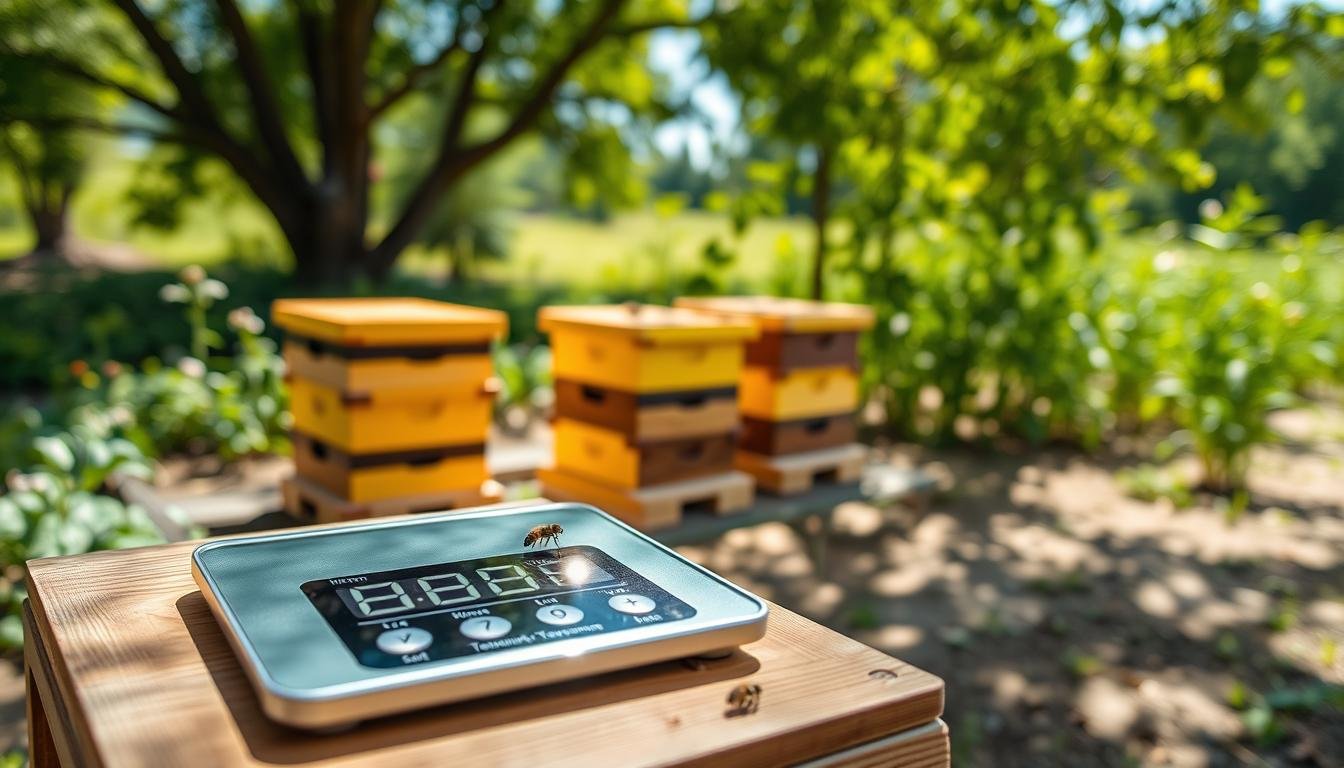
Commercial-grade sensor hardware deployed across remote yards faces more exposure to weather extremes, physical disturbance from wildlife, and general field wear than a backyard hobbyist setup typically does — periodic physical inspection of sensor units, not just checking the data dashboard remotely, catches issues like weather damage or dislodged sensors that pure data monitoring alone can miss.
Common Mistakes
Choosing Arnia for a small hobbyist setup where its added cost and complexity outweigh any realistic benefit is the most common mismatch, when a simpler Bluetooth-based system would serve the same practical needs at lower cost. Underestimating the ongoing subscription cost when budgeting for the system, focusing only on upfront hardware price, leads to an incomplete cost picture. Expecting to interpret acoustic data with the same intuitive ease as a simple temperature reading, without investing time in learning the platform’s specific analysis tools, leads to underusing the system’s most distinctive feature.
Sources
Sensor capabilities, connectivity approach, and acoustic monitoring research basis reflect publicly available Arnia product documentation and published research on honey bee colony acoustic signaling.
FAQ
Is Arnia worth it for a hobbyist with one or two hives?
Generally not — its added cost, subscription fees, and commercial-grade feature set are built for operations managing multiple colonies or remote yards; a simpler system like Broodminder is usually the more sensible starting point for a small hobbyist setup.
What does acoustic monitoring actually detect?
Colony sound frequency patterns shift measurably with significant state changes like queenlessness or swarming preparation, giving a diagnostic signal distinct from and sometimes earlier than what temperature or weight data alone can provide.
Does Arnia require a subscription?
Typically yes, reflecting the ongoing cost of cellular data transmission — factor this recurring cost into your total cost comparison, not just the upfront hardware price.
Why would I choose cellular connectivity over Bluetooth?
Cellular connectivity doesn’t require a nearby phone or gateway device to sync data, making it better suited to monitoring colonies at remote out-yards without needing someone physically present regularly.
Should I pilot Arnia before deploying it across my whole apiary?
Yes — given the higher per-unit cost, piloting on a representative handful of colonies first lets you evaluate real value for your specific operation and build dashboard familiarity before committing to a larger, more expensive rollout.