Published March 31, 2026 · Last Updated August 26, 2026
Introducing a new colony leader is high stakes. Commercial breeders use specialized transit containers that protect a queen and a few attendants for a narrow 24–48 hour window. Rapid transit and immediate installation are essential for success.
Timing matters. Many producers only dispatch on select weekdays to avoid weekend delays. That makes coordination critical: align your apiary preparations with the breeder’s schedule so the investment pays off.
Every shipment leaves zero room for error. Handle queen cells with care and plan a quick, calm introduction on arrival. For buying guidance and carrier standards, see this resource on packaged units and health certificates at buying packaged bees and nucs.
Key Takeaways
- Survival window: queens typically tolerate 24–48 hours in transit.
- Coordinate dates: match your setup with the breeder’s ship day.
- Handle queen cells carefully to prevent mortality.
- Check documentation: ask for health certificates and transit assurances.
- Act fast on arrival: install the new leader promptly for best results.
Understanding the Biological Constraints of Queen Bee Transport
Transporting a breeding female requires strict timing and controlled conditions. The transit environment is temporary and built for a narrow life window.
The survival window is short. Most queens tolerate only 24–48 days hours in a transit box designed for that limit. Rapid movement and prompt installation matter for survival.
Attendant workers travel with the female. These helpers feed, groom, and regulate temperature during the ordeal. Without attendants, a reproductive female cannot maintain her health.
Seasonal weather shapes availability. Cold snaps or heat waves force breeders to delay or reroute shipment plans. Unexpected events demand flexibility from both senders and recipients.
“Queen cells and developing brood are highly sensitive to temperature swings during those critical days.”
- Survival: limited to 24–48 hours in transit boxes.
- Attendants: required for care and stability during travel.
- Timing: avoid extreme weather and plan fast delivery.
Essential Equipment for Shipping Queen Bees Safely to Buyers
Good transit gear makes the difference between a healthy new leader and a costly loss.
Specialized shipping containers are engineered for a narrow 24–48 hour life window. Choose a dedicated queen shipping box that offers ventilation, secure partitions, and just enough space for attendants to tend a queen cell.
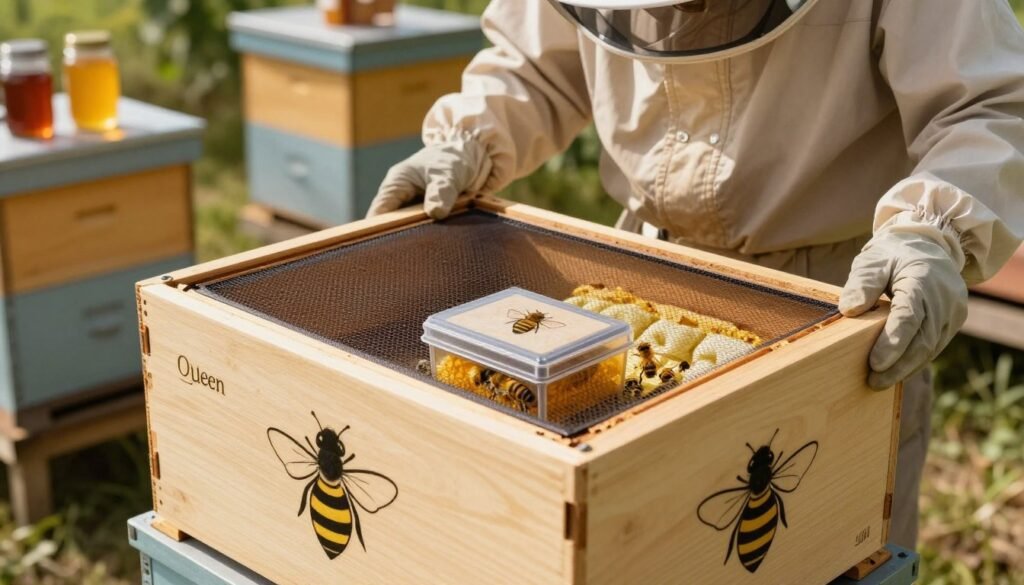
Cardboard queen shipping boxes remain the industry standard. Opt for heavy-duty cardboard shipping that resists crushing during handling. Reinforced inserts and soft padding protect the fragile queen cell and reduce jolting.
HONESTBEE and similar industrial solutions supply reliable apiary gear, from hive-making tools to honey processing equipment. Investing in tested boxes and handling equipment lowers risk and supports faster delivery needs.
- Use a high-quality shipping box sized for attendants and the queen cell.
- Verify design features: airflow, secure cage mounts, and shock protection.
- Budget for overnight or two-day carrier options; speed is costly but crucial for survival.
- Consider sustainable materials and learn how to reduce plastic use in apiaries.
Coordinating Logistics and Courier Services
Fast, predictable courier routes cut risk and protect fragile live cargo. Plan timing, carrier rules, and packaging well before the pick-up window.
Selecting Expedited Shipping Methods
Limit transit to overnight or two-day options. Rapid delivery keeps a healthy temperature range and reduces stress on the animals.
USPS Priority Mail often works best in the U.S. Major facilities offer dedicated bee rooms held near 65°F, which helps maintain stable conditions during handling.
- Choose couriers with proven policies for live consignments and clear tracking updates for the recipient.
- Use professional shipping boxes and inserts designed for queen cells and attendants.
- Confirm the carrier can meet overnight or two-day delivery; ground transit can take days or weeks and risks survival.
- Maintain direct communication so the recipient knows the expected delivery day and any hold procedures.
“Verify carrier temperature controls and live-animal handling before every shipment.”
Managing Seasonal and Weather-Related Risks
Seasonal swings often dictate when live consignments can move without risk.
Availability hinges on the weather. Cold snaps, heat waves, and sudden storms can halt production. Breeders may delay a shipment until conditions stabilize.
Logistics are more than courier schedules. Biology guides the decision. A fragile queen cell and attendant workers cannot endure extreme heat or cold.
- Monitor forecasts: check local and regional trends for the delivery window.
- Delay when needed: it is better to hold a shipment than risk loss of the bee and her brood.
- Plan flexibility: coordinate with the sender and confirm alternate dates before pick-up.
“Protecting the live animal must override timetable pressure.”
Professional keepers treat weather as the primary constraint. Install the new leader immediately upon arrival to maximize survival and colony acceptance.
Preparing Your Apiary for a Live Shipment
A calm, prepped apiary and clear courier instructions make the difference between success and loss.
Hive Readiness
Prepare the target hive at least 24 hours before arrival. Light inspections and space clearing help the incoming leader be accepted quickly.
Feed the colony with 1:1 sugar syrup by weight. Give feed proportional to colony size and avoid overdoing it.
Communication with Carriers
Warn your USPS carrier that a live parcel will arrive on the Monday of ship week. Call the Post Office and request a morning notice on delivery day.
If you do not receive a call, tape your mailbox closed and leave a note instructing the carrier to deliver the box to your door by hand.
| Action | Why It Matters | When |
|---|---|---|
| Prepare hive | Allows immediate installation and lowers stress | 24 hours prior |
| Notify carrier | Prevents leave-in-mailbox heat exposure | Week before + delivery morning |
| Secure mailbox | Ensures package is handed directly | Delivery day if no call |
| Feed colony | Boosts nurse worker strength for acceptance | Ongoing until arrival |
- Use a tested shipping box or shipping boxes designed for live consignments.
- Inspect the queen cell and the queen bee by hand immediately on receipt.
Best Practices for Receiving and Inspecting Packages
Inspecting the arrival within minutes preserves options for claims and care. Open the package right away and check the queen cell and attendants for visible damage.
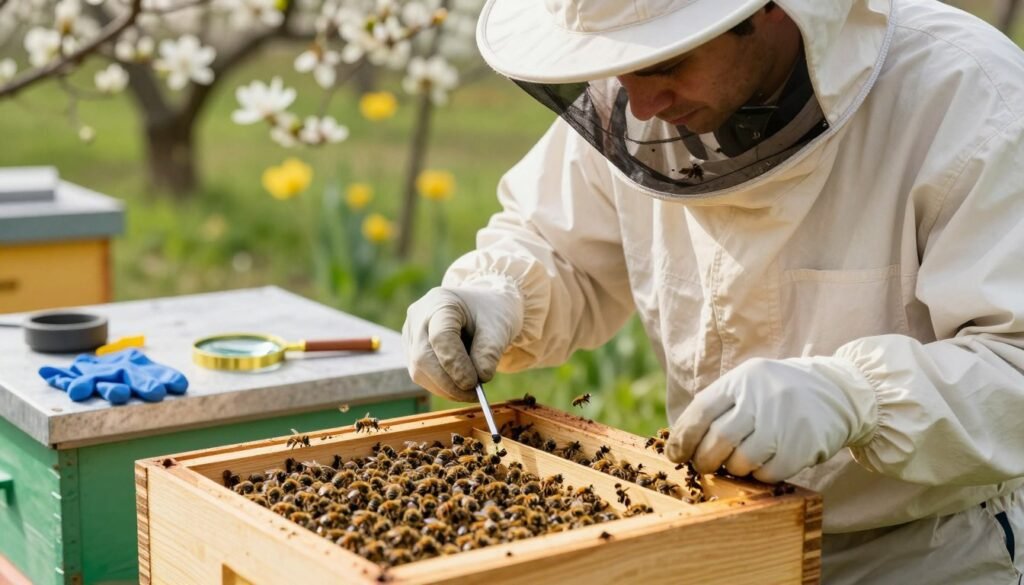
Document any problems immediately. Take clear photos of dead or damaged contents and notify the shipper within 24 hours so you can file a claim.
- Make sure the queen is active and the queen cell is intact before proceeding.
- If the queen arrives alive but most attendants are dead, hive her immediately; do not hold her for days.
- Three or more dead attendants means the female is stressed and must be installed at once.
- Never spray the cage with water; add a single drop per day if hydration is needed.
- After hiving, check for a laying female within a week to confirm success.
| Action | Why it matters | When |
|---|---|---|
| Photo documentation | Required for claims and breeder follow-up | Within 24 hours |
| Immediate hiving | Reduces stress and improves acceptance | If attendants are dead or ≥3 dead |
| Hydration rule | Prevents drowning and mold from sprays | One drop per day only |
| Lay check | Confirms live, functioning replacement | 5–7 days after hiving |
Pro tip: For step-by-step installation guidance follow an expert how-to on installing a new package of bees and consider tools like a marking pen for quick ID: installing a new package of bees and best queen marking pen.
Immediate Installation Procedures for New Queens
Quick action at receipt converts a fragile package into a functioning colony asset. Open the outer box in a shaded, calm area and inspect the queen cage and attendants at once.
Handling the Queen Cage
Handle the plastic cage gently. Remove outer packing and keep the cage upright. The candy plug provides food; there is no need to feed honey.
Do not spray or dunk the cage. Moisture causes sticky frames and rapid mortality.
Monitoring Attendant Health
Check attendants immediately. If several attendants are dead, hive the new leader without delay.
- Store any waiting cage away from ants, direct sun, and pesticides.
- Keep short-term storage cool and ventilated, not refrigerated.
Verifying Queen Acceptance
After installation, position a proper queen excluder and observe for acceptance. Look for eggs in 5–7 days to confirm a laying new queen.
Further reading: follow a step-by-step guide on how to install a queen bee and review recommended best queen cages for introduction.
“Never spray the cage; wet, sticky females die quickly.”
Troubleshooting Common Shipping Issues
Understanding why a nuc is riskier than a single caged female helps prevent losses.
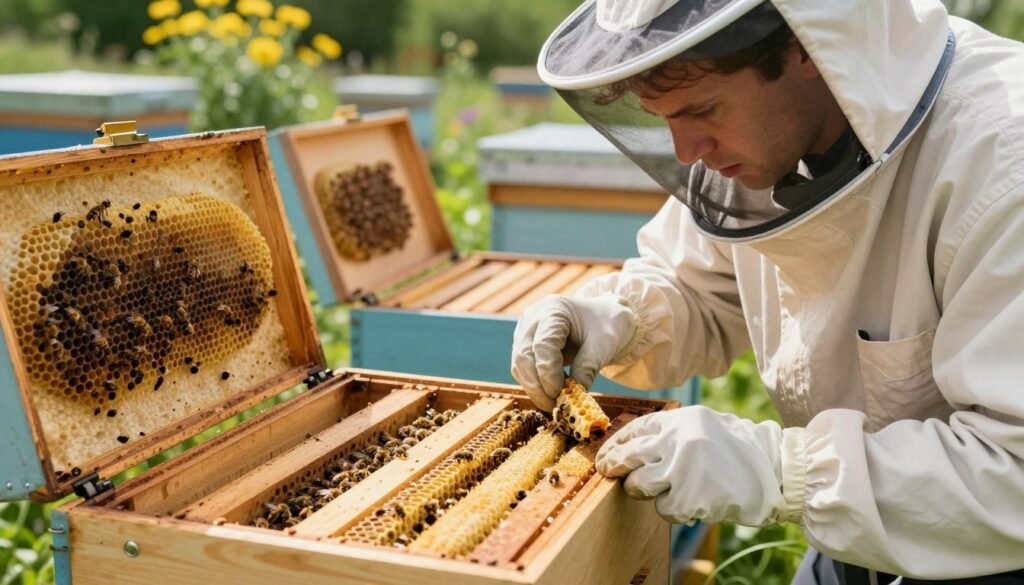
First, recognize transit limits. USPS will carry a nuc but only via ground, which can take up to two weeks. That long haul strains brood frames and queen cells.
Semi-trucks often lack air conditioning. Warm, stagnant cargo holds can kill attendants and destroy a queen cell in a few days. For this reason most wholesalers avoid sending nucs at all.
Insurance matters. Always insure packaged stock so a delayed shipment does not become a total financial loss. Document photos and times on receipt for claims.
- Keep one frame of honey per frame of brood; this ratio gives the package needed stores after installation.
- When you consider shipping a nuc, weigh climate risk and carrier transit days before purchase.
- If you keep bees, protect queen cells from heat with insulated boxes and fast transit options.
| Problem | Likely Cause | Practical Fix |
|---|---|---|
| Dead attendants | Extended ground transit or heat | Insure shipment; request faster service or local pick-up |
| Collapsed queen cell | Shock or high temperature in box | Use reinforced inserts and cool morning delivery |
| Delayed delivery | Carrier route or weekend hold | Coordinate delivery day and confirm recipient availability |
| Insufficient stores | Too few honey frames for brood | Ship with a 1:1 honey-to-brood frame ratio or add syrup on arrival |
For fraud checks and seller verification, consult this brief beekeeping scams guide.
Conclusion
A successful delivery depends on planning, kit quality, and immediate action at receipt.
Adhere to the 24–48 hour survival window and prioritize specialized containers and reliable courier choices. Fast, predictable handling preserves the health of your new queen and improves the odds of quick acceptance.
Prepare the hive in advance and install the new leader without delay. Maintain adequate honey stores so the colony can support brood rearing while the female establishes herself.
Follow these professional steps and consult trusted sources when you purchase a replacement. For buying guidance and supplier details, see purchase queen bee.
FAQ
What is the typical survival window for a transported laying female honeybee?
The viable period for a transported laying female is normally 24–72 hours if shipped with minimal attendants and proper ventilation. Use insulated packaging and avoid delays so the insect remains active and fed.
How many attendant workers should accompany the female during transit?
Include a small cluster of 5–15 attendants to maintain warmth and feed the passenger during short trips. Too many can cause overheating; too few raises stress and reduces survival odds.
What basic equipment is required to move a live reproductive safely?
Use a purpose-made transport cage inside a sturdy cardboard box with padding, a small candy or syrup feeder, breathable vents, and a cell protector if sending a developing brood. Label the package and include handling instructions for the recipient.
Which courier services are best for next-day delivery of live insects?
Choose national carriers offering next-day or overnight options with temperature control and reliable tracking. Confirm they accept live animal shipments and book early-morning pickups to shorten ground time.
How do I plan for seasonal risks like heat or freezing conditions?
Avoid transit during extreme heat or cold. Ship early morning in summer and mid-day in winter, add insulating material in hot weather, and include heat packs or insulation when temperatures drop below recommended thresholds.
What should I prepare at the apiary before a live dispatch?
Ensure the donor colony is healthy, mark the individual clearly, confirm attendants are active, and prepare paperwork and clear labeling. Use a clean, dry transport container and verify the feeder is accessible during transit.
What information must I communicate to the carrier and recipient?
Provide pickup and drop-off windows, package handling notes, emergency contact numbers, and any temperature or timing restrictions. Inform the recipient of expected arrival time and unpacking procedures.
How should the recipient inspect the package upon arrival?
Open the box gently, check ventilation, confirm the passenger and attendants are alive and active, inspect the feeder and cell protector, and note any damage or delays on the carrier manifest before accepting the parcel.
How do I handle the transport cage during installation into a new colony?
Keep the cage at hive temperature, introduce it through a central entrance or inside the brood chamber, and follow gradual release protocols—remove spacers or plugs after 24–72 hours depending on colony temperament.
What signs indicate attendant worker health after arrival?
Look for active movement, clean wings, and feeding behavior. Lethargy, missing limbs, or heavy clustering at the feeder suggest stress or exposure to extreme temperatures and require immediate attention.
How can I verify the newcomer has been accepted by the host colony?
After release, observe for friendly interactions, lack of aggressive chasing, and integration into brood care within 48–72 hours. Persistence of aggression or isolation may require re-queening or introducing via a different method.
What common issues occur during transit and how can I troubleshoot them?
Typical problems include delays, temperature exposure, and cage damage. Mitigate by choosing expedited service, adding insulation, and reinforcing the package. If problems arise, contact the carrier and the recipient immediately and document the condition with photos.
Are there legal or paperwork considerations for interstate movement of live insects?
Check state regulations and any permits for moving live insects or brood. Include health certificates if required, and follow carrier-specific rules for transport of living organisms to prevent fines or refusals.
What options exist for protecting developing cells during transit?
Use a rigid cell protector or foam insert to prevent crushing and reduce movement. Position cells away from vents and secure them within the box to limit shock and temperature fluctuation.
How long can a small nuc or starter colony remain in a box during delivery?
A compact nucleus should not be confined more than 24–48 hours under ideal conditions with attendants and feeding. Longer durations increase mortality and stress; arrange rapid, direct transport whenever possible.