This short introduction explains a common curiosity. Many people spot changes in jar honey and worry it has gone bad. The fact is that a physical shift can look odd while the product stays safe.
Historical evidence underscores stability: archaeologists found an edible sample in King Tut’s tomb from 1922. Modern examples echo that durability, like a beekeeper who harvested rooftop honey in Brooklyn during summer 2019.
Most varieties contain about 18% water, a low water content that halts most microbes. Changes such as clouding or layered texture result from moisture exchange or temperature shifts, not spoilage.
For more on crystallization and storage tips, see this short guide at why does honey crystallize.
Key Takeaways
- Separation often reflects physical change, not spoilage.
- Low water content helps preserve jar honey for long periods.
- Storage and humidity affect texture and crystallization.
- Historical finds show long-term stability of this food.
- Keep lids tight to limit moisture absorption and maintain quality.
Understanding Why Honey Separates in the Jar
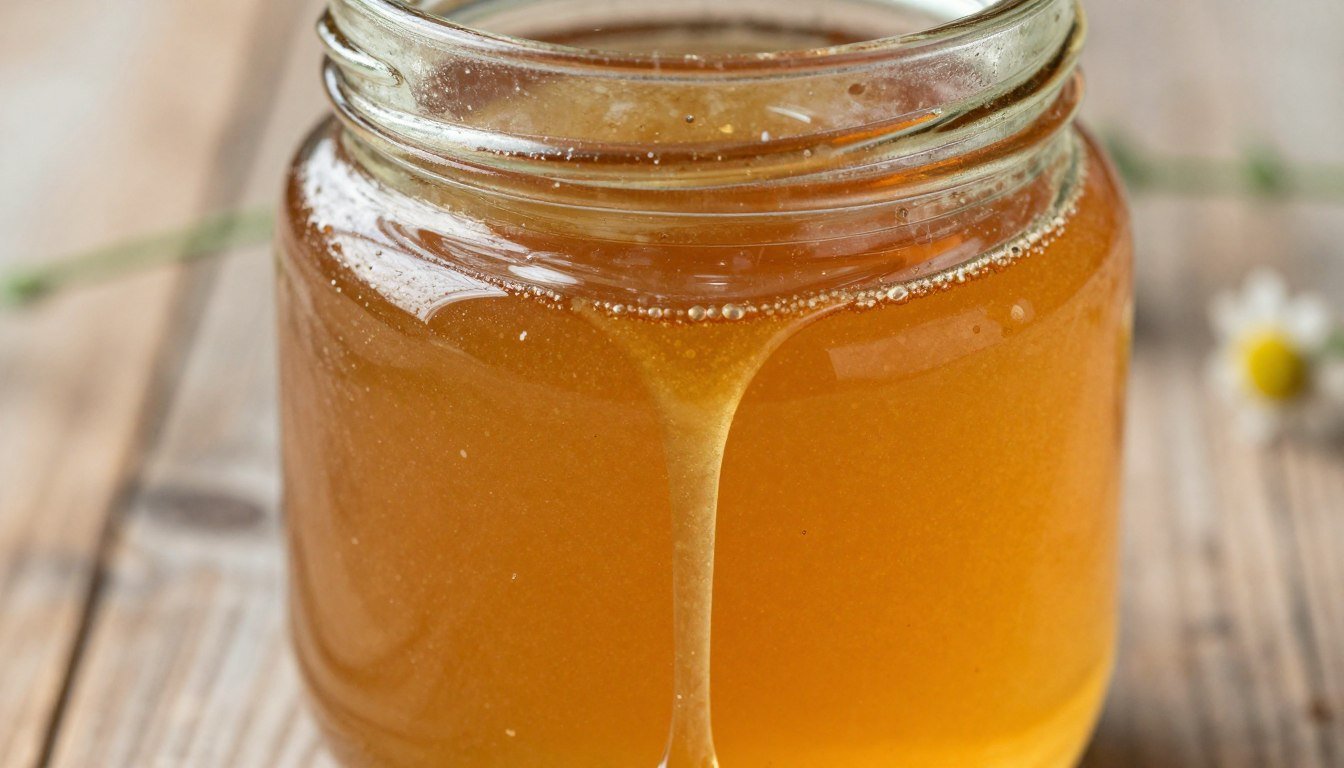
Crystallization begins when sugars in a jarred spread shift from a uniform syrup to tiny solid crystals.
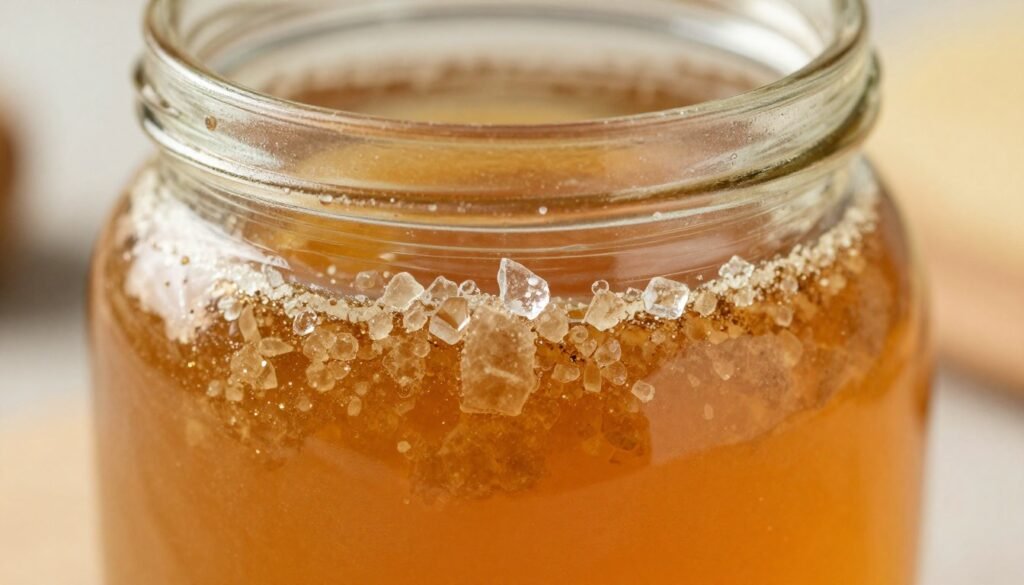
This is a natural process and not a sign of spoilage. As sugar molecules seek stability, they cluster and form visible granules. When a product turns cloudy, that crystallize cycle has started and it is normal for pure, raw varieties.
“Crystallization is simply a quirk of the natural world,” says Amy Newsome, beekeeper and author.
High-quality raw jars often crystallize faster because they retain more natural sugars and particles. This texture change usually signals purity and good processing rather than damage.
- Gently stirring or warming restores smooth syrup without loss of flavor.
- Crystallized spreads spread well on toast and retain sweetness.
- For more on separation and crystallization, see separation and crystallization.
- Compare raw vs processed options at raw vs processed.
The Science Behind Natural Crystallization
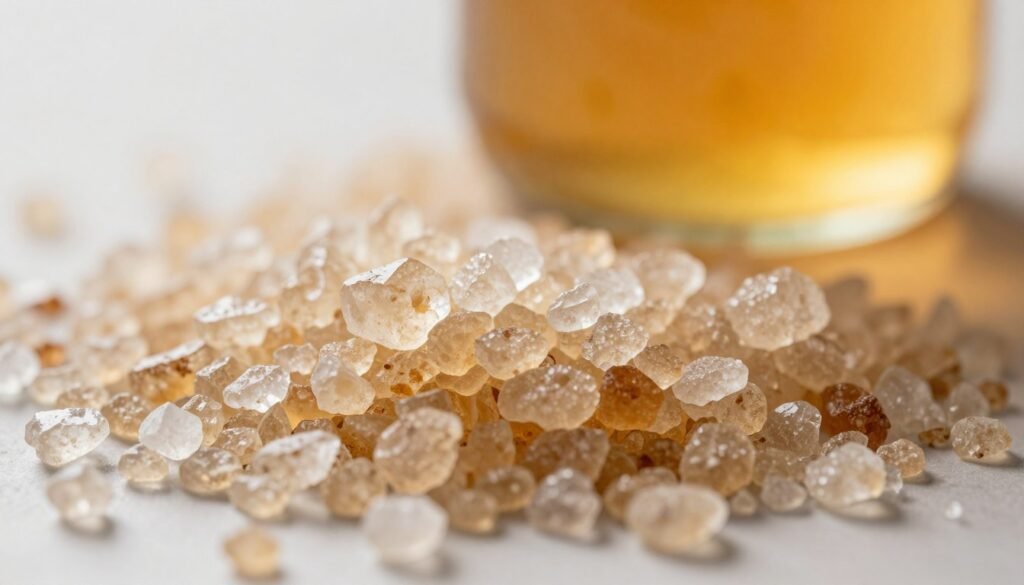
When nectar becomes supersaturated, glucose can exit solution and form a firm network of crystals. This process starts once bees reduce water and add enzymes during the way they make honey. Over time, glucose tends to crystallize faster than fructose.
The Role of Glucose and Fructose
Glucose and fructose set the pace for crystallization. A higher fructose ratio, as found in acacia, keeps a product fluid for a longer time.
When glucose forms solids, it creates visible crystals and changes texture without harming flavor or health benefits.
How Pollen Particles Affect Texture
Raw varieties carry pollen and tiny particles that act as nuclei for crystals to form. Bruce Shriver of Gowanus Apiary notes these particles plus enzymes and yeasts help this natural process.
“Crystals often signal purity—natural particles give them something to cling to.”
Enjoy the thick texture on toast knowing enzymes and nutrients remain intact.
- Bees collect nectar, creating a specific glucose fructose balance.
- Supersaturation causes glucose to crystallize faster than fructose.
- Pollen and enzymes provide a base for crystal formation over time.
| Factor | Effect on Crystallization | Practical Note |
|---|---|---|
| Glucose:Fructose ratio | Higher glucose → faster crystals | Acacia (high fructose) stays liquid longer |
| Pollen & particles | Act as nucleation sites | Raw types crystallize sooner |
| Water content | Lower water → stable, more likely to crystallize | Keep lids tight to limit moisture gain |
For more on how crystallization natural works and storage tips, see this guide about how products crystallize at why does honey crystallize. For labeling and sales guidance, consult packaging advice at how to package and label.
Debunking the Myth of Expired Honey
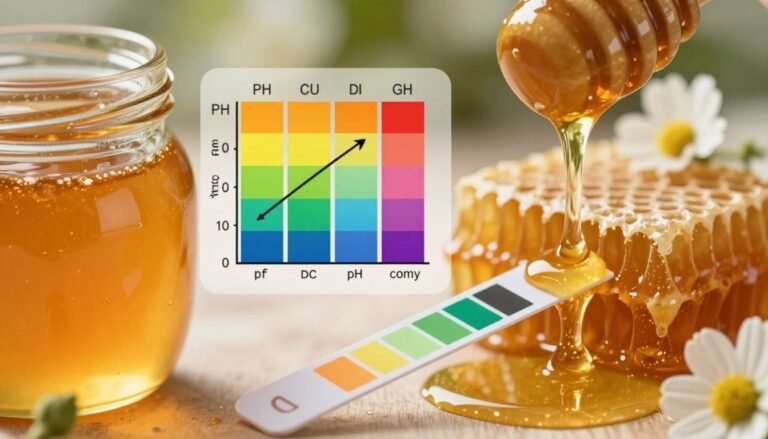
Low acidity and minimal water make stored honey hostile to most microbes. With a typical pH of 3.4 to 6.1, jars rarely support bacterial growth. The USDA confirms cloudy or crystallized textures do not mean a product has gone bad.
Crystallization is a natural physical change. Small glucose crystals can form while sugars and nutrients stay intact. Raw honey often crystallizes sooner because of pollen and natural sugars.
Keep lids tight and store in a cool, dry container. Minor moisture shifts rarely trigger fermentation if the seal is good. This process is a sign of purity and preserved quality.
| Factor | Reason | Practical Tip |
|---|---|---|
| pH (3.4–6.1) | Acidic environment inhibits microbes | Store sealed to keep acidity stable |
| Water content | Low moisture resists spoilage | Avoid humid storage spots |
| Crystallization | Glucose forms visible crystals | Warm gently to restore texture |
Fact: You can trust this food is safe to eat. For long-term storage tips, see our guide on how to store honey long term.
Factors Influencing the Speed of Granulation
Rapid swings in room temperatures push glucose to form crystals faster. Temperature is the main driver of how quickly a product will granulate.
Temperature Fluctuations
Cold spells below 50°F prompt swift crystal formation. Keeping a spread between 50°F and 70°F slows granulation, while Mike’s Hot Honey suggests 70–80°F to delay the process even more.
Moisture Content and Humidity
Air moisture matters. If a lid is left open, water can enter and raise internal water content. That may lead to fermentation or softer textures over time.
The Impact of Processing Methods
High-heat pasteurization and heavy filtration remove pollen and enzymes. Bruce Shriver notes that commercial processing keeps products liquid longer by removing particles that act as nucleation sites.
| Factor | Effect | Practical tip |
|---|---|---|
| Temperature | Lower temperatures → faster crystals | Store at steady room temperature (50–70°F) |
| Moisture | Higher moisture → risk of fermentation | Keep lids tight and avoid humid spots |
| Processing | Pasteurization & filtration → slower granulation | Choose raw options if you prefer natural texture |
For more on granulation and how to manage texture, read this guide to crystallize control or this technical overview at Beekeepers Realm.
Best Practices for Proper Honey Storage
Keep product sealed. Use an airtight container to prevent air and excess moisture from altering texture. This simple step helps maintain quality and reduces water uptake.
Ideal Temperature Ranges for Longevity
Store at room temperature, away from direct heat or sunlight. Mike’s Hot Honey recommends a sealed container at room temperature as the best way to preserve flavor and consistency.
- A cool, dry spot slows the natural process that leads to granulation.
- Avoid extremes—rapid swings in temperatures speed texture change.
- Proper storage keeps jar honey a high-quality product for years.
| Factor | Recommended | Why it matters |
|---|---|---|
| Container | Airtight glass or food-grade jar | Blocks moisture and odors |
| Temperatures | 50–70°F (steady) | Slows crystallization |
| Humidity | Low, dry area | Prevents water absorption |
Tip: To keep honey free-flowing longer, store in a stable room away from stoves, windows, or HVAC vents. Proper care keeps this product ready to enjoy.
Simple Methods to Restore Crystallized Honey
Use controlled warm water to melt crystals without degrading flavor. Bruce Shriver recommends keeping water below 95° Fahrenheit to protect flavonoids and enzymes.
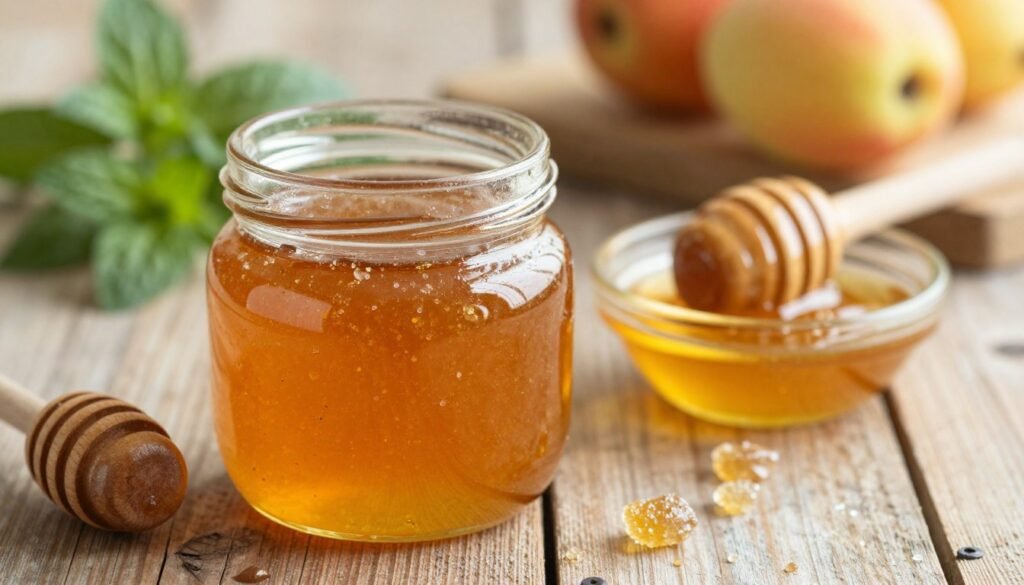
Place the sealed jar into a bowl of warm water and let it sit. Avoid boiling or direct high heat that can change texture and reduce beneficial enzymes.
- Keep water steady and below 95° F.
- Gently swirl the jar every few minutes to help crystals dissolve evenly.
- Do not microwave or use an open flame; rapid heat harms flavor.
Once liquid, test a spoonful on toast or in tea. If crystals return quickly, store at a steady temperature and seal tightly to slow future crystallization.
Need a step-by-step guide? Follow this short how-to to decrystallize honey or read a practical fix at how to fix it.
Conclusion
Honey is a remarkable food that lasts for years, and texture changes like layered syrup and crystals are a natural crystallization natural process, not a sign it has gone bad.
Understanding glucose, fructose, and moisture content helps explain how sugars move over time. Proper storage in a sealed jar and steady temperature slows change. For a short guide on crystallization, see this crystallization guide, and learn how floral source affects pH at floral source and pH.
If you prefer a smooth pour, use warm water to gently restore liquid form. Embrace crystallization as part of nectar’s life cycle and enjoy this wholesome product for years to come.