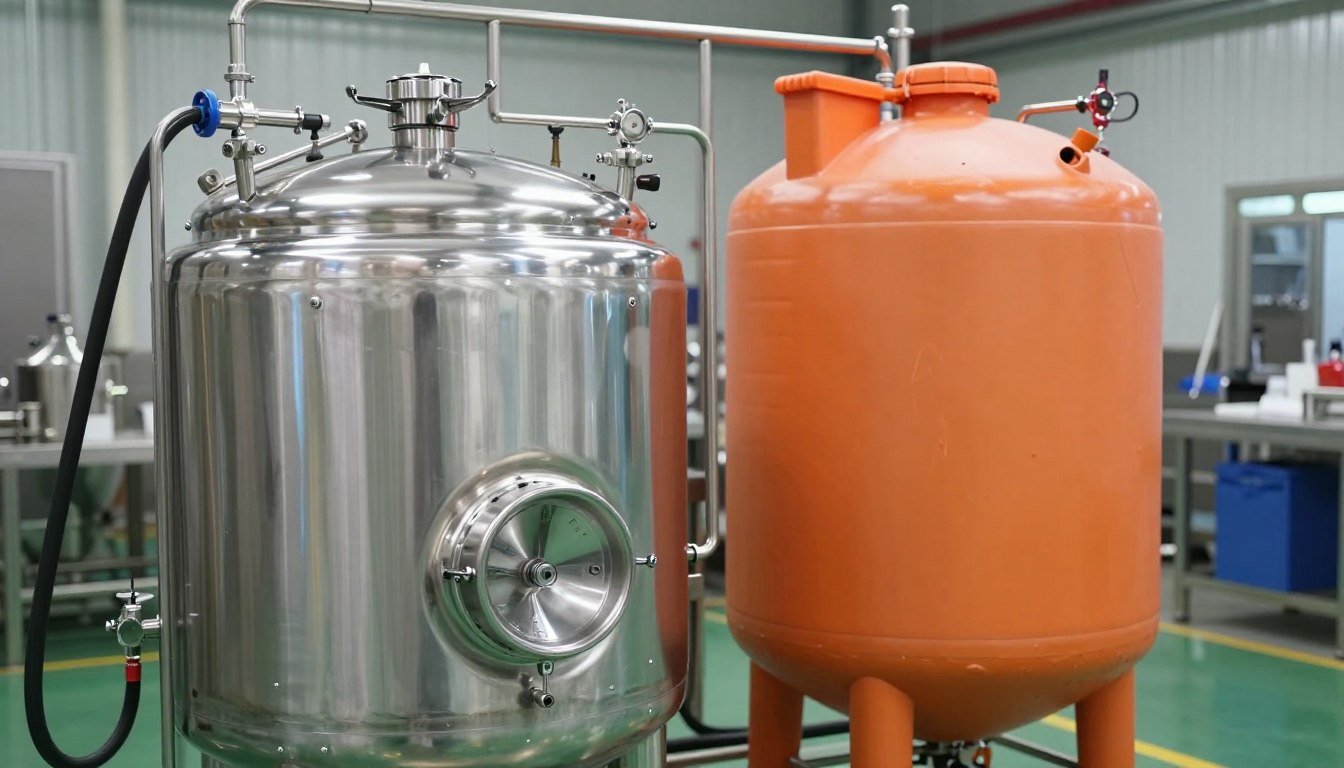
Published March 12, 2025. Choosing the right storage solution affects daily operations, product quality, and long run costs for industrial facilities. This guide compares common materials to help facility managers make an informed decision.
The analysis highlights how each material impacts durability, maintenance, and water storage performance. Durability and resistance differ markedly between options, and understanding chemical resistance and temperature limits is essential for safe application.
Stainless metal units offer a refined surface, strong thermal control, and long lifespans with proper maintenance. Lighter polymer units deliver lower upfront cost and easier handling but may require closer monitoring for odors and wear.
For deeper technical details and cleaning guidance, see the practical equipment notes at the SKE guide. For short-term and budget-focused options, review examples at Beekeepers Realm.
Key Takeaways
- Material choice shapes durability, maintenance, and cost over time.
- Metal options give superior hygiene and temperature control for water storage.
- Polymer units are lighter and cheaper upfront but can retain odors and wear faster.
- Consider chemical resistance and operating temperatures for your requirements.
- Proper installation and routine maintenance reduce long run costs and downtime.
Understanding the Basics of Stainless Steel vs Plastic Bottling Tanks
Choosing the right material shapes maintenance routines, installation needs, and long-term cost for water storage systems.
Polyethylene is the main polymer used for lighter, cost-efficient storage options. It cuts installation time and lowers shipping weight for large capacity units.
Metal options are prized for their structural strength and long life. They resist corrosion better and often meet stricter requirements for high-stakes water use.
Consider practical factors: load-bearing requirements, chemical exposure, and temperature ranges. Metal units generally need more structural support during installation, while polyethylene solutions offer easier handling.
For managers weighing both choices, focus on lifecycle costs, required maintenance, and the specific needs of your bottling line. See a comparative industry overview at material selection guide and a practical accessory reference at honey gate replacement options.
| Feature | Metal | Polyethylene |
|---|---|---|
| Weight | Heavier — needs support | Light — easy install |
| Durability | High — long life | Moderate — flexible |
| Cost | Higher upfront | Lower upfront |
| Maintenance | Routine surface care | Inspect for wear and odors |
Evaluating Material Durability and Environmental Resistance
How a product handles heat, cold, and sunlight often decides its service life and upkeep needs.
Impact of Extreme Temperatures
Metal storage options keep shape and strength across wide temperature ranges. They resist deformation in high-heat situations and stay stable during freeze–thaw cycles.
Polyethylene designs may soften or warp when exposed to prolonged heat. That can lead to leaks or the need for early replacement.
UV Degradation and Structural Integrity
Sunlight breaks down some polymers over time. UV stabilizers improve lifespan, but sunlight exposure still accelerates wear.
Corrosion resistance is a noted advantage of quality metal construction, helping protect stored water and reducing contamination risk.
“Prioritizing material resistance reduces downtime and protects water quality in demanding environments.”
Design storage systems to limit direct sun and wide temperature swings. Proper selection and placement preserve durability and purity.
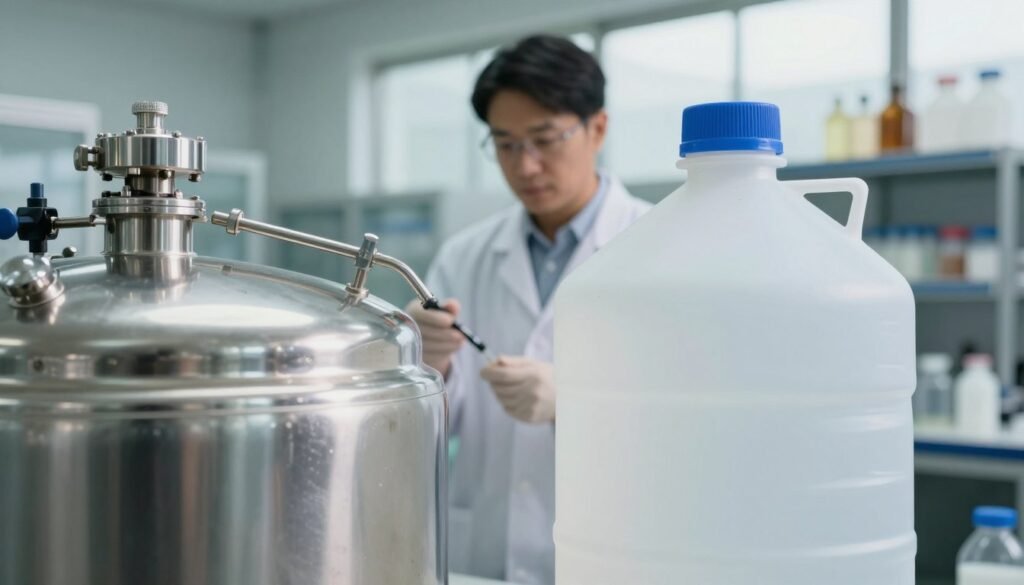
| Factor | Metal Option | Polyethylene Option |
|---|---|---|
| Extreme temperature performance | High structural integrity | May deform at sustained high heat |
| UV resistance | Not affected by UV | Requires stabilizers; degrades over time |
| Corrosion / contamination | Resistant to corrosion | Can retain odors; chemical compatibility varies |
For a practical comparison and purchase options, consult this steel vs plastic bottle guide.
Health and Safety Standards for Food Grade Storage
Food-grade storage must meet rigorous requirements to keep water and products safe. Compliance reduces the chance of chemical leaching and microbial contamination.
Preventing Chemical Leaching and Contamination
Material choice matters. Non-porous metal surfaces are favored because they limit biofilm and bacteria buildup. IMFO (Integrally Molded Flanged Outlet) designs ensure 100% full drainage, which prevents pockets of residue that harbor microbes.
Certified polymer options must meet FDA rules to avoid harmful leachates. Some polymer units may require more frequent cleaning to meet the same safety levels as inert metal surfaces.
“IMFO full-drain capability is a critical requirement for safe food processing and consistent water quality.”
- Drainage: IMFO prevents residue accumulation and eases sanitation.
- Surface: Inert metal surfaces reduce chemical interactions and lower cleaning needs.
- Compliance: Certified polyethylene options can work, but they may require stricter monitoring.
| Criterion | Metal options | Certified polyethylene |
|---|---|---|
| Surface porosity | Non-porous — minimal biofilm risk | Low porosity when certified; monitor for wear |
| Drainage | Works with IMFO for 100% drain | Compatible with IMFO; design dependent |
| Cleaning frequency | Lower with proper maintenance | May require frequent cleaning to prevent contamination |
Ensure your water storage system follows local regulations and industry guidance. For further reading on health benefits of metal over polymer and container options for honey and food-grade use, see this health benefits overview and a practical container guide.
Analyzing Corrosion Resistance and Chemical Compatibility
Corrosion behavior and chemical compatibility drive material selection for long-term storage performance.
Chromium in stainless steel creates a protective oxide layer. This film greatly improves resistance to corrosion and many chemical agents. That layer is why stainless steel storage often outperforms alternatives in harsh environments.
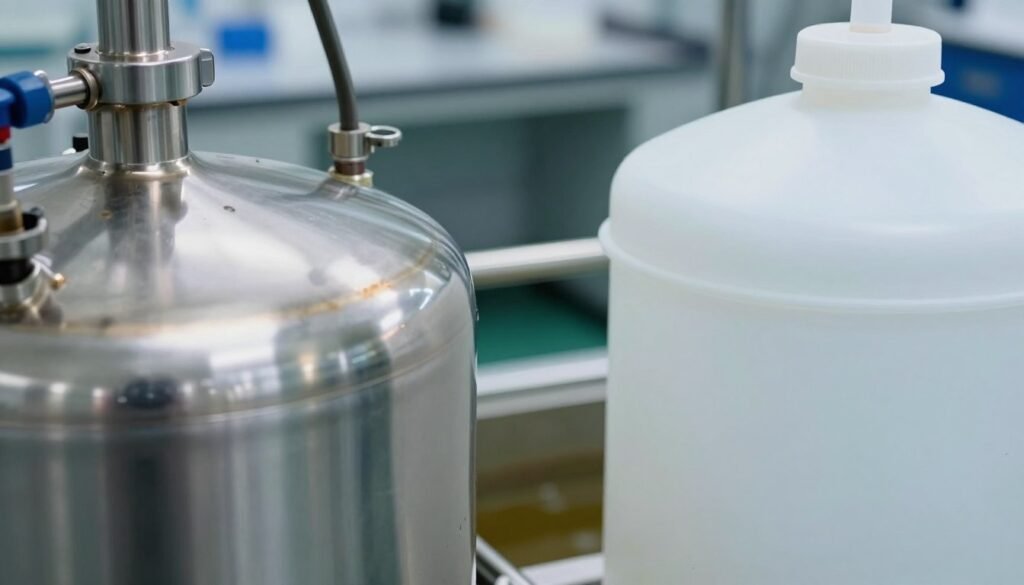
Polyethylene-based plastic offers broad chemical compatibility. It resists many acids and bases and avoids some types of contamination. Those qualities make it a practical choice for varied industrial applications.
Application matters: choose materials after matching the stored fluid, expected temperatures, and exposure to corrosive chemicals. High heat plus harsh chemicals usually favors metal construction for long-term durability.
- Metal protective layer: resists acidic attack and high temperatures.
- Polyethylene: resists many chemicals and avoids some corrosion modes.
- Compatibility check: test chemicals against material charts before purchase.
| Property | Metal option | Polymer option |
|---|---|---|
| Corrosion resistance | High (chromium oxide film) | Good for many chemicals |
| High-temperature performance | Stable at extreme temperatures | May soften or lose strength |
| Chemical compatibility | Excellent with acids | Wide range, check specific chemicals |
For accessory guidance and related storage choices, see this practical accessory guide.
Comparing Initial Investment and Long-Term Maintenance Costs
Upfront purchase price and ongoing service costs often determine which storage solution best fits a facility budget. This section breaks cost drivers into immediate capital needs, repair frequency, and lifecycle value so you can compare options clearly.
Upfront Capital Expenditure
Polished stainless construction can cost 3–6 times more than a comparable polyethylene storage tank. That higher purchase price affects project financing and payback time.
Polyethylene tanks reduce initial capital outlay and speed installation. For facilities with tight budgets, they are often the practical choice.
Long-Term Repair Requirements
Higher-quality metal tank surfaces require less frequent repair and resist corrosion and bacterial adhesion better than many polymer options.
Polymer storage systems may need more regular inspections and occasional replacement parts over a 15–20+ year service life.
Lifecycle Value Analysis
- Higher upfront cost: metal options generally mean lower maintenance over time.
- Lower initial cost: polyethylene tanks offer strong lifecycle value for budget-focused operations.
- Installation matters: proper installation reduces repair needs; metal units often need specialized equipment.
“Balance initial capital with long-term performance to maximize value and limit downtime.”
Consider projected service years, repair schedules, and water quality needs when choosing a storage tank. A lifecycle view often reveals true cost per year, not just the sticker price.
Operational Considerations for Industrial Bottling Facilities
Operational workflows change when production passes the 300-gallon tote threshold and larger storage becomes necessary.
At that point, facilities must review layout, lift equipment, and service access. Choosing between metal or polymer storage affects installation complexity, downtime risk, and long-term cost.
Mobility and space matter. Lightweight containers ease transport and fit into tight footprints, which helps facilities with limited floor space or complex installs.
Performance under stress is equally important. Metal containers generally handle extreme temperatures and harsh chemicals better, supporting continuous high-volume production.
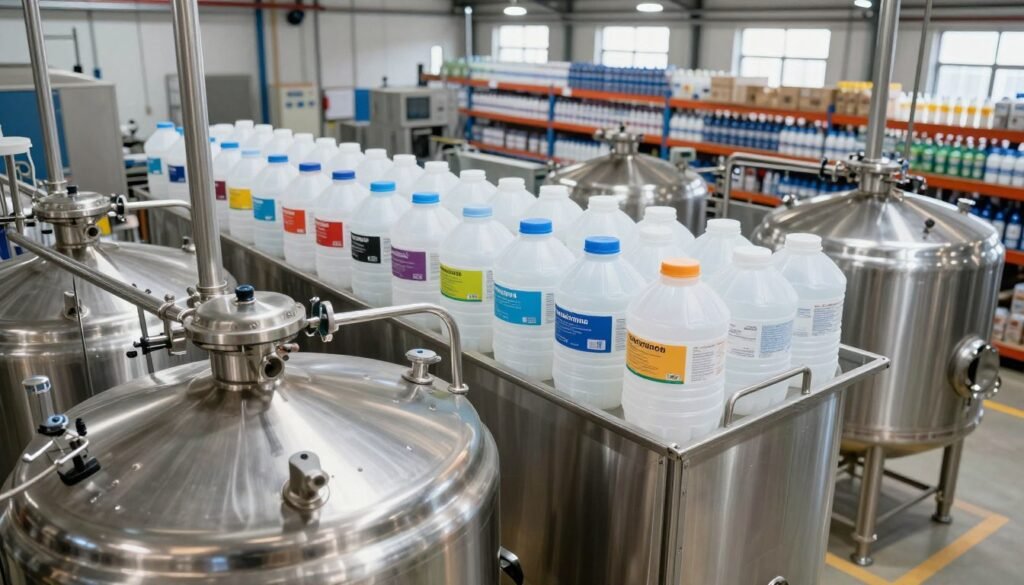
Reliability and resistance to wear keep lines running. Inspect seals, valves, and fittings regularly to prevent unscheduled stops and contamination.
“Upgrade when the capacity threshold impacts safety, efficiency, or product quality.”
- Assess lifecycle cost, not only upfront price.
- Match material choice to chemical exposure and temperatures.
- Plan handling and maintenance to keep production continuous.
For hygiene and safety guidance, review this food processing safety guide. For packaging and labeling workflow notes, see packaging best practices.
Conclusion
Make an informed decision by weighing daily maintenance, expected service time, and real yearly cost. Start with clear performance goals for cleaning, temperature control, and chemical exposure.
For many operations, stainless steel tanks and steel tanks deliver higher reliability and simpler sanitation. That choice often reduces inspections and repairs, even if upfront purchase is higher.
Budget-friendly alternatives can work well when matched to application and care routines. Focus on life-cycle value and you will make informed upgrades that pay off in the long run.