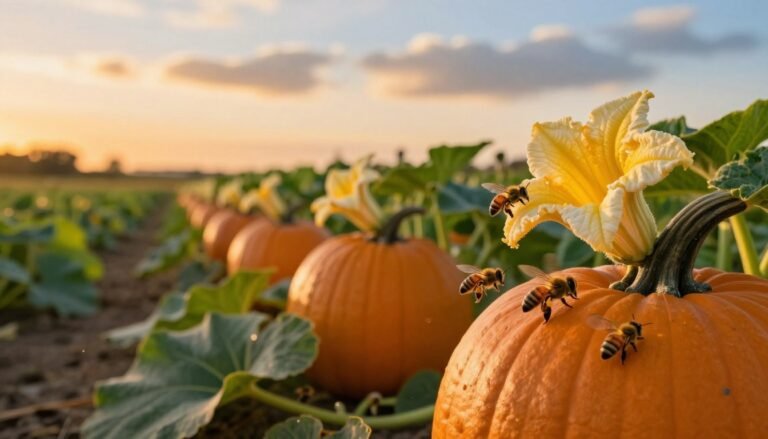
Bees drive food production in ways many people do not see. A study shows about one-third of our diet traces back to their work. In the United States, honey bees support roughly 130 agricultural plants.
A single healthy hive can house thousands of bees. That population moves pollen across plants in the field and lifts yields year after year. Managing that colony depends on a strong queen and skilled care.
Hiring professionals helps ensure the right numbers arrive at bloom time and remain productive. Growers often consult regional guidance on placement, timing, and rates to protect both honey and production goals. Learn more about practical pollination services and placement at regional pollination services, or read a beginner guide to hive basics at beehive basics.
Key Takeaways
- Honey bees are essential to about one-third of our food supply.
- A healthy hive contains thousands of bees that move pollen across plants.
- Professional management keeps the queen and colony strong during bloom.
- Placement and timing of colonies affect field results and honey production.
- Consult regional services and beginner resources to plan each year.
The Importance of Pollination for Modern Agriculture
Modern agriculture depends on active pollinators to keep fields productive. The annual value of honey bee services in the United States tops $9 billion. That economic impact ties directly to food security and farm profitability.
About 130 agricultural plants in the U.S. need bees to reach quality yields. Growers see better fruit set, uniformity, and higher marketable weight when adequate numbers of bees visit flowers.
Effective bees pollination strategies focus on colony strength. A lively queen and hardworking workers collecting abundant pollen make the difference between average and excellent results.
Maintaining more bees in fields supports both honey production and broader food crops. Practical guides help farmers plan placement and timing; review rental logistics and best practices at pollination services overview and regional research at USDA pollination studies.
| Metric | Value | Effect on Growers |
|---|---|---|
| Estimated annual value | $9 billion+ | Supports farm income and national food supply |
| Dependent plants | ~130 species | Improved yield and quality |
| Colony focus | Active queen & worker activity | Higher fruit set and consistent honey returns |
Understanding the Logistics of Renting Hives for Seed Crop Pollination
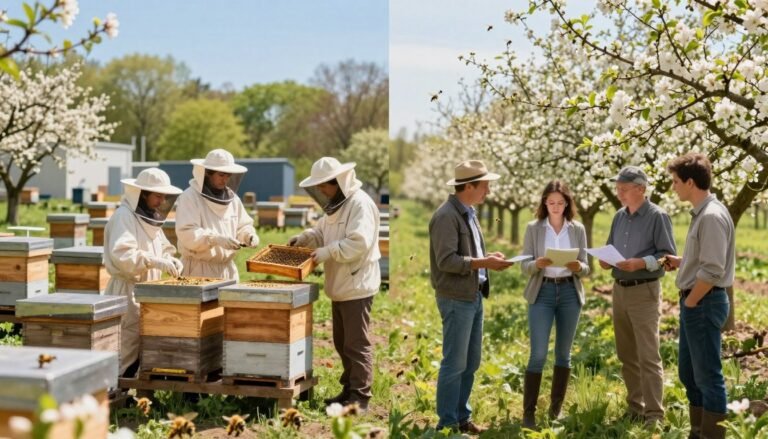
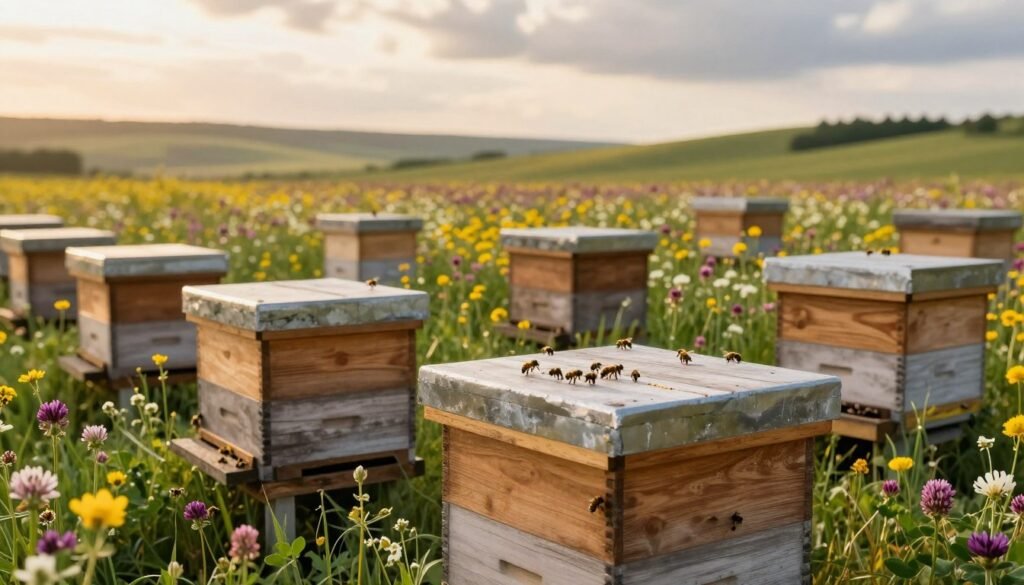
Successful field pollination depends on choosing the right partner and setting clear expectations. Many beekeepers offer professional pollination services that handle the seasonal work and colony care growers often cannot manage themselves.
Selecting a Professional Beekeeper
Look for beekeepers with experience in your region and a track record working with similar plants. Ask about queen management, disease screening, and how many colonies they recommend per acre.
Establishing Rental Agreements
Use a written agreement to define arrival and pickup time, responsibilities, and compensation. A clear contract helps ensure a strong hive will return benefits like better yields and consistent honey production.
- Confirm the number of colonies needed and bloom timing.
- Spell out who handles transport, feeding, and health checks.
- Include contingencies for extreme weather or disease.
For practical examples and income insights, see a guide on beekeeping as a side business at beekeeping as a side income.
Evaluating Hive Strength and Colony Health
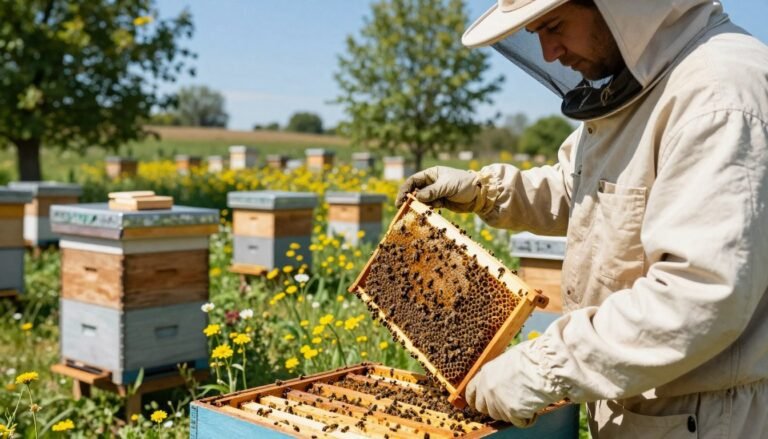
Assessing colony strength hinges on simple, observable signs during a short check. A practical inspection helps growers and beekeepers decide if a hive will serve as effective pollinators during bloom.
Identifying Strong Colonies
Count the bees. In mid-summer, a healthy hive may host about 30,000 residents. That number indicates robust foraging and brood care.
Check brood coverage. Many beekeepers look for at least five combs with brood. This confirms steady egg-laying and a growing population.
Watch bee behavior. Strong colonies often boil over comb tops when the lid lifts. Active movement suggests good temperament and strength.
- Monitor the queen to ensure she lays enough eggs through the year.
- Note stores of honey and pollen to gauge short-term colony resilience.
- Reassess counts and comb condition over time to detect declines early.
| Measure | Good Indicator | Why It Matters |
|---|---|---|
| Adult bee number | ~30,000 in mid-summer | Predicts field activity and foraging capacity |
| Brood combs | 5+ combs covered in brood | Shows a laying queen and population growth |
| Behavior on opening | Bees boil over combs | Indicates vigor and strong colony cohesion |
For practical inspection protocols and deeper checklists, review guidance on evaluating honey bee colonies and consult a broader list of tools at beekeeping resources.
Strategic Hive Placement for Maximum Foraging
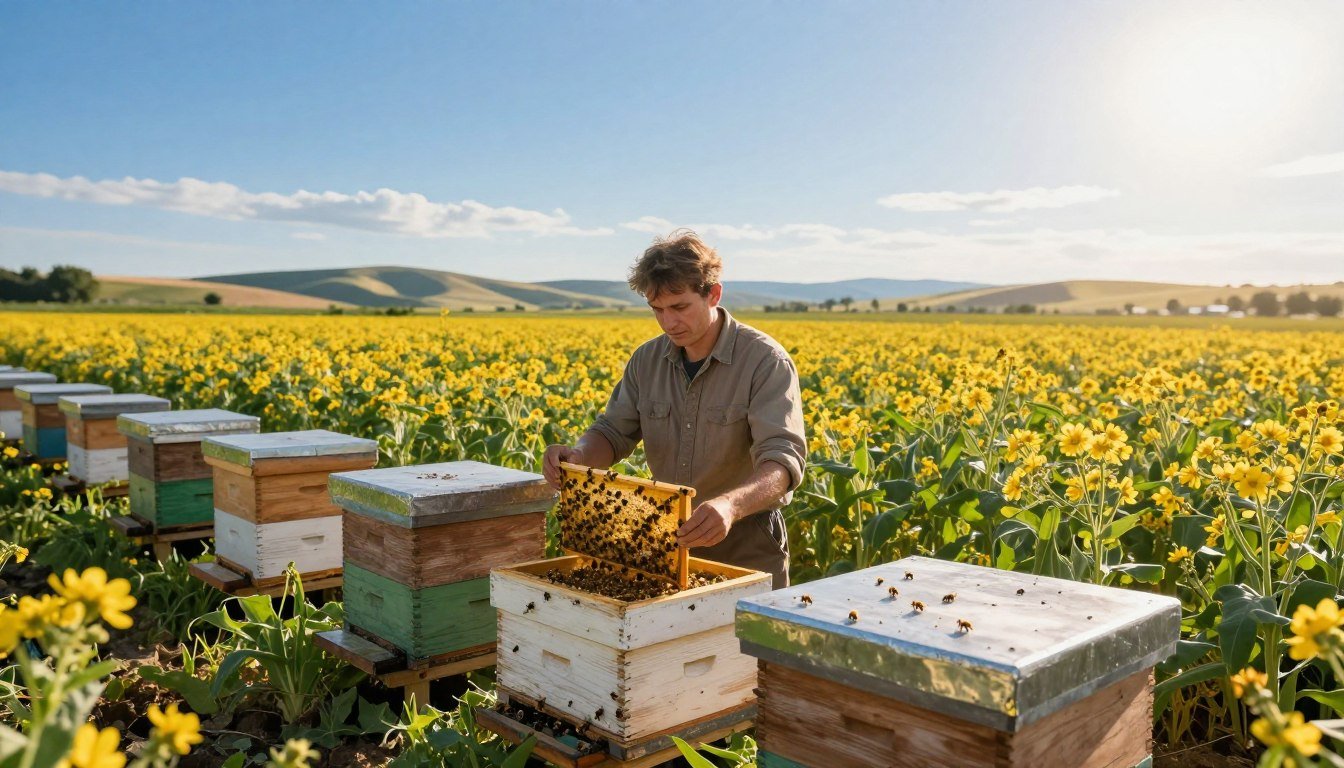
Good placement nudges foraging bees deeper into the field and lifts pollen transfer. Groups spaced at roughly 500-foot intervals give full coverage while honoring a bee’s ~300-foot preferred range from its hive.
Choose sunny, sheltered spots. Chilly, shaded colonies work slowly, so morning sun helps bees warm and begin foraging sooner.
Keep colonies clear of heavy human or livestock traffic. That reduces disturbance and lets the queen’s workers focus on blooms and honey collection.
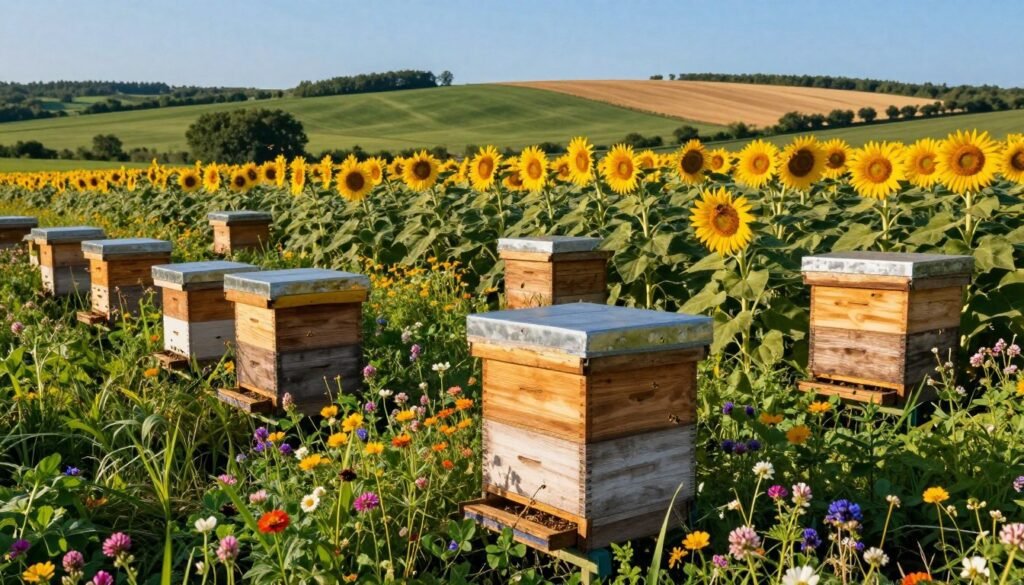
Place setbacks near field edges and use staggered lines to force bees to move inward. A strong hive with an active queen will send thousands of workers across the field, improving both pollination and honey yield.
- 500-foot spacing to ensure overlap.
- Sunny, elevated sites for early activity.
- Distance from workers and livestock to reduce stress.
“Well-placed colonies make every bee’s flight more productive.”
For case studies on maximizing field coverage, see a strategic placement study, and review small-space placement tips for compact farms.
Coordinating Timing and Field Access
Coordinating arrival windows and road access keeps trucks on schedule and bees calm during transport. Good timing reduces stress on the colony and improves results in the field.
Managing Nighttime Transport
Most moves happen at night when bees are not flying and temperatures are cooler. Many beekeepers load four hives per pallet with a forklift, then secure pallets on the truck.
Plan gate access, parking, and staging so the truck can arrive, load, and leave quickly. This limits disturbance to the queen and worker population.
Eliminating Competing Flora
Remove stray flowers before bloom to give bees a clear reason to visit your target plants. Competing blooms draw foragers away and dilute return per acre.
Apply bee‑hazardous sprays in the early evening when bees are grounded so residues fade by morning. Close coordination between grower and beekeeper ensures the truck arrives at the right time and the number of hives per acre matches field needs.
“Clear schedules and thoughtful moves protect colonies and boost day-long foraging.”
Mitigating Risks from Pesticide Applications
How and when pesticides are applied matters more than their mere presence near fields. Most poisonings occur when foraging bees visit flowers that were recently treated, not from direct spray on a hive.
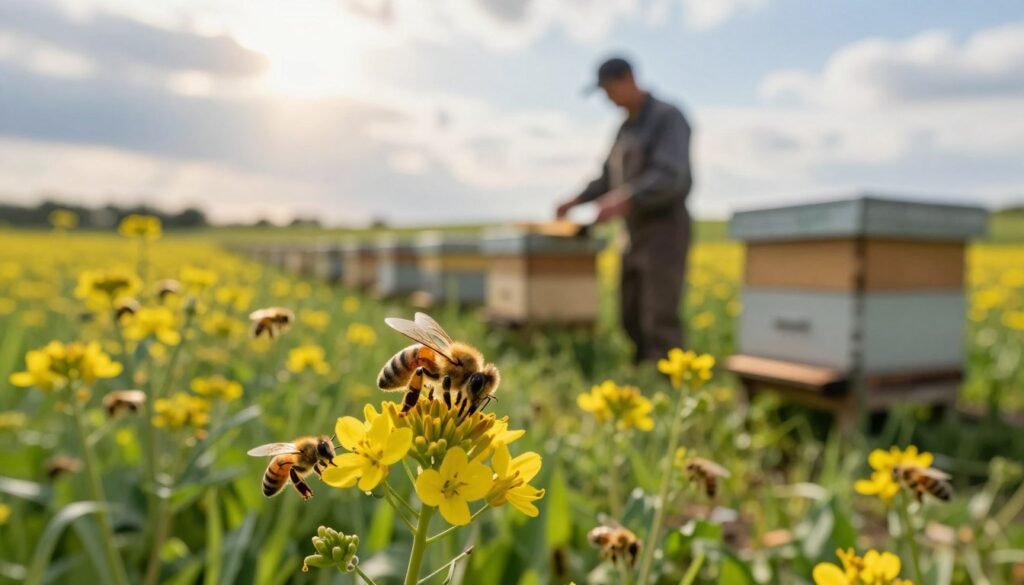
Slow-acting toxins pose a hidden threat. Foraging workers carry contaminated pollen back to the hive and poison young bees over days or weeks.
Growers should always consult their beekeeper before any pesticide applications. A short call allows the beekeeper to advise on hive placement and queen protection.
Many insecticides degrade quickly. When applied at the right time, residues may fall to safer levels within hours. Coordinated schedules reduce risk and keep honey bees active.
- Provide 24–48 hour notice of planned sprays as most contracts require.
- Prefer evening applications when bees are grounded.
- Remove or avoid treating blooming plants that attract foragers.
| Risk Factor | Best Practice | Why It Matters |
|---|---|---|
| Treated blooms | Avoid or notify beekeepers | Reduces forager exposure and contaminated pollen |
| Slow-acting insecticides | Schedule with time gaps | Prevents delayed colony mortality |
| Application timing | Apply after sunset or late evening | Bees are in the hive and less exposed |
For a practical guide on coordination and safe chemical use, review securing pollinator health.
“Clear communication between growers and beekeepers saves colonies and protects yield.”
Leveraging Chemical Attractants for Crop Yields
Chemical lures can nudge more workers toward specific blossoms when natural attractions fall short. Many products use synthetic queen cues or parts of the Nasonov signal to help bees orient to a target.
These attractants work best under marginal service conditions, such as when beekeepers cannot place hives in the field center. They increase visitation rates but do not force workers to feed on unappealing flowers.
Growers should treat attractants as a supplement, not a substitute for strong colonies. Healthy, well-managed hive health drives the biggest gains in honey and yields.
Use products during the narrow bloom window and when weather permits active foraging. Monitor bee behavior and pollen returns to see if the treatment raised visit numbers.
“Attractants can shift bee attention, yet no chemical replaces a vigorous queen and a robust colony.”
- Best use: marginal fields or edge placements.
- Limit applications to active foraging periods and calm weather.
- Track results by noting bee counts and pollen load.
Exploring Tax Exemptions and Agricultural Valuations
A clear plan that pairs landowners with experienced beekeepers can unlock tax benefits while supporting local pollinators.
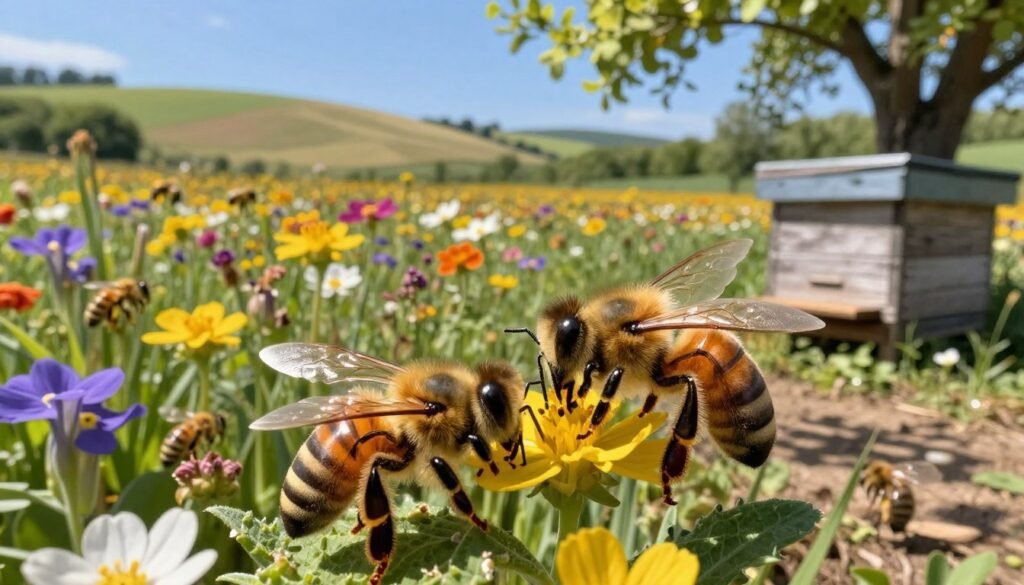
Many states offer agricultural valuation when owners maintain active colonies on qualifying acreage. In Texas, for example, property owners may qualify by keeping a minimum of six hives on 5–20 acres.
Meeting Property Requirements
Working with a beekeeper removes the burden of daily beekeeping while meeting legal thresholds. Many beekeepers supply equipment, carry out inspections, and manage the colony year-round.
Costs to place six hive units for a year typically run $1,500–$2,000 and usually include maintenance and regular checks. That arrangement lets a landowner secure an agricultural valuation without direct colony work.
- Beekeeper provides hives, queen care, and health checks.
- Owner gains compliance and supports biodiversity on the field.
- Contracts should spell out arrival, inspections, and return hive terms.
“Partnering with a licensed beekeeper simplifies compliance and boosts local honey and pollinator health.”
Check state rules and options in the 50-state guide before signing an agreement.
Conclusion
Professional pollination services let growers secure healthy bee hives without daily colony work. Partnering with experienced beekeepers gives access to managed hives that perform through bloom and save valuable time.
Prioritize the health of the bees by coordinating sprays and choosing safe placement. A clear agreement sets arrival dates, responsibilities, and returns.
With the right number of hive units and active communication, landowners gain both environmental rewards and stronger yields. Good planning protects the bee, the hive, and the farm’s long‑term value.
FAQ
What should I look for when choosing a professional beekeeper to supply hives?
Choose a beekeeper with proven experience in commercial pollination, solid references from growers, and clear biosecurity practices. Verify they manage strong colonies with healthy queens, low mite loads, and adequate brood. Confirm transport insurance, contingency plans for losses, and a written service agreement that outlines responsibilities, hive counts, and payment terms.
How do written rental agreements protect growers and beekeepers?
A clear contract defines dates of hive placement and pickup, the number of colonies per acre, payment schedules, and liability for theft or damage. It should address pesticide notification, night transport rules, and who covers losses from weather or pests. Having these terms in writing reduces disputes and speeds recovery when issues arise.
How can I assess colony strength before delivery?
Ask for recent inspection records showing frame counts of bees, brood area, and queen status. Strong colonies have multiple full frames of bees and active brood. Request on-site checks or photos taken the morning of pickup to confirm population. A reputable beekeeper will provide transparency about colony health.
What is the recommended number of colonies per acre for seed fields?
Recommendations vary by crop and flowering density. Many seed growers use between one and five colonies per acre depending on crop attractiveness and bloom duration. Discuss target fruit set with your beekeeper to adjust numbers. Avoid relying solely on generic figures—use field-specific scouting.
Where should colonies be placed in the field for best foraging?
Place colonies at field edges or corners near bloom hotspots to minimize flight barriers. Avoid low, wet areas and direct sun exposure at midday; provide morning sun and afternoon shade when possible. Position hives to give bees clear flight paths and to reduce pesticide drift exposure.
How should nighttime transport to the field be handled?
Move colonies late evening or before dawn when most foragers are in the hive. Secure hive boxes and ventilate properly during transit. Use experienced drivers and tie-downs to prevent damage. Notify neighboring farms about the move to coordinate any late-night activity and reduce disturbance.
How can we reduce competition from wildflowers and weeds during bloom?
Mow or manage competing blooms on field margins and ditches before crop bloom to keep bees focused on the crop. Coordinate with local landowners to control off-field nectar sources. Timely weed control increases effective pollination within the target fields.
What steps minimize pesticide risk to bees during bloom?
Communicate spray schedules with your beekeeper and avoid in-bloom applications of insecticides. Use bee-friendly timing (late evening or night) and selective products when possible. Apply buffer zones and follow label directions. Keep a pesticide notification and incident protocol in the rental agreement.
Can chemical attractants improve visitation and yield?
Certain pheromones and floral volatiles can enhance bee attraction but results vary by crop and timing. Work with agronomists and beekeepers to trial attractants on a small scale before full deployment. Ensure any product is approved and does not interfere with bee health or harvest residue limits.
What records help when claiming agricultural tax exemptions for pollination services?
Maintain invoices, written rental agreements, and placement logs showing dates and hive counts. Property tax assessors often require proof that pollination is part of active agricultural production. Keep receipts for beekeeper payments and notes on crop yields tied to pollination events.
What property requirements support agricultural valuation for apiary work?
Document regular commercial activity on the property, such as recurring pollination contracts and field maps showing hive placement. Demonstrate that the land supports active agricultural operations—such as seed or produce production—rather than hobby beekeeping, to meet valuation criteria.
How do beekeepers manage queen issues during pollination rentals?
Professional beekeepers monitor queen performance before placement and replace failing queens. They may requeen colonies with proven stock to ensure steady brood production. Discuss queen age and genetics in the contract so expectations about colony vigor are clear.
Who handles honey and comb products left after pollination?
Ownership should be stated in the agreement. Typically, beekeepers retain honey and combs produced in their colonies. If growers harvest surplus honey, specify methods, timing, and revenue sharing in writing to avoid disputes.
What contingency plans exist for colony losses during the season?
Agreements should outline replacement protocols, credit or refund policies, and thresholds for acceptable colony strength. Good beekeepers maintain reserve colonies and insurance where available. Agree on notification timelines and on-site inspections to document losses.
How can growers and beekeepers coordinate morning field access and operations?
Establish set access windows and communication channels before bloom. Morning inspections and maintenance should be scheduled to avoid peak bee activity. Use text alerts or a shared calendar to coordinate pesticide applications, harvest, and hive work.
What role does transport by truck play in large-scale pollination services?
Trucks enable timely delivery of large numbers of colonies to multiple sites. Professional pollination outfits use weather planning, secure loading, and chilled ventilation to protect bees. Discuss routes and staging areas with your beekeeper to streamline moves and reduce stress on colonies.