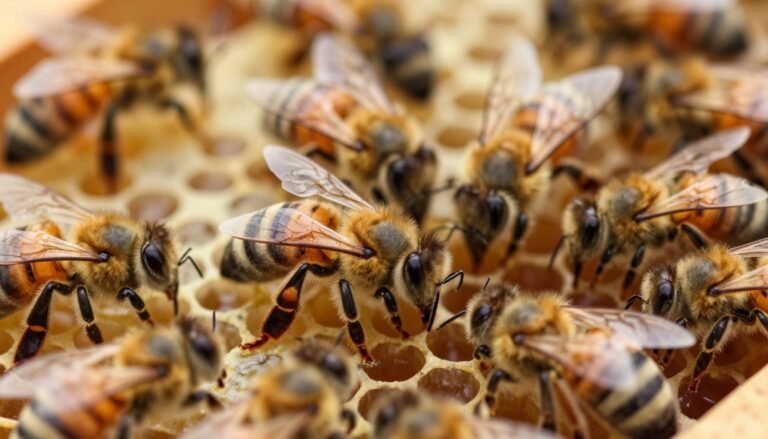
Replacing a failed leader in a hive is one of the trickier tasks a beekeeper faces. Success depends on reading the colony and acting with care.
David Cushman and Roger Patterson found that two similar colonies can react very differently to a swap. That shows how subtle hive dynamics can be.
When a box has laying workers, a clear plan helps. A mated queen is easier to place, while a virgin queen can work if the beekeeper is ready for more patience.
The queen’s pheromone profile guides acceptance. Every worker bee senses that signal and reacts. One rogue layer can confuse the whole colony and block a healthy restart.
Careful checks and timing make the process an art. With steady observation and professional steps, beekeepers in the United States can restore a productive hive.
Key Takeaways
- Verify the hive is truly queenless before any new placement.
- A mated queen usually eases acceptance; a virgin queen needs patience.
- Pheromone cues from the queen shape colony behavior and stability.
- Even one laying worker can derail the effort to reestablish brood.
- Watch bee activity and colony health closely during the transition.
Understanding the Challenges of Laying Workers
A hive with laying workers can appear normal while masking deep problems. This mismatch makes detection vital before you try to add a new queen.
Identifying the behavior
Identifying Laying Worker Behavior
Inspect frames for multiple eggs in a single cell — a clear sign of worker egg-laying. Check drone brood spread across comb; workers lack the anatomy to place eggs neatly.
Note that these bees act as if the colony still has a fertile female. That behavior confuses beekeepers and delays correct action.
The Impact on Colony Pheromones
Pheromone imbalance is the key problem. In a normal colony, the reproductive female emits signals that keep the hive focused on brood and honey production.
When those signals vanish, worker bees may begin laying. That new chemical environment often causes rejection of any introduced female and can doom the colony.
- Look for multiple eggs per cell.
- Recognize drone brood in worker-sized cells.
- Act quickly; the longer the hive stays this way, the harder recovery becomes.
For a practical walk-through on signs and methods, see the dreaded laying worker lesson.
Verifying the Queenless Status of Your Colony
Start by proving the colony truly lacks a fertile female; guesses risk losing a new queen and costly effort.
Adding a frame of fresh eggs is the most reliable way to check. Place the frame in the center of the comb and wait three to five days.
If the bees begin building queen cells on that frame, the colony is responding to a queenless state. No queen cells on the provided frame is a strong sign of problems with laying workers.
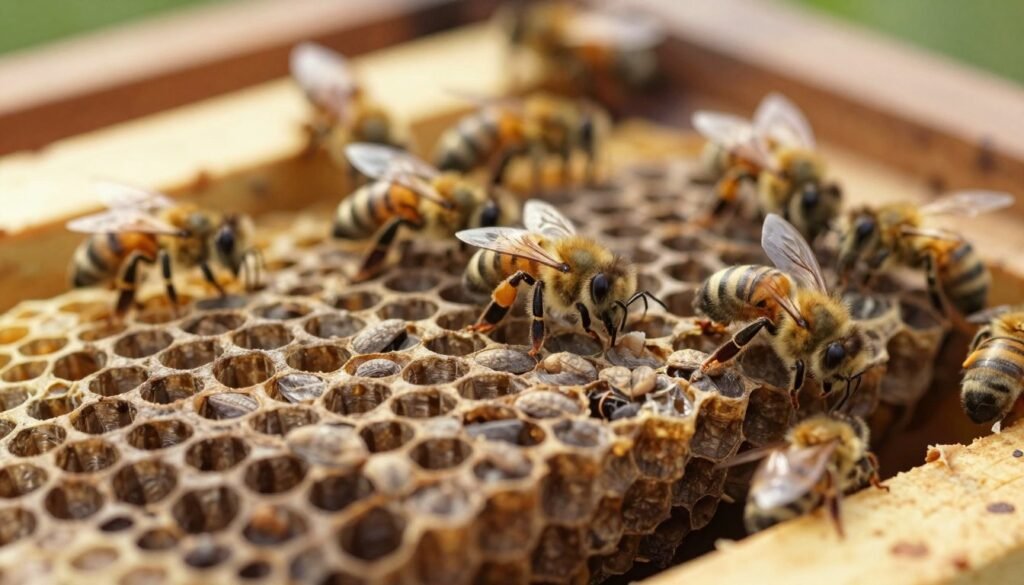
Carefully inspect every frame and corner of the box for hidden queen cells or a virgin female. Look for eggs and young larval brood; their presence shows the colony may be raising a replacement.
“The pheromone of a laying worker can mimic a queen, so the egg-frame test is the only reliable way.”
- Document the date you confirmed the colony was queenless.
- Remember: if the colony is not queenless, a new queen will likely be killed.
Essential Steps for Queen Introduction After Removing Laying Workers
Allowing a short quiet period in the hive makes introducing a new female far more likely to succeed. Wait at least 24 hours so the pheromone from the laying workers can fade and the colony can reset.
Before you introduce new stock, be sure every visible queen cells and emergency cells are removed. Any remaining cells let the bees raise their own and increase the risk of rejection.
Use a proven caging method to protect the new queen during the initial days. Place the cage in the center of the brood nest so bees can interact through the mesh but cannot harm her.
Feed 1:1 sugar syrup to distract the bees and boost acceptance. Choose a mated queen where possible; she has a better record in colonies troubled by laying workers than a virgin queen.
- Remove the laying workers and any queen cells.
- Wait 24 hours for pheromone levels to drop.
- Introduce the new queen in a cage placed in the brood area and feed syrup.
Monitor the colony for several days to ensure acceptance and resumed brood production. For practical techniques on cage types and timing, see a detailed queen introduction guide.
Assessing the Health and Quality of Your New Queen
A careful health check of the arriving queen is the first step to restoring brood and balance in the hive.
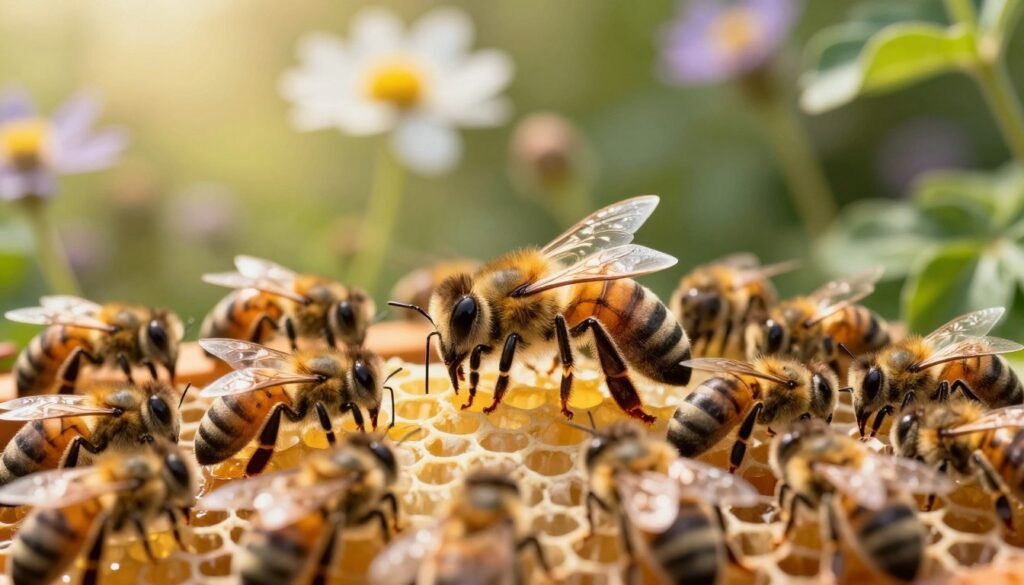
Physical Indicators: Inspect the abdomen for fullness and look for intact wings. A robust abdomen signals egg-laying capacity. Clear, flexible wings allow the female to move across comb and meet pheromone duties.
Physical Indicators of a Healthy Female
Check for visible mites or deformities. Any sign of disease risks the entire colony.
- Firm abdomen, no obvious damage.
- Clean legs and antennae; no stuck debris.
- Few or no external parasites.
Behavioral Signs of Vitality
A vital breeder will respond when gently nudged and move purposefully among frames. Activity on the frame shows she can locate cells and begin laying eggs within days.
Practical tips: Give a few drops of sugar syrup if she seems dehydrated. Watch for steady egg-laying over the next 7–10 days to confirm acceptance and suppression of any lingering laying workers.
Preparing the Hive Environment for Successful Integration
A tidy, well-provisioned brood nest makes acceptance far more likely than a cluttered box. Inspect frames and clear damaged comb that may harbor pests or disease. Replace old frames with fresh comb or foundation so the new queen can lay eggs in clean cells.
Ensure the hive has ample honey and pollen stores for the first few days. Feed 1:1 syrup if natural food is low; this eases stress and keeps bees busy while the breeder settles in.
Arrange frames to give the female clear pathways across the comb. A compact brood area or a reduced box (nuc) helps a large colony focus its care around the new breeder.
Maintain steady ventilation and shade to avoid extreme heat. A calm hive environment reduces aggression and helps pheromone signals spread evenly.
- Clear obstructions in the brood area so she can move freely.
- Remove old, damaged frames that may host disease.
- Monitor the colony for signs of aggression and intervene if needed.
For proven field methods and cage choices that aid acceptance, see a practical guide on successful queen techniques and a review of best queen cages.
Managing Temperature and Environmental Stressors
Temperature swings are one of the quiet threats that can ruin a newly placed queen’s chance to settle. Keep the hive out of direct sun and away from strong winds to help the colony maintain a steady internal climate.
Monitor the brood area daily for consistent warmth; eggs and larvae need stable heat to develop. If nectar is scarce, avoid introduction unless you feed 1:1 syrup to keep bees busy and well-fed.
If the queen arrived by mail, she may have endured temperature stress. Place her cage where airflow prevents overheating but still allows close contact with workers in the brood nest.
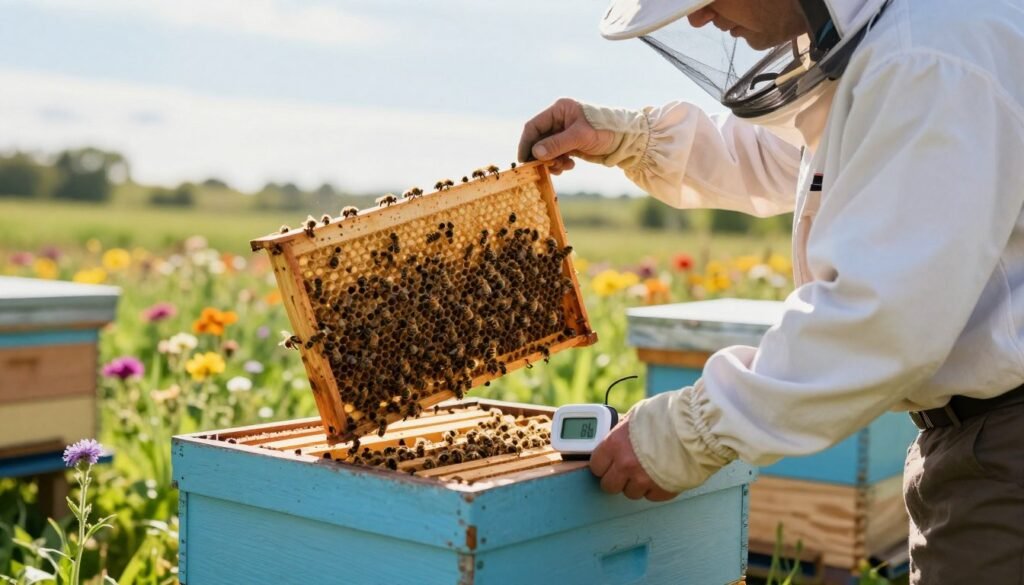
Add light insulation on very cold days and shade in heat waves. A calm, balanced box reduces aggression, helps pheromone spread, and gives the new female the best way to assert herself.
For practical regional guidance on minimizing stressors, see monitor and manage honey bee stressors.
Selecting the Right Queen Cage for Your Needs
Choosing the right cage can make the difference between a calm hive and a failed placement.
Why design matters: a good cage protects the new queen while letting bees detect her pheromone. JzBz cages are reusable and include a candy tube. This tube allows gradual release over several days and gives the colony time to adjust.
Avoid cages made of full perforation; they expose her to biting and injury. Pick a durable plastic or metal model that hangs securely between two frames in the brood area.
| Feature | Benefit | Recommended Use |
|---|---|---|
| JzBz tube candy | Controlled release over days | Challenging colonies |
| Solid central chamber | Protects from aggressive bees | Standard brood placements |
| Hanging hook / cap | Prevents crushing brood; allows timed release | Two frames placement |
| Perforated thin mesh | Risk of harm by worker bites | Avoid for sensitive colonies |
- Fill the candy tube fully; bees need that path to free her.
- Place the cage between frames in the brood nest so bees can interact safely.
- Select a size that allows movement but keeps protection in place.
Result: the right cage raises acceptance rates and helps the colony return to steady brood and honey production.
The Role of Attendant Bees in Colony Acceptance
Small helper groups that travel with a shipped breeder can change how a hive reacts. Wyatt Mangum reported that the presence of attendant bees increases the time a colony needs to accept a new queen.
These attendants often arrive with the breeder, but they may be seen as intruders by the resident bees. That perceived threat raises aggression and slows pheromone establishment.
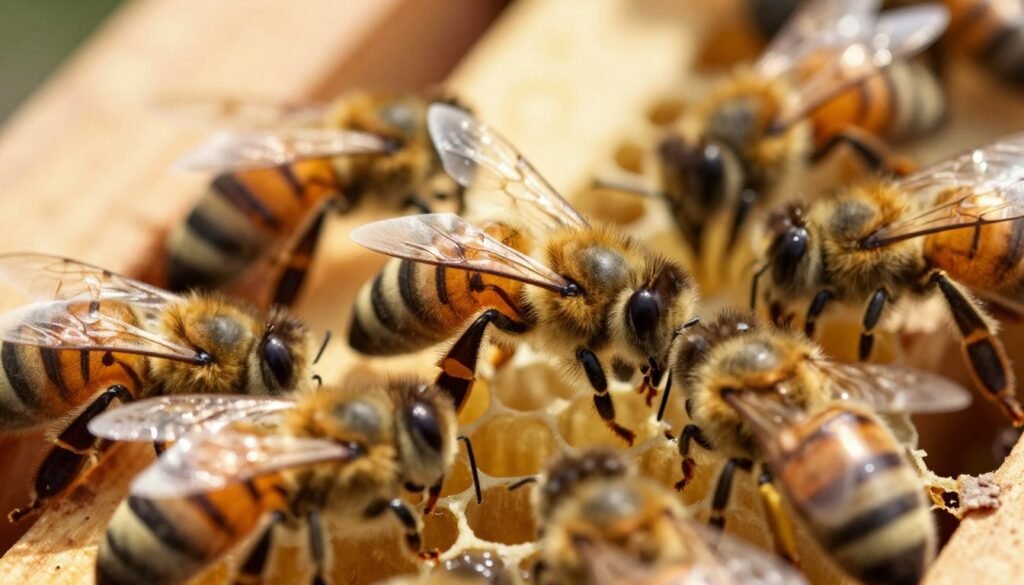
- Remove any foreign attendants before placing the breeder in the cage to reduce conflict.
- Handle the queen carefully; she is fragile and can be injured during transfer.
- Place the caged breeder between central frames so resident bees can access her scent safely.
Monitor the colony for several days to confirm acceptance. Evidence shows that introducing the queen alone gives the best chance for quick establishment of her pheromone and steady brood production.
“The presence of attendant bees significantly increases the time required for a colony to accept a new queen.”
Implementing the Candy Plug Release Method
A controlled candy plug release reduces shock and raises acceptance odds in troubled colonies.

The new queen is placed in a durable cage with a tube packed with firm candy. Staff bees must work through the plug to free her, which typically takes 2 to 4 days.
Firm candy slows access. A soft plug risks a premature release and higher aggression. If the cage remains closed after four days, gently poke a small hole to assist the process.
Position the cage between two frames in the brood nest with the candy end angled slightly upward. This prevents debris from blocking the cap and ensures a steady path for scent and contact.
- Benefits: gradual scent transfer lowers the chance that resident bees will ball the new female.
- Watch for bees biting the mesh — it signals poor acceptance and needs intervention.
- When dealing with colonies that had laying workers, this method improves long‑term brood recovery.
| Step | Timing | Tip |
|---|---|---|
| Pack candy plug | Before placement | Use firm candy, not sticky paste |
| Place cage | Day 0 | Between two frames, candy end up |
| Monitor | Days 2–4 | Poke hole only if still sealed |
For regional best practices and detailed handling, see the Purdue extension guide.
Utilizing the Push-in Cage for Brood-Based Introduction
The Nicot push-in cage places a new breeder directly onto comb with emerging brood so she can begin to lay eggs while still protected.
How it works: press the cage firmly into a patch of emerging brood on a central frame. This prevents burrowing under the cap and keeps the female safe from attack.
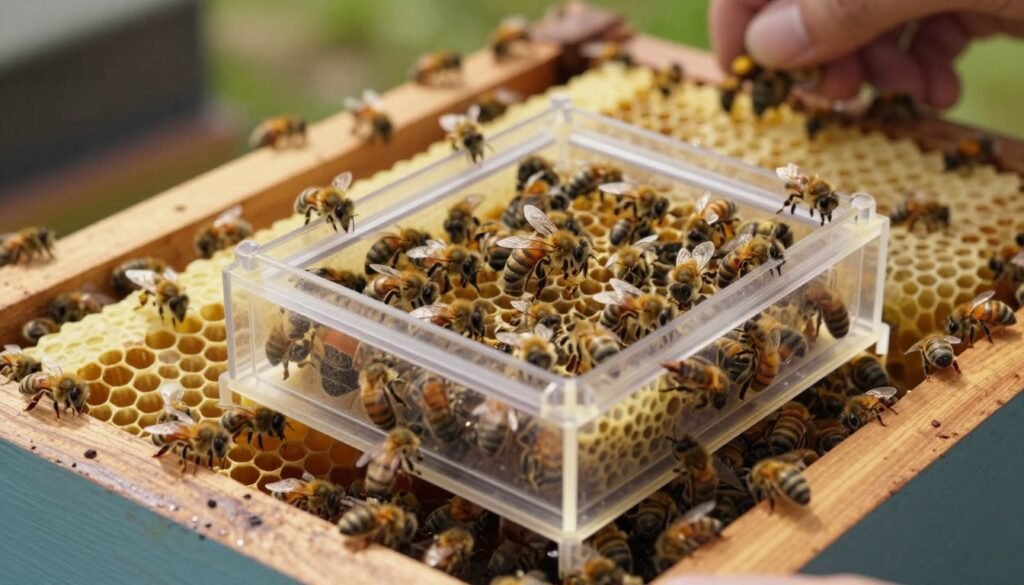
This method is ideal for instrumentally inseminated females or colonies that have a history of rejection. Over the next 3 to 5 days, check that the edges of the comb remain intact and that cells show fresh eggs.
Benefits: resident bees that emerge beside the cage tend and clean the breeder. Once she is laying and accepted, release yields high confidence of steady brood build-up in the hive and colony recovery from a queenless state.
- Secure the cage firmly into the comb to avoid gaps.
- Use a clean, solid frame of emerging brood for best acceptance.
- Inspect the cap at days 3–5; repair or re-seat if bees chew through the comb.
| Step | Timing | Key Tip |
|---|---|---|
| Place push-in cage over brood | Day 0 | Choose a central frame with many near-emergence cells |
| Monitor comb edges | Days 3–5 | Ensure no gaps under the cap; re-seat if needed |
| Release to colony | When eggs are present | Remove cage and return frames to brood nest |
Advanced Direct Release Techniques for Experienced Beekeepers
An advanced direct release puts a breeder straight onto open brood, and it demands steady hands and a calm colony.
Method overview: place the new breeder on a central frame of open brood and let her walk free. Lightly mist the bees and breeder with 1:1 sugar syrup to distract aggression and aid acceptance.
Another option is the smoke run: gently run the breeder into the entrance and follow with a few cool puffs. This can mask scents briefly and reduce hostility.
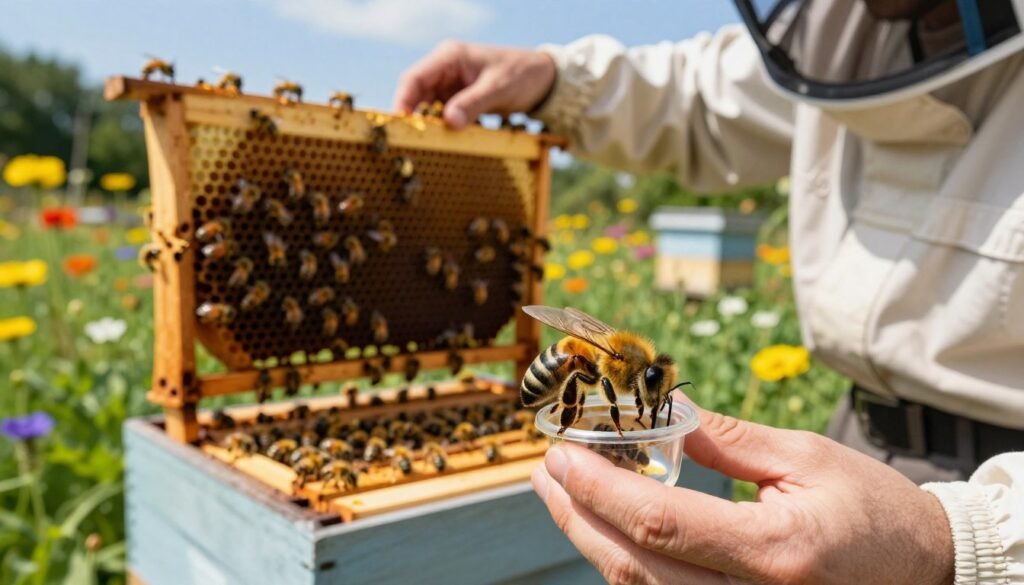
Risk note: these methods carry higher danger of injury or death and suit only confident beekeepers. Always have a caged queen as a backup and watch behavior closely for signs of aggression.
| Technique | Best Use | Key Risk |
|---|---|---|
| Direct frame release | Calm, well‑stocked hive | Immediate aggression |
| Sugar syrup mist | Distracts bees during release | Short-term feeding needs |
| Smoke run | Fast placement at entrance | May disorient colony |
If the colony shows signs of retained layers or persistent conflict, consult guidance on why bees reject a queen and switch to a caged method.
Handling Aggressive Colonies During Requeening
Dealing with an irritable colony calls for patience and a clear, methodical plan to protect a new breeder during placement.
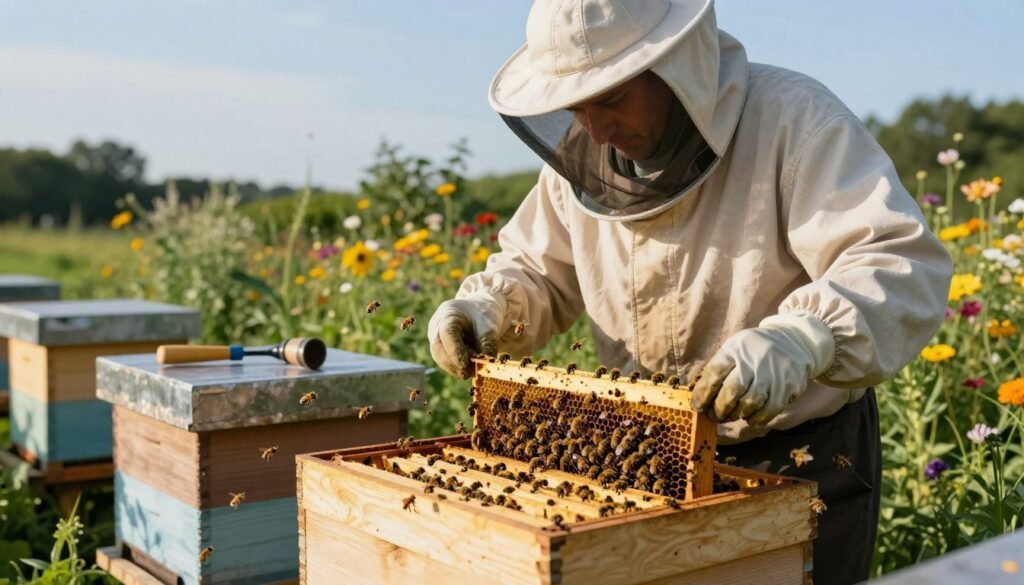
Strategies for Difficult Requeening Scenarios
Wait at least 48 hours with the box queenless. This quiet period helps pheromone levels fall and reduces immediate hostility toward the newcomer.
Use a protective cage positioned in the center of the brood cluster and between frames so resident bees can smell but not harm her. Offer light sugar syrup to distract bees and lower aggression.
- Minimize inspections; excessive disturbance raises conflict.
- Switch to a push-in cage if balling risk continues; it gives extra physical protection.
- Watch for clustered bees on the cage — an early sign of balling and high risk.
“Stay calm, move slowly, and let the colony set the pace.”
| Tactic | Timing | Benefit |
|---|---|---|
| 48‑hour queenless wait | Days 0–2 | Lower aggression, better acceptance |
| Center brood cage | Day 0 placement | Controlled scent transfer |
| Push‑in cage | Use if balling occurs | Physical refuge for breeder |
For related signs and timing guidance, see a practical note on preparing to swarm. With steady technique, beekeepers can manage even the most aggressive colonies and restore steady brood and honey production.
Monitoring for Signs of Acceptance and Brood Production
Early checks give clear signals when a recently placed breeder is winning acceptance from the colony.
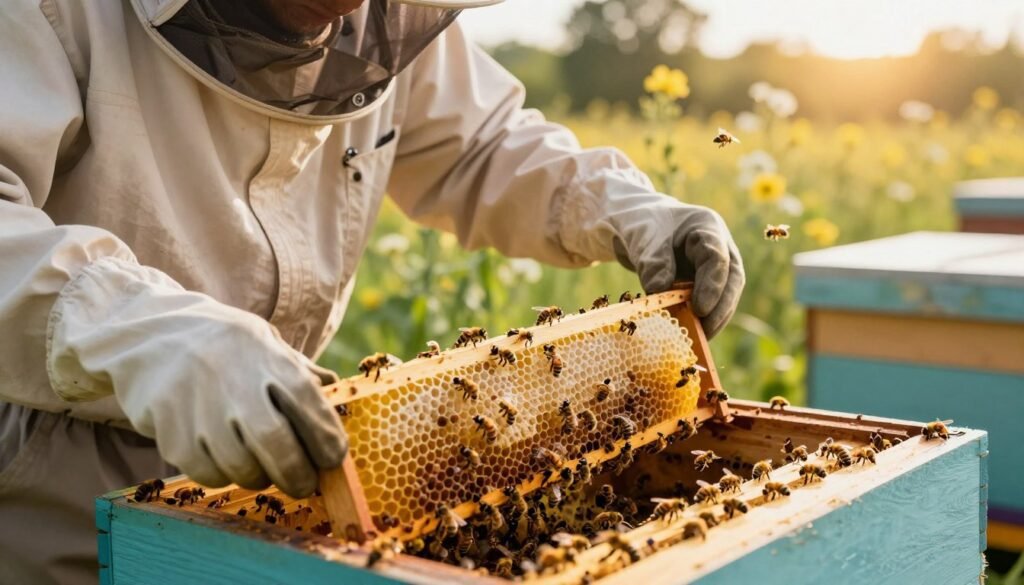
Do a quick look on day 4 to confirm the cage is open and the new queen is free. Avoid further disturbance for at least two weeks so the hive can settle.
Inspect again at days 5–7. Look for fresh eggs and tiny larvae in the central brood area. A tight, consistent brood pattern with few empty cells shows steady laying and strong acceptance.
If you find the breeder dead or notice rising aggression, the colony likely rejected her. In that case, repeat the process with a different method or stock and keep careful notes on timing and outcome.
“Patience and recorded observations are the beekeeper’s best tools during reestablishment.”
- Check day 4 for release; check days 5–7 for eggs and larvae.
- Minimize inspections for two weeks to aid acceptance.
- Record dates and outcomes to guide future requeening orders.
| Checkpoint | Day | What to look for |
|---|---|---|
| Cage status | Day 4 | Cage open; breeder free |
| Early brood | Days 5–7 | Fresh eggs and tiny larvae |
| Settlement | Weeks 2–3 | Capped brood and steady pattern |
For further reading on what behaviors to watch, see what behaviors to watch, and review basic techniques at beekeeping basics.
Troubleshooting Common Causes of Queen Rejection
Many rejections trace back to hidden brood or an unexpected resident female. Start by scanning frames carefully for any concealed queen cells or a virgin that could compete with the newcomer.
Check whether the colony truly lacked a fertile female before placement. If the box sat queenless too long, the rise of laying workers or errant egg layers raises the risk that the new breeder will be attacked.
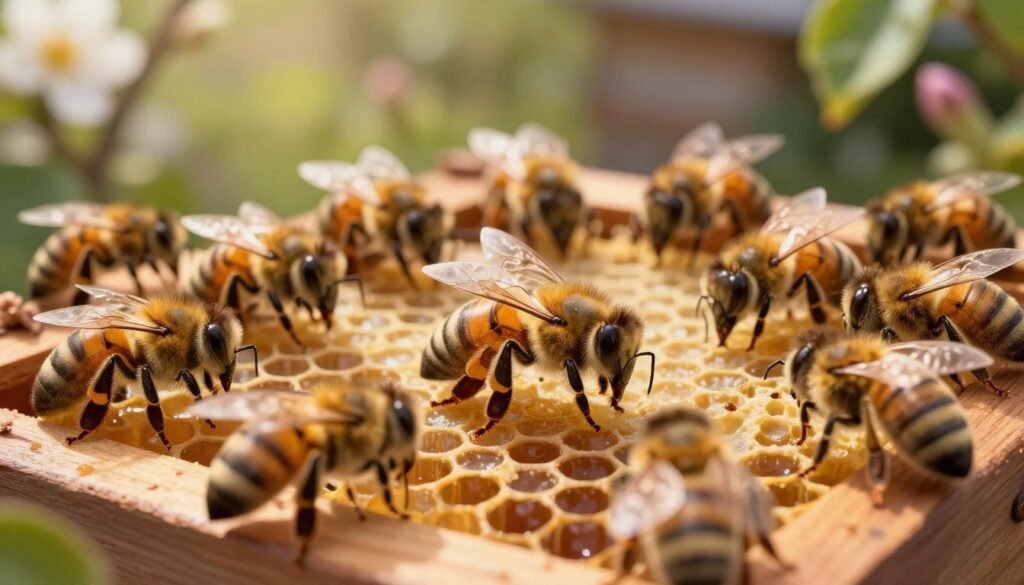
Review the choice of cage and the selected method. A wrong cage or an unsuitable release method can trigger early hostility and block scent transfer needed for acceptance.
- Double‑check for hidden queen cells and emerging rivals.
- Confirm the breeder’s health and that the cage is prepped correctly.
- Consider season, nectar and pollen availability — resource shortage lengthens the time to accept a newcomer.
If rejection occurs, pause and assess causes before trying again. Change the strategy to a protected release, adjust timing, or consult practical guides like queen rearing basics to improve long‑term acceptance.
“Careful diagnosis of a failed placement saves time and increases future success.”
Best Practices for Maintaining Colony Stability
Small, regular habits often prevent the big problems that unsettle a colony.
Inspect regularly. Do short weekly checks to confirm brood health, stores, and behavior. Note changes in the laying pattern and react quickly if you see gaps or erratic egg distribution.
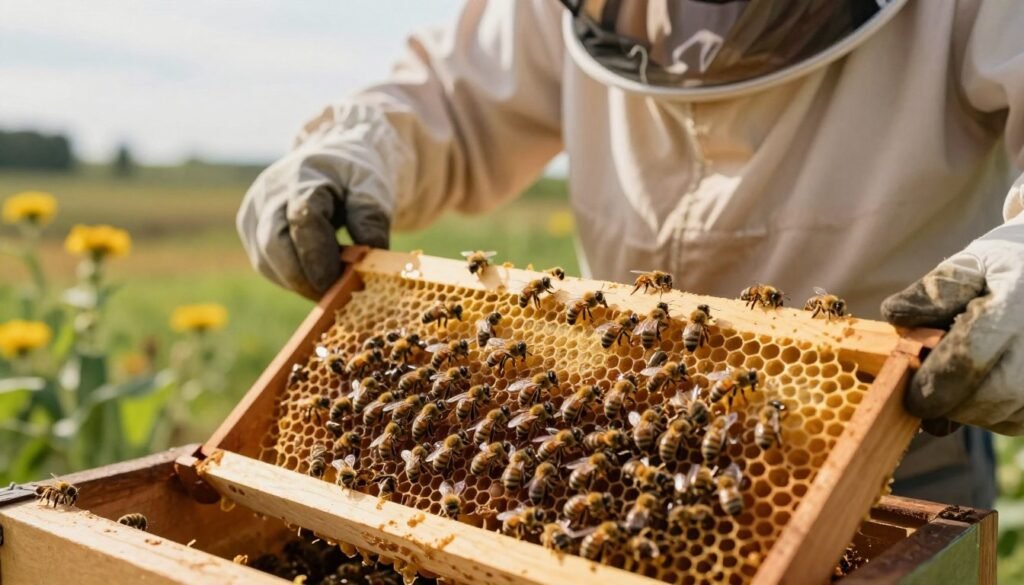
Rotate frames periodically to reduce pest buildup and renew comb. Swap older comb with fresh foundation when possible to lower disease pressure and improve brood placement.
Keep the hive balanced. Ensure there is enough honey and pollen, a compact brood area, and good ventilation. These measures help pheromone flow and lower the chance that laying issues will start.
- Record inspections and dates to track trends.
- Rotate a spare frame into the brood nest when comb is worn.
- Intervene quickly on sudden brood loss or aggression.
Stay organized. Consistent management by beekeepers builds resilient colonies that resist seasonal stress. For broader apiary planning and to reduce swarm risk, review prevent swarming best practices.
Conclusion
A successful final check ties together timing, method choice, and careful follow‑up.
Confirm the hive is stable and that the new queen is settling into her role. Watch for fresh eggs on the central frame within the first days and a steady pattern that shows laying has resumed.
Record results on a labeled frame and note brood progress across the colony. Keep inspections minimal for two weeks so the bees can adjust and the breeder can establish pheromone control.
If you need a refresher on steps and timing, consult a formal guide for queen placement and tips to boost colony population.
With patience and clear records, beekeepers can restore strong colonies and return hives to productive, healthy bees.