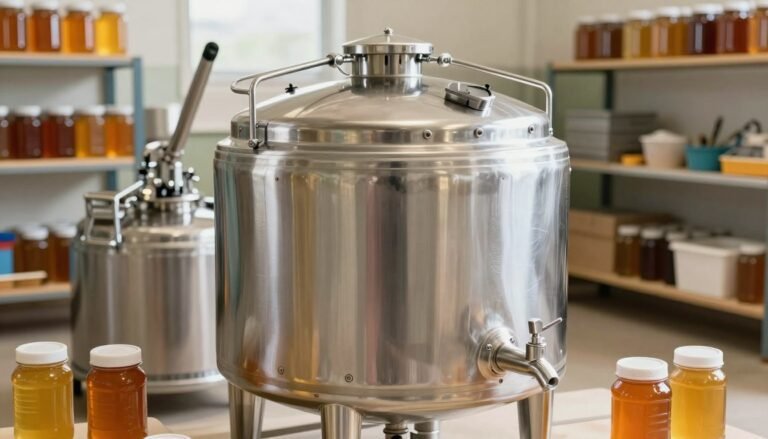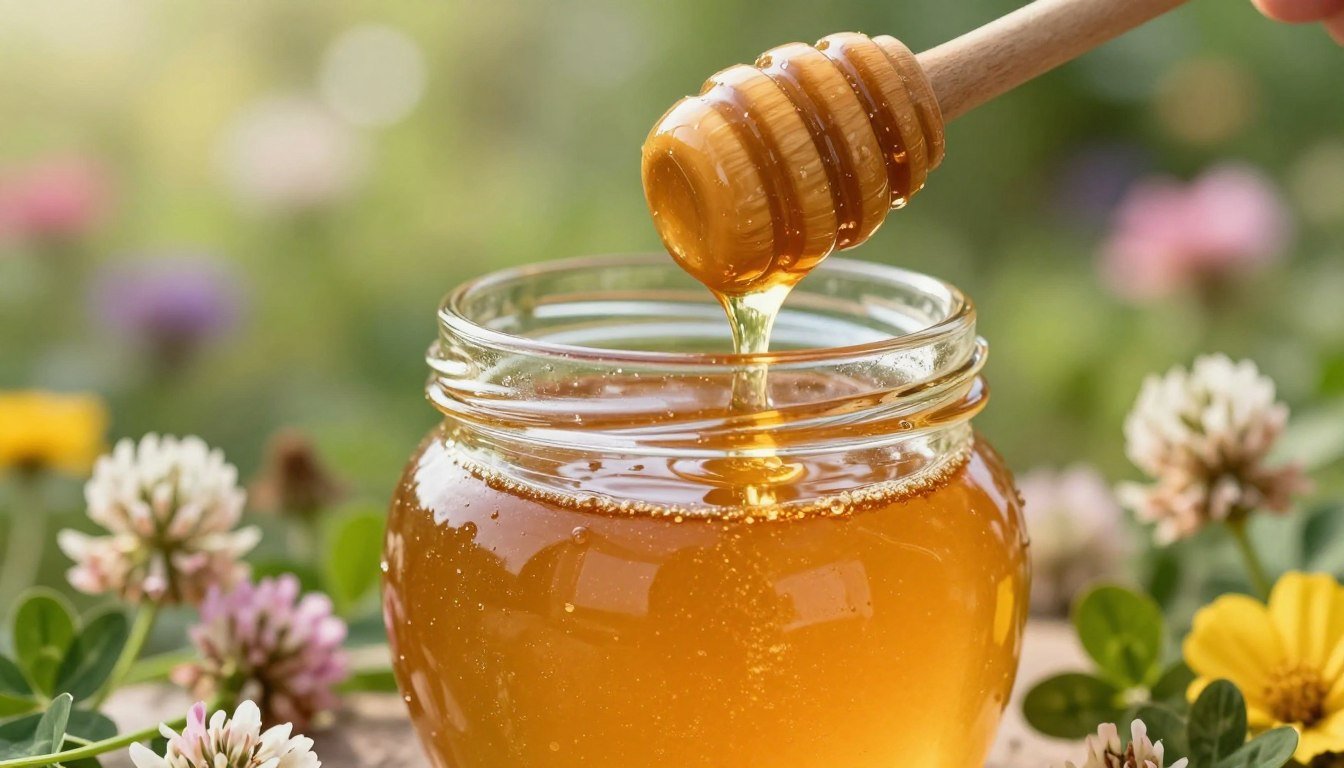
Bees collect nectar from plants, and that choice shapes the jar you buy. The nectar’s makeup — sugars, minerals, water and pollen — influences both shade and taste.
The Pfund scale gives a simple millimeter reading that helps consumers match color to likely flavor profiles and intensity.
Light jars often come from spring blooms like apple or clover, while late-season plants yield darker, bolder varieties. Yet shade does not always mean better purity.
Commercial blending can mask natural variation and affect consistency. For readers who want deeper technical context, see an overview of seasonal effects on appearance and flavor at seasonal bloom color and a discussion of phenolics and pH at nectar chemistry and pH.
Key Takeaways
- Nectar origin is the main driver of shade and flavor in jars.
- The Pfund scale links visual tone to expected taste strength.
- Water, minerals and pollen affect both appearance and composition.
- Blending by producers can change consistency and mask variety.
- Light versus dark often signals mild versus robust flavor, not quality.
- Knowing the plant sources helps consumers choose preferred varieties.
Understanding How Floral Source Changes Honey Color
Different plants visited by foraging bees leave distinct chemical fingerprints that shape a jar’s tone and taste.
Wildflower batches are blends of many nectars, so their appearance can vary from one harvest to the next. If a single plant supplies 51% or more of the nectar, producers can label the jar by that plant, for example orange blossom.
The transformation begins when bees collect nectar from nearby flowers. Enzymes in the bee’s honey stomach interact with sugars and acids. This reaction alters pH and influences both shade and taste.
- Each nectar type contributes unique sugars and compounds that define flavor and appearance.
- When clover dominates a foraging run, jars often show a lighter tone.
- Beekeepers track nectar flow to predict which colors and profiles a harvest will yield.
“The botanical mix around a hive is the primary driver of the final product’s look and character.”
Producers who monitor plant bloom cycles can keep color and quality consistent. Understanding the floral source helps consumers and makers make better choices about varieties and intended uses.
The Biological Process Behind Honey Pigmentation
Inside the hive, raw nectar undergoes a series of chemical shifts that set the final tone of each jar.
Enzymatic Reactions
Bees secrete enzymes into collected nectar, transforming sugars and changing the mixture’s composition for storage. These reactions reduce simple sugars and create compounds that affect both taste and shelf life.
Evaporation follows: bees fan and ventilate the hive to lower water content until the product is thick and stable. That step is crucial; high moisture invites fermentation.
Occasionally bees forage on unusual sugary sources — in 2012, foragers near a candy plant produced striking blue-green jars — which shows how external sugars can alter pigment.
The Role of Pollen
Pollen grains travel with nectar and deposit pigments and minerals into the comb. Even tiny pollen traces shift the visible tone and the mineral profile that informs flavor.
Beekeepers monitor bloom cycles to predict which types of jars a hive will yield. For deeper reading on nectar flow research see nectar flow research.
- Enzymes change sugar balance and preserve the final product.
- Evaporation reduces moisture to the proper water content for storage.
- Pollen and minerals lock in pigments that define each variety.
| Process | Primary Effect | Impact on Jar |
|---|---|---|
| Enzymatic action | Sugar transformation | Flavor stability and subtle pigment shifts |
| Evaporation | Moisture reduction | Thicker texture and longer shelf life |
| Pollen deposition | Mineral and pigment addition | Visible tone and mouthfeel changes |
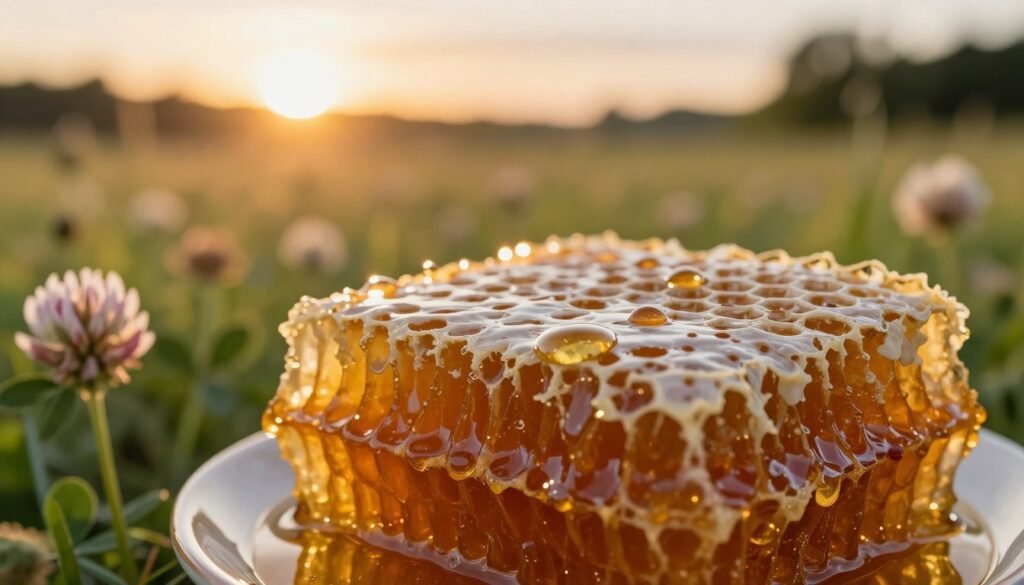
For grading context and standards tied to appearance, consult an analysis of grading standards.
“The smallest botanical input can alter the pigment and profile of an entire harvest.”
Standardized Classification Systems for Honey
Standardized tools let producers and regulators describe jar tones with precision.
The Pfund scale dates to the 1950s and measures tone in millimeters using a wedge-shaped comparator. This numerical reading is widely accepted as the gold standard for classifying jars by visible shade and expected flavor intensity.
The USDA groups products into seven categories: Water White, Extra White, White, Extra Light Amber, Light Amber, Amber, and Dark Amber. These labels help consumers pick a preferred type and let producers maintain consistent offerings.
Another industry tool is the Lovibond visual comparator, which gauges intensity by matching samples to colored glass chips. Together, these methods let beekeepers and packers place each batch on a reliable scale.
- Pfund gives a numeric reading for predictable flavor cues.
- USDA grades provide seven clear categories consumers recognize.
- Lovibond measures visual intensity for manufacturing and quality control.
“Standard charts let every bee colony’s output fit into an agreed grading system, simplifying purchase and labeling decisions.”
For examples of regional varieties and labels, see a catalog of popular U.S. jars at popular U.S. honey varieties.
How Color Profiles Relate to Taste
A simple glance at a jar can hint at the mineral load and flavor punch waiting on your spoon.
Light jars—like clover honey—tend to deliver a mild, delicate taste. These lighter honeys work well in tea or drizzled on fruit because they do not overpower other food flavors.
Dark varieties often bring higher mineral and polyphenol content, which creates a bolder, earthier profile. Buckwheat honey, for example, is dark and offers molasses-like depth that suits baking and robust recipes.
Flavor Intensity and Mineral Content
Orange blossom stands out with bright, slightly acidic notes that differ from buckwheat’s earthy tones. In general, the darker the jar, the stronger the flavor.
- Light—mild, versatile for beverages and fruit.
- Medium—balanced, good for sauces and dressings.
- Dark—robust, ideal for baking and bold dishes.
| Profile | Key Minerals | Typical Use |
|---|---|---|
| Light (clover) | Low iron | Tea, fruit |
| Medium (orange blossom) | Moderate magnesium | Dressings, yogurt |
| Dark (buckwheat) | Higher iron, manganese | Baking, marinades |
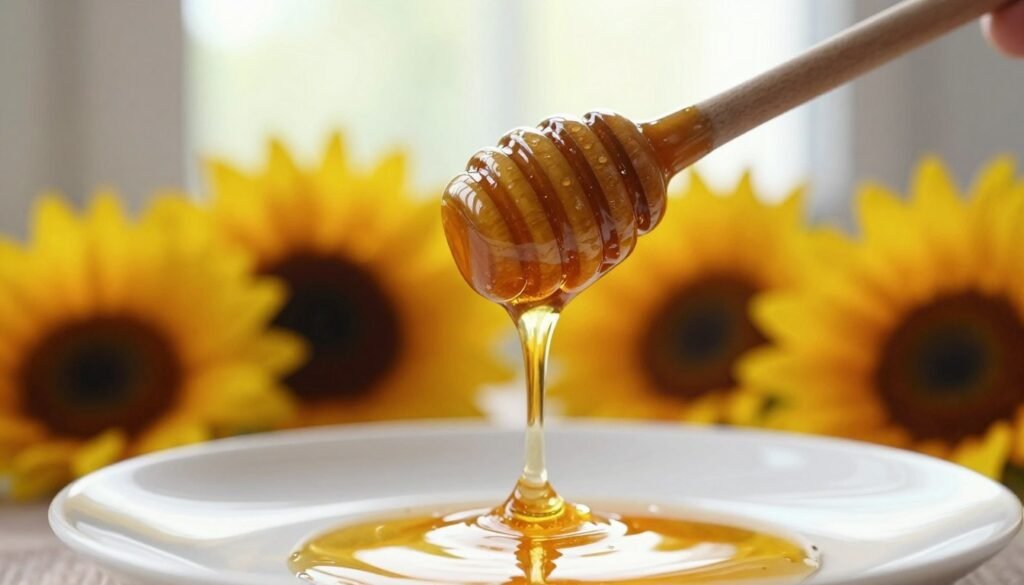
“Shade offers a useful clue to taste, but sampling different varieties reveals the full range of flavors.”
To explore tasting notes and regional varieties, see why honey looks different.
Environmental and Seasonal Influences on Nectar
A single wet spring or a long drought can rewrite the local bloom calendar and the nectar available to bees.
Rainfall and temperature steer which plants flower and when. That timing shapes the nectar flow and directly affects jar tone and taste.
In the United States the same hive can yield different jars from year to year. A dry Texas summer may favor mesquite and huisache, while a wet spring will boost clover blooms and lighter honeys.
- Environmental factors govern nectar availability and thus flavor and color.
- Regional terroir — soil, climate, and plant mix — leaves a clear mark on jars.
- Buckwheat and many floral sources respond strongly to seasonal swings.
Pollen and minerals carried with nectar add pigment and trace elements that define the product in your pantry.
“Understanding the local plant ecosystem helps explain why the taste and tone shift with each harvest.”
To compare regional patterns and why local jars differ, see a short guide on local honey tastes different.
The Role of Storage and Aging in Color Shifts
Storage conditions and time gently alter a jar’s tone and taste.
Temperature Effects
Temperature
Warm storage accelerates chemical reactions in a sealed jar. Over months, a light jar can deepen toward dark amber and develop a stronger flavor.
Keep jars cool. Avoid hot pantries or long sun exposure. The hive sets the initial profile, but jar conditions control long-term stability.
Crystallization Processes
Crystallization
Crystallization is natural. As moisture and water content fall, glucose forms crystals and the product looks lighter because crystals reflect light.
Crystallized raw jars are not spoiled. Gently warming a jar in warm water will return it to liquid form without harm.
- Light batches stored warm may darken to dark amber.
- Glucose-to-fructose ratio governs crystallization speed; clover often crystallizes faster.
- A change in tone usually means a stronger taste, not spoilage.
| Factor | Primary Effect | Consumer Tip |
|---|---|---|
| High temperature | Darkening, flavor intensifies | Store cool, under 70°F |
| Low moisture | Crystallization, lighter appearance | Warm gently to reliquidify |
| Composition (glucose/fructose) | Rate of crystal formation | Use crystallized jars for spreading |
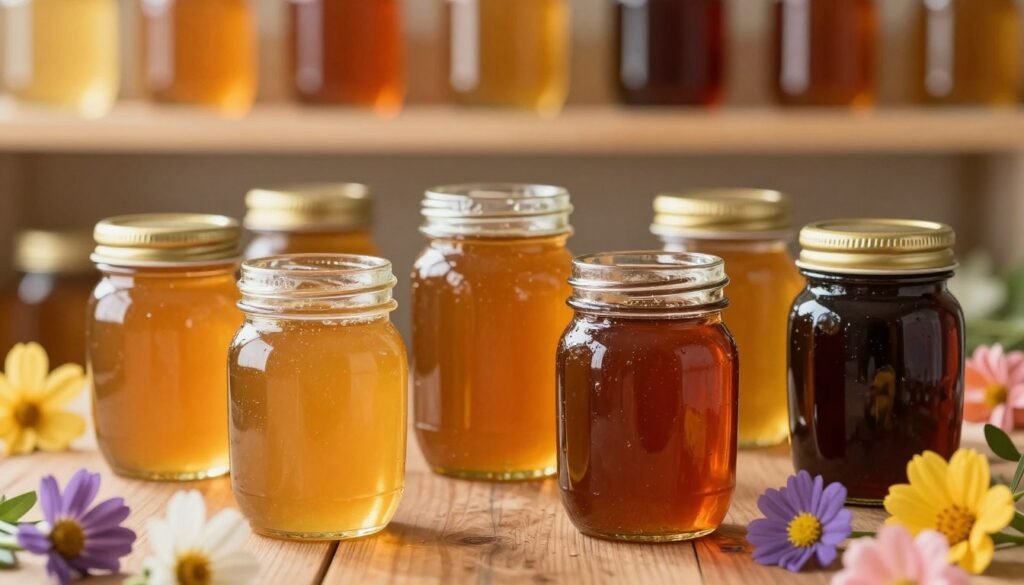
“A jar’s aging tells a story: darker tone often signals deeper taste, not spoilage.”
For regional storage guidance tied to local climate, review regional climate profiles.
Distinguishing Between Natural and Adulterated Honey
Detecting adulteration starts with a simple visual and sensory check at the market. Look for natural variation in tone and taste; perfect uniformity can be a sign of blending or added sugar syrup.
“Honey Laundering” describes blending jars with cheap syrups to cut costs. Large producers sometimes do this to keep a stable flavor and tone across batches. That practice alters composition and removes enzymes and nutrients found in authentic products.
Buy local from trusted beekeepers when possible. Local sellers usually offer raw jars with real variations that reflect nearby plants and nectar. Raw product keeps natural water content and enzymes intact, unlike many processed brands.
- Watch moisture and texture. Excess water or a thin pour may indicate dilution.
- Check labels. Single-plant claims should match visible variation and taste.
- Learn simple tests. See a practical guide to testing purity at home for more methods: home testing for purity.
“The integrity of the jar begins at the hive — supporting local beekeepers is the best defense against adulteration.”
For notes on matching expected tones to regional blooms and expected jar tone, consult a short primer on seasonal jars and appearance: seasonal color and flavor guide.
Navigating Honey Varieties at the Market
Choosing a jar at a store is easier when you match regional styles to your preferred flavors and uses.
Start with the label. If 51% or more of the nectar comes from one plant, the producer may list a single variety. That helps you find a clover honey for mild uses or a buckwheat honey for bold recipes.
Regional trends matter. U.S. shoppers often pick lighter jars, while some European markets favor darker, stronger profiles. Texas beekeepers note no two seasons yield the same jars because plant mixes shift year to year.
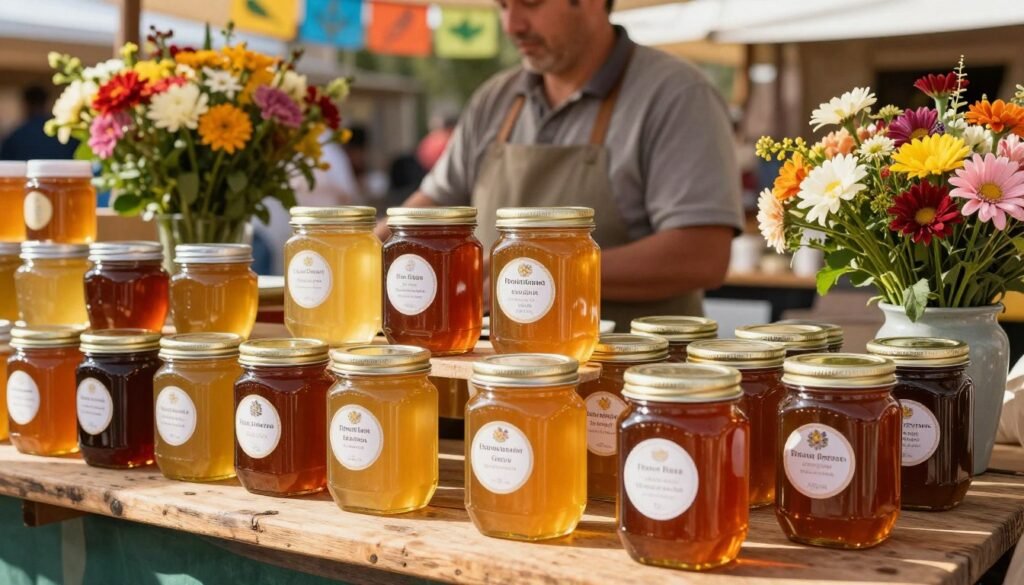
Quick buying tips
- Check whether a jar is single‑plant or a blend to set expectations for taste and texture.
- Consider moisture and sugar content; these affect spreadability and crystallization in food.
- Taste small samples side by side to learn subtle differences from local plants and nectar.
“Local patterns and labeling give the clearest clue to a jar’s intended use and profile.”
| Item | Typical Profile | Best Use |
|---|---|---|
| Clover | Light, mild | Tea, fruit, general sweetening |
| Orange blossom | Floral, bright | Dressings, yogurt |
| Buckwheat | Dark, robust | Baking, marinades |
For a brief regional comparison and why jars vary by locale, read this note on local honey tastes different.
Final Thoughts on Selecting Quality Honey
Selecting a jar is both practical and a little like tasting a region’s seasons. Learn a few simple cues and you can match taste to use with confidence.
Natural variation matters. The work of bees and the nectar they collect creates unique jars; slight shifts in tone and taste are signs of authenticity, not defects.
Try local lots and single-plant offerings to explore different flavor profiles. For notes on regional differences see local honey tastes different, and check planting guides like best forage plants to learn which sources favor light or dark color.
Ultimately, the best honey is the one you enjoy most. Taste widely, keep jars cool, and let your palate guide future purchases.