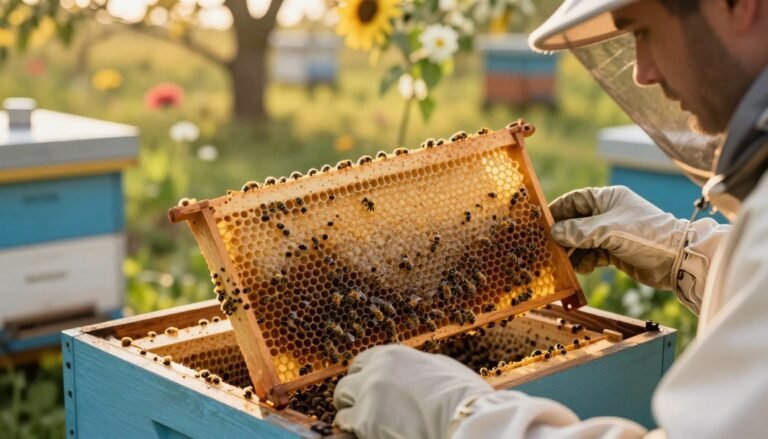
Choosing the right treatment for varroa mites starts with understanding your colony’s biology through the seasons. Beekeepers in the United States often weigh two common approaches to pest control and consider brood status, seasonal timing, and safety protocols.
The decision hinges on application method, efficacy rates, and how each option fits your management style. Proper application reduces colony stress and lowers the chance of loss during heavy infestations.
In this article, we analyze technical differences, safety steps, and timing so you can match a treatment to local conditions. Clear guidance helps you pick the approach that protects bees while keeping mite levels under control.
Key Takeaways
- Compare methods by season and brood presence before choosing a plan.
- Follow safety protocols to protect workers and colonies during treatment.
- Evaluate efficacy data and local weather when scheduling applications.
- Both options can work when used correctly and timed well.
- Keep records to track results and refine your management strategy.
Understanding the Varroa Mite Threat
Understanding how varroa reproduce inside brood cells helps explain rapid population surges in hives.
The life cycle of varroa centers on the sealed brood cell. An adult female enters a cell just before it is capped and lays eggs. In one development cycle a single cell can produce about 3–5 new mites as the bee grows.
The Life Cycle of Varroa
The queen can lay 1,000–2,000 eggs each day, so brood production drives mite growth. Mite numbers rise quickly when many cells are occupied by developing bees.
Impact on Colony Health
Mites feed on adult bees and brood. Over years researchers found feeding creates wounds that impair bee function.
- The Varroa Destructor is now a global problem; it reached Australia in June 2022, threatening hives worldwide.
- High mite loads weaken colonies and increase disease risk.
- Understanding the life cycle is the first step to protecting colonies and keeping hives healthy.
The Role of Integrated Pest Management
IPM blends monitoring, biological methods, and targeted treatments to protect hive health. This approach helps keep varroa numbers under thresholds that harm colonies.
Rotate tools over years to avoid resistance and maintain long-term control. Use softer options when possible and save stronger treatments for when monitoring shows a real need.
Consistent checks let you track mite trends and measure how well each treatment performs. Good records let a beekeeper adjust timing and reduce reliance on harsh chemicals.
- Monitor monthly with sugar or alcohol rolls.
- Apply a targeted treatment only when counts exceed thresholds.
- Combine cultural controls, like brood breaks, with selected treatments.
| IPM Component | Action | Benefit | Typical Timeframe |
|---|---|---|---|
| Monitoring | Regular mite counts | Early detection | Monthly |
| Mechanical | Drone comb removal, screened bottom boards | Reduces mite reproduction | Spring–Fall |
| Chemical & Biological | Rotate approved treatments | Prevents resistance | As needed |
| Record Keeping | Log counts and outcomes | Improves future control | Years |
Formic Pro vs Oxalic Acid Vaporization: A Comparative Overview
Comparing two natural mite controls helps beekeepers match a treatment to hive conditions and harvest goals.
One approach works as a fumigant that can penetrate wax cappings and affect mites inside brood cells. The other acts mainly as a surface cleaner that targets phoretic mites riding on adults.
Temperature windows and the presence of honey supers shape which method you choose. If supers are on, many beekeepers avoid treatments that may taint honey.
Both products are natural in origin, but they require careful handling and proper timing. Overuse without rotation invites resistance and reduces long‑term effectiveness.
- Use fumigant-style treatment when brood penetration is needed.
- Use surface treatments for broodless or winter checks.
- Rotate methods and monitor counts to protect colony health and honey quality.
| Feature | Fumigant-Style | Surface Cleaner |
|---|---|---|
| Main action | Penetrates cappings, treats in-cell varroa | Targets phoretic mites on adult bees |
| Best timing | When brood present and temps appropriate | Broodless periods or winter checks |
| Honey supers | Avoid or follow label restrictions | Often safe if applied per guidance |
| Resistance risk | Moderate if overused | Moderate if used exclusively |
For more on combining natural options and practical tips, see natural remedies for varroa mites.
How Formic Pro Works in the Hive
Short, intensive treatments can cover multiple mite generations and limit long-term harm to bees.
Fumigant Action
This treatment releases concentrated vapors that move through the hive and penetrate wax cappings on brood cells. That penetration lets the active compound reach reproducing mites inside sealed cells.
The roughly 14-day period aligns with two varroa reproductive cycles, so a single application can cut population growth in a short time. Because the vapor circulates, the bees do not need to carry or spread the product.
Beekeepers often favor this option when honey is present, since approved applications can be used during the active season. Proper dosing and placement are critical to avoid harm to the queen and developing brood.
- Penetrates cappings to target in-cell mites and protect developing bee brood.
- Covers two mite generations in about 14 days, saving management time.
- Natural origin appeals to those seeking organic-based treatment options.
The Mechanics of Oxalic Acid Vaporization
Using heat to turn crystals into a gas lets beekeepers treat mites that ride on adult bees without leaving heavy residues in honey or wax.
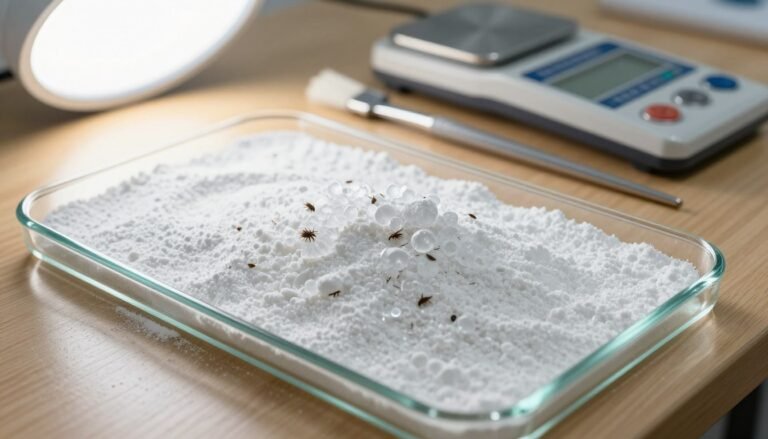
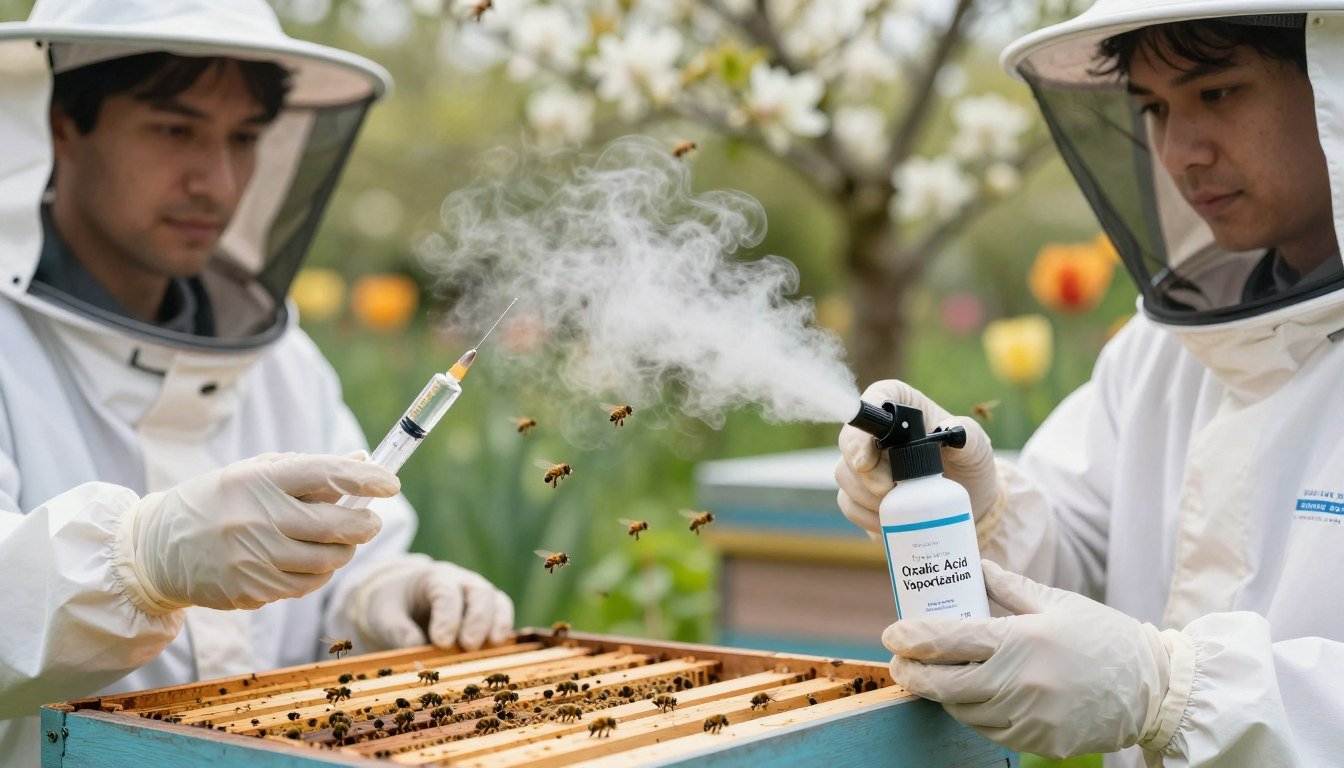
In practice, a small heater or commercial device melts crystalline oxalic acid and produces a fine gas that circulates through the hive. The gas coats worker bees and kills phoretic mites on contact.
Key points to know:
- The method uses a specialized device to convert crystals into a gas that contacts mites on bees.
- Many beekeepers prefer it because the product is inexpensive—often just pennies per application.
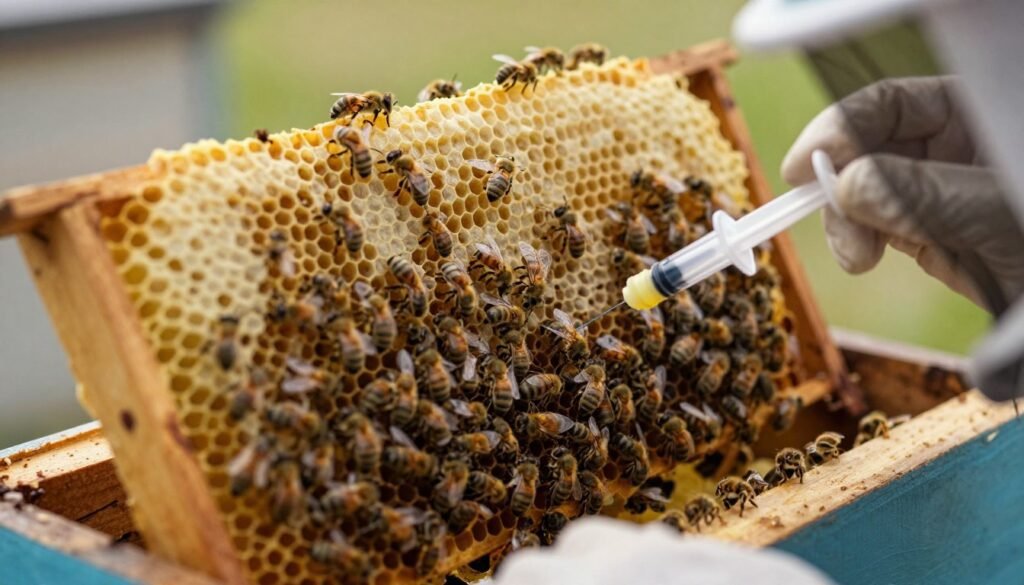
- When using the dribble approach, oxalic acid is mixed with sugar syrup so bees spread the treatment through the frames.
- Because the treatment does not penetrate wax cappings, it works best when brood is minimal or absent.
- Research by Randy Oliver and others documents safe doses and effective routines for commercial hives.
Always follow label directions for your specific product and colony size. Correct dosing and timing make the method both safe and efficient for long‑term mite control.
Evaluating Wax Capping Penetration
Wax cappings form a physical barrier that changes how treatments reach mites inside sealed brood.
Formic acid can cross cappings and reach the foundress mite plus her offspring inside each sealed cell. That action gives immediate control over reproducing mites when many cells are capped.
“If capped brood is abundant, choose a treatment that penetrates the wax to stop in‑cell reproduction.”
By contrast, oxalic acid works mainly on phoretic mites riding on adult bees. It does not get into sealed cells, so it is best applied during broodless periods when few or no capped cells exist.
- Check brood patterns and capped cell counts before treatment.
- Use penetrating options when capped cells are high.
- Reserve surface cleaners for broodless windows and targeted winter checks.
| Feature | Penetrates Cappings | Best When |
|---|---|---|
| Kills in‑cell mites | Yes | High capped brood |
| Targets phoretic mites | No | Broodless periods |
| Impact on hive timing | Requires brood assessment | Time treatments to colony biology |
For a deeper look at tradeoffs and timing, read the advantages and limitations guide.
Seasonal Considerations for Treatment
Seasonal cues — temperature, brood levels, and nectar flow — guide the safest treatment windows.
Spring and Fall Timing
Spring and fall often offer the best temperature range for effective chemical applications. These seasons let many treatments work without stressing the colony during extreme heat or cold.
Use this guidance:
- Apply penetrating treatments in spring or fall when the hive is active but not hot.
- Monitor the number of mites before and after each application to judge success.
- Watch honey flow and avoid treating frames that will be harvested for honey.
Winter Broodless Periods
During true broodless periods in winter, surface treatments work best to clear phoretic mites from adult bees.
If brood returns, repeat short applications over several days to catch mites emerging from cells. Always read the product label to confirm the proper timing for your colony and queen status.
Safety Protocols for Beekeepers
Before you open a hive or mix treatments, personal safety must be your first priority. Wear gloves, eye protection, and a properly fitted respirator when handling concentrated products. These steps cut the risk of skin burns and inhalation injuries.
Many containers arrive in plastic packaging. Handle those packages carefully to avoid spills and direct contact with the concentrated material. If you must transfer product, do so outdoors or in a well‑ventilated area.
Store all treatment equipment in a secure, labeled container away from children and pets. Quality tools and clear labels reduce mistakes and speed safe cleanup.
- Work outdoors or open windows to ensure proper ventilation.
- Keep baking soda and water on hand to neutralize spills quickly.
- Invest in durable safety gear—gloves, goggles, and a respirator are worth the cost.
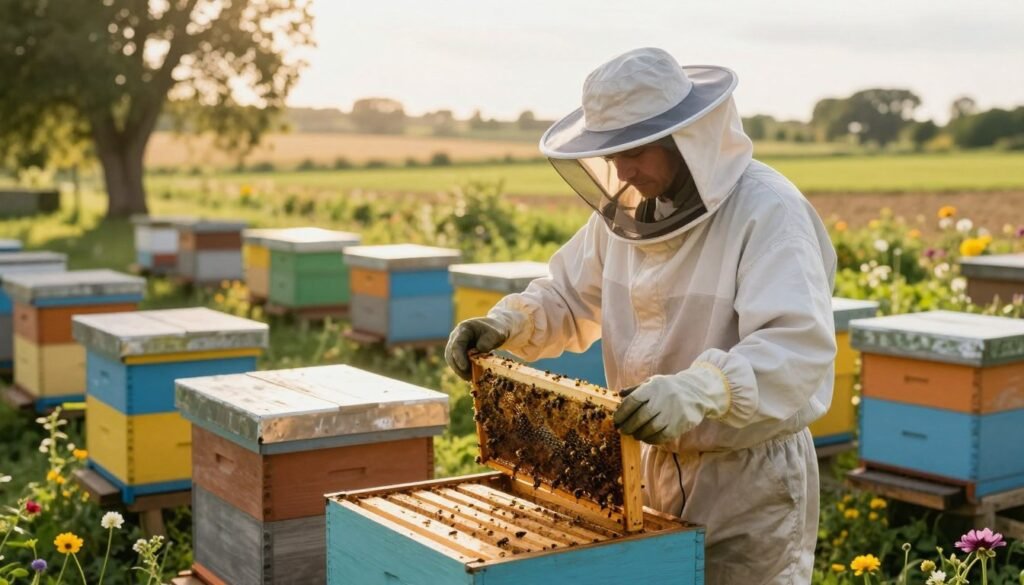
Follow established guidance and best practices for your region. For more on safe, sustainable routines, see organic beekeeping practices.
Impact on Queen and Brood Health
Protecting the queen and developing brood is the top priority when choosing any mite treatment for a colony.
Correct dosing matters. Formic acid can be effective but must be applied at labeled strength to avoid brood mortality or harm to the queen.
Oxalic acid is generally gentler on bees and the queen. Many beekeepers prefer it for sensitive colonies during the winter broodless window.
Overdosing with any chemicals risks losing the queen. That loss can cripple future colony growth and reduce survival over the next day and season.
After treatment, monitor brood pattern and queen laying closely. Changes in brood coverage or a spotty pattern can signal stress, queen failure, or early signs of resistance.
“Watch the brood for two weeks after treatment to spot any unintended effects.”
| Risk | Formic Acid | Oxalic Acid |
|---|---|---|
| Brood impact | Can penetrate cappings; risk if overdosed | Minimal when broodless |
| Queen safety | Safe if label followed | Generally safer for sensitive queens |
| Monitoring needed | High — watch for brood gaps | Moderate — check winter laying |
Follow label directions precisely to maximize mite kill while keeping the queen healthy and brood production steady.
Managing Chemical Residues in Honey
Timing treatments so residues clear before harvest keeps honey pure and saleable.
Residue control is vital for beekeepers who sell honey. Avoid treating while honey supers are on the hive unless the label allows it. Proper timing gives residues time to dissipate before the harvest period.
Many beekeepers prefer oxalic acid because studies show it leaves minimal residue in honey and wax when used per instructions. Using sugar as a carrier is a common method to help distribute the treatment without contaminating stored honey.
Record every treatment date and product used. Clear logs protect your customers and provide proof of safe handling if questions arise. For practical comparisons and treatment choices, consult a detailed survey of varroa mite treatments.
| Concern | Recommended Action | Expected Result |
|---|---|---|
| Honey in supers | Avoid treatment or follow label | Protects honey quality |
| Residue withdrawal period | Wait several days to weeks before harvest | Residues decline to safe levels |
| Application carrier | Use sugar when label permits | Even distribution; minimal contamination |
Temperature Sensitivity and Environmental Factors
Heat, cold, and humidity each shape how well a product moves through a hive and reaches mites.
Temperature matters most for treatments that rely on evaporation. High summer heat can make a dose release too fast and raise concentrations inside the brood area. That spike can cause brood harm and stress the queen.
Monitor the forecast in spring, summer, and fall. Apply only when daytime highs and lows match label guidance. This steady release protects bees and preserves honey quality.
Humidity also plays a role. Moist conditions can alter how a product releases its active ingredient and how it spreads across combs. Low humidity can reduce effectiveness for products that need moisture to work.
“Check weather and hive status before any temperature‑sensitive treatment.”
- Choose treatments that suit winter broodless windows when possible.
- Watch brood patterns after hot‑day applications for early signs of a problem.
- Protect the queen by timing treatments to minimize hive stress.
The Importance of Accurate Mite Counts
Regular sampling turns guesswork into data, so you know whether to act or wait. Accurate counts help you decide if mites and varroa are at levels that need treatment.
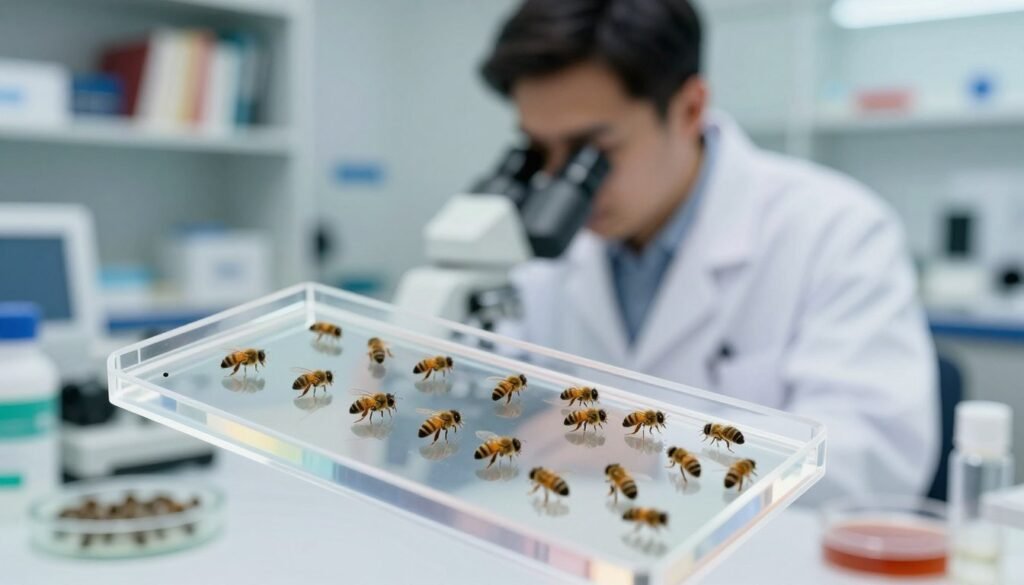
Use a sugar roll or an alcohol wash to get a precise number of mites per hundred bees. These simple tests guide your mite control plan and save time by avoiding needless applications.
Check specific frames and collect a representative sample from several parts of the hive. Sampling multiple frames and hives gives a clearer view of varroa pressure across your colonies.
Many beekeepers find that routine counts reduce the need for chemical treatment. Consistent monitoring protects the queen and brood and lowers long‑term costs.
“Accurate data is the foundation of successful beekeeping.”
- Perform checks monthly during peak season.
- Record results to track trends over time.
- Only treat when counts exceed thresholds for your region.
Comparing Treatment Durability and Efficacy
Some products deliver a quick mite knockdown, while others provide weeks of steady protection for the colony.
The main difference is time. Formic acid pads act fast and are ideal for a short, effective hit in spring or fall.
By contrast, cardboard strips soaked with oxalic acid, such as Varroxsan, release for about 42–56 days. That longer period covers several mite generations and helps lower mite numbers across brood cycles.
Efficacy depends on brood presence. Treatments that do not cross cappings miss mites inside cells, so results fall when brood is high.
- Short-term treatment: Fast drop in mite load, useful for immediate control.
- Long-term option: Extended release strips offer ongoing suppression over weeks.
- Rotation: Switching methods reduces resistance and preserves product value.
“Match the product’s durability to your goals — quick knockdown or season-long protection.”
| Feature | Short-term Pad | Long-term Strip |
|---|---|---|
| Typical period | Days to two weeks | 42–56 days |
| Best when | Active brood control, quick knockdown | Manage mites across brood cycles |
| Impact on honey | Follow label; avoid supers | Low residue when used correctly |
| Resistance risk | Moderate if overused | Lower with rotation |
Equipment Requirements for Application
Good gear makes a complex hive treatment routine safe and repeatable for every beekeeper.
Prepare before you open boxes. Proper equipment is essential for safe and effective application. Quality tools reduce mistakes and protect the queen and brood.
Many treatments need plastic spacers or rims to hold the cover at the correct height. These plastic pieces ensure proper vapor or air circulation during treatment and keep doses even across the frames.

Beekeepers use specialized frames or small boards to position strips or pads near the brood nest. If you use the dribble method, a calibrated syringe or applicator measures sugar solution accurately and speeds safe delivery.
- Durable equipment yields consistent results across all hives.
- Keep tools clean to avoid chemical buildup that can harm bees over time.
- Store spare plastic spacers, syringes, and extra frames for quick response to infestations.
“Investing in reliable gear saves colonies and time.”
| Item | Purpose | Recommended |
|---|---|---|
| Plastic spacers | Maintain cover height and circulation | Rigid, heat-resistant plastic |
| Syringe/applicator | Measure sugar solution for dribble | 10–20 ml calibrated syringe |
| Specialized frames/boards | Hold treatment strips near brood | Non-contaminating wood or plastic |
For a practical checklist and buying options, see this equipment guide.
Selecting the Right Method for Your Colony
Start by checking brood levels and whether honey supers are on before picking a control method.
If capped brood is abundant, choose a penetrating option such as formic acid because it reaches mites inside sealed cells. That approach helps stop reproducing varroa and reduces mite numbers quickly.
For winter or true broodless windows, consider oxalic acid vaporization. This treatment cleans phoretic mites on adult bees with minimal brood stress and low residue risk.
Weigh the ease of application and the equipment you have. Some treatments need simple strips; others require a device or spacers and careful placement near frames. Training and quality gear cut mistakes.
- Prioritize the queen and colony health when choosing any product.
- Rotate treatments and keep accurate mite counts to prevent resistance.
- Match your method to local climate, honey flow, and your goals as a beekeeper.
“A short brood check and a clear plan today keep your hives healthy tomorrow.”
Conclusion
, Successful mite management combines routine counts, proper gear, and treatments timed to brood cycles.
Managing varroa is ongoing. Keep accurate monitoring to know when action is needed and to measure results.
Whether you use a penetrating option like formic acid or a surface approach such as oxalic acid, timing and correct dosing matter most. Follow labels and use the right equipment to protect the queen and brood.
Stay informed about new tools and rotate methods to limit resistance. The best choice fits your bees, your climate, and your apiary goals.