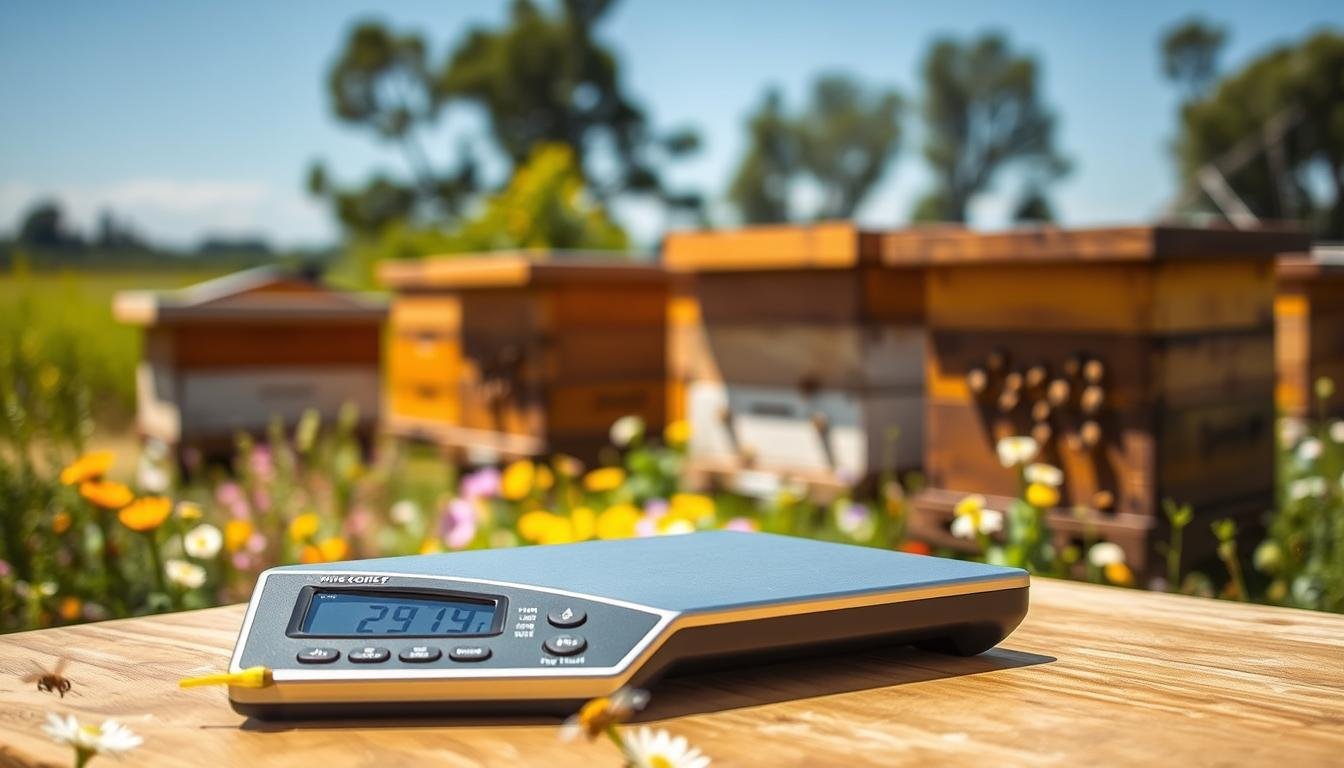
Accurate weight tracking changes how you manage a hive. A reliable digital crane option like the VEVOR Digital Crane Scale supports up to 2,200 lbs, making it simple to monitor heavy boxes and honey stores without heavy lifting.
Modern weight data helps spot food shortages, swarming risk, or rapid nectar gains early. This reduces guesswork and cuts visits to the apiary, saving time and strain across seasons.
Durable equipment built from aluminum and stainless components gives years of service and clear readings in sunlight. Many beekeepers have used precise scales to detect drops that required immediate feeding or intervention.
For remote telemetry or under-hive platforms, compare options and real-time dashboards to keep your colony productive and protected. Learn more about weighing systems and wireless telemetry in this gear guide and product review.
Using a quality scale turns weight into actionable insight so you can manage stores, plan feeding, and improve overall hive health.
Key Takeaways
- Digital crane scales with high capacity reduce manual lifting and strain.
- Precise weight reads help detect food shortages and health issues early.
- Durable materials ensure reliable service across many years.
- Under-hive and telemetry systems lower apiary visits and offer real-time data — see wireless options here.
- Compare weighing systems and features in this comprehensive gear guide.
Why Every Apiary Needs a Hive Monitoring System
Automated readings let you spot a nectar rush or a slow decline before it becomes a crisis. A monitoring system turns raw numbers into clear signals about colony health. That saves time and reduces intrusive inspections.
Tracking Nectar Flow
Hourly weight and microclimate data reveal true nectar flow patterns. Systems like the Broodminder record weight, temperature, and humidity to show when frames fill and when foraging drops off.
History matters: the Foxhound Bee Company began using a Cardinal Detecto platform scale in 2016 to track weight changes and spot trends without opening boxes.
Preventing Colony Starvation
A reliable monitoring system provides consumption data through winter. That helps you know when to feed and when stores run low.
- Early alerts on weight changes reduce emergency visits.
- Temperature and humidity sensors help detect queen issues or swarm prep.
- Data-driven decisions save days of manual checks and improve outcomes.
If a page blocked extension prevents access to remote dashboards, try disabling extensions or verify that no blocked extension is stopping the connection.
Learn more about whether remote monitors are right for your operation in this short guide: do we really need monitors? For tips on expanding apiary operations while integrating systems, see this expansion guide: beekeeping expansion tips.
Understanding the Best Hive Scale for Beekeepers
A precise weight instrument reveals subtle shifts in colony stores long before visual checks do.
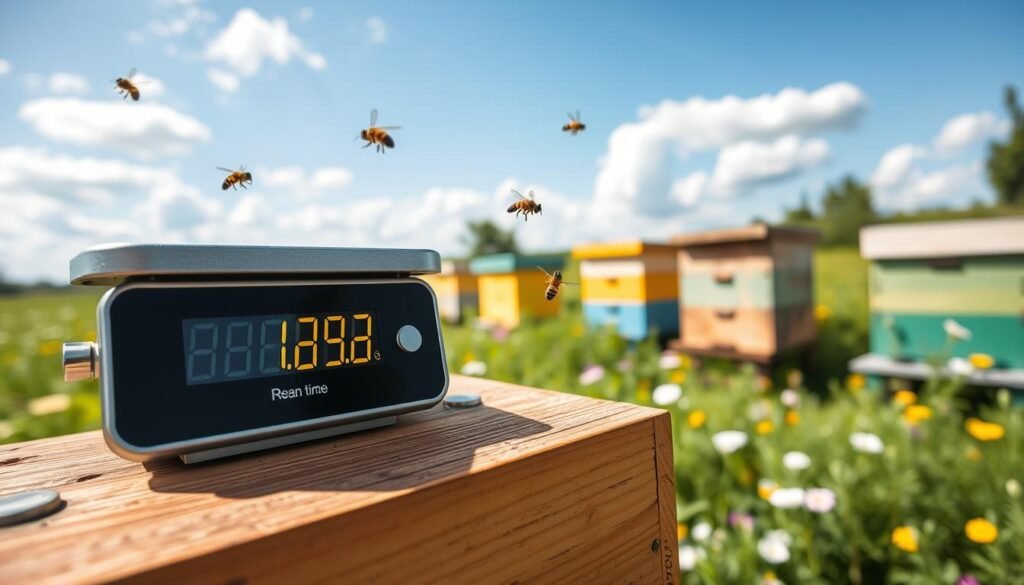
Consider capacity first. The VEVOR Digital Crane Scale offers a 1000 kg limit, making it useful when you need to weigh heavy honey boxes or equipment. Look for a model with at least 0.4 lbs (or 1 kg) precision to catch small weight changes that matter.
Durability and consistent readings across seasons are vital. A reliable weight scale supports long-term hive monitoring and helps you track nectar flow and harvest timing. Over years, that data builds a clear productivity record for your apiary.
If a page blocked extension or a blocked extension stops you from seeing specs, refresh the browser or disable the extension to access reviews and manuals. Reliable access avoids delays when comparing units.
- Capacity: 1000 kg suits heavy harvests.
- Precision: 0.4 lbs / 1 kg to detect small changes.
- Durability: consistent readings through the season.
Many beekeepers trust a digital weight scale as the core of practical hive monitoring. Learn practical selection steps in this guide: how to choose your hive scale.
Comparing Hardware Architectures for Hive Weighing
Different load-cell layouts change accuracy, stability, and setup time. Pick the design that matches your site conditions and operational needs.
Single Load Cell Designs
Single load cell units are compact and light. They can reach ±50 g accuracy when meeting a C3 OIML classification under controlled tests.
They need careful placement and often require a leveled base to avoid bias.
Two Load Cell Configurations
Two-sensor setups cut weight and cost. They are easier to move but demand precise leveling so scales measure correctly.
Four Load Cell Systems
Four-sensor systems offer the best stability on uneven ground and suit migratory operations because heavy duty frames and full boxes stay balanced.
Many modern units integrate a temperature humidity sensor so you can judge how weather affects hive weight and foraging data.
| Architecture | Accuracy | Stability | Best use |
|---|---|---|---|
| Single load cell | ±50 g (C3, ideal) | Low if ground uneven | Small apiaries, portable checks |
| Two load cells | Moderate | Moderate; needs leveling | Lightweight setups, field tests |
| Four load cells | High consistency | Excellent on rough terrain | Migratory hives, heavy frames |
If a page blocked extension stops you from viewing specs, try disabling extensions so you can compare sensors. For deeper selection help see this hive scale guide and a practical build-up in an automated apiary overview.
Evaluating Communication and Transmission Systems
Connectivity choices determine how quickly weight alerts reach your phone or dashboard.
Autonomous sensors often use cellular networks, while other setups rely on a local gateway that relays data to the cloud. Each method affects battery life, latency, and how often you see fresh readings.
In remote apiaries, a reliable sensor must keep a steady link so weight numbers arrive without gaps. Losing connectivity can hide a fast drop in stores or a sudden gain during a nectar rush.
| Transmission | Range | Power use | Best suited |
|---|---|---|---|
| Cellular (SIM) | Wide, carrier dependent | Moderate-high | Isolated sites with coverage |
| LoRa + Gateway | Long on-site, needs gateway | Low | Large yards and multi-site sync |
| Wi‑Fi / Local LAN | Short, site-limited | Low-moderate | Close to buildings or sheds |
Modern scales use several protocols so data syncs across phones and dashboards. Check compatibility before you deploy so sensors and third-party apps can talk cleanly.
If you see a page blocked extension or a page blocked warning while researching transmission options, try disabling extensions to view full specs. A blocked extension may hide the list of compatible systems and slow your setup.
Choose the communication method that sends timely alerts during critical periods. Proper integration of a quality scale with a robust transmission system enables real-time monitoring and faster decisions about colony health.
Want selection tips? See this guide on how to choose your hive scale.
Essential Software Features for Data-Driven Beekeeping
Algorithms sift noisy sensor output to show the real story behind each daily weight change.
Advanced software interprets raw hive weight and sensor readings to estimate brood volume, nectar flow, and swarm risk. These models turn repeated measures into clear signals you can act on at the apiary.
A mobile app brings temperature humidity and weight data to your phone so you can check trends while moving between sites. If a page blocked extension stops you from opening dashboards, try disabling extensions to regain access and updates.
Interpreting Advanced Algorithms
Good analytics highlight patterns over days and months. Visual graphs help spot when the nectar flow starts or the exact day it ends. That timing guides feeding and harvest decisions.
Algorithms reduce guesswork by converting sensor noise into risk scores and actionable alerts.
Use tools that offer clear charts and exportable data. Combining long-term records with your years of experience improves colony management and honey planning.
| Feature | Why it matters | Practical use |
|---|---|---|
| Trend graphs | Show weight changes over days and months | Spot nectar flow start/stop and adjust feeding |
| Alert logic | Flags rapid drops or sudden gains | Respond quickly to starvation or forage rush |
| Mobile access | View temperature humidity and weight on the move | Check multiple apiary sites from one app |
Actionable data shortens response time and improves decisions. To learn more about equipment setup and site choices, see a beginner guide on choosing a beehive: how to choose a beehive.
Key Factors to Consider Before Your Purchase
Prioritize heavy duty construction and clear data output when you shop.
Choose stainless steel or robust aluminum hardware so the unit survives harsh weather and long seasons. Durable equipment reduces repair time and keeps readings reliable.
Look for precise weight resolution that detects small changes in nectar flow and honey stores. Easy calibration keeps data accurate over time and saves you effort during peak season.
Check compatibility with your existing beekeeping equipment and any telemetry system you use. Confirm the unit handles the maximum weight your hives reach at harvest.
Evaluate warranty length and manufacturer support so problems get fixed quickly. Good service protects your investment and helps new beekeepers adopt the system with confidence.
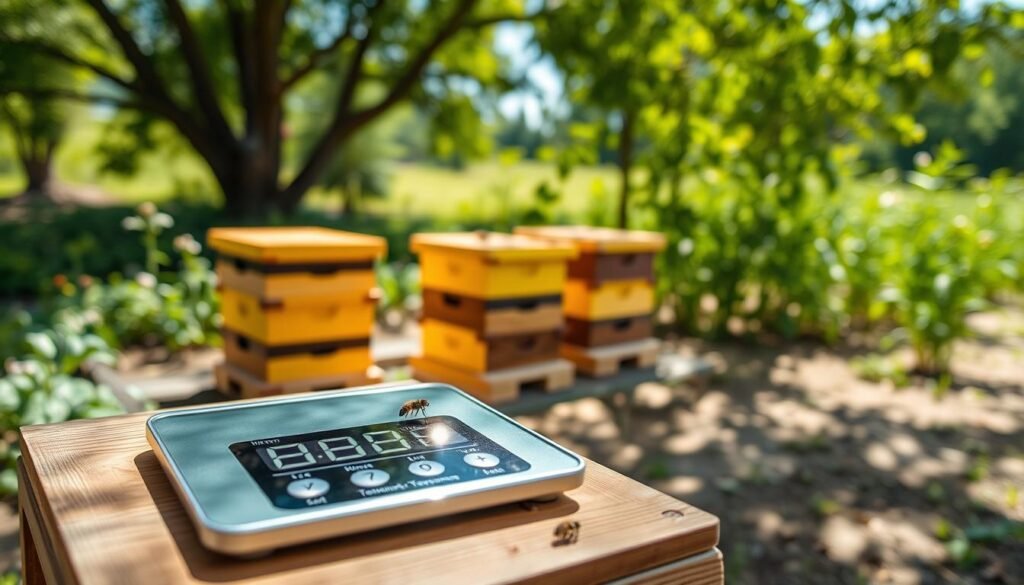
Investing in a quality hive scale pays off: better data, less guesswork, and healthier hives. Learn selection steps in this short guide on how to choose your hive scale.
Maintaining Your Equipment for Long-Term Reliability
A short maintenance plan preserves sensor accuracy and extends equipment life.
Calibration Best Practices
Calibrate scales regularly so weight changes reflect the true state of the colony. Aim to check zero and a known mass at the start of each season, and after storms or heavy handling.
Operate the system within the recommended -50℉ to 104℉ range to keep sensor output stable. If you spot issues, inspect sensor connections and run a quick recalibration before assuming a fault.
Weatherproofing and Durability
Seal electronics and shield junctions from moisture to prevent corrosion and erratic readings. A stainless steel frame resists rust and helps the scales measure reliably over many years.
Keep the unit clean and clear of debris so temperature humidity swings and weather do not skew data. Proper protection ensures your apiary data stays consistent and useful for tracking nectar flow and honey production.
- Calibrate at season start and after impacts.
- Verify sensor connections if readings drift.
- Weatherproof enclosures and use stainless parts where possible.
If you want a practical maintenance regimen, see this detailed guide on hive maintenance and lifespan. Regular care saves time and keeps your monitoring system ready when the next nectar flow arrives.
Conclusion
Consistent monitoring turns small weight shifts into actionable steps that protect colonies.
Choosing a suitable hive scale and tracking hive weight gives you clear, timely data to manage feeding, harvests, and health checks.
Modern hive scales simplify work with remote reads, alerts, and trend charts. These features cut inspections and help you respond faster to problems.
Invest in durable equipment and a proven setup so your units stay accurate across seasons. Accurate data transforms guesswork into precise management and helps your hive thrive.