As of September 12th, 2022, beekeepers have several ways to clear honey supers with care and speed.
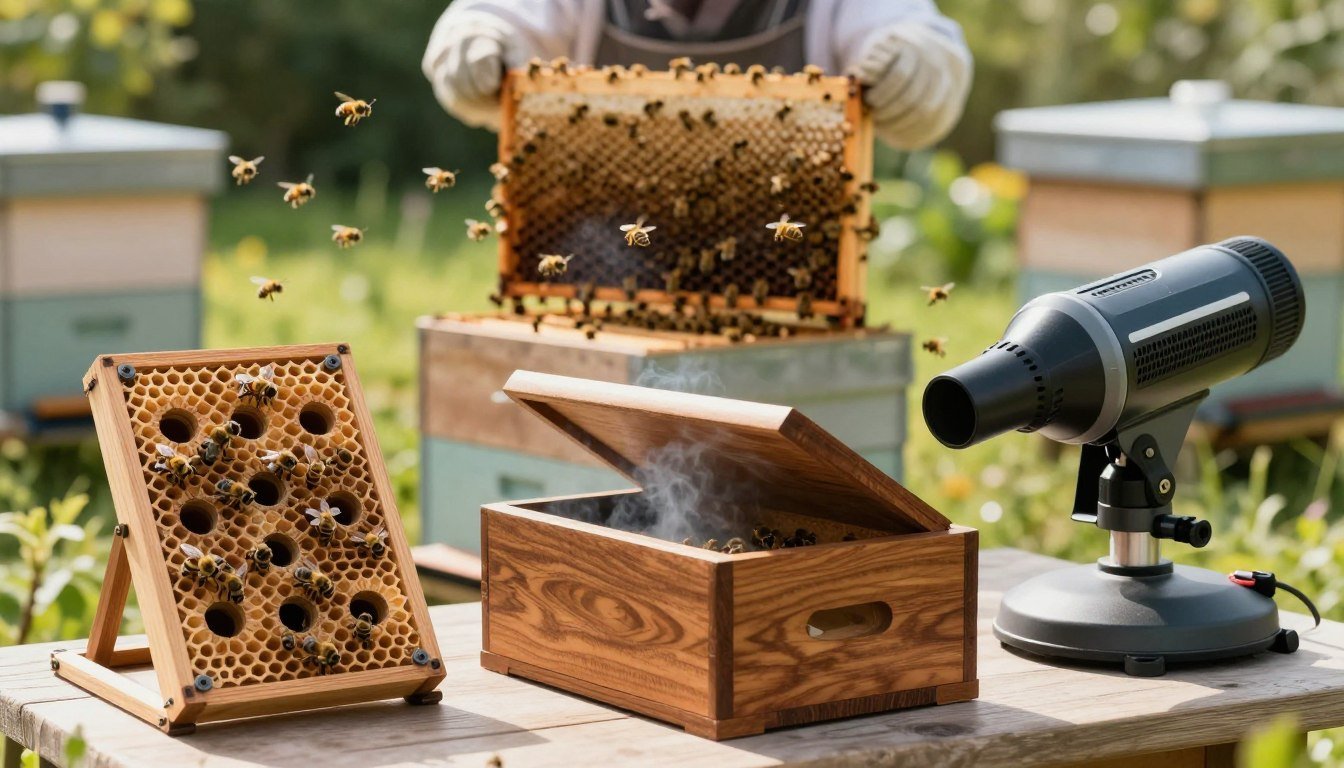
Choosing between a bee escape board vs fume board vs blower depends on apiary needs and the time you can invest.
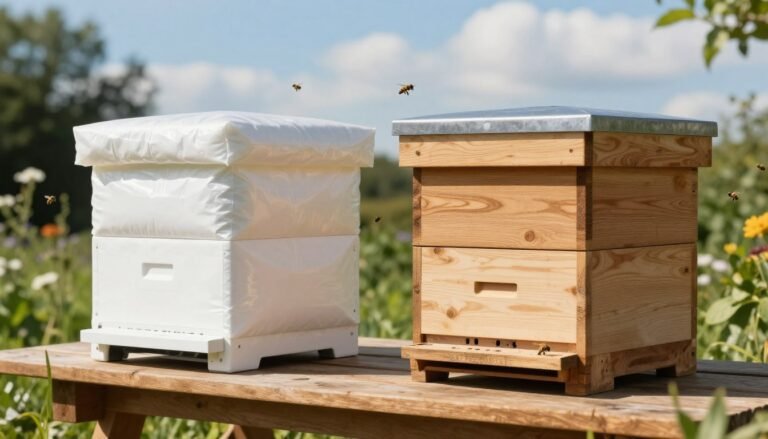
Modern equipment like specialized bee escape boards offers a gentle, non-invasive method to move bees. It keeps the hive calm and protects honey quality.
Fume boards can speed the process, but they introduce repellents that some keepers avoid. Industrial operations often use a high-velocity leaf blower to shift bees fast, though that requires effort and protective gear.
Whatever method you pick, balance speed with colony health. For more on gentle options, see best bee escape board choices to match your workflow.
Key Takeaways
- Match your method to apiary size and available time.
- Escape boards provide calm, non-chemical clearing of bees.
- Fume boards are faster but may affect hive conditions.
- Leaf blower use is quick for large operations but needs care.
- Protect honey quality by choosing less invasive techniques.
Understanding the Need for Bee Removal
Removing honey-filled supers requires a clear plan to protect frames and the colony.
When it is time to harvest honey, you must get bees out of the honey supers so capped frames are ready for extraction. A common method is to lift a frame, use a bee brush to sweep bees gently, then place the frame in a closed box.
Use a queen excluder to keep the queen in the brood box and avoid brood in the super. If you remove entire boxes, add an empty box below the super to give the colony space to cluster away from honey.
After clearing frames, move them to a sealed box so bees cannot access honey again. Limit time in the apiary to reduce the risk of bees hitching a ride back to your honey house.
- Never harvest during active robbing; it makes removal dangerous and messy.
- Plan the workflow so frames reach extraction quickly and cleanly.
For more on clearing methods and pros and cons, see how escape boards and fume methods assist in honey.
Bee Escape Board vs Fume Board vs Blower: A Comparative Overview
Different clearing tools move supers with distinct timing and intensity. Understanding their mechanisms helps you pick a method that protects honey and keeps the colony calm.
Mechanism of Action
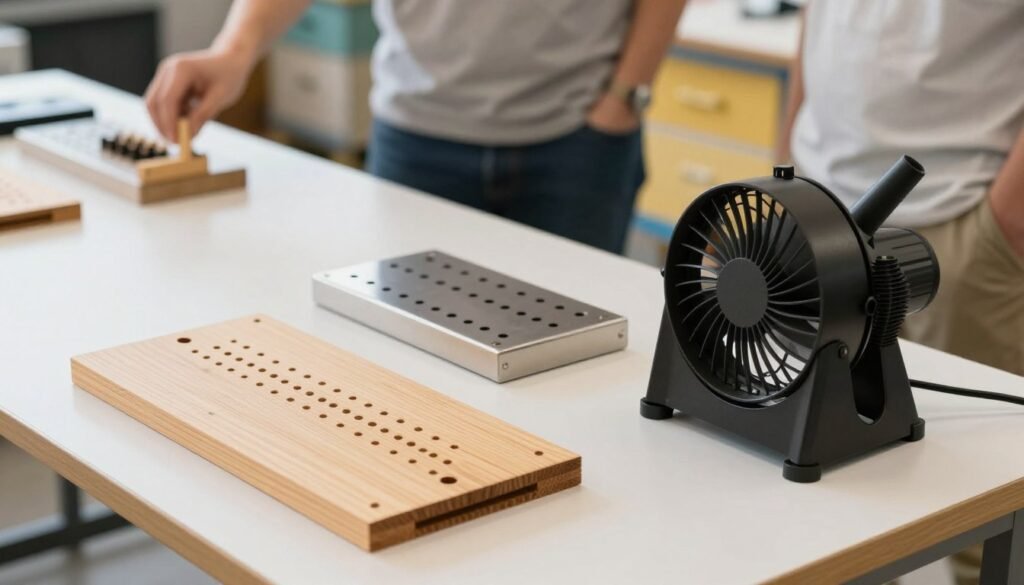
Escape boards use a one-way passage so bees leave a super but cannot return. This passive design relies on bee movement over 24 to 36 hours and needs a bee-tight cover to work well.
Fume boards emit gentle vapors that coax bees out in just a few minutes. This makes them ideal for commercial operations that value speed.
High-velocity blowers sweep insects off frames immediately. They clear supers fast but are louder and mechanically intense.
Impact on Colony Stress
- Passive escape boards: Lowest stress, gentle on the colony and honey quality.
- Fume methods: Fast and efficient; monitor hive conditions when used repeatedly.
- Blowers: Most disruptive; useful for large sites but increase agitation.
For details on the primary function of an escape in harvesting, see primary function of an escape.
Mechanical Separation with Bee Escape Boards
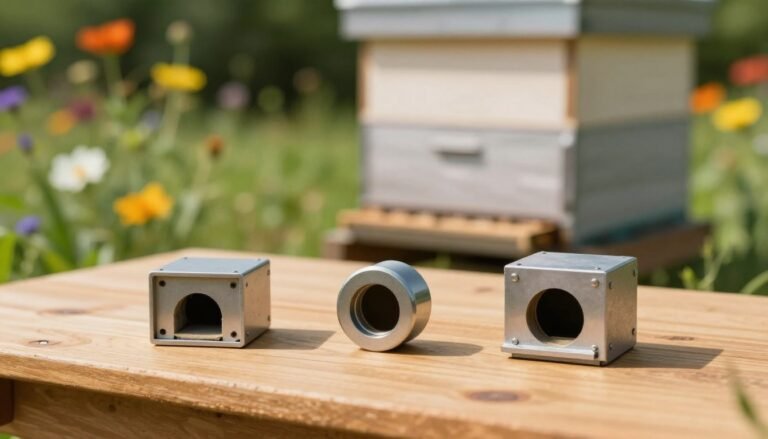
Mechanical options clear a honey super without chemicals and with minimal stress to the colony. These devices rely on one-way passages so workers move down and out over time.
Porter models
Porter is a classic, inexpensive insert that fits into the inner cover oval. It lets bees leave a box while making return difficult.
Triangle designs
Triangle panels use a screened wedge to direct activity toward the exit. The design forces a choice, which reduces re-entry into the super.
Ceracell and rhombus options
Ceracell units use durable plastic and cone-shaped exits. They are robust and often cost more than a simple triangle style.
- Do not use if there is brood in the super; that signals the queen may be present.
- Workers typically move down over 24 to 36 hours, so plan for return trips.
- Finish by removing stragglers with a gentle bee brush alternative.
| Type | Material | Typical Time |
|---|---|---|
| Porter | Metal/plastic | 24–36 hours |
| Triangle | Screened wood | 24–36 hours |
| Ceracell/Rhombus | Durable plastic | 24–36 hours |
For biosecurity and handling guidance, consult the honey-bee producer guide.
Using Fume Boards for Rapid Clearing
A treated panel can clear a honey super in minutes when conditions match the repellent’s needs.
Fume boards are wooden inserts topped with a felt or cloth cover that hold a repellent. Brands include Bee-Go, Honey Robber, Honey-B-Gone, and Fischer’s Bee-Quick. These products vaporize and urge bees to leave the frames quickly, which is ideal for large operations.
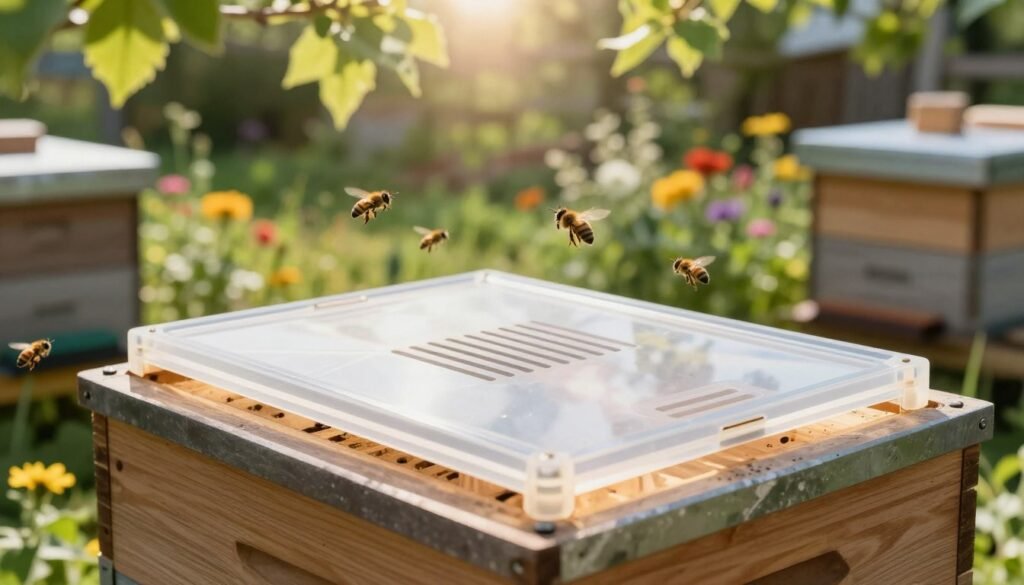
Solar heat helps. A black cloth or warm sun speeds vapor release on cool days. Some repellents need higher temperatures to work well, so test timing before a big harvest.
Practical tips:
- Remove the queen excluder first so workers move downward without obstruction.
- One insert can serve many hives; move it from box to box as supers clear.
- Avoid spills—repellents smell strong and cling to clothing and vehicles.
For a detailed walk-through on safe use, see how a fume board works.
Industrial Efficiency with Bee Blowers
High-volume operations often rely on powered air to shift workers from honey-filled supers quickly. A well-run yard uses this method to speed harvests while keeping frames intact.
Safety and Equipment Considerations
Use purpose-built gear or a modified leaf blower and test settings before working on full boxes. Place the super on its short side near the hive front so frames stay aligned.
- Aim airflow along the top bars so air passes through gaps without shearing comb.
- Set the box on a stand to keep it off wet ground and make handling safer.
- Confirm the queen is not in the super by using a queen excluder first.
- Large lifts often need two people to position heavy supers and steady frames.
Note that mechanical air is noisy and may raise colony stress more than passive boards. Always wear proper protective gear and move at a steady pace.
For guidance on industrial units and safe practice, see the industrial-grade bee blower overview and tips for choosing equipment.
Factors Influencing Your Harvesting Strategy
Your harvest plan should match the scale of your apiary and the time you can spare for each visit.
If you want a chemical-free method, a bee escape is the top mechanical option. It lets workers move down and out over several hours without scent or residue. Check the weather first; rain can force you to delay return trips.
For same-day clearing, fume boards deliver speed. A treated insert can clear a honey super in minutes, which helps commercial crews keep to tight schedules.
Large operations often accept more disruption and use a leaf blower to push workers off frames quickly. This trades calm for throughput and needs solid protective gear and steady hands.
Hobbyists with a few hives still do well with a simple bee brush. It is low-cost, gentle, and requires no special equipment or chemicals.
Balance matters: choose tools that protect colony welfare while meeting your time and yield goals.
| Operation Size | Recommended Tool | Speed | Colony Stress |
|---|---|---|---|
| Hobby (1–5 hives) | Brush / manual | Slow | Low |
| Small-scale (6–50 hives) | Bee escape / inserts | 24–36 hours | Low |
| Commercial (50+ hives) | Fume panels / leaf blower | Minutes–hours | Moderate–High |
Conclusion
Picking the right clearing method makes harvest days smoother and safer. Choose tools that fit your scale and schedule to protect colonies and product quality.
For beginners, a triangle bee escape offers low cost, simple use, and minimal agitation. A plastic bee escape board works well on most inner cover setups and helps clear supers over 24–36 hours.
As you scale up, a single fume board can speed the process for commercial crews. Keep frames in a closed box after removal and plan tasks so bees do not return to your honey.
Proper planning, the right tools, and HONESTBEE equipment turn harvests into controlled, low-stress operations that protect your hives and maximize yield.
FAQ
What are the main ways to clear honey supers before harvest?
Mechanical separation using escape devices, using a fume-style board that encourages bees to leave, or using a blower to gently remove workers are common methods. Each method suits different hive setups, equipment availability, and time constraints. Choose based on colony temperament, weather, and whether you want to avoid chemicals or extra handling.
How does a mechanical escape device work?
A mechanical device creates a one-way path so workers move down into the brood boxes but can’t return to the supers. Typical designs include triangular plastic escapes, Porter-style metal or plastic escapes, and specialized Ceracell or rhombus-shaped inserts. They require minimal supervision and are gentle on the colony.
When should I use a fume board for clearing supers?
Use a fume technique when you need a faster clearing than passive escapes provide. Fume boards release natural-smelling vapors (often from food-grade products) that encourage bees to vacate the honey chambers within hours. Careful timing is essential to avoid contaminating honey or stressing the colony.
Is a leaf blower or electric blower safe for removing workers from supers?
A low-pressure blower can be effective for short, targeted operations, especially with large apiaries. Use a leaf blower with care: low setting, steady sweeping motions, and protective screens prevent harm. Avoid high pressure that can injure workers or dislodge comb and frames.
How long does each method typically take?
Passive mechanical escapes often need 12–48 hours. Fume methods can clear supers in a few hours to one day depending on ventilation and product used. Blowers can remove most workers in minutes but may require follow-up brushing or shaking to get lingering individuals off frames.
Will any of these methods kill or harm the colony?
Properly used, none should kill the colony. Mechanical escapes are noninvasive. Fume boards rely on repellents that encourage movement and can stress bees if overused or applied to hot supers. Blowers risk physical injury if used aggressively. Always monitor and use gentle techniques.
Can these methods contaminate honey or frames?
Mechanical escapes do not contaminate honey. Fume methods can risk flavor carryover if using strong chemicals; choose food-safe products and avoid direct contact with stored honey. Blowers pose little contamination risk but can scatter debris; clean frames if needed before extraction.
Are Porter-style escapes better than triangle or rhombus designs?
Porter escapes are durable and effective for many beekeepers. Triangle and rhombus designs, including Ceracell styles, can offer faster clearing or easier cleaning depending on material. Choice often comes down to personal preference, hive configuration, and budget.
Do I need an inner cover or special adapter when using escapes or fume boards?
An inner cover or spacer often helps create the right gap and airflow for escapes and fume methods. Some fume systems require a sealed chamber to concentrate vapors. Use adapters or a honey super reducer to ensure proper fit and avoid crushing comb or blocking the one-way path.
How does colony temperament affect method choice?
Calm, well-tempered colonies tolerate blowers and quick clearing better. Defensive colonies benefit from mechanical escapes that minimize disturbance and lessen the need for repeated handling. Adjust method and timing to reduce stress on nervous hives.
What protective gear and tools are recommended during clearing?
Wear a veil or full suit, gloves, and sturdy clothing. Bring a bee brush, frame lifter, and a spare cover or medium box for temporary holds. If using a blower, wear hearing protection and secure screens on any open equipment to prevent bees from being drawn into the motor.
How do weather and time of day influence clearing success?
Warm, sunny conditions with foragers out make clearing more efficient. Avoid cold, rainy, or windy days that keep workers inside the hive. Start in late morning to afternoon so foragers are active and can depart with minimal disruption.
Can I combine methods for faster harvests?
Yes. Many beekeepers pair an escape device overnight, then use a gentle blower or brush in the morning to remove remaining workers. Combining speeds the process while reducing stress compared with high-intensity single methods.
Are there legal or environmental considerations when using fume products?
Always use products approved for apiary use and follow label instructions. Avoid substances that can harm pollinators or contaminate honey. Check local regulations and industry guidelines from organizations like the Apiary Inspectors of America or state apiculture services.
How should I store and maintain mechanical devices and blowers?
Clean and dry escapes after each use to prevent wax build-up and disease transfer. Inspect blowers for debris, and store in a dry place. Replace worn seals or damaged screens to keep equipment effective and hygienic.
Where can I buy reliable escapes, fume systems, or blowers?
Reputable sources include Mann Lake, Betterbee, Brushy Mountain, and local beekeeping suppliers. Compare materials, warranty, and reviews. Buying from established beekeeping retailers ensures compatibility with standard supers and frames.