How Beeswax Became Medieval Currency: Tithes, Taxes & Candles
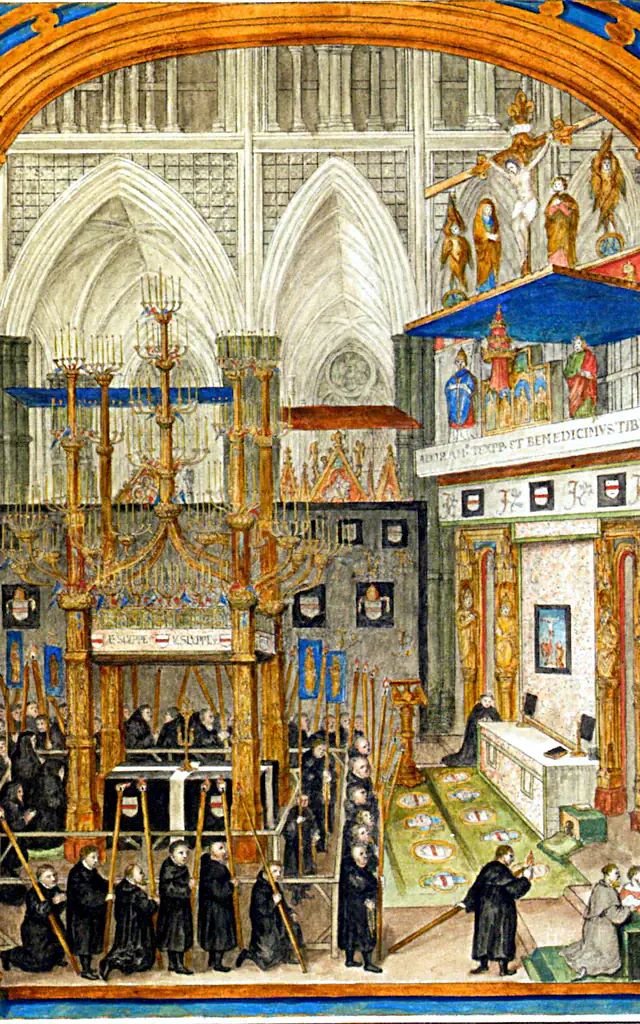
How beeswax functioned as real medieval currency: church candle demand, the light-scot wax tax, a circular economy of burned candle stubs, and why beeswax (not tallow) mattered so much.


How beeswax functioned as real medieval currency: church candle demand, the light-scot wax tax, a circular economy of burned candle stubs, and why beeswax (not tallow) mattered so much.

NASA has sent bees into orbit at least four separate times since 1982, and the results range from a genuine failure that killed every bee aboard to a successful demonstration that honeybees can build normal honeycomb in zero gravity. These…
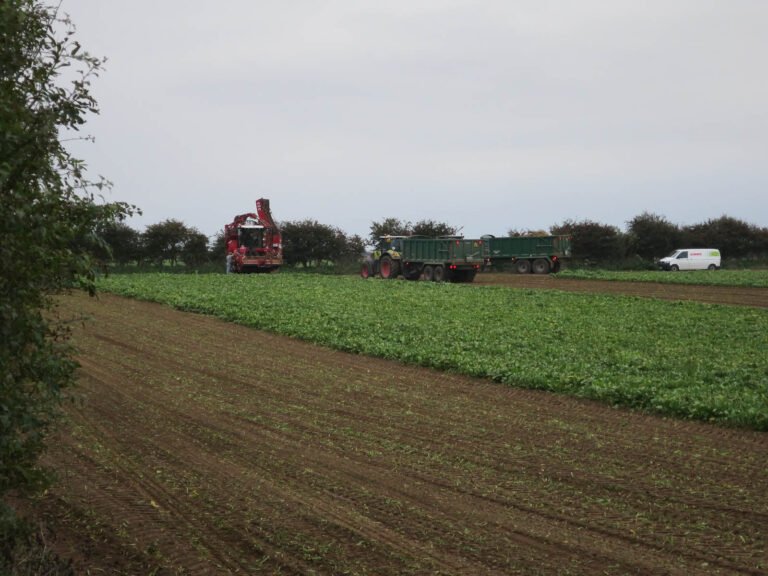
The real economic history of how sugar displaced honey: colonial plantations, Napoleon's blockade, and the beet sugar industry that made sugar cheap enough to win.

A modern DIY “wax seal” is almost always a soft beeswax-and-resin blend, not the hard, glossy shellac stick most people picture when they hear “sealing wax” — and that distinction actually matters, because beeswax is closer to the material medieval…

Tracing the "one in three bites" bee-pollination statistic back to its real source: a 1976 estimate, a 2007 peer-reviewed study, and what the research actually says versus the popular version.
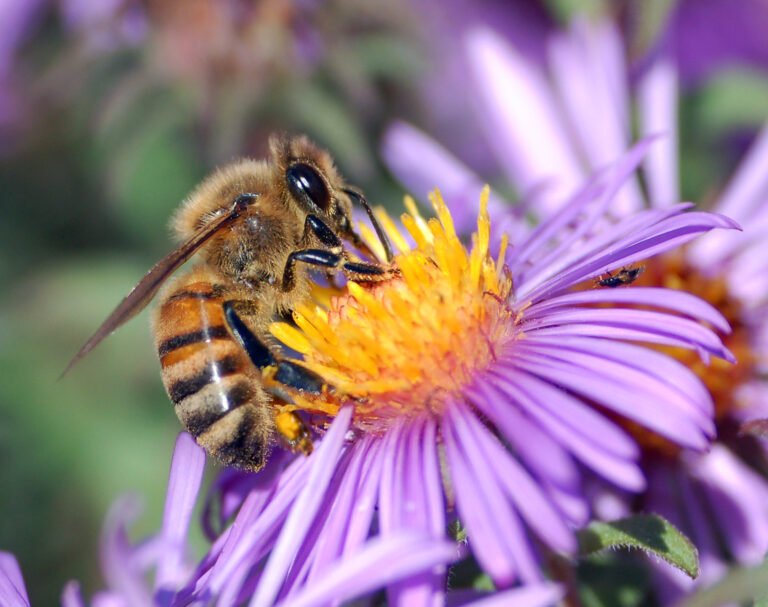
Most bee-related idioms have a real, traceable history — but the popular origin stories people repeat for them are often wrong, including one debunked myth that a chain email invented in the year 2000. “Busy as a bee” really does…

Waxing cheese with beeswax means brushing or dipping a fully dried, properly aged hard cheese in melted wax to seal out air and mold while it continues to age — but pure beeswax alone tends to crack and pull away…
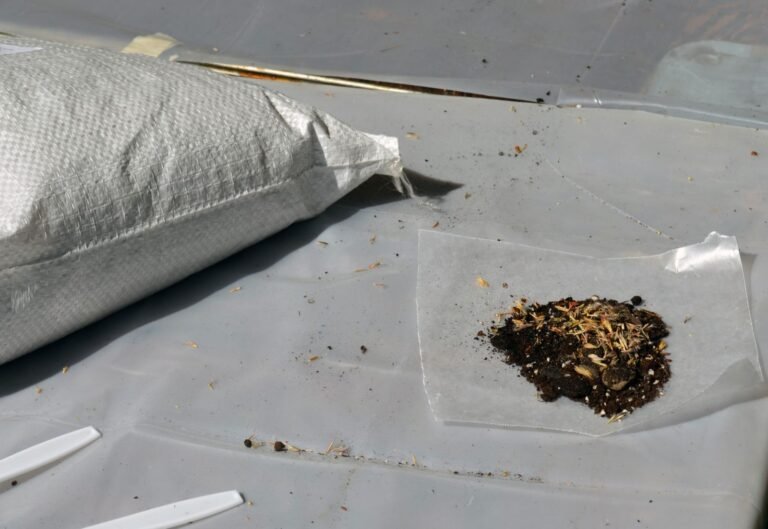
Why most seed bombs thrown at random never sprout, and how to actually make one work: native seed sourcing, cold stratification timing, and real placement advice.
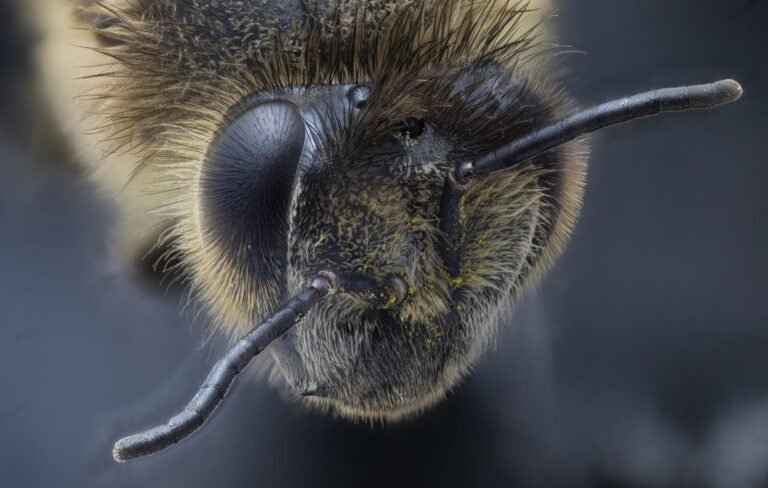
A practical guide to photographing bees up close: camera gear, settings, and the bee behavior patterns that make a shot possible.