Published March 31, 2026 · Last Updated August 26, 2026
Deciding between waxed plastic foundation vs unwaxed plastic foundation is a key step for any beekeeper seeking long-term success. A recent survey of 21 members of the Texas Friendly Beekeepers group showed a strong leaning toward plastic sheets for many hives.
New beekeeper Becky Brandt Recer voiced the common confusion about choosing wired wax, coated plastic, or foundationless frames, which highlights why clear guidance matters.
How you outfit frames affects comb build, honey flow, and ease of extraction. Many beekeepers report higher acceptance when using a wax plastic foundation and note less risk of comb collapse in warm weather.
We’ll compare types, review practical pros and cons, and link to trusted resources like this plastic vs wax overview and a guide to top options for honey production to help your hive choices.
Key Takeaways
- Most surveyed beekeepers preferred plastic sheets for durability and extraction ease.
- Coating plastic with fresh wax often improves bee acceptance of new frames.
- Choice affects comb stability, honey harvest speed, and colony management.
- Color and sheet type can help with inspections and brood checks.
- Match sheet size and type to your boxes and long-term beekeeping goals.
Understanding the Debate: Waxed Plastic Foundation vs Unwaxed Plastic Foundation
Beekeepers often split into camps based on whether they favor natural wax sheets or modern synthetic options.
In a recent Texas Friendly Beekeepers survey, 15 of 17 respondents said they preferred a plastic foundation over a traditional wax foundation. This result highlights a clear trend: many apiarists value durability and consistent comb layout.
Supporters of wax foundations point to natural beeswax, scent, and easy acceptance by new colonies. They also note that wire-reinforced wax frames can combine natural appeal with extra strength for heavy honey flows.
Proponents of plastic sheets emphasize straight combs, reusable sheets, and simpler extraction. Some beekeepers who use one type still try foundationless frames for specific hives to encourage natural comb patterns.
The choice often comes down to management goals and personal preference. For a deeper look at practical options and comparisons, see this great hive debate guide.
- 15 of 17 beekeepers favored plastic foundation in the survey.
- Some keepers mix approaches: one type per apiary or try foundationless frames.
- Choice reflects philosophy, cost, and desired hive performance.
The Role of Foundation in Hive Development
Straight, predictable combs save beekeepers time and protect comb integrity during harvest.
Good guidance in each frame helps a colony build uniform comb that fits standard equipment.
The Importance of Straight Comb
Foundation frames guide bees build straight combs, which makes inspections fast and safe. Straight comb reduces cross comb that can tear when you lift a frame.
Wired wax and quality foundation sheets add tensile support so comb does not sag under weight.
Impact on Honey Extraction
When combs are parallel, frames drop into a centrifugal extractor smoothly. That alignment raises honey recovery and lowers handling time.
- Consistent combs help frames spin evenly, improving yield.
- Cross comb forces extra cutting and risks brood damage.
- Good structural support preserves combs for reuse and protects colony health.
“By ensuring bees build straight comb, beekeepers minimize maintenance and maximize hive productivity.”
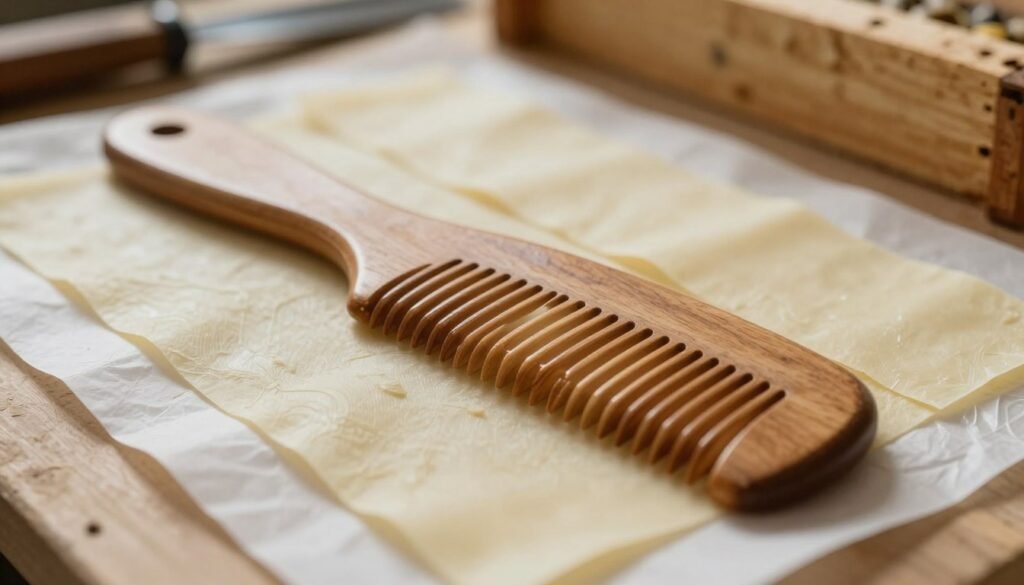
For colonies that prefer natural builds, read about foundationless beekeeping to compare methods and outcomes.
Benefits and Challenges of Plastic Foundation
A rigid sheet can prevent sag and keep frames usable year after year.
Durability and long-term cost are the main advantages. Rigid inserts resist heat and do not collapse in summer. That stability cuts replacement needs and lowers cost over time for the beekeeper.
Acceptance by the colony can be a hurdle. To improve uptake, many apply a light wax coating to foundation sheets so bees build quickly. Once bees accept a frame, honey harvesting and extractor runs become smoother.
- Superior durability: rigid material resists sag and keeps combs straight.
- Reusable frames: can be cleaned and used for many seasons, lowering long-term costs.
- Improved extraction: rigid structure stands up to centrifugal speeds for safer honey recovery.
- Acceptance challenge: bees may need a beeswax coating to start building.
“Stable frames mean fewer torn combs and faster inspections.”
Why Wax Coating Matters for Bee Acceptance
Fresh beeswax gives a clear cue that invites bees to start building quickly.
The Science of Smell and Texture
Aroma and feel matter. Research and experienced keepers report that bees follow scent cues and prefer surfaces that mimic natural comb.
Moore Honey Farm manager Chris Moore found higher uptake when he coated frames less than 24 hours before installation.
DIY Waxing Techniques
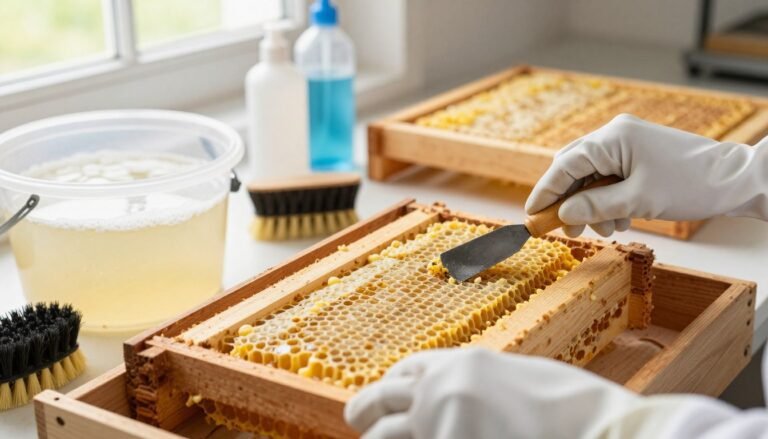
Common methods include rolling warm beeswax onto frames or dipping sheets briefly for light coverage.
For step-by-step help on adding coated inserts to frames, see this adding foundations to frames.
Freshness and Aroma
Use fresh beeswax. A recent coating keeps the scent strong and the wax soft, which bees prefer when they begin comb construction.
Choose extra wax right before placement for faster comb draws and better honey returns.
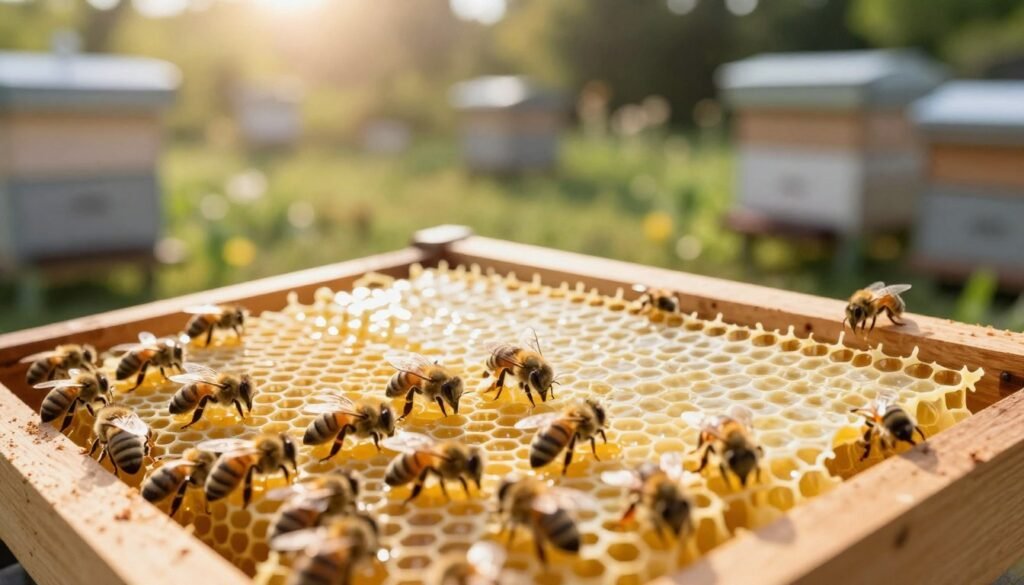
| Technique | Timing | Acceptance Tip |
|---|---|---|
| Light roll-on wax | Same day use | Soft texture encourages initial build |
| Hot dip (brief) | 1–2 days before | Even coverage, works well for reusable frames |
| Heavy spot coating | Less than 24 hours | Place where bees first start comb; use for slow colonies |
For eco-friendly hive paints and long-term coatings, consider this resource on eco-friendly coatings.
Exploring Natural Alternatives to Plastic
Foundationless frames let bee behavior drive comb layout, but they need more hands-on care.
Natural methods let bees choose cell size and build comb that mirrors wild hives. Many keepers use wax foundations or foundationless frames to avoid introducing more plastic into the colony.
Foundationless beekeeping gives bees freedom, but it raises inspection needs. Frequent checks help prevent cross comb and keep frames parallel.
- Use wire or guide strips to help bees build straight comb on frames.
- Avoiding sheets means comb is all natural beeswax, which some say benefits brood and honey quality.
- It is cost-effective but demands time and skill from the beekeeper.
For practical help, explore a sustainable project report on natural hive practices and tips to reduce plastic use in apiaries. These resources show how to balance bee-centered methods with reliable hive management.
Operational Factors for Commercial and Hobbyist Beekeepers
In larger operations, ease of handling and fast honey harvesting become top priorities when selecting frame inserts.
Commercial beekeepers often choose a durable plastic foundation for its repeatable performance and faster extraction. Durable frames cut labor and speed up seasonal runs. That choice helps protect combs during shipping and sorting of many hives.
Hobbyists pick based on time, values, and the level of hands-on care they want to give their bee hive. Some mix foundationless frames and coated sheets to balance natural builds with predictable comb when needed.
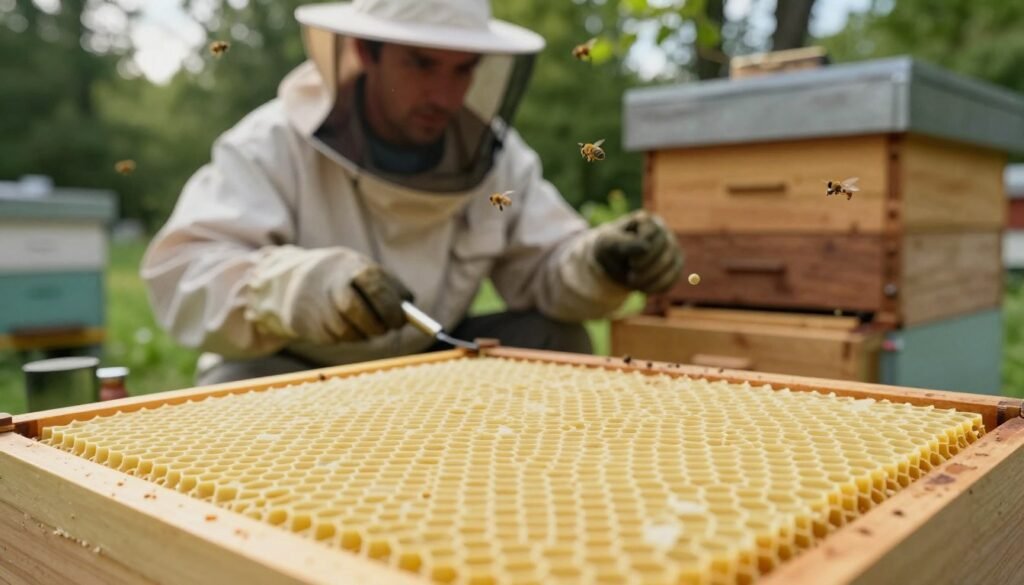
- Burn removed wax frames when managing American Foulbrood to stop spread of disease.
- Wax plastic inserts can offer a middle ground: bees accept them faster and frames remain sturdy.
- Proper care of foundation frames maintains honey yields and hive health across the season.
Whether you use one type or mix approaches, understanding handling needs and disease control is key for U.S. beekeepers. Learn more about using plastic foundation before scaling an operation.
Conclusion
Choosing the right insert is a core management decision that affects hive health and yields.
Plastic foundation offers durability and cost savings that help commercial and small-scale beekeepers streamline honey harvests. Traditional wax choices favor rapid acceptance when bees favor beeswax cues.
Foundationless methods give the most natural result but need more time and careful inspections to avoid cross comb. Weigh the pros cons of each type and match your choice to work style and goals.
Consistent checks, proper frame care, and simple protections for wood boxes extend service life. For tips on preserving hive wood and finishes, see best exterior paint for bee hives.
FAQ
What are the main differences between wax-coated and uncoated plastic foundation?
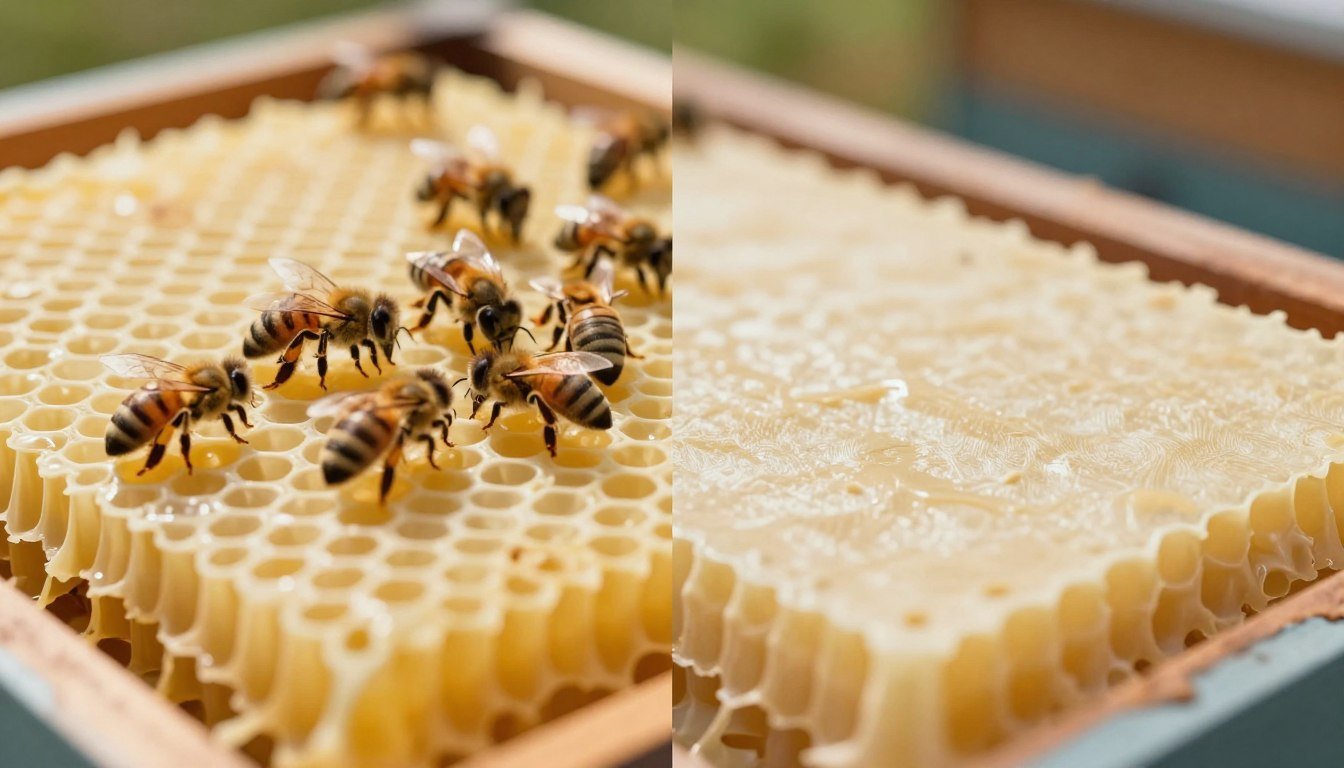
Coated sheets offer a thin layer of beeswax that encourages rapid comb building and acceptance. Uncoated sheets rely on the bees to deposit their own wax, which can slow initial comb construction but avoids adding non-native wax. Coated options often give straight, uniform comb quickly; uncoated allows bees more control over cell size and orientation.
How does foundation affect straightness of comb and hive management?
Properly fitted frames with guidance—whether coated or not—help bees build straight comb. Sheets with a visible pattern or shallow cell imprints make it easier to maintain parallel comb lines, reducing cross-comb and easing inspections and honey extraction. Foundationless frames require careful frame spacing and more frequent checks to keep comb straight.
Will using a coated sheet change honey extraction or yield?
Coated surfaces tend to produce uniform comb that fits extraction equipment well, minimizing drip and capping problems. Bees may build faster on coated sheets, potentially increasing early-season storage. However, long-term yield depends on forage, colony strength, and management rather than foundation coating alone.
Are coated sheets more durable and cost-effective long term?
Coated frames with reinforcement—such as embedded wires—resist breakage during handling and extraction, extending service life. Initial cost can be higher, but durability and fewer rebuilds can make them economical for commercial operations. Uncoated reusable frames may be cheaper upfront but can require more maintenance.
Does the wax layer truly help bees accept the sheet faster?
Yes. Bees recognize the scent and taste of beeswax, which triggers building and reduces drifting. A fresh wax film mimics natural comb cues, so colonies often draw comb faster and with higher acceptance rates on coated sheets than on bare sheets.
Can I apply my own wax coating to uncoated sheets? Any tips?
You can apply beeswax using hot-dipping, brushing, or melter methods. Use clean, food-grade wax, warm it gently, and ensure even coverage without excess buildup. Allow sheets to cool fully before installing. Good ventilation and moderate heat help avoid warping.
How does wax freshness and aroma affect bee behavior?
Fresh beeswax carries colony-specific cues and volatile compounds that encourage building and acceptance. Old, contaminated, or chemically treated wax can deter bees or transfer residues. Using clean wax free of contaminants supports healthy comb production and reduces risk of pests.
What natural alternatives exist to coated or bare sheets?
Options include foundationless frames, wired comb guides, full beeswax sheets, and wood or comb starter strips. Foundationless methods let bees build completely natural comb, while starter strips give a minimal guide without adding a full sheet. Each approach balances natural behavior with management needs.
Which approach suits commercial beekeepers versus hobbyists?
Commercial operations often prefer coated, reinforced sheets for uniform comb, fast draw, and compatibility with high-throughput extraction. Hobbyists and natural apiarists may favor foundationless or full-wax sheets to promote natural cell size and reduce introduced materials. Choose based on hive scale, available time, and harvest methods.
Are there health or contamination concerns with coated sheets?
Risks arise if the coating uses contaminated wax (pesticides, miticides, or old residues). Always source clean beeswax and avoid recycled wax with unknown history. Regular comb replacement and monitoring reduce buildup of residues and disease vectors in the hive.
How often should I replace or refresh sheets and frames?
Many beekeepers rotate or replace comb every 3–5 years to limit residue buildup and disease. Reinforced frames and well-maintained sheets can last longer. Inspect comb annually and replace when brittle, darkened, or heavily contaminated.
Will using starter strips or partial guides help with acceptance without full coating?
Yes. Narrow starter strips or top bars with a thin wax spread give bees a focal point for building without covering the whole face. This can speed comb draw while keeping more natural wax deposition and cell-size control by the bees.