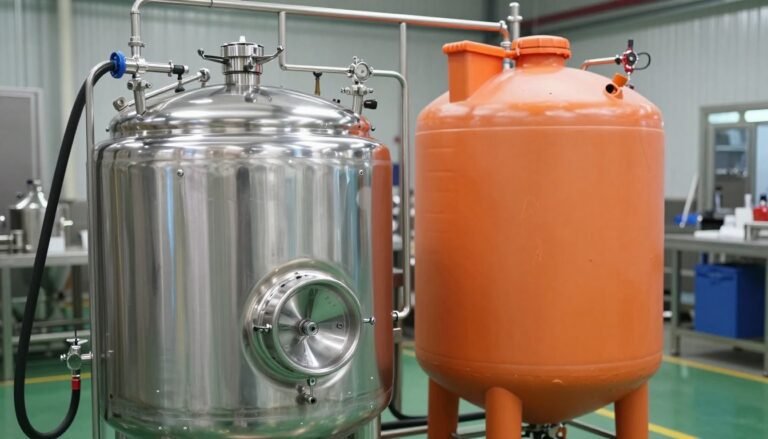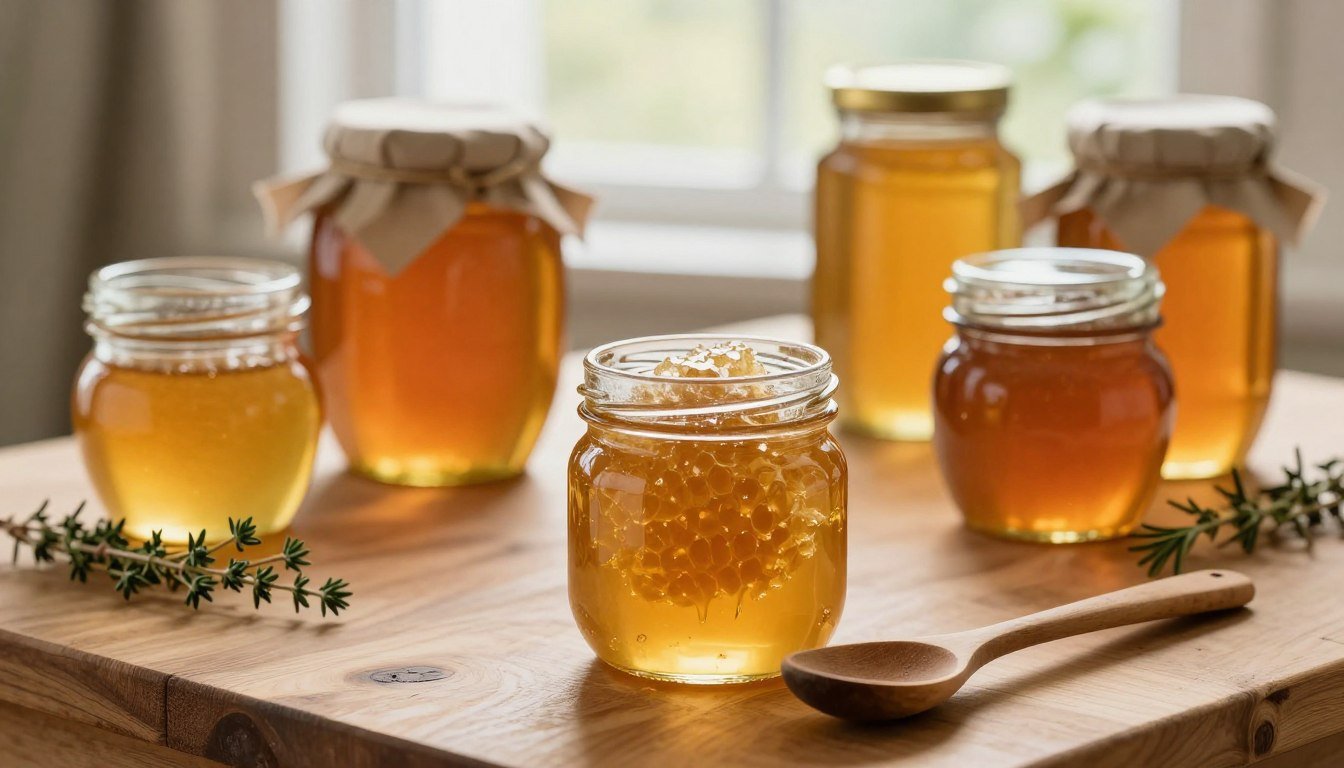
Preserving a clean harvest starts with controlling moisture content. Honey normally sits under 18% water for safe, long-term storage. Its hygroscopic nature means it will pull water from humid air and may ferment over time if left unchecked.
Professional beekeeping focuses on simple steps that work: measure with a refractometer, create dry storage conditions, and choose the right moment for extraction. Small practices — like drying in a warm, ventilated room and using airtight containers — protect the sweetness and quality of your content.
Quick checks during harvest and before bottling save time and prevent spoilage. For detailed methods on treating high water lots, see high moisture guidance, and for room setup tips consult humidity effects on curing.
Key Takeaways
- Target moisture content: aim below 18% for stability.
- Measure regularly with a refractometer before packaging.
- Use warm, dry air and gentle stirring to reduce water levels.
- Store sealed in a cool, dry place to prevent uptake.
- Plan harvest timing during dry weather for best results.
Understanding the Hygroscopic Nature of Honey
Even well-capped comb can gain water if ambient humidity and temperature fluctuate. Wax and stored nectar are hygroscopic, so they pull humidity from the air and raise the water content of stored product.
Bees drive down initial water levels by evaporating nectar and adding enzymes that give natural antibacterial strength. Those enzymes are sensitive; high moisture allows yeast to grow and enzymes to lose effectiveness.
Once harvested, the beekeeper must manage environmental factors. If water content climbs above 19%, fermentation risk jumps and a whole batch can spoil.
Every colony yields unique content, but moisture content remains the universal quality control point. Stable temperature and low relative humidity slow uptake and protect the active compounds bees produce.
For practical treatment and grading guidance, see high moisture guidance and a detailed grading analysis.
Why Moisture Content Matters for Quality
A small shift in water can change a whole harvest’s fate within days.
Quality hinges on simple numbers. When the moisture level rises above a critical point, biological activity can begin. Yeast cells thrive, and fermentation becomes likely. This ruins flavor and creates gas that bulges jars.
The Risks of Fermentation
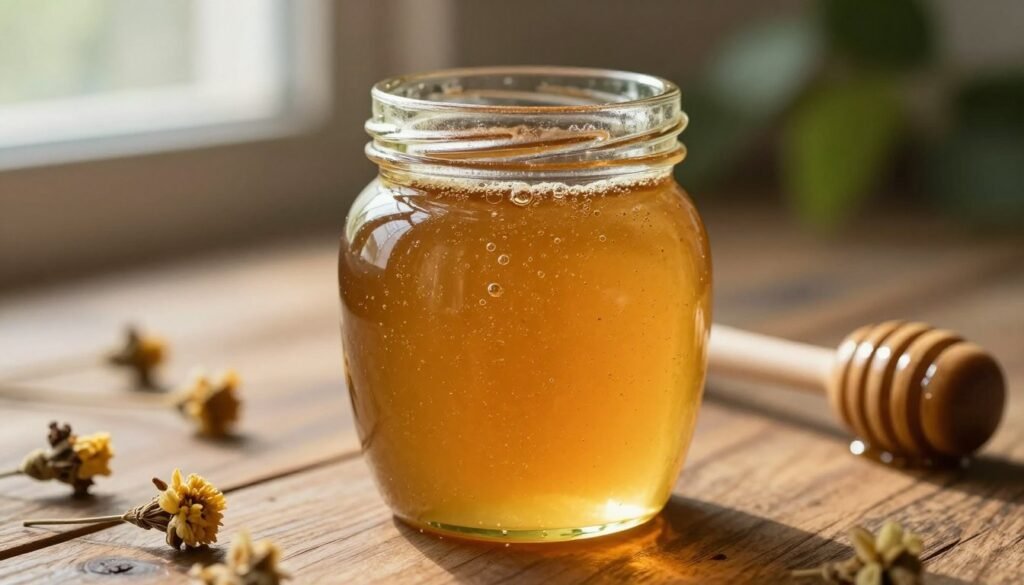
Fermentation starts rapidly once a batch passes about 19% water. Over a few days, off-flavors and bubbles can appear. That process lowers market value and may force disposal.
“Maintaining proper levels prevents spoilage and preserves taste.”
Ideal Moisture Thresholds
Industry best practice sets the safe zone below 18% moisture. Staying under this mark stops most microorganisms from growing and keeps texture stable.
- Above 19%: high risk of fermentation within days.
- Below 18%: recommended for long shelf life.
- Small increases in water content change texture and reduce desirability.
| Metric | Safe Range | Risk |
|---|---|---|
| Moisture content | < 18% | Stable, low microbial activity |
| Borderline | 18%–19% | Watch closely; test often |
| High | > 19% | Fermentation likely within days |
For more context on moisture in honey and practical field checks such as test honey moisture, consult those guides. Regular monitoring protects both flavor and revenue.
How to Keep Honey from Absorbing Moisture During Harvest
Timing the harvest and storing frames in dry conditions prevents added water and keeps quality high.
Never remove supers within a few days after rain. Wet weather raises ambient humidity and allows wax in the hive to pull in extra water. Wait until frames are dry and the weather is stable.
Use a clean, dry extractor and check gear carefully. Even small droplets or damp surfaces can introduce water during extraction and raise moisture content.
- Store full frames in a well-ventilated, dry area until extraction.
- Harvest only when frames capped by the bees — this signals low water content.
- Time the harvest during sustained dry days to limit uptake by supers.
“Prompt extraction and dry equipment protect texture and flavor.”
Practical step: for a full extraction workflow and storage tips see extract and store raw honey. Following these steps reduces the risk of high water in your content honey.
Essential Tools for Monitoring Water Content
Good tools let beekeepers spot risky water levels before fermentation begins. A small set of instruments gives clear, fast readings and guides field decisions.
Using a Refractometer for Accuracy
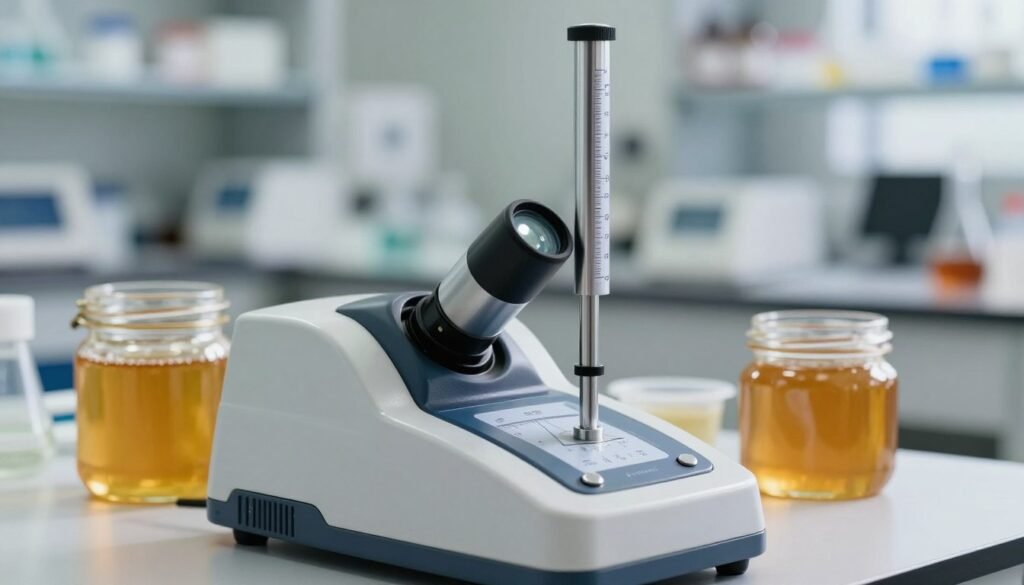
A refractometer is the most essential tool for any beekeeping operation. A quality unit measures from 12% to 27% and helps you track moisture content and water content at the jar level.
- One refractometer and a bucket form a couple of inexpensive tools that cover basic testing needs.
- Pre-calibrated models reduce guesswork and work well under strong light.
- Test multiple samples across batches to confirm consistent content before packaging.
| Spec | Typical Value | Benefit |
|---|---|---|
| Measurement range | 12%–27% | Covers safe and risky levels |
| Calibration | Pre-calibrated | Ready out of box, reliable readings |
| Design | Rubber grip, bright eyepiece | Comfort for field use (The Bee Supply model) |
Use readings to decide if a batch needs further processing or safe storage. For guidance on optimal water content see optimal water content.
“Measure early, measure often, and act on clear readings.”
Techniques for Reducing Excess Moisture in Honey
Small-room solutions often deliver the biggest gains in water control for beekeepers. A compact, sealed space lets you manage air, temperature, and circulation without risking supers spread across a large area.
Dehumidification Methods
Place jars, buckets, or frames in a small room and run a reliable dehumidifier. With a fan for circulation, you can cut moisture content about 2% over 36 hours in tight spaces.
Stirring and Agitation
Regular, gentle stirring exposes more surface area and speeds evaporation during dehumidification. Move honey in a bucket or extraction tub every few hours while air flows over the surface.
Freezing as a Preservation Strategy
When water content stays high, freezing sealed jars prevents fermentation for years. This is a safe interim step while you plan further drying.
“A 5-gallon bucket heater will raise temperature from 70°F to 125°F in about six hours, offering a controlled way to remove excess water without harming enzymes.”
- Use a fan to blow air over frames in a warm room for faster reduction — notable results in ~36 hours.
- A bucket heater plus gentle stirring provides steady temperature and surface exposure during processing.
- For extractor work, balance warmth and speed; learn how to avoid overheating during extraction.
Managing Air Circulation and Humidity Levels
Good air movement around apiaries and storage spaces prevents unwanted water uptake in stored frames.
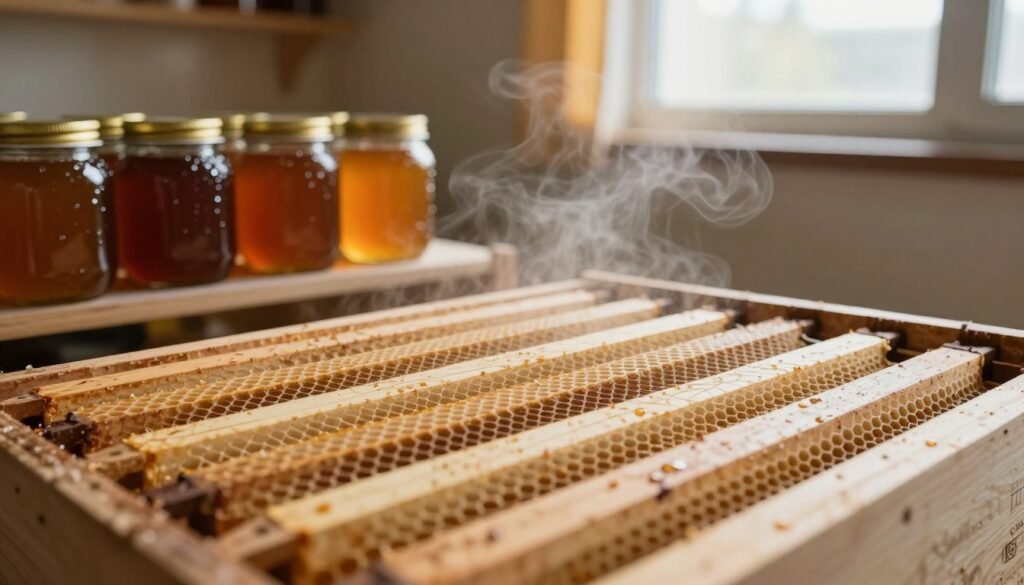
Place hives on sites with steady breezes and low relative humidity. This simple step limits water gain in capped honey and helps frames cure evenly after harvest.
Create a small, climate-controlled enclosure when you extract or hold supers. A quiet fan that circulates air across the surface speeds drying without overheating the jars or comb.
Watch the storage area for high humidity. If readings rise, boost air flow and increase exchange with drier outdoor air. A constant stream prevents damp pockets that raise moisture content.
- Ventilate storage rooms and keep frames in a raised rack so air moves under and over the comb.
- Run a fan on low to move air across the surface of jars and frames during short-term storage.
- Check humidity daily and relocate supers if levels stay high for more than one day.
“A consistent flow of air helps keep content stable and lowers the chance of fermentation.”
The Role of Temperature Control in Moisture Management
Deliberate temperature settings are one of the clearest levers a beekeeper has for controlling water loss.
Maintain a steady temperature between 85°F and 95°F during drying. A bucket heater can be used for large batches, but avoid the 165°F design limit that damages enzymes and flavor.
Gentle warmth over several hours helps surface water evaporate while preserving natural qualities. Keep air moving with a low fan so evaporation is even across containers and frames.
- A bucket heater gives controlled, consistent heat for big buckets and tubs.
- Work in measured cycles of a few hours and check readings often.
- Steady management preserves enzymes and keeps quality stable for years.
“Temperature control is the safest way to reduce water content without compromising taste.”
For practical setup notes on temperature and humidity, see temperature and moisture and guidance on managing hives in wet climates.
Best Practices for Airtight Storage
Airtight containers are the single most reliable defense against humidity in stored jars.
Seal every bucket and jar carefully before you store honey. Even small leaks let air raise the water content over a few days.
Choose quality lids with rubber gaskets or screw tops that close without gaps. A heavy-duty bucket or glass jar with a tight seal gives the best protection.
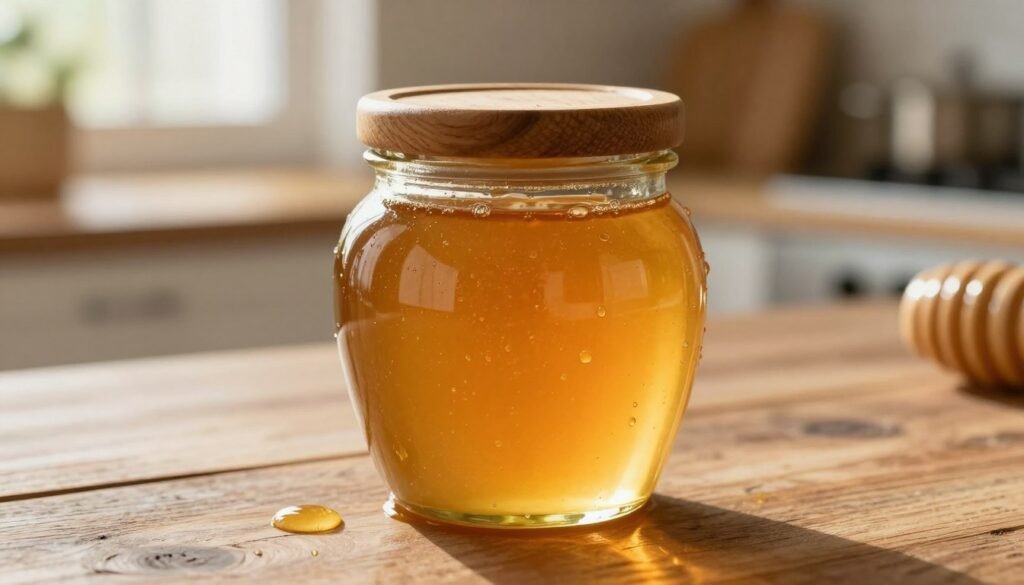
Store honey in a cool, dry area out of direct sunlight. Keep storage racks off the floor and away from damp walls or basements.
- Make sure seals sit flat and are free of debris before closing.
- Label containers with extraction date and moisture reading so you can track stability over days and weeks.
- If you must hold high-water batches, freeze sealed containers as a temporary safeguard.
“Preventing air contact preserves taste and protects the harvest.”
| Practice | Why it matters | Quick tip |
|---|---|---|
| Airtight lids | Stops ambient air raising moisture content | Use rubber-gasket jars or clamp buckets |
| Dry storage area | Reduces chance of slow water uptake over days | Choose climate-controlled rooms above 40% RH |
| Raised shelving | Keeps containers away from damp floors and walls | Use metal or plastic racks with airflow |
Make sure you follow these steps when you store honey. Proper sealing and placement keep water content stable and preserve quality for customers.
For a practical guide on container choice and storage workflow, see best way to store raw honey.
Troubleshooting Common Honey Texture Issues
Texture problems often show up within days of extraction and need quick checks.
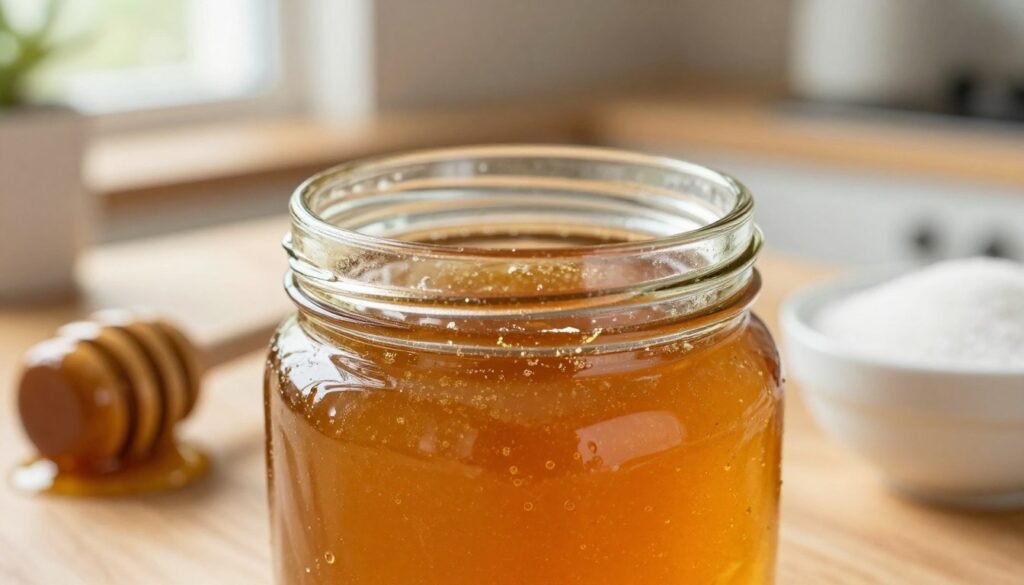
If a jar is too runny, high water and elevated moisture are the likely culprits. Test a sample from several jars and compare readings against your target.
Crystallized product is not always a sign of poor quality. Warm, sunny days or gentle warming will return crystals to liquid without damaging flavor.
When runniness persists, consider blending with thicker lots or using brief, controlled heat while monitoring temperature closely. Avoid overheating; enzymes and aroma can suffer.
- Runny jars often indicate water content above 18%.
- Fermentation shows as bubbles, off-odors, or pressure in lids.
- Bees sometimes cap comb with higher-than-expected content; test before long-term storage.
“Address texture issues quickly — a couple days of attention can save a whole harvest.”
For storage best practices and longer-term handling, see storage best practices. Routine checks during extraction and after harvest keep product stable for years.
Conclusion
Maintaining correct water levels is the single most important task for a reliable harvest.
Use a refractometer and a bucket heater for clear readings and steady drying. These tools help control water content and lower the chance of fermentation.
Seal jars and store containers in a dry, ventilated space. Proper lids and airtight buckets prevent unwanted air that raises moisture content and harms flavor.
Final thought: careful measurement, timely extraction, and good storage are the pillars of professional beekeeping. Follow these steps and your honey will keep its texture and quality through every harvest.
FAQ
What causes honey to draw in water from the air?
Honey is hygroscopic; it naturally pulls moisture from humid air because of its sugar composition. If relative humidity in storage or the extraction area rises above safe levels, liquid enters the surface and raises the overall water content, increasing the risk of fermentation and spoilage.
What moisture level signals a fermentation risk?
Fermentation commonly begins once water content exceeds about 18–19%. Most beekeepers aim for 16–18% at harvest. Use a refractometer to check water content quickly; readings above the safe range require corrective action such as drying or dehumidification.
Which tools give reliable water-content readings?
A quality handheld refractometer designed for honey is the standard tool. Calibrate it with distilled water, follow temperature-correction charts, and take several readings from different containers or frames for accuracy.
What are practical ways to lower excess water after extraction?
Use a dehumidifier in the extraction room, improve ventilation with fans, or use controlled airflow around supers. Gentle stirring or recirculating warm (not hot) air can speed moisture loss. For small batches, leaving uncapped honey in shallow trays under controlled conditions also helps.
Can freezing stop fermentation or preserve high-moisture honey?
Freezing halts microbial activity and can preserve quality temporarily, but it doesn’t remove water. Thawing without moisture control will allow fermentation to resume. Use freezing as a short-term measure only when immediate drying isn’t possible.
Should capped frames be left on the hive or removed for storage?
Store fully capped frames whenever possible; capping indicates low moisture. If frames are only partly capped, assess with a refractometer after extraction. Keep stored supers in a cool, dry area with good air circulation and low relative humidity.
How does room temperature affect honey’s moisture balance?
Higher temperatures can make honey less viscous and allow water to equalize more quickly with ambient air, while cooler storage reduces humidity exchange. Maintain a stable, moderate temperature and control room humidity to limit moisture uptake.
What setup works best in an extraction room to prevent moisture gain?
Use a sealed room with a dehumidifier sized for the space, insulated walls, and an exhaust fan for steady air exchange. Position the extractor and settling tanks away from open doors and windows. Monitor humidity with a hygrometer and keep it below 50% when storing or processing honey.
Is surface wetness on fresh honey a sign of contamination?
Surface wetness usually indicates high water content or recent exposure to humid air rather than contamination. However, if wet honey develops fermentation odors or visible bubbles, discard or treat it; fermented product is unsafe for long-term storage.
How long can properly stored honey remain stable?
Well-dried, capped honey stored airtight at cool temperatures with low humidity can remain stable for years. Quality declines if stored with high ambient humidity, fluctuating temperatures, or in permeable containers that allow moisture migration.
Are there quick checks before bottling to ensure safe water content?
Yes. Use a refractometer on samples from settling tanks or buckets. Check several spots and apply temperature correction. Also inspect for surface gloss and the absence of fine bubbles, which suggest low moisture and minimal fermentation risk.
What actions fix a batch that has started fermenting?
If fermentation is early and value is low, you may heat-treat and filter, but this degrades flavor and destroys enzymes. For food safety, many beekeepers discard fermented batches. Preventive measures—drying, faster extraction, and proper storage—are far better.
Can stirring or agitation prevent crystallization while managing moisture?
Controlled stirring helps redistribute moisture and can speed uniform drying after extraction. It won’t remove water on its own. Combine agitation with warm, dry airflow or dehumidification for effective moisture reduction while also reducing uneven crystallization.
Which containers best protect product against humidity?
Use airtight glass jars, food-grade plastic with tight seals, or metal tins with gaskets. Avoid porous or loosely sealed containers. Store filled containers in a dry, temperature-stable space away from direct sunlight and fluctuating air currents.