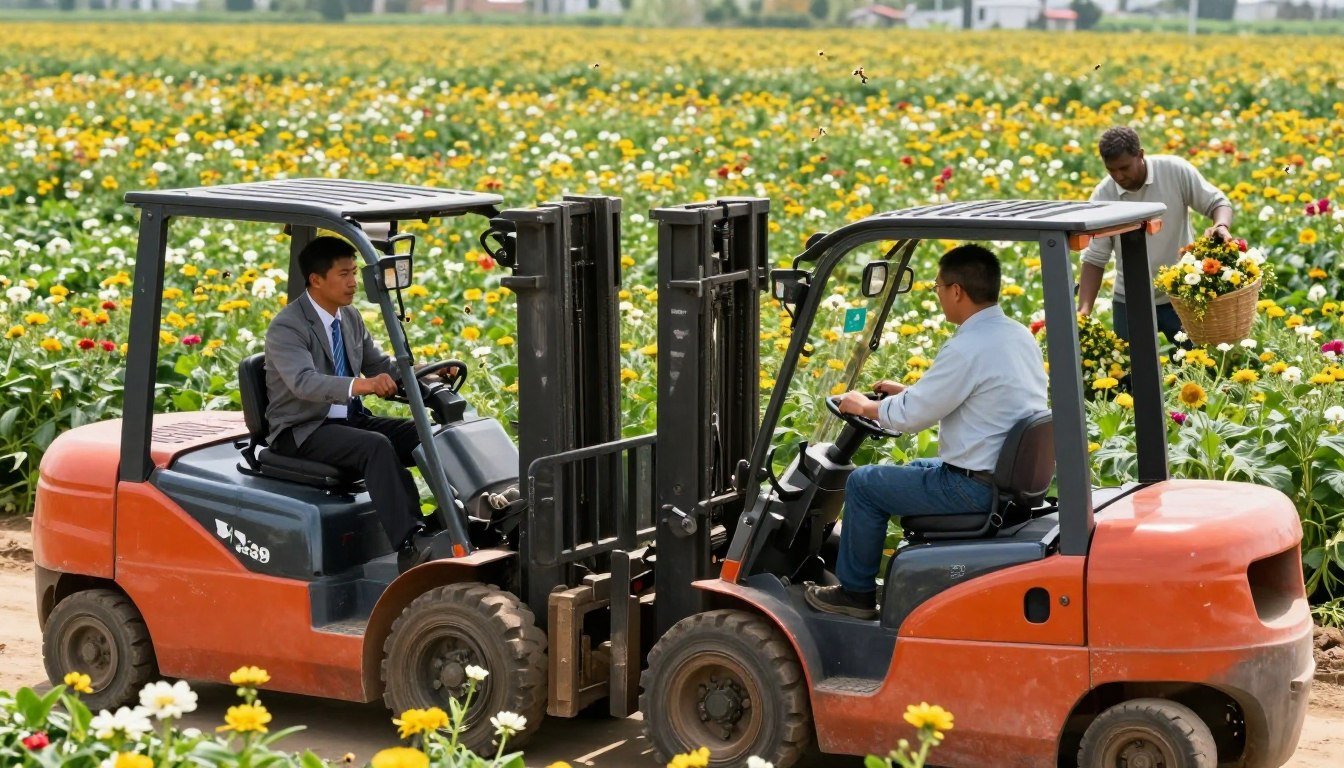
Choosing the right equipment matters when moving hives for seasonal work. At Brookfield Farm, Bruce Bowen and Pat Ray loaded 818 hives onto three trucks for California almond pollination.
The debate between mechanical lifts and manual loading balances speed with care. Mechanical systems cut time on large pallet loads, while skilled teams offer gentle handling that protects colonies and reduces damage.
Efficiency and worker safety are key. Proper training, routine maintenance, and choosing the right model help match load capacity, lift height, and aisle sizes in a facility.
For high-volume moves across varied terrain, consider compact loaders with good power and low ground impact. Learn about a top loader option for beekeeping professionals in this gear review: best loader for beekeeping.
Key Takeaways
- Match equipment choice to load size, lift height, and distances to cut time.
- Well‑maintained models reduce downtime and protect materials.
- Training lowers injury risk and improves handling precision.
- Pallet strategy and storage layout simplify seasonal moves.
- Weigh terrain and facility spaces before picking a model or option.
Understanding Material Handling Fundamentals
Every facility benefits when its moving equipment matches task demands and space. Clear basics help teams pick the right tools for safe, fast work.
Defining the Equipment
Pallet trucks and pallet jacks move goods that are too heavy for manual carry. Standard manual pallet trucks lift between 1.5 to 5 tons, making them a cost-effective choice for many warehouses.
Electric pallet trucks reduce fatigue on longer runs, while forklifts bring the power needed for heavier loads and higher stacking in construction and industrial sites.
The Role of Efficiency
Matching capacities, lift height, and aisle size to a model lowers handling time and damage. Regular maintenance and targeted training keep tools reliable and safe.
- Choose by load and lift: size and capacity matter.
- Consider distances: electric options cut strain over long runs.
- Balance cost and power: trucks and models vary by terrain and storage needs.
“Proper equipment selection ensures steady productivity and fewer interruptions.”
For practical guidance on manual handling and safe use, see the manual pallet jack training guide.
Forklift vs Hand-Loading Pollination Operations
Moving hundreds of hives in a short window forces teams to pick tools that balance speed, safety, and colony care. Before loading onto trucks, crews checked population density and food stores to avoid stress during transit.
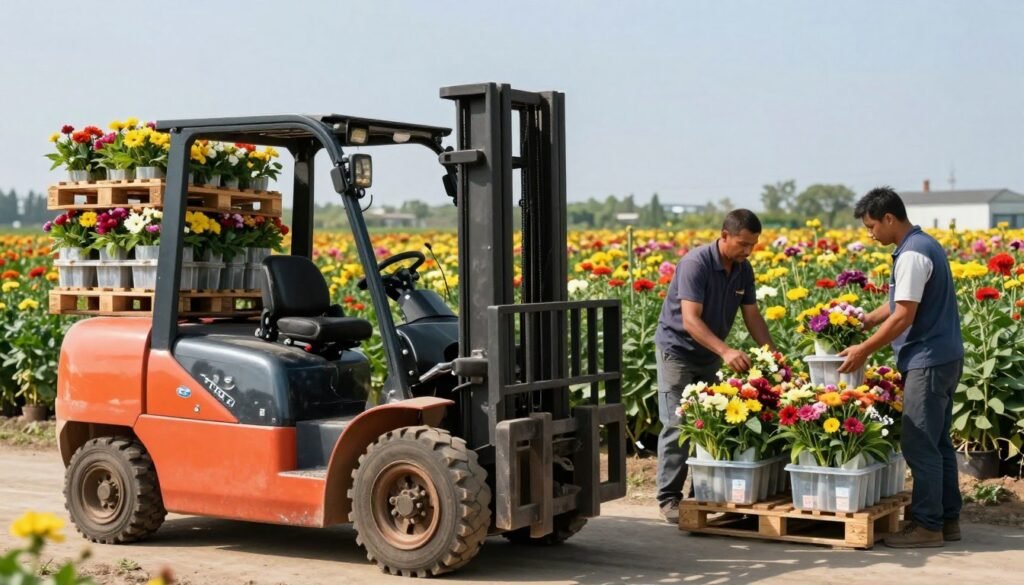
Large-scale moves often rely on forklifts to lift full pallets quickly and reduce manual strain. These models cut turn time when sites require many pallet transfers across long distances.
For smaller yards, hand loading remains common. It demands more crew effort but gives finer control when stacking and when pallets need cleaning and organization before loading.
Pallet trucks and other types of material handling equipment bridge the gap. They speed loading of many hives while keeping ground pressure low and reducing damage.
“Clean, organized pallets and clear training make the difference between a smooth load and costly delays.”
For a proven manual option that helps teams move commercial hives efficiently, see the best pallet jack option for commercial.
Comparing Load Capacity and Lifting Height
Capacity and reach determine how high and how heavy you can stack in a busy warehouse.
Material handling choices hinge on clear numbers. For heavy industrial work, machines rated from 5,000 to 40,000 pounds let teams move much larger loads and use tall racking systems efficiently.
Vertical Stacking Capabilities
Standard pallet jacks handle ground-level moves but rarely support vertical stacking in high-density facilities.
Lift height from powered equipment enables better use of vertical space. That reduces floor congestion and speeds retrieval on long runs between pallets and trucks.
- Heavier loads: engineered machines carry extreme weight for bulk tasks.
- Daily tasks: match capacity to typical loads to avoid overuse and downtime.
- Maintenance and training: both extend life and ensure safe lifting at height.
| Equipment Type | Typical Load Capacity | Vertical Reach |
|---|---|---|
| Industrial lift | 5,000–40,000 lb | High racking (20+ ft) |
| Electric pallet jack | 3,000–6,000 lb | Low to mid (floor to pallet) |
| Manual pallet jack | 3,000–5,500 lb | Ground level |
“Understanding lift height and capacity helps businesses pick the right equipment for varied material types.”
For practical hive and pallet handling guidance, see Langstroth hive guidance to match handling choices with real-world needs.
Maneuverability in Tight Spaces
Tight aisles change the rules for moving loads and demand compact, agile gear.
Pallet jacks and pallet trucks shine where space is limited. These types fit narrow aisles and reduce the risk of bumps or dropped pallet stacks.
Electric pallet trucks add power for small loads without the footprint of larger machines. Teams can move pallet sets across warehouse floors faster and with less fatigue.
By contrast, forklifts need a wider turning radius and suit open layouts better. Choosing the right equipment depends on aisle width, load size, and the distances workers travel.
Good training and routine maintenance keep compact handling tools reliable. When facilities plan pallet placement and traffic flow, they cut time and lower damage during busy tasks.
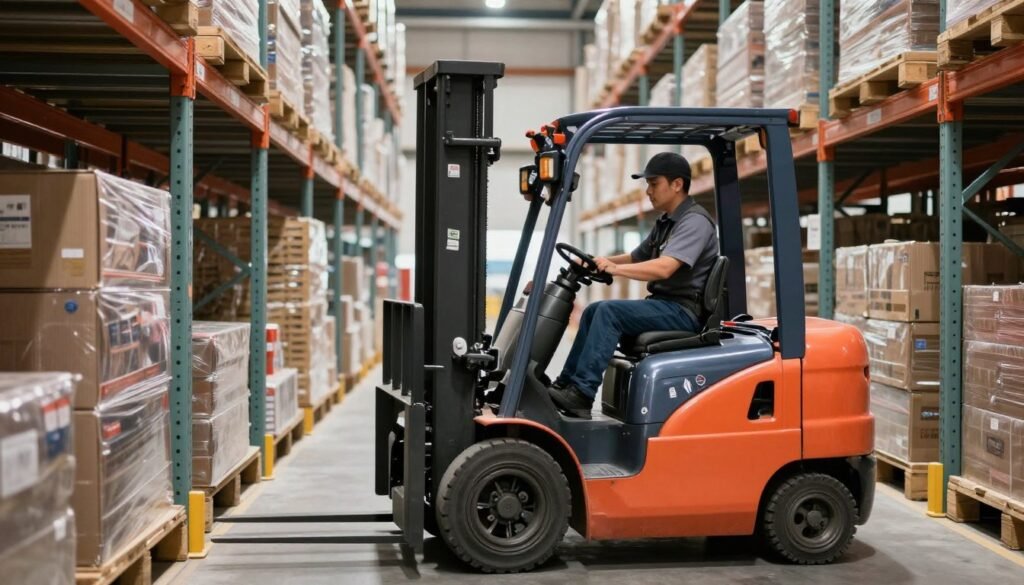
“Efficient movement in tight spaces preserves product and speeds every shift.”
Operational Safety and Training Requirements
Safe handling begins with clear rules, documented training, and routine checks that every team follows. Employers must adopt written programs and keep training records to protect staff and goods.
OSHA Compliance Standards
OSHA standard 29 CFR 1910.178(l)(1) mandates comprehensive training for operators of powered industrial trucks. This requirement covers formal instruction, practical training, and evaluations of competence.
Operator Certification
Certification programs from recognized providers teach equipment stability, load handling, and safe movement in warehouses. Forklifts require more intensive training than manual pallet jacks because of greater size and power.
- Formal instruction: classroom or e-learning on rules and hazard recognition.
- Practical training: hands-on drills with real loads and site-specific scenarios.
- Regular refreshers: periodic re-evaluation to keep skills current.
“Proper operator certification is both a legal safeguard and a practical step to reduce incidents.”
For more detailed regulatory context, review the OSHA petition guidance.
Maintenance and Long-Term Costs
Upfront price tags hide routine service needs that define total lifecycle expense.
New machines often sit between $20,000 and $50,000, so buyers must plan for more than the purchase.
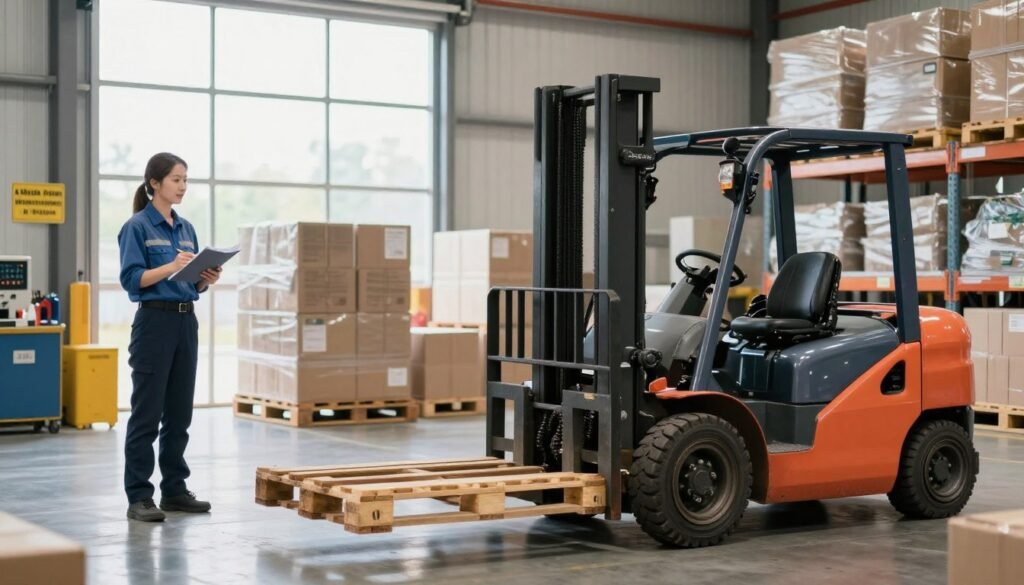
For example, forklifts require regular preventive maintenance to avoid downtime and costly repairs.
Manual pallet jacks cost less to own and maintain because they have fewer moving parts and no fuel needs.
Long-term budgets should include routine service checks, replacement parts, and periodic inspections.
- Consider load capacity when sizing equipment; matching capacity reduces wear.
- Factor in fuel, tires, and hydraulic service for powered models.
- Allow for training time so teams use tools safely and extend life.
“Planned maintenance turns a large capital expense into predictable monthly cost.”
Businesses must weigh higher upkeep for powered units against the gain in speed and ability to move heavier loads. For practical checklists and maintenance planning, review a fleet maintenance checklist and a short guide on choosing a pallet handling accessory.
Environmental Considerations for Indoor and Outdoor Use
Choosing gear for indoor or outdoor use starts with how the environment affects emissions, traction, and wear. For enclosed spaces, electric forklifts and pallet trucks cut exhaust and help maintain air quality for workers.
Outdoor sites often need rough-terrain models that handle uneven ground and heavy loads. These units resist mud, rain, and harsher cycles of wear that shorten service life if misused indoors.
Regulatory rules and facility priorities influence selection. Facilities that track air permits or prioritize worker health favor electric options to lower emissions and downtime for ventilation control.
Proper match of tool to task extends fleet life. Use pallet-rated gear for frequent pallet moves, choose trucks designed for weather exposure, and limit hand transfers where possible to reduce strain.
- Indoor: electric equipment reduces emissions and noise.
- Outdoor: choose rough-terrain models for traction and durability.
- Planning: factor weather, maintenance, and training into your fleet strategy.
Strategic Equipment Selection for Your Business
A clear inventory of tasks, heights, and loads guides smarter equipment purchases and rentals. Start by listing typical pallet sizes, the required lift height, and how often each pallet moves through your facility.
Match load capacity to daily demands. For heavier loads, invest in a high-capacity forklift model that reduces trips and stress on crews. For frequent low-level moves, consider specialized pallet trucks or an electric pallet option to cut fatigue.
Facilities with narrow aisles need machines built for tight spaces. Prioritize maneuverability and short turning radii when choosing equipment for compact layouts.
Renting can bridge seasonal peaks. Using platforms like DOZR gives access to the right equipment without large upfront cost, so you scale capacity only when needed.
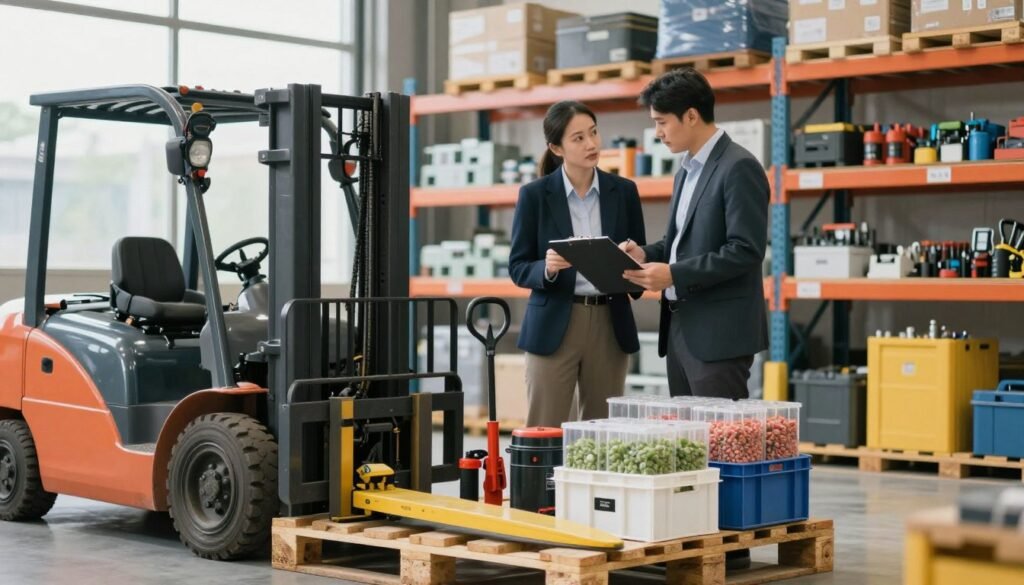
“Evaluate warehouse layout and task frequency before committing to purchases.”
For hardware shifts tied to service changes, review how hardware requirements evolve to align gear with your business goals.
Conclusion
Start your selection by mapping how often loads move, their weight, and where they must fit. This simple audit reveals the right equipment for your site and budget.
For short runs, consider pallet trucks and manual options that cut cost and keep handling gentle. For heavy lifts or tall stacking, powered units like electric pallet models and larger forklifts speed the work and reduce strain.
Prioritize training, maintenance, and clear pallet procedures to protect staff and goods. With a focused material handling plan, you can boost productivity, meet safety rules, and scale efficiently.
FAQ
What factors determine whether to use a forklift or manual pallet trucks for pollination material handling?
Choose based on load weight, lift height, distance moved, aisle width, and frequency of moves. Heavier loads and higher lifts favor powered equipment like electric pallet trucks or sit-down riders. Short distances, light trays, and very tight spaces often suit manual pallet trucks or hand loading to reduce cost and simplify training.
How do load capacity and lift height affect equipment choice?
Equipment must match the maximum weight and required lift. Electric pallet trucks and counterbalanced models handle heavier pallets and taller stacking. For low lifts and single-tier handling, a manual pallet jack often suffices. Always confirm the rated capacity and stable load placement before use.
Are there specific aisle or layout considerations for selecting material handling gear?
Yes. Narrow aisles push you toward compact, narrow-aisle models such as stand-up reach trucks or turret trucks. Wide aisles allow larger sit-down machines. Consider turning radius, rack configuration, and floor load limits when planning the layout.
What training and certification are required for powered equipment operators?
Employers must provide operator training and evaluation that meets OSHA standards. Training covers equipment controls, load handling, hazard recognition, and daily inspections. Certification documents should be retained and refreshed regularly, especially when equipment or conditions change.
How does safety differ between powered trucks and manual handling?
Powered trucks can handle heavier loads with less physical strain but bring risks like tip-over, struck-by incidents, and pedestrian collisions. Manual handling reduces machine hazards but raises ergonomic and musculoskeletal injury risks from lifting and repetitive motion. Implement standard operating procedures and PPE for both.
What maintenance practices extend the life of material handling equipment?
Perform routine inspections, battery and charging care for electric models, brake and hydraulic checks, and timely repairs. Keep maintenance logs and follow manufacturer guidelines for service intervals to reduce downtime and long-term costs.
How do indoor and outdoor environments influence equipment selection?
Indoor facilities favor electric, low-emission machines with smooth tires for concrete. Outdoor tasks on uneven terrain need pneumatic tires and higher ground clearance; diesel or gas models may be appropriate. Consider dust, moisture, and temperature effects on batteries and electronics.
Can smaller facilities benefit from powered pallet trucks over manual methods?
Yes. Even small businesses see gains in speed and reduced labor fatigue with electric pallet trucks, especially when moves are frequent or loads approach manual capacity limits. Analyze cost, maintenance, and return on investment before switching.
What role does ergonomics play when choosing hand-operated versus powered gear?
Ergonomics is crucial. Hand-loading can increase injury risk from repetitive lifts. Powered equipment minimizes physical strain but requires good operator visibility and controls designed for comfort. Prioritize ergonomics to lower injury rates and improve productivity.
How should businesses evaluate long-term costs when picking material handling solutions?
Calculate total cost of ownership: purchase or lease price, maintenance, fuel or electricity, training, insurance, and expected lifespan. Factor in productivity gains, reduced labor costs, and potential downtime. Often, higher upfront cost for the right machine yields savings over time.
Are there hybrid options between full manual loading and large powered trucks?
Yes. Options include electric pallet jacks, walkie stackers, and ride-on pallet trucks. These bridge the gap by offering power for lifting and moving while maintaining smaller footprints and lower costs than full-size counterbalanced models.
What regulations should I check beyond OSHA when selecting equipment?
Review ANSI standards, local building and fire codes for storage heights and aisle spacing, and environmental regulations for emissions if using internal combustion engines. Manufacturers like Hyster, Crown, and Toyota provide compliance information for their models.
How can I test which equipment suits my facility before buying?
Arrange on-site demos or rentals from reputable dealers. Test typical loads, stack heights, and aisle turns during peak operations. Evaluate operator feedback, cycle times, and any necessary facility changes like wider aisles or reinforced floors.
What should be included in a daily inspection checklist for powered trucks?
Check brakes, steering, horn, lights, mast and lift chains, hydraulic fluid, tires, and battery charge and water levels. Verify load backrest and safety devices function. Document findings and remove any defective unit from service until repaired.
How do material types and packaging affect equipment selection?
Bulky, fragile, or uneven loads may require specialized attachments like clamps or side shifters. Palletized, uniform loads work well with standard pallet jacks and riders. Match attachments and tire types to the product to prevent damage and improve handling.