Last Updated September 17, 2026
To requeen a hive successfully, remove the old queen, leave the colony queenless for about 24 hours, hang the new queen’s cage between two brood frames with the candy end exposed, and let the workers release her over two to four days — then confirm eggs about a week after release. Done that way, acceptance is high in almost any season; skip the steps and a valuable queen can be balled and killed within minutes.
This is the general procedure for any colony: an aging or failing queen, a routine one-to-two-year replacement, a poor brood pattern, or a temperament upgrade. If your specific problem is a hot, defensive colony that stings without provocation, the extra safety steps, flying-bee displacement tactics, and nuc-splitting search technique are covered separately in our guide to requeening an aggressive bee colony. This article focuses on the method itself.
Key Takeaways
- Plan the process: timing, a 24-hour queenless period, and cage placement matter more than where the queen came from.
- Use indirect introduction — a caged queen with a candy plug — for almost every colony; direct release only works in calm, clearly queenless colonies during a flow and is a gamble with a shipped queen.
- Expect the workers to release her in 2–4 days and check for eggs 5–7 days after release; do not open the hive in between.
- Requeening during a nectar flow gives the highest acceptance; September requeening in most U.S. regions produces the long-lived winter bees that drive spring buildup.
- Replace aggressive or failing queens promptly: colony temperament changes as the new queen’s daughters take over, roughly three to six weeks after introduction.
- Laying-worker colonies are a special case — add open brood first and establish the queen in a nuc, then combine.
Table of Contents
- Why requeening matters: genetics, temperament, and productivity
- Best time to requeen in the United States
- How to requeen a hive successfully: a step-by-step guide
- Choosing your method: direct vs. indirect introduction
- Optimizing acceptance: brood, frames, and worker behavior
- Troubleshooting special cases: laying workers and aggressive hives
- FAQ
Why requeening matters: genetics, temperament, and productivity
The queen’s genetics are the main lever a beekeeper has on a colony’s temperament and productivity. Hot colonies usually trace to defensive bloodlines; a poor brood pattern usually traces to an old, poorly mated, or diseased queen. In both cases the fix is the same: replace her with a mated queen from calmer or more productive stock.
Behavioral change is not instant. The old queen’s daughters keep foraging and guarding until they die off. New workers begin emerging 21 days after the new queen starts laying, and the colony’s character shifts as those bees take over — usually noticeable within three to six weeks.
Spotting an aging or failing queen
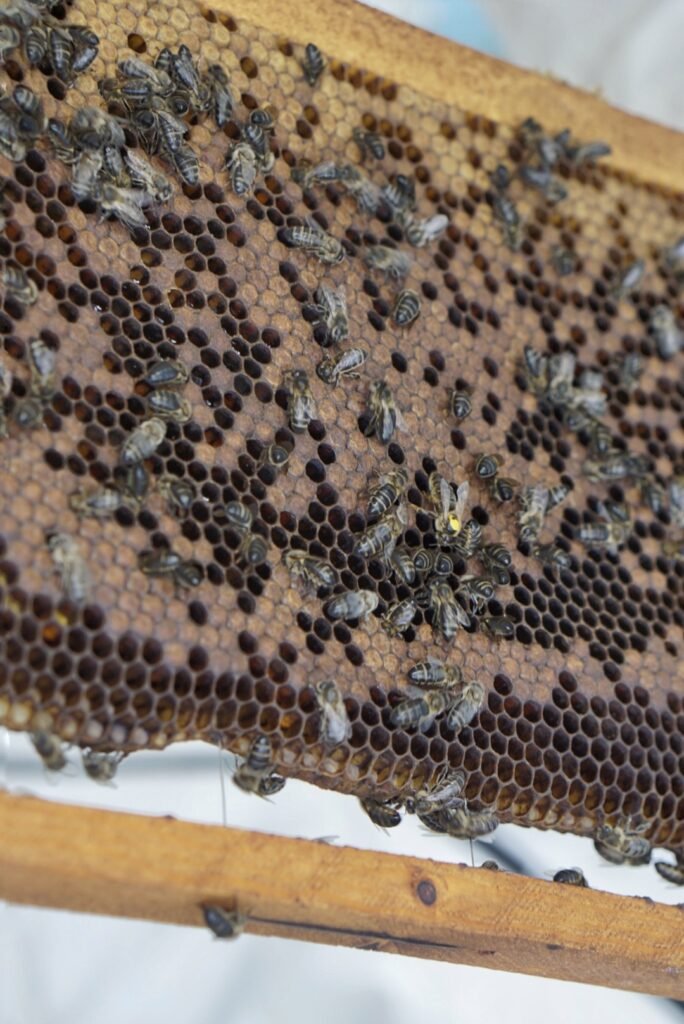
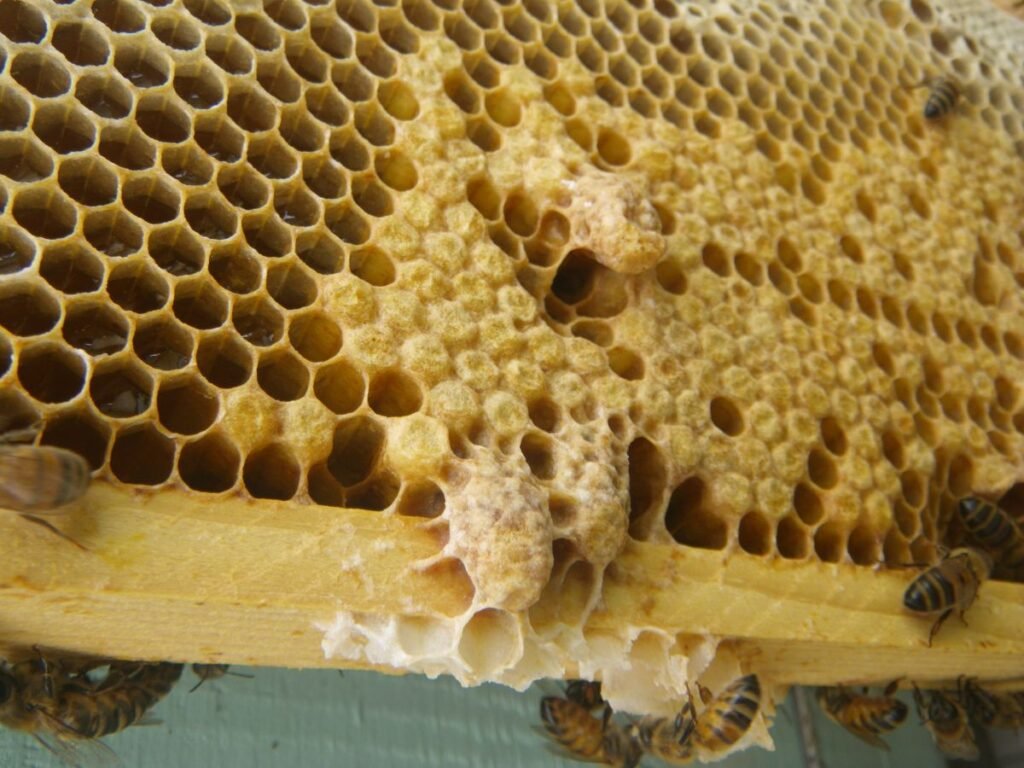
Watch for scattered eggs, fewer larvae, patchy brood, and drone brood in worker cells. A supersedure cell or two on the face of the comb means the bees have already decided. Our guide to what a healthy brood pattern looks like shows the difference side by side, and when to buy a replacement queen covers the timing of ordering.
Routine replacement every one to two years keeps colonies vigorous. Many commercial operations requeen annually; hobbyists often let a good queen run a second season and replace her at the first sign of decline.
| Issue | Signs | Expected result after a new queen |
|---|---|---|
| Aggressive genetics | Frequent stinging, chasing, defensive clustering | Calmer behavior within 3–6 weeks as new workers emerge |
| Old queen | Scattered eggs, fewer larvae, patchy brood | Improved brood pattern and population |
| Low productivity | Reduced honey stores, slow spring buildup | Steadier production with selected stock |
Running several hives lets you spread better genetics across colonies over time — see how to expand an apiary safely. If you would rather raise your own replacements, start with queen rearing basics for U.S. beekeepers.
Best time to requeen in the United States
Timing affects both immediate acceptance and long-term colony strength. Choose a window that matches your regional nectar flow and weather, and plan extra checks when forage is scarce.
Requeening in September: winter bees and spring buildup
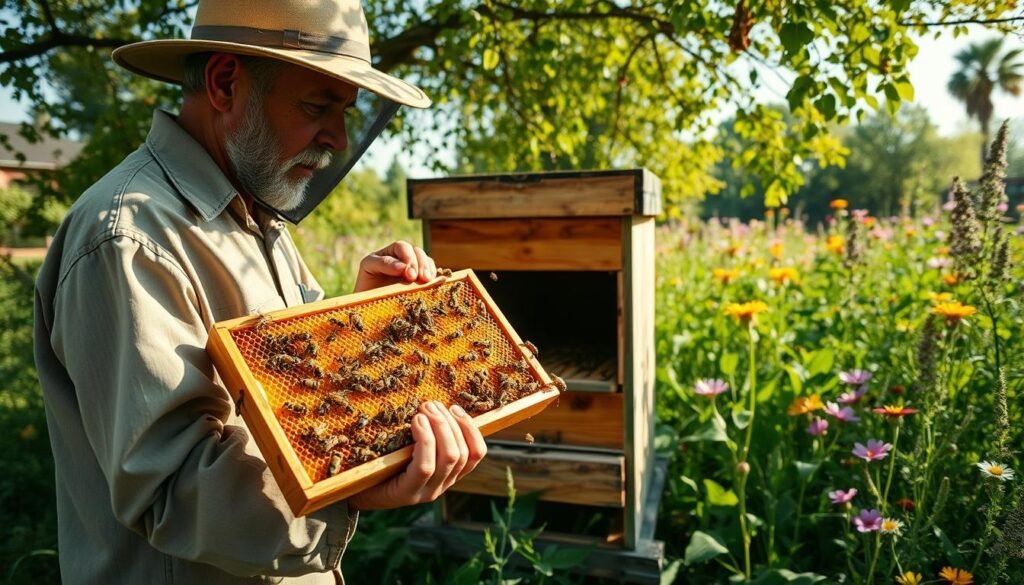
In most of the country, a queen introduced in late August or September lays the last brood cycles of the year. Those workers are the long-lived winter bees that carry the colony to spring and become its first nurse bees, so the colony often enters spring with more brood-care capacity. This is why many U.S. beekeepers schedule routine requeening for late summer rather than spring.
Nectar flow and queen acceptance
Bees accept queens most readily during a strong nectar flow. In many regions September has lower flow and acceptance can fall, so late-season requeening needs the caged, slow-release method and a little feeding to mimic a flow.
The trade-off: requeening during the spring or summer flow gives the highest short-term acceptance; September favors winter readiness. Both work when the introduction is done carefully.
- Feed light syrup for a few days around a dearth introduction to simulate a flow.
- Delay final release a day or two during dearths if the workers are still biting at the cage.
- Keep notes by hive: date, source of the queen, release date, and the date eggs were first seen.
How to requeen a hive successfully: a step-by-step guide
Secure a reliable mated queen and stage your work area before opening the box. Purdue Extension’s queen-introduction publication, written with Penn State’s apiculture program, sets out the sequence most U.S. extension services teach, and the steps below follow it.
1. Acquire and prepare
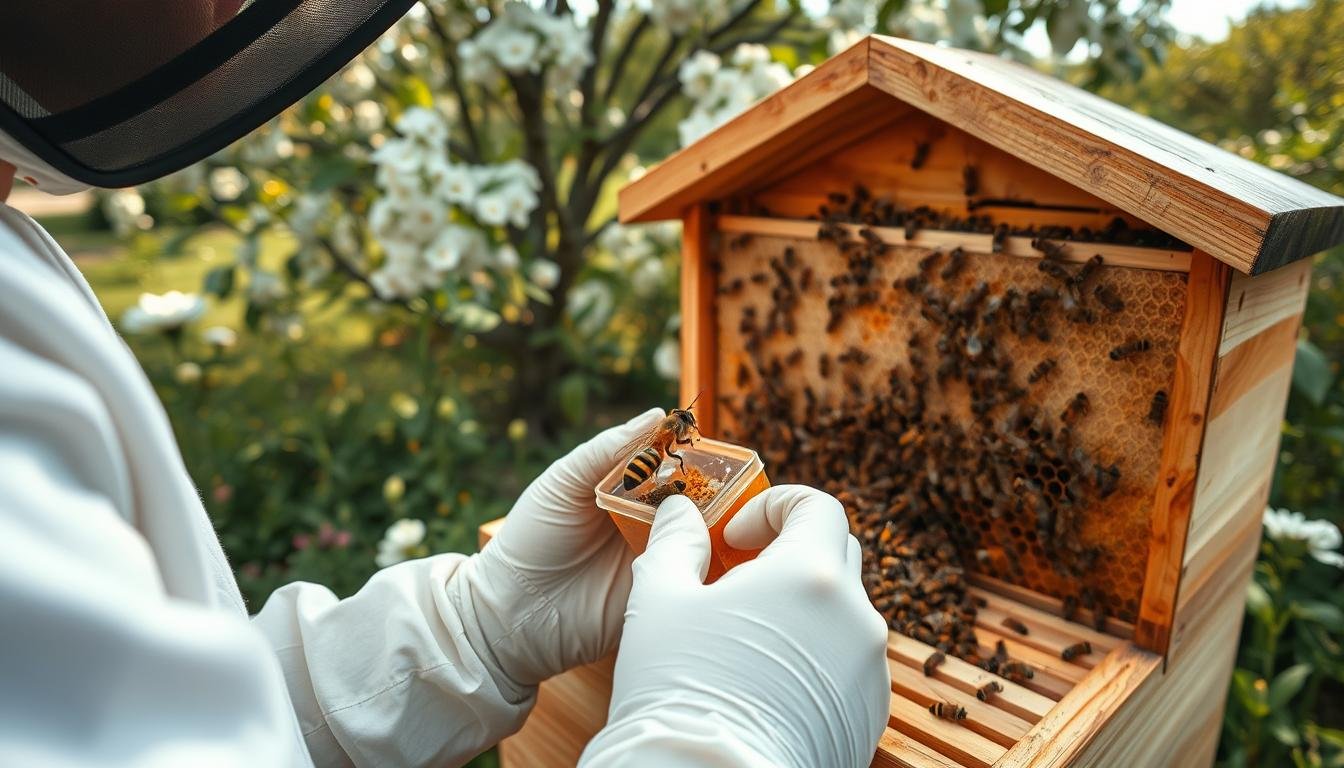
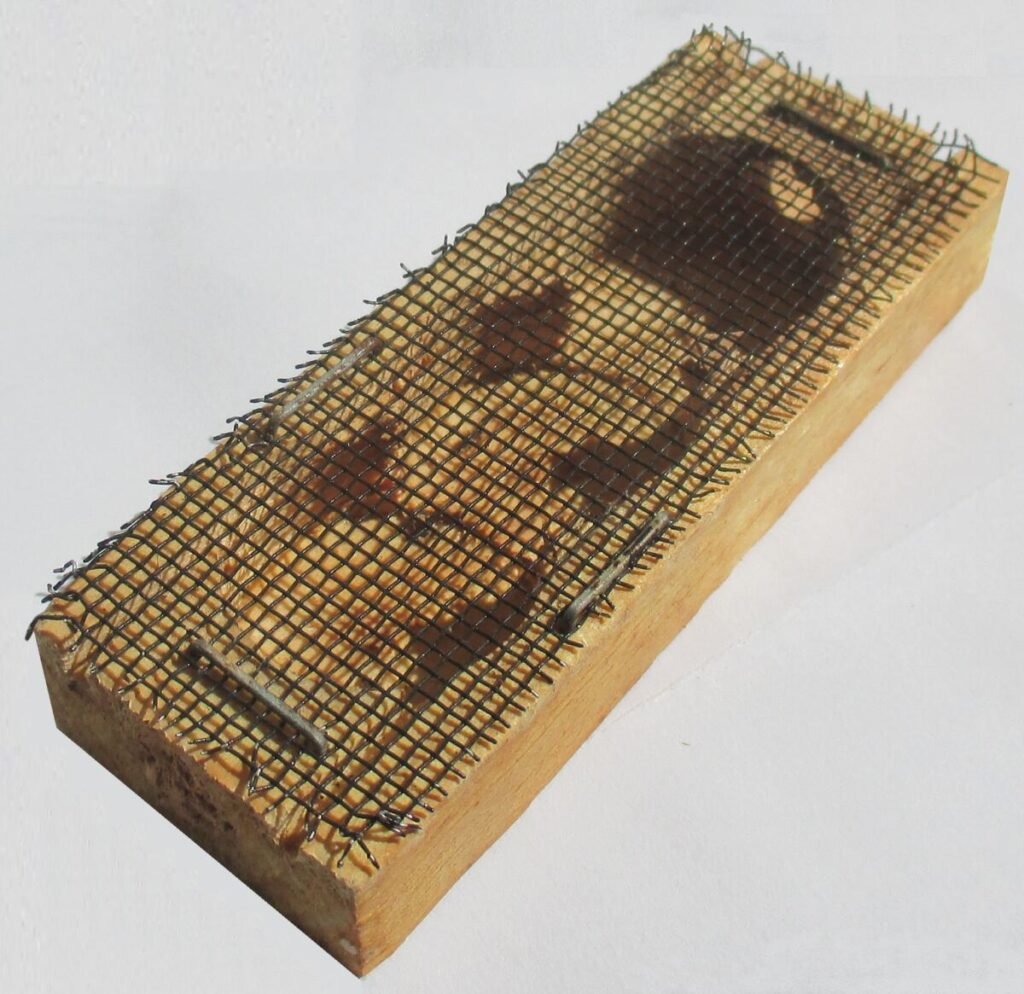
Source a healthy mated queen from a trusted breeder or a strong donor colony. Keep her cage in a cool, shaded room (not the refrigerator) with a drop of water on the screen once or twice a day, and introduce her within a few days — longer storage raises mortality.
2. Protective setup
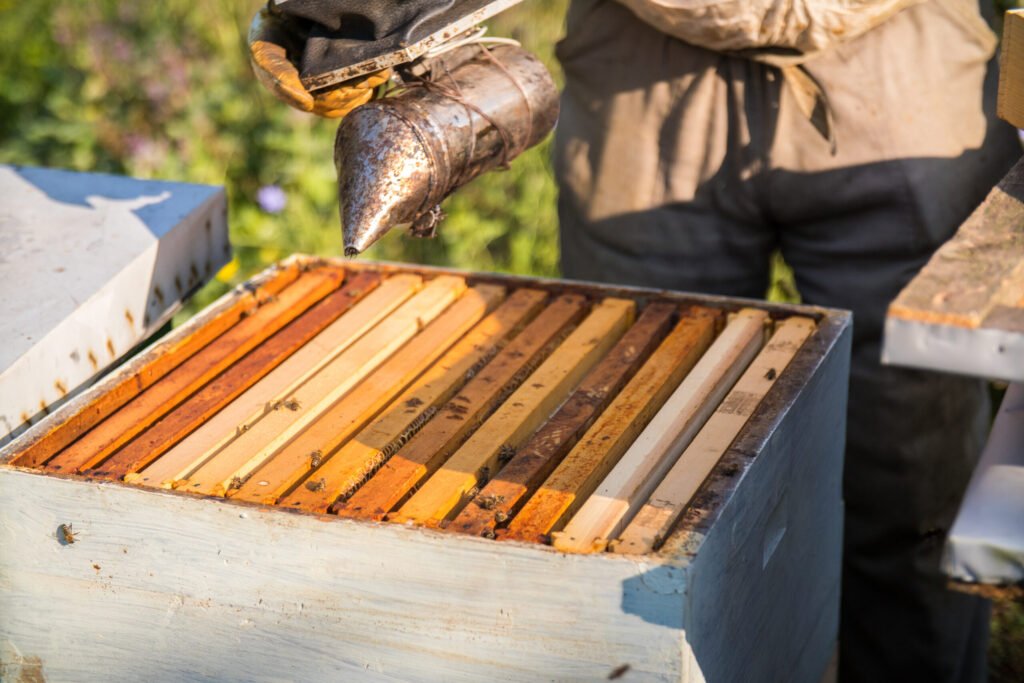
Suit up, light the smoker, and lay out tools. Use smoke sparingly and move calmly to limit agitation.
3. Remove the old queen, then wait
Find and remove the old queen before placing the new cage. Then give the colony time to notice.
“Allow the colony to remain queenless for about 24 hours to recognize the absence of their queen.”
That gap lets the old queen’s pheromone fade so the workers are actively looking for a queen rather than defending against an intruder. The University of Guelph’s Honey Bee Research Centre teaches the same one-day wait in its re-queening guide.
4. Place the cage between brood frames
Hang the cage between two frames of open brood, screen side facing the bees so attendants can feed her, and candy end up so a dead attendant cannot block the exit. Push the frames together gently so the cage is held but not crushed.
5. Candy plug and controlled release
Remove the cork from the candy end only. Some beekeepers pierce a pinhole through the candy with a nail to get the workers started; do not widen it.
“The worker bees will chew through the queen candy, releasing the queen over the course of 2-4 days.”
6. Close up, wait, and confirm
Close the hive and leave it undisturbed. Purdue’s guidance is to check 5–7 days after the queen’s release for new eggs and larvae. Calm behavior at the cage, an empty cage, and single eggs centered in cells are the proof of acceptance.
| Step | Action | Why it matters | Check within |
|---|---|---|---|
| Acquire | Get a mated queen in a shipping cage | Fertility and strong pheromone | Before install |
| Prepare | Suit up, light smoker, stage frames | Reduces disturbance and stress | Immediate |
| Dequeen | Remove the old queen; wait ~24 hours | Colony recognizes queenlessness | 1 day |
| Install | Cage between open-brood frames, candy end up | Young bees imprint and accept her | 2–4 days to release |
| Confirm | Look for eggs and young larvae | Proof of acceptance and laying | 5–7 days after release |
For the cage-orientation details and the push-in cage alternative, see queen introduction with a push-in cage. Carolina Honeybees’ requeening walkthrough is a good photo-illustrated companion.
Choosing your method: direct vs. indirect introduction
Selecting the right introduction approach protects the new queen and improves acceptance rates. The choice affects her survival, the colony’s behavior, and your workload.
Black Mountain Honey demonstrates a fast direct introduction of a laying queen. It works for experienced keepers who can read a colony’s mood under a strong flow — a useful contrast to the slower caged method recommended below for most situations and for every dearth-season introduction.
Why direct release often fails
Direct release exposes an unfamiliar queen to immediate scrutiny; workers may ball and kill her because her scent is new. It succeeds most often when the colony has been queenless about a day, a flow is on, and the queen is already laying — moved from a nuc rather than shipped.
Indirect introduction with a queen cage
Caging stages the exposure and gives workers time to match scents. A candy plug, or a manually delayed release, paces it over two to four days. This method reduces rejection and is the default for shipped queens.
Push-in cages and nucs for valuable queens
For an expensive breeder queen, a push-in cage pressed over emerging brood lets her start laying before the colony can reach her, and introducing her into a nuc first and combining later is the safest route of all. Our guide to queen cages for introduction compares the options, and direct vs. slow-release introduction goes deeper on the decision.
| Method | Key action | When to use |
|---|---|---|
| Direct release | Place the queen free on a brood frame | Calm, queenless colony, strong flow, laying queen from a nuc |
| Candy-plug cage | Remove cork, hang between brood frames | Shipped queens; the default for most colonies |
| Push-in cage | Press over emerging brood; release after she lays | Valuable queens, dearth-season introductions |
| Nuc then combine | Establish in a nuc; unite by newspaper | Laying-worker colonies, high-value queens |
Optimizing acceptance: brood, frames, and worker behavior
Young workers that emerge near a caged queen quickly learn her scent and reduce rejection risk. Place the cage between frames of open brood so nurse bees and newly emerged workers imprint on her pheromone.

Keep handling calm and slow, maintain even frame spacing so the cage is not compressing bees, and watch the workers. Calm movement and gentle fanning mean pheromonal mixing is under way; intense balling of the cage means slow the release or add more open brood.
- Use frames with open brood next to the cage to help emerging workers adopt the queen’s scent.
- Limit smoke and disturbance so bees accept the new queen without stress.
- After release, check for single, centered eggs in cells within a few days.
| Frame choice | Worker behavior | Recommended action |
|---|---|---|
| Open brood frames adjacent | Calm fanning, attendants feeding | Leave undisturbed; expect eggs soon |
| Old drawn comb only | Slow interest, less tending | Add open brood or delay release |
| Compressed frames | Clustering, heat stress | Increase spacing; reposition cage |
Requeening resets your mite math too: the brood break during the changeover is an ideal moment to treat — see varroa management for splits and requeened colonies.
Troubleshooting special cases: laying workers and aggressive hives
When a colony lacks queen and brood pheromones for weeks, worker ovaries activate and the hive’s options narrow.
Identifying laying workers
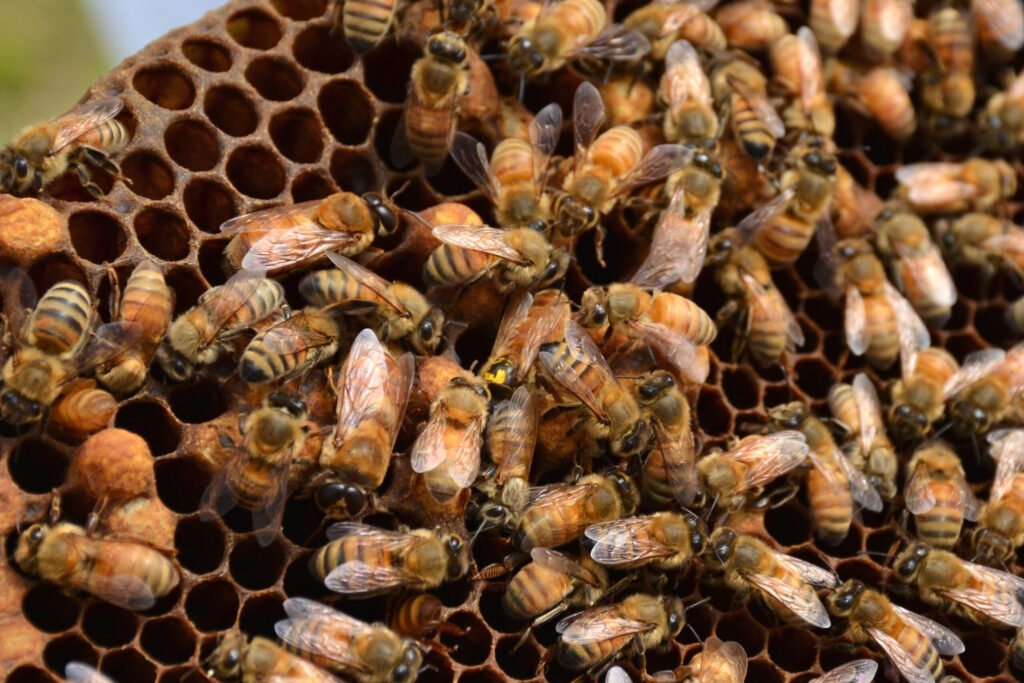
Look for multiple eggs per cell, eggs on side walls, and drone brood in worker-sized cells. These mean workers are laying unfertilized eggs that become drones. Full detail is in signs of laying workers in a queenless hive.
Stabilize with brood pheromone, then introduce in a nuc
Step one: add a frame of open brood from a queenright colony to restore brood pheromone and calm behavior. Step two: establish the new queen in a small nuc and confirm she is laying. Then unite the nuc and the failing colony with the newspaper method so scents blend slowly. Introducing a caged queen straight into a laying-worker colony usually fails — can you introduce a queen to a laying-worker colony? explains why.
Why the shake-out method often fails
Shaking all the bees out at a distance so laying workers cannot return is a common recommendation, but many laying workers fly back, and a queen introduced afterward is still at high risk.
| Problem | Quick fix | When to choose |
|---|---|---|
| Laying workers | Add open brood, then nuc-and-combine | Queen absent more than ~4 weeks |
| Weak, failing colony | Combine with a strong queenright hive | Poor brood, low stores, failed requeening |
| Save equipment | Place the colony above a strong queenright hive | Preserve comb; let laying workers die out |
Aggressive or “hot” colonies
Requeening is the permanent fix for a defensive colony, but finding the old queen in a hot hive is its own problem. Wear full protective gear, work when foragers are out, and consider splitting into nucs to locate her. The full method — assessing temperament, bleeding off flying bees, and protected introductions — is in how to requeen an aggressive bee colony.
Conclusion
Dequeen, wait a day, cage the new queen between open brood, let the workers release her, and confirm eggs a week later. Plan the timing around your flow — or choose September if winter strength is the goal — and log dates and outcomes for every hive. Consistent technique and patience are what make requeening routine rather than risky.
FAQ
Should I remove the old queen before introducing the new one?
Yes. Locate and remove her first so the colony is not defending an existing queen. Then wait about 24 hours before installing the caged replacement so the workers recognize they are queenless.
How long should the colony be queenless before I add the new queen?
About 24 hours is the standard extension recommendation. Much longer than two or three days and the bees start emergency cells, which you will then need to remove before the new queen is accepted.
Direct release or queen cage — which method works best?
Indirect introduction with a caged queen is safer and is the default for shipped queens. Direct release can work for a laying queen moved from a nuc into a calm, clearly queenless colony during a flow, but it is a gamble with a queen you paid for.
How long until the workers release her, and when should I check?
Workers chew through the candy over roughly 2–4 days. Do not open the hive during that time. Check 5–7 days after release for an empty cage, calm bees, and single eggs centered in cells; a steady laying pattern should be visible within 10–14 days.
When is the best time of year to requeen in the U.S.?
During a nectar flow for the easiest acceptance, or late August to September if the goal is strong winter bees and fast spring buildup. Avoid cold snaps and deep dearths, and feed lightly if you must requeen when no flow is on.
How do I handle a laying-worker colony?
Add a frame of open brood from a queenright hive first, establish the new queen in a nuc until she is laying, then combine the nuc with the colony using the newspaper method. A caged queen dropped straight into a laying-worker colony is usually killed.
What if the new queen disappears after release?
Check for a dead queen on the bottom board, signs of balling, robbing, or a virgin from an overlooked emergency cell. If she is gone, assess colony strength, remove any queen cells, and reintroduce another mated queen in a cage with open brood beside it — or combine the colony if it is too weak to be worth a second queen.