The most comprehensive count of Europe’s wild bees ever assembled found that roughly 1 in 10 species is now at risk of extinction — and the number of threatened species has more than doubled in just ten years. The 2026 update to the European Red List of Bees, coordinated by the University of Mons and the IUCN, assessed 1,928 native or long-established bee species using over 4.3 million spatial records, and the trend line is not a subtle one.
Key Takeaways
- 1,928 native and long-established European bee species were assessed for the 2026 update, drawing on more than 4.3 million spatial records and the work of over 200 experts.
- 172 species — about 10% of those assessed — are now classified as threatened with extinction, up from 77 in the 2014 assessment.
- Bumblebees and cellophane bees were among the hardest-hit groups, with more than 20% of species in each now facing extinction risk.
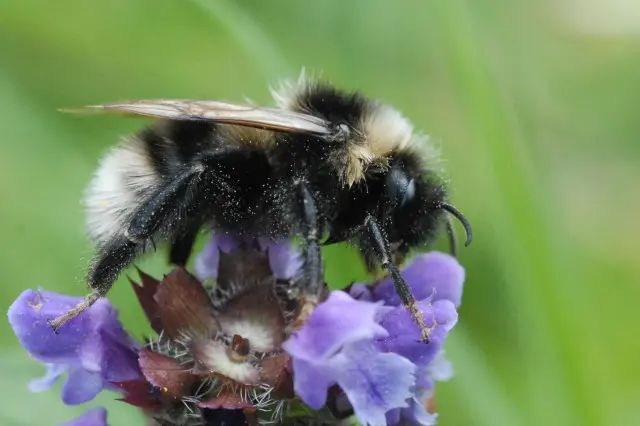
- The short-haired bumblebee (Bombus subterraneus) — extinct in the UK since 1989 and the subject of an active reintroduction program — is one of the clearest real-world examples behind the statistics.
- The assessment was coordinated by the University of Mons and the IUCN.
What the 2026 Assessment Actually Found
The IUCN’s own release on the update describes it as the most complete regional picture of European bee health to date. Out of the 1,928 species assessed, 172 — roughly one in ten — are now considered threatened with extinction under IUCN Red List criteria, more than double the 77 species flagged as threatened in the previous full assessment in 2014. Bumblebees and cellophane bees stand out as the groups under the most pressure, with over 20% of species in both groups now at risk, a notably higher rate than the survey’s overall average.
The scale of the data behind the finding is also worth noting on its own: more than 4.3 million spatial records went into this update, compiled and reviewed by over 200 specialists coordinated through the University of Mons and the IUCN. That volume of data is part of why this assessment carries more weight than a regional or single-country survey — it’s tracking population trends across the entire European continent and 27 EU member states at once. The IUCN’s full report summary also notes that the status of more than half of Europe’s bee species still isn’t well enough understood to confidently classify, which is its own separate finding worth taking seriously.
A Named Example: The Short-Haired Bumblebee
Bombus subterraneus, the short-haired bumblebee, is a useful real case behind the statistics rather than an abstract one. It was declared extinct in the United Kingdom in 1989 after decades of agricultural intensification stripped away the wildflower-rich grassland it depended on, and it now survives in fragmented populations elsewhere in Europe and in a reintroduced UK population established through a dedicated breeding and release program. It sits in one of the two groups — bumblebees — that the 2026 assessment flags as facing disproportionately high extinction risk, which makes it a genuine preview of what continued habitat loss looks like for related species that haven’t gone extinct yet, rather than a one-off historical footnote.
Why the Number Doubled in a Decade
The IUCN’s own assessors point to the same set of pressures driving wild bee decline across most of the developed world: habitat loss and fragmentation from agricultural intensification, pesticide exposure, climate change altering the timing and range of forage availability, and — for some specialist species — direct competition with managed pollinators in resource-poor habitats. What changed between 2014 and 2026 isn’t necessarily that new threats appeared; it’s that a decade of cumulative pressure on already-declining populations pushed many more species across the threshold from “vulnerable” into “threatened,” and better data collection over that decade also means fewer species are being under-assessed or missed. Both a real worsening trend and improved measurement are almost certainly part of the increase.
Frequently Asked Questions
How many European bee species are now considered threatened?
172 species out of the 1,928 assessed — about 10% — are classified as threatened with extinction in the 2026 update, more than double the 77 species flagged in the 2014 assessment.
Which bee groups are most at risk in Europe?
Bumblebees and cellophane bees are the hardest-hit groups identified in the assessment, with more than 20% of species in each now facing extinction risk.
Who conducted the 2026 European Red List of Bees assessment?
It was coordinated by the University of Mons and the IUCN, drawing on the work of more than 200 experts and over 4.3 million spatial records.
Is honeybee competition part of why wild bees are declining in Europe?
It’s one contributing factor in some contexts, but the IUCN assessment points primarily to habitat loss, pesticide exposure, and climate change as the larger, better-established drivers of the decline.