Here’s the honest, counterintuitive truth this topic needs upfront: a honeybee colony generally can’t be evacuated the way a pet or a horse can during a fast-moving wildfire. The queen is too heavy with eggs to fly, and worker bees won’t abandon her — meaning a colony facing an active, close, fast-moving fire is largely stuck in place, regardless of what a beekeeper might want to do. This reframes what “wildfire preparedness” actually means for beekeepers: it’s mostly about advance defensible-space work and genuine early-warning relocation, not a last-minute evacuation plan you execute as flames approach.
This guide covers what actually happens to bees during a wildfire, when relocation is genuinely possible versus when it isn’t, defensible-space preparation that matters most, and what real post-fire recovery involves.
This is a genuinely underserved topic in most beekeeping resources, which tend to assume relatively predictable, seasonal threats like pests and weather rather than a fast-moving, potentially days-away-or-tomorrow disaster. Beekeepers in fire-prone western states specifically deserve a clear-eyed answer to “what can I actually do about this,” rather than vague reassurance or an evacuation checklist that quietly assumes something biologically untrue about how bees can be moved.
Key Takeaways
- A honeybee colony can’t be evacuated like a pet during an active, fast-moving fire — the queen can’t fly, and the colony won’t leave without her, meaning true “last-minute evacuation” mostly isn’t possible.
- Bees have a real, natural smoke response: gorging on honey stores, fanning to push smoke out, and retreating inward rather than fleeing — a defensive behavior that helps somewhat but doesn’t protect against fire itself.
- Relocation is genuinely achievable, but only during early “watch” or “warning” stages when there’s real advance notice — this is the actual window for physically moving hives, not the final “go now” evacuation order.
- Defensible space around hive locations, done well before fire season, matters more than any last-minute action, since it’s the one preparation step that’s actually effective under real wildfire time pressure.
- Surviving colonies face a genuine second crisis after the fire passes: destroyed forage, smoke-disrupted navigation, and depleted winter stores that often require active beekeeper support to recover from.
Table of Contents
- Why You Generally Can’t Evacuate Bees Like Other Livestock
- What Bees Actually Do When Smoke Arrives
- When Relocation Is Genuinely Possible
- Defensible Space: The Preparation That Actually Matters
- Recovery After the Fire Passes
- Frequently Asked Questions
Why You Generally Can’t Evacuate Bees Like Other Livestock
Per the University of California’s own research blog on honeybee colonies during wildfires, a colony facing a close, active wildfire faces a fundamental biological constraint: the queen is heavy with eggs and generally can’t fly, meaning she can’t simply relocate the way a bird or even a swarm under normal conditions might. Worker bees won’t abandon her, so a colony genuinely cannot pick up and move away from an approaching fire the way a beekeeper might trailer horses or load pets into a car during a “go now” evacuation order. This is a genuinely different situation from most livestock evacuation planning, and it’s worth understanding clearly rather than assuming a last-minute rescue plan for hives is realistic once a fire is already close.
It’s worth sitting with why this matters for planning purposes specifically: a lot of general disaster-preparedness advice assumes anything living on your property can, in principle, be moved given enough motivation and effort. Bees genuinely break that assumption. A beekeeper who spends valuable final-hours evacuation time attempting to move heavy, fully-loaded hive boxes under active fire threat is taking on real personal risk for an outcome that’s frequently not achievable anyway, which is exactly why this guide’s central message is to shift preparation earlier rather than treating the final hours as the moment that matters most.
What Bees Actually Do When Smoke Arrives
Bees have a real, documented natural response to smoke and approaching fire danger: they gorge themselves on stored honey, fan their wings vigorously to try to push smoke out of the hive, and generally retreat inward rather than continuing normal foraging activity. Foragers already out of the hive when a fire starts often won’t return to a hive that’s burning, sometimes clustering together in a nearby tree instead — but per the same UC research, a colony separated from its queen this way generally can’t survive independently. Wildfire smoke also disrupts bee navigation specifically, since bees use patterns of polarized light in the sky as a kind of compass, and smoke interferes with this system the same way it obscures normal visual navigation.
Ash presents its own separate problem beyond smoke itself, potentially interfering with a bee’s ability to breathe, smell, and taste – senses that are central to how a colony forages, communicates, and identifies threats. A colony under heavy ashfall isn’t just dealing with reduced visibility and disrupted navigation; its basic sensory toolkit for normal hive function is genuinely compromised for as long as conditions remain smoky and ash-heavy.
When Relocation Is Genuinely Possible
The honest, practical distinction that matters most: relocation is realistic during an early “watch” or “warning” stage, when a fire is still developing or distant but conditions suggest real risk to your area — this is the actual window to physically move hives to a safer location, not the final “go now” order when a fire is already close and fast-moving. If you have any advance notice at all, moving hives following the same basic principles as our hurricane preparedness guide — securing them for transport, moving to higher, clearer ground away from the immediate fire path — is genuinely achievable. Once a “go now” evacuation order for human safety is issued, prioritize yourself and your family exactly as instructed by emergency officials; a hive at that point is generally beyond what you can safely address, and no beekeeping consideration should ever delay your own evacuation.
If you keep bees in a genuinely high-risk wildfire zone, it’s worth treating fire-season readiness as an ongoing seasonal habit rather than a one-time plan drafted once and forgotten. Knowing your specific evacuation route, having a truck or trailer already capable of hauling hives without last-minute preparation, and periodically checking regional fire-risk conditions during peak season all shrink the gap between “watch” and “go now” enough to make relocation genuinely more likely to succeed when it matters.
Defensible Space: The Preparation That Actually Matters
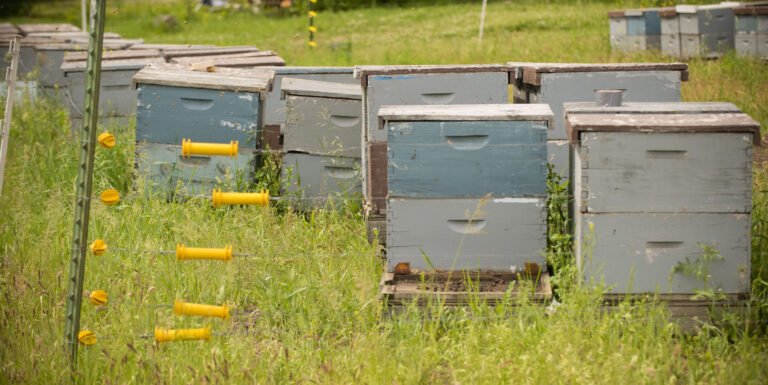
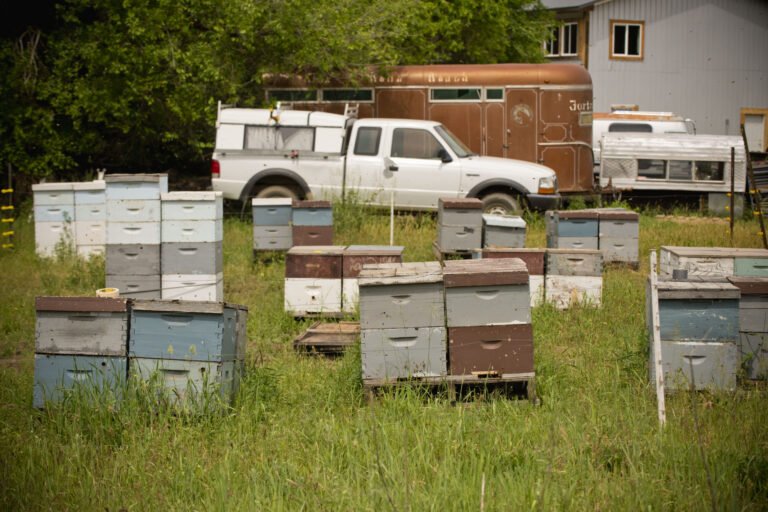
Given that last-minute evacuation mostly isn’t realistic, defensible space — the same concept CAL FIRE and other fire agencies promote for structures — is the preparation that genuinely matters for hive locations, and it needs to happen well before fire season, not as flames approach. This means keeping dry vegetation, dead grass, and flammable debris cleared from around hive locations, maintaining reasonable spacing between hives and any structures or dense brush, and considering hive placement itself as part of your property’s broader fire-risk planning rather than treating apiary siting as a separate decision made purely for bee-management convenience. This is genuinely the single highest-leverage action a beekeeper in fire-prone territory can take, precisely because it’s the one preparation step that still works even when a fire moves too fast for any other response.
Coordinating this work with your broader property’s fire mitigation plan, rather than treating the apiary as a separate concern, also tends to produce better results in practice – a hive sitting in an otherwise well-cleared, defensible area benefits directly from the same brush-clearing and spacing work that protects a home or other structures, meaning apiary defensible space often costs little additional effort once the broader property work is already underway.
Recovery After the Fire Passes
If your hives survive and it’s safe to return, per Oregon State University Extension’s guidance on wildfire effects on bees, avoid opening hives while smoke is still heavy in the air, and offer a clean water source nearby, since normal water sources may be contaminated with ash or simply unavailable. Even surviving colonies face a genuine second crisis after the immediate fire danger passes: destroyed forage near a burn zone means less available food just when colonies most need to rebuild, heat from a nearby fire can kill capped brood even in hives that structurally survive, and colonies that gorged on stores during the smoke event may be running low heading into whatever season comes next. Active supplemental feeding, close monitoring for weeks after the fire (not just the first few days), and realistic patience with a slower-than-normal population rebuild are all part of genuine post-wildfire apiary recovery, not a quick return to normal once the smoke clears.
Documenting hive losses and damage before beginning any rebuilding or cleanup work matters here too, for the same practical reason it matters after a hurricane – photographs and a written record support insurance claims and any available agricultural disaster relief programs, worth doing even while the priority is understandably on the surviving colonies rather than paperwork.
Frequently Asked Questions
Can I evacuate my beehives during a wildfire?
Only during early advance-warning stages, not once a fire is close and fast-moving — the queen can’t fly, so a colony generally can’t be relocated the way pets or livestock can during a final “go now” order.
What do bees do when wildfire smoke reaches their hive?
They gorge on stored honey, fan their wings to push smoke out, and retreat inward rather than fleeing — a real defensive behavior, though it doesn’t protect against the fire itself.
What’s the most important wildfire preparation for beekeepers?
Defensible space around hive locations, done well before fire season – it’s the one preparation that still works even when a fire moves too fast for any other response.
Should I prioritize my bees or my own evacuation during a wildfire?
Always prioritize your own and your family’s safety exactly as instructed by emergency officials – no beekeeping consideration should ever delay a required human evacuation.
How do surviving colonies recover after a wildfire?
Often through weeks of active supplemental feeding and close monitoring, since destroyed forage and depleted honey stores create a genuine second crisis after the fire itself passes.
FAQ
Can I evacuate my beehives during a wildfire?
Only during early warning stages – the queen can’t fly, so colonies can’t be relocated at the last minute.
What do bees do when wildfire smoke reaches their hive?
They gorge on honey, fan to push out smoke, and retreat inward rather than fleeing.
What’s the most important wildfire preparation for beekeepers?
Defensible space around hive locations, done well before fire season.
Should I prioritize my bees or my own evacuation during a wildfire?
Always your own safety, exactly as instructed by emergency officials.
How do surviving colonies recover after a wildfire?
Weeks of active supplemental feeding and monitoring due to destroyed forage.