Published August 31, 2026
Table of Contents
- What Poly Nuc Boxes Are
- The Real Insulation Advantage
- Weight and Handling Benefits
- Durability and Realistic Lifespan
- Honest Downsides to Know Before Buying
- Poly vs. Wooden Nuc Boxes
- Brands Worth Comparing
- Reusing a Poly Nuc Beyond Its Original Purpose
- Who Should Buy Poly Nuc Boxes
- Managing Condensation in Poly Equipment
- Frame Compatibility Considerations
- Repairing Minor Damage
- Cost Breakdown Compared to Wood
- Cleaning and Disease Management Considerations
- Regional Climate Fit
- Transport-Specific Considerations
- Entrance Reducers and Ventilation Accessories
- How Poly Construction Compares to Mating Nuc Systems
- Off-Season Storage Best Practices
- Trying One Before Switching Your Whole Operation
- Common Mistakes
What Poly Nuc Boxes Are
Poly nuc boxes are nucleus colony boxes made from molded expanded polystyrene (EPS) foam instead of traditional wood, used for starting small colonies, transporting bees, and overwintering nucs, valued primarily for their strong insulation properties and lighter weight compared to wooden equivalents. They’ve become a genuinely popular alternative in the buying-guide equipment space, and understanding the real, documented trade-offs (not just the marketing pitch) helps decide whether they’re worth the switch for your own operation.
The Real Insulation Advantage
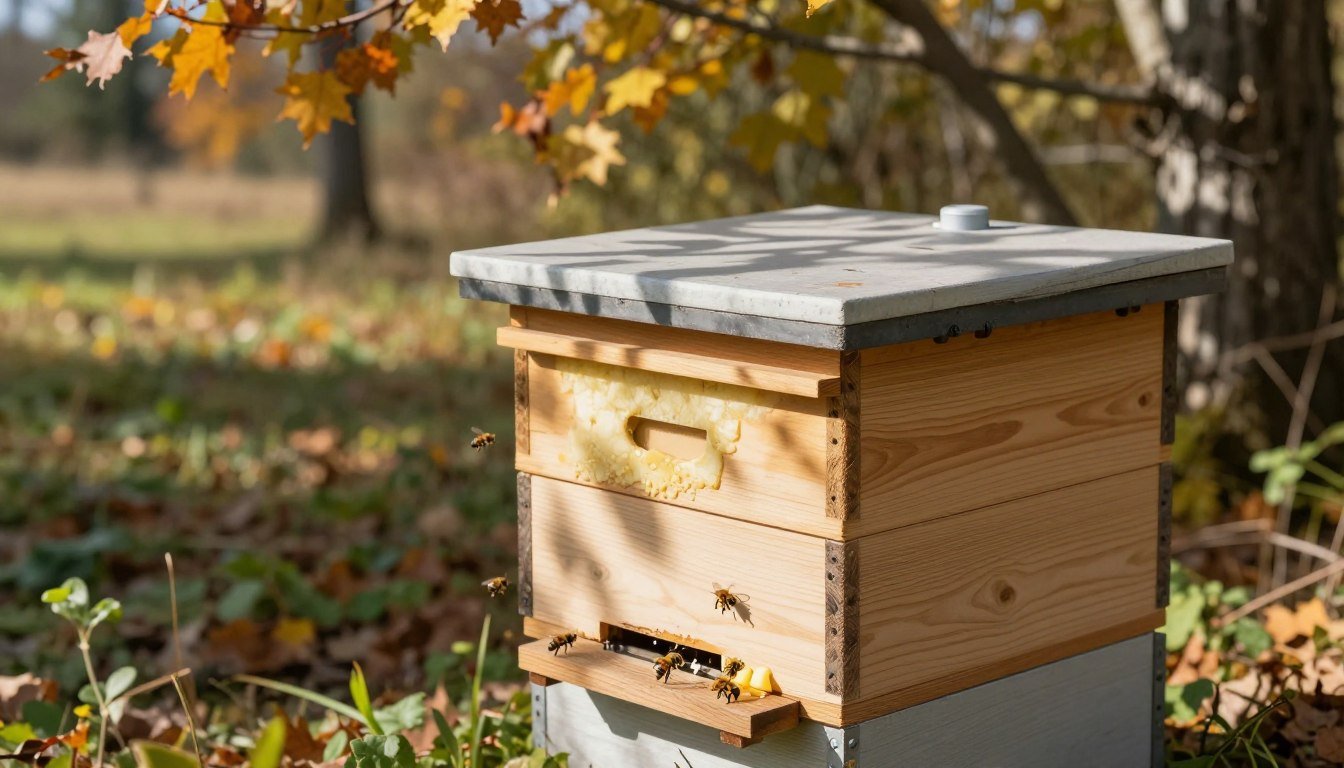
Expanded polystyrene provides a meaningfully higher R-value (thermal insulation rating) than standard pine or cedar hive-box lumber, translating into better temperature stability inside the box during both cold snaps and heat spikes — a genuinely important factor for a small nucleus colony, which has far less thermal mass and fewer bees to actively regulate hive temperature compared to a full-strength colony. This insulation advantage is the primary reason poly nucs have gained traction specifically for overwintering small colonies and for transporting bees through variable outdoor temperatures.
Weight and Handling Benefits
Poly nuc boxes are noticeably lighter than an equivalent wooden box, which reduces physical strain during routine hive manipulation, loading for transport, or moving nucs around the apiary — a real practical benefit for any beekeeper managing multiple nucs regularly, and a particularly meaningful one for beekeepers with physical limitations that make repeated wooden-equipment lifting more taxing over a season.
Durability and Realistic Lifespan
Well-made poly nuc boxes are fully reusable and, with reasonable care, can last 30-40 years before needing replacement, at which point the polystyrene material can typically be recycled rather than simply discarded. This is a genuinely long service life comparable to or exceeding well-maintained wooden equipment, though realizing that full lifespan depends on the specific care practices covered in the downsides section below.
Honest Downsides to Know Before Buying
Polystyrene dents relatively easily with a hive tool or other equipment, unlike solid wood, and needs to be painted specifically to protect against UV radiation breaking down the material over time outdoors. Bees themselves can also chew through polystyrene at box seams and joints in some cases, a genuine structural concern wooden equipment doesn’t share, and if sustainability is a primary personal priority, polystyrene is a less renewable material choice than wood from a responsibly managed source.
Poly vs. Wooden Nuc Boxes
| Factor | Poly Nuc | Wooden Nuc |
|---|---|---|
| Insulation (R-value) | Higher | Lower |
| Weight | Lighter | Heavier |
| Impact resistance | Dents/chips more easily | More impact-resistant |
| UV/paint maintenance | Required for longevity | Recommended but less critical |
| Chew resistance | Bees can chew through seams | More chew-resistant |
| Typical cost | Higher upfront | Lower upfront |
Neither option is universally better — the right choice depends on whether your priority is insulation and weight (favoring poly) or impact durability and lower upfront cost (favoring wood), and many beekeepers end up using a mix of both for different purposes within the same apiary.
Brands Worth Comparing
Established poly nuc manufacturers include Lyson (known for well-regarded insulated designs), BeeMax, Paynes, and Thorne’s, each offering slightly different wall thickness, frame capacity, and joint/seam construction that affects both insulation performance and chew-resistance in practice. Comparing actual wall thickness and seam design across brands, not just price, is worth the extra research time given how much those specific details affect the real-world downsides covered above.
Reusing a Poly Nuc Beyond Its Original Purpose
Once bees are transferred out into a full-size hive, an empty poly nuc box remains genuinely useful within the apiary for capturing swarms, making additional nucleus splits for overwintering, or serving as a temporary holding box during inspections and hive manipulations — getting real ongoing utility out of the equipment well beyond its original nuc-transport purpose, which helps justify the higher upfront cost compared to a single-use approach.
Who Should Buy Poly Nuc Boxes
Beekeepers in colder climates specifically overwintering small nucs, anyone transporting bees across variable outdoor temperatures, and beekeepers prioritizing lighter equipment for physical-strain reasons are the strongest fits for poly nuc boxes. A beekeeper primarily concerned with minimizing upfront equipment cost, or one in a consistently mild climate where the insulation advantage matters less, may reasonably stick with standard wooden nucs instead.
Managing Condensation in Poly Equipment
Because polystyrene doesn’t absorb moisture the way wood does, some beekeepers report needing to pay closer attention to ventilation and condensation management in poly nuc boxes, particularly during winter, since moisture that would otherwise be partially absorbed into wooden walls instead tends to collect on the poly surface itself. Adequate top ventilation and avoiding overly tight sealing helps manage this difference, and it’s a genuinely worthwhile adjustment to factor into your setup if you’re switching from wood to poly for the first time.
Frame Compatibility Considerations
Most poly nuc boxes are manufactured to standard Langstroth frame dimensions, but wall thickness varies meaningfully between brands, which can slightly affect internal usable space compared to a thinner-walled wooden box — worth checking specifically if you’re planning to move frames between poly and wooden equipment interchangeably, since a thicker-walled poly box may hold frames marginally more snugly or require slightly different bee-space management at the edges.
Repairing Minor Damage
Small dents and dings in polystyrene can often be patched with exterior-grade filler or specialized foam repair products, and painted over to restore both the appearance and the UV protection layer, extending the box’s usable life rather than requiring full replacement over a single season of minor cosmetic damage. More significant structural damage, particularly at chewed seams, is harder to reliably repair and may signal it’s time to retire that particular box from active service, though it can often still serve a second life as a swarm-trap box where structural perfection matters less.
Cost Breakdown Compared to Wood
A poly nuc box typically costs meaningfully more upfront than an equivalent basic wooden nuc, often somewhere in the range of 30-60% more depending on brand and frame capacity, a real cost difference worth budgeting for honestly rather than treating as a minor detail. Factoring in the box’s extended reuse life and ongoing utility beyond its original nuc purpose (covered above) helps put that upfront premium in better long-term context, but it’s still a genuine consideration for beekeepers scaling up nuc production for sale, where the per-unit cost difference multiplies quickly across many boxes.
Cleaning and Disease Management Considerations
Polystyrene’s non-porous surface is actually somewhat easier to clean and disinfect than raw wood, which can absorb pathogens into its grain, making poly nucs a reasonable choice for beekeepers who want to reduce disease-transfer risk when reusing equipment between different colonies. A thorough scrub with an appropriate beekeeping-safe disinfectant, followed by full drying before reuse, is generally sufficient between uses — a genuinely practical hygiene advantage worth factoring into the buying decision alongside the insulation and weight benefits already covered.
Regional Climate Fit
The insulation advantage that makes poly nucs appealing matters most in climates with genuinely cold winters or significant temperature swings, where a small nucleus colony benefits most from the extra thermal buffer; in consistently mild, temperate climates, the practical difference between poly and wood insulation performance is real but less operationally significant, which shifts the buying decision more toward weight and durability preferences than pure thermal necessity for beekeepers in those regions.
Transport-Specific Considerations
Beyond general insulation, poly nucs specifically shine during actual transport scenarios — moving nucs to a buyer, relocating for pollination work, or driving bees home from a supplier — since the combination of insulation stability and reduced weight meaningfully eases both the physical loading process and the bees’ thermal stress during a drive through varying outdoor conditions. Beekeepers who regularly sell nucleus colonies as part of their nuc pricing strategy or transport nucleus colonies commercially often find this specific use case alone justifies the equipment investment, independent of any overwintering benefit.
Entrance Reducers and Ventilation Accessories
Most poly nuc box designs include a built-in or purpose-fitted entrance reducer, useful for helping a small colony defend a proportionally smaller entrance against robbing, and many models also include dedicated ventilation ports separate from the entrance itself. Checking that a specific model’s ventilation design suits your climate — more open ventilation for hot regions, more controllable ventilation for cold ones — is worth a closer look during the buying process rather than assuming every brand’s approach is functionally identical.
How Poly Construction Compares to Mating Nuc Systems
Poly nuc boxes for full-frame nucleus colonies serve a genuinely different purpose than smaller specialized mating nuc systems like Apidea or Kieler boxes, which are built specifically for the queen-mating process on a much smaller scale rather than housing an established, frame-based colony. A beekeeper doing both queen rearing and standard nuc production will likely want both types of equipment for their respective specific purposes, rather than expecting one to substitute for the other.
Off-Season Storage Best Practices
When not in active use, poly nuc boxes benefit from dry, covered storage out of direct sun exposure, both to protect the painted UV coating from unnecessary wear and to prevent moisture buildup that could encourage mold growth on any residual wax or propolis inside an unused box. Stacking empty poly nucs also carries some risk of compression damage to the lighter material if stacked too aggressively or under heavy additional weight, so storing them on a shelf or in a single layer rather than deeply stacked is a reasonable precaution.
Trying One Before Switching Your Whole Operation
Given the genuine cost difference and the real trade-offs on both sides, buying one or two poly nucs to trial for a season before committing to a larger switch is a reasonable, low-risk way to evaluate how well the material performs specifically in your climate and management style before scaling up the investment across your whole nuc-production operation.
Common Mistakes
Skipping the UV-protective paint coating on a new poly nuc box, assuming the material doesn’t need the same outdoor-durability maintenance as wood, shortens the box’s realistic lifespan meaningfully. Placing a poly nuc directly against another rough surface or storing it where a hive tool is likely to bump it regularly increases denting risk unnecessarily. Assuming poly nucs are entirely immune to pest damage overlooks the documented bee-chewing-through-seams issue that genuinely can occur, particularly at box joints.
Sources
Material properties, insulation performance, and durability details reflect published beekeeping equipment comparisons and manufacturer documentation on expanded polystyrene hive components.
FAQ
Do poly nuc boxes really keep bees warmer than wooden ones?
Yes — expanded polystyrene has a meaningfully higher insulation (R-value) rating than standard hive-box lumber, providing better temperature stability, which is especially valuable for a small nucleus colony with limited thermal mass.
How long do poly nuc boxes actually last?
Well-made poly nuc boxes can last 30-40 years with reasonable care, including UV-protective painting, comparable to or exceeding a well-maintained wooden box’s service life.
Can bees damage a poly nuc box?
Yes — bees can chew through polystyrene at box seams and joints in some cases, a genuine downside wooden equipment doesn’t share, though quality varies by brand and construction.
Is a poly nuc box worth the higher upfront cost?
For beekeepers overwintering small colonies, transporting bees through variable temperatures, or prioritizing lighter equipment, generally yes; for those in mild climates focused mainly on minimizing cost, a standard wooden nuc may be the more practical choice.
Can I paint a poly nuc box any color?
Yes, as long as you use a paint compatible with polystyrene (many latex exterior paints work well) — the important requirement is a UV-protective coating, not a specific color, though lighter colors also help somewhat with heat reflection in hot climates.